A strong business model is more than just a business plan—it’s a strategic roadmap for long-term success. To build a model that creates lasting value, follow these key steps:
Identify Your Target Audience – Instead of appealing to a broad market, focus on well-defined buyer personas who truly need your product or service.
Establish Business Processes – Define the essential activities required to deliver your product or service efficiently.
Record Key Business Resources – Ensure your business has the necessary assets, such as capital, intellectual property, and digital tools, to sustain daily operations.
Develop a Strong Value Proposition – Differentiate your business by offering something unique and valuable to customers By implementing these elements, businesses can enhance efficiency, improve customer satisfaction, and sustain long-term growth.
Optimizing business cash flow is crucial for maintaining financial stability and growth. Here are some ways to achieve that:
Monitor and forecast cash flow & Implement cash flow budgets: Regularly track and analyze your cash flow, predicting incoming and outgoing funds. This helps identify potential shortfalls or excesses and allows for proactive management. Also, Create and follow a comprehensive cash flow budget that aligns with your business goals. This ensures better financial planning and allocation of resources.
Improve cash collection & Streamline accounts payable : Implement efficient and timely invoicing processes to ensure prompt payment from customers and negotiate favorable terms with suppliers and consider extending payment terms without incurring penalties. Automate payment processes wherever possible to ensure accuracy and timeliness.
Reduce expenses & Optimize pricing strategies : Regularly review and identify areas where expenses can be minimized and evaluate your pricing structure to ensure it aligns with market trends and covers costs while maintaining competitiveness.
Manage debt effectively & Seek Professional Advise : Keep a manageable level of debt and prioritize debt payments based on interest rates and terms also, consult with financial advisors or accountants to gain expert insights into optimizing cash flow and implement strategic financial management techniques.
An element of a business idea refers to a specific component or aspect that contributes to the overall concept and viability of a business venture.
Here are a few key elements commonly found in a business idea:
Clear Value Proposition: This is the most important element of a successful business idea. One need to identify the clear pain points, needs or problems of customers, and create a product or service that solves them. The value proposition should highlight how your product or service is unique and better than alternatives in the market. It should clearly define the benefits and the value that your customers can get, and how it is different from your competitors.
Market Validation: This is the process through which you validate the potential demand for your product or service. This can be done by conducting market research, studying the market trends, analyzing competitors, and gathering feedback from customers. Market validation helps to ensure that your business idea has a strong potential to succeed in the market.
Strong Business Model: A strong business model is crucial for success. It should be designed in a way that the company has multiple sources of revenue and is able to generate profits over time. The business model should be scalable, adaptable, and flexible enough to meet the changing needs of the market and customers.
Sustainability: This encompasses the social and environmental impact of the business. Ethical practices and long-term sustainability should be integrated into the core operations, ensuring responsible and conscientious business practices. By combining a well-defined business model with a strong focus on sustainability, businesses can strive for long-term success while positively impacting society and the environment.
These elements, when thoughtfully integrated and executed, contribute to the foundation and potential success of a business idea.
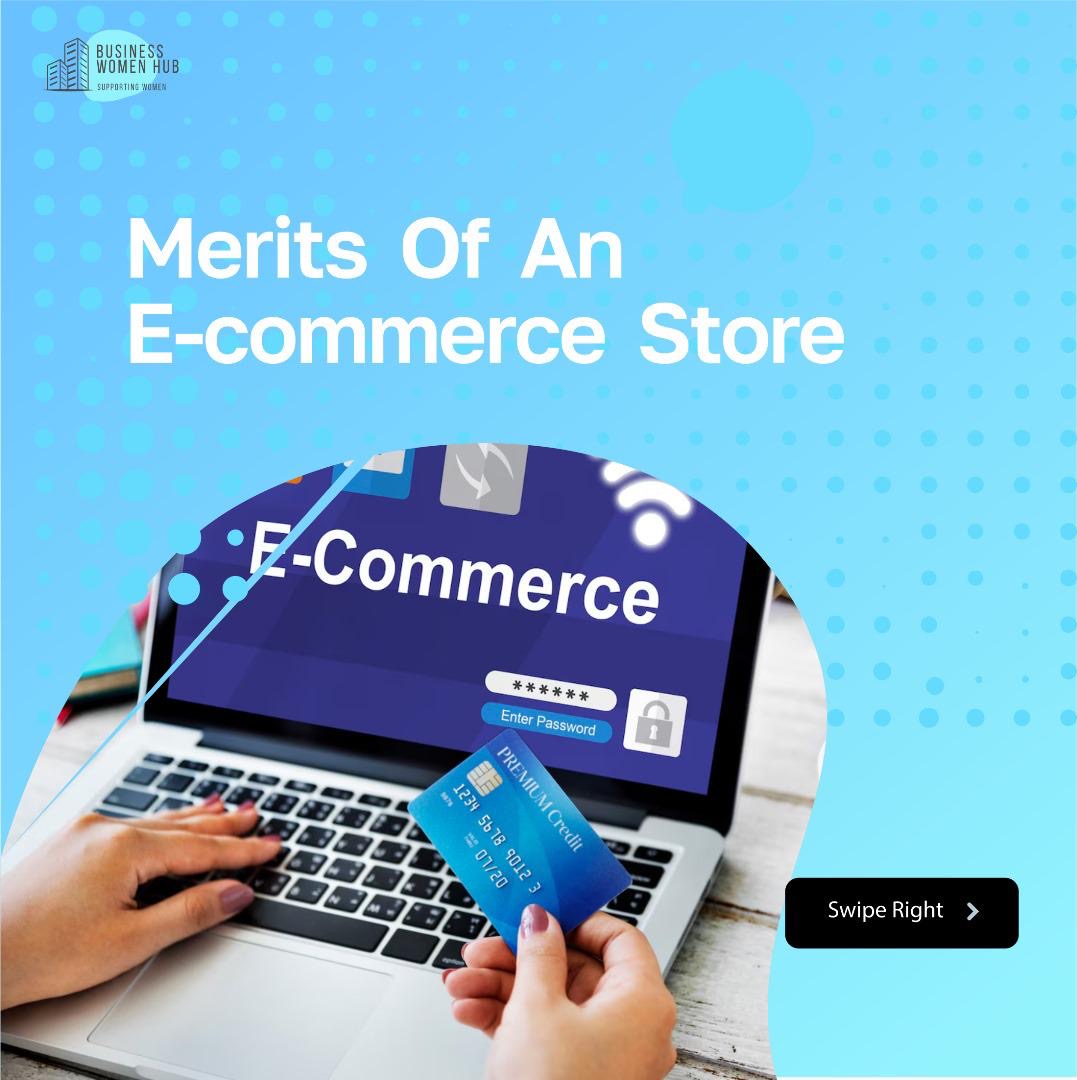
An online store, also known as an e-commerce store, is a virtual platform where businesses can showcase and sell their products or services over the internet. It allows customers to browse through a variety of products, make purchases, and complete transactions online.
Having an online store offers several significant advantages: One of the advantages is:
*Global Reach: With an online store, businesses can reach customers beyond their local geographical boundaries. It enables access to a worldwide audience, expanding potential customer base and revenue opportunities.
*Convenience: Online stores provide convenience to both businesses and customers. Customers can browse and shop at any time, from anywhere, without the limitations of physical store hours. Businesses can operate 24/7, catering to a diverse range of customers.
*Increased Sales Potential: Online stores allowm businesses to tap into a larger customer base and increase sales potential. The ability to showcase a wide range of products and offer personalized recommendations drives customer engagement and leads to higher conversion rates.
*Cost-Effectiveness: Maintaining an online store is often more cost-effective than running a physical retail store. It eliminates the need for expenses related to rent, utilities, and maintaining a large inventory.
*Data Insights: Online stores provide valuable data insights about customer behavior, preferences, and purchase patterns. Businesses can leverage this information to optimize marketing strategies, enhance product offerings, and improve overall customer experience.
*Competitive Edge: In today’s digital age, having an online store is crucial to stay competitive. Businesses that embrace e-commerce gain a competitive edge by meeting the evolving needs and preferences of customers who prefer online shopping.
Being an entrepreneur can be stressful and challenging, especially if you don’t know what you’re doing. But it doesn’t have to be that way! You can succeed at starting your own business and navigating the ins and outs of running your own company if you pay attention to these simple pieces of advice.
*Always do your research: Before starting a business, it’s essential to do your research and ensure that you clearly understand your industry, target market and competition. You don’t want to invest money into something without knowing if there is an audience for it or if there are other similar businesses out there. The research will save you time and money in the long run!
*Get involved in your local business community * Get to know other local business owners and entrepreneurs. Joining a networking group can help you meet people in similar situations as you and who can offer advice and support. * Attend local business events. These are great opportunities to network and learn about what’s going on in the business community. * Get involved in local politics. Knowing what’s happening at the city and county levels can help you make informed decisions about your business.
*Embrace change Change is one of the few constants in business. The ability to embrace change and adapt to new situations is critical for any entrepreneur who wants to survive and thrive. If you’re in a rut, try looking at your problem from a different perspective. Sometimes all it takes is a fresh look at things to find an answer or solution. When faced with challenges, try not to think about the past because there’s nothing you can do about it now. Instead, focus on what you need to do now to get out of your current situation.
*Save, save, save…and save : One of the best pieces of advice for entrepreneurs is to save as much money as possible. This may seem complicated, especially when you’re just starting, but it’s important to live below your means and put away as much money as possible. This will help you weather any tough times that come your way and give you a cushion to fall back on when things get tough.
A strong brand helps a business stand out, differentiate itself from competitors, builds trust, and creates customer loyalty which can lead to premium pricing, attract top talent, and drive business growth. These indicators are all interconnected and can contribute to the overall success of your brand.
*Brand reputation: Your brand reputation is the perception that people have of your brand. It’s influenced by factors such as product quality, customer service, and brand values. A positive brand reputation helps build trust and credibility with customers.
*Customer loyalty: This refers to the level of commitment and repeat business from your customers. When customers are loyal to your brand, they keep coming back for more, which can lead to increased sales and positive word-of-mouth.
*Brand awareness: This is all about how well your target audience recognizes and remembers your brand. When people are aware of your brand, it increases the likelihood of them considering your products or services when making purchasing decisions.
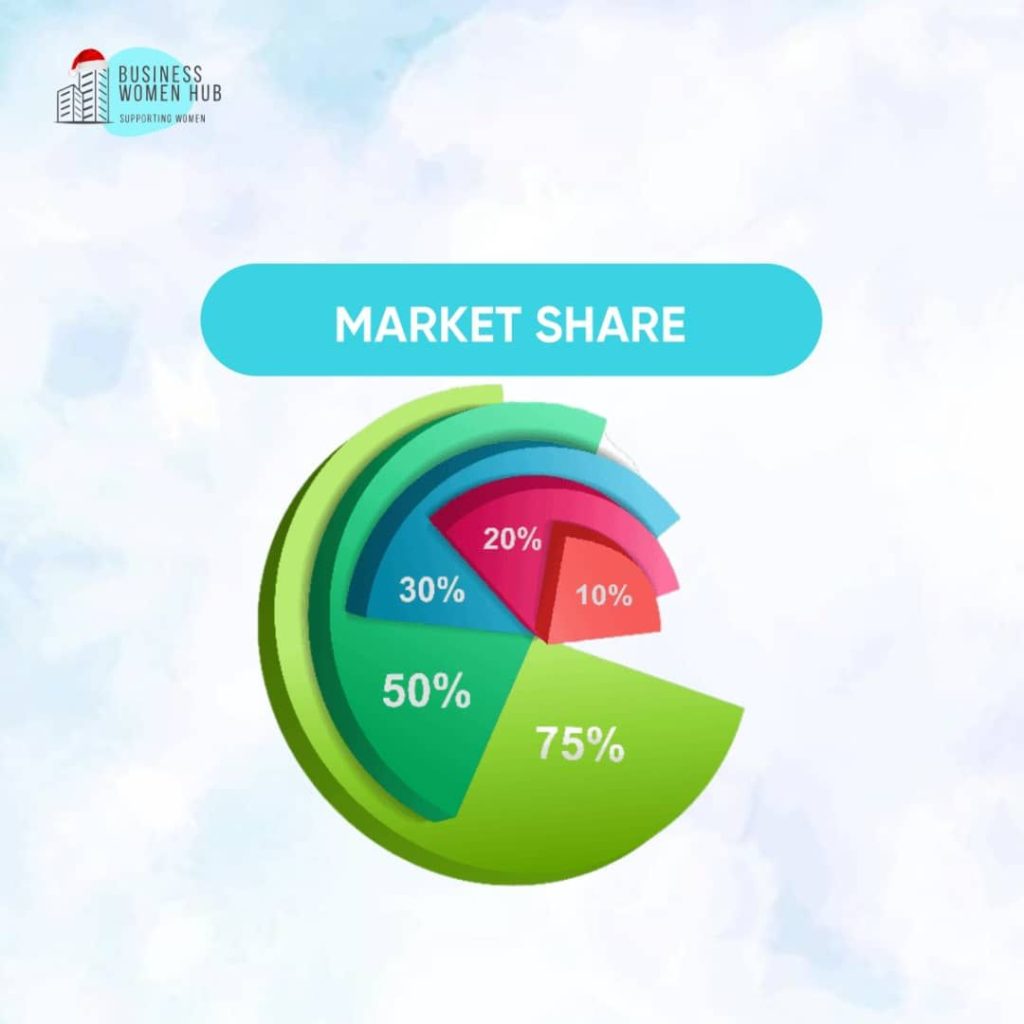
*Market share: Market share represents the portion of the market that your brand controls compared to your competitors. A higher market share indicates that your brand is performing well and gaining a larger share of customers compared to others in the industry.
*Financial performance: This indicator looks at the financial health of your brand, including factors like revenue, profitability, and return on investment. A brand that performs well financially is more likely to have the resources to invest in growth and innovation.
To overcome challenges as a female entrepreneur means to face and conquer the obstacles that come your way while running your own business. It means breaking through gender biases, accessing resources and funding, balancing work and personal life, building a strong network, and believing in your abilities. It’s about persevering, staying determined, and proving that you can succeed in the business world.
Here are some key points to consider:
*Gender bias: Unfortunately, there can still be biases and stereotypes that women face in the business world. However, it’s important to remember that your skills, knowledge, and determination are what truly matter. Surround yourself with a supportive network and focus on proving your capabilities.
*Access to resources: Women entrepreneurs may sometimes face difficulties in accessing funding, mentorship, and other resources. But don’t let that discourage you! Seek out organizations, networks, and initiatives that specifically support women in business. They can provide valuable resources, guidance, and opportunities.
*Work-life balance: Balancing work and personal life is a challenge for all entrepreneurs, but it can be particularly demanding for women who often have additional responsibilities. Prioritize self-care, set boundaries, and delegate tasks when possible. Remember, taking care of yourself is crucial for long-term success.
*Building a network: Networking is essential for any entrepreneur, and as a female entrepreneur, it’s important to connect with other women who have similar experiences. Attend industry events, join professional organizations, and engage in online communities to expand your network and gain support.
*Confidence and self-belief: Believe in yourself and your abilities. Surround yourself with positive influences and celebrate your achievements along the way. Remember, you have the power to create your own success!
I hope these insights help you navigate the challenges and empower you on your entrepreneurial journey. You have what it takes to overcome any obstacle that comes your way!
How to improve your financial performance as a business owner
Financial management is a critical aspect of running a successful business. Here are some ideas to help entrepreneurs improve their financial management skills:
1. Develop a budget and stick to it. A budget is a plan that outlines your income and expenses for a set period of time. By developing a budget, you can identify areas where you can cut costs and increase revenue.
2. Keep accurate financial records. Accurate financial records are essential for making informed business decisions. Make sure you are keeping track of all income and expenses, and that you are separating your personal and business finances.
3. Understand your cash flow. Cash flow is the amount of cash coming in and going out of your business. It’s important to understand your cash flow so that you can make informed decisions about when to invest in your business and when to cut costs.
4. Monitor your financial ratios. Financial ratios are a way to measure the financial health of your business. Some common ratios to monitor include the current ratio, debt-to-equity ratio, and profit margin.
5. Work with a financial advisor. A financial advisor can provide valuable advice and guidance on financial management and accounting. They can help you develop a financial plan, monitor your financial performance, and make informed decisions about your business.
6. Use accounting software. Accounting software can help you keep track of your finances, generate financial reports, and manage your cash flow. Popular accounting software options include QuickBooks, Xero, and Fresh Books.
By focusing on these areas of financial management, entrepreneurs can improve their financial performance and increase the likelihood of long-term success.
Google’s proprietary tools that can help you boost your results for free .
Use Google’s tools for business
These days, businesses working towards improving their professional online image and visibility in search results have a lot of Google My Business tools to choose from. A wealth of free and paid software is already available, and new solutions are being created every day. But sometimes simple is best – that’s why we will start with Google’s proprietary tools that can help you boost your results for free.
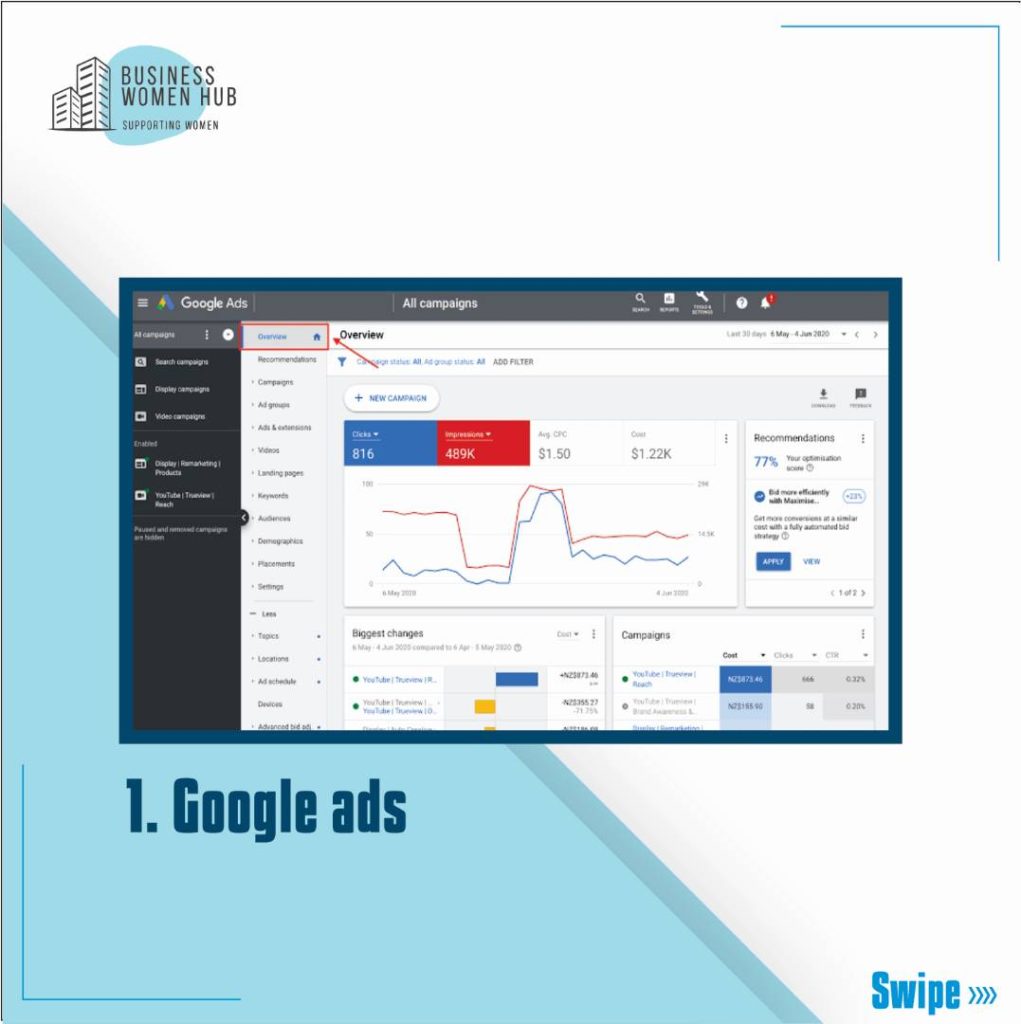
1.Google Ads
Google offers one of the most powerful online marketing tools on the market: Google Ads. This complex advertising system with advanced targeting options will help you reach customers all around the web including Google partners’ websites, YouTube, and, perhaps most importantly, Google ’search results.
2.Google Reviews
Regardless of what you’re selling, customers and prospects will eventually try to contact you about your products or services. And, in the name of great customer service, the best thing you can do is to make it easier for them to reach you.
The first good practice here is to stay connected to your customers by keeping your GMB reviews section alive. Interact with them by replying to their reviews no matter if they’re positive or not. This way you’ll show that you care about what people say about your business and that you acknowledge and act on your customers’ feedback.
Remember that people rely on ratings when deciding on where and how they will spend their money. That’s why it’s crucial to list your products on Google Shopping and encourage users to leave Google shopping reviews.
3. Keyword Planner
Whether you advertise your business through a website, blog, or other forms of content, search engine optimization is definitely one of the most important components of a successful online marketing strategy. You don’t need to become an expert right away as SEO is a complex field of digital marketing. Luckily, Google provides some great tools to make your life easier here. Use them while preparing content for your website to make it more discoverable.
To do so effectively, you’ll need to optimize the copy of your website, publish meaningful blog posts, and so on. Weaving in keywords relevant to your niche and to the search phrases your target audience uses to find businesses similar to yours is a great practice.
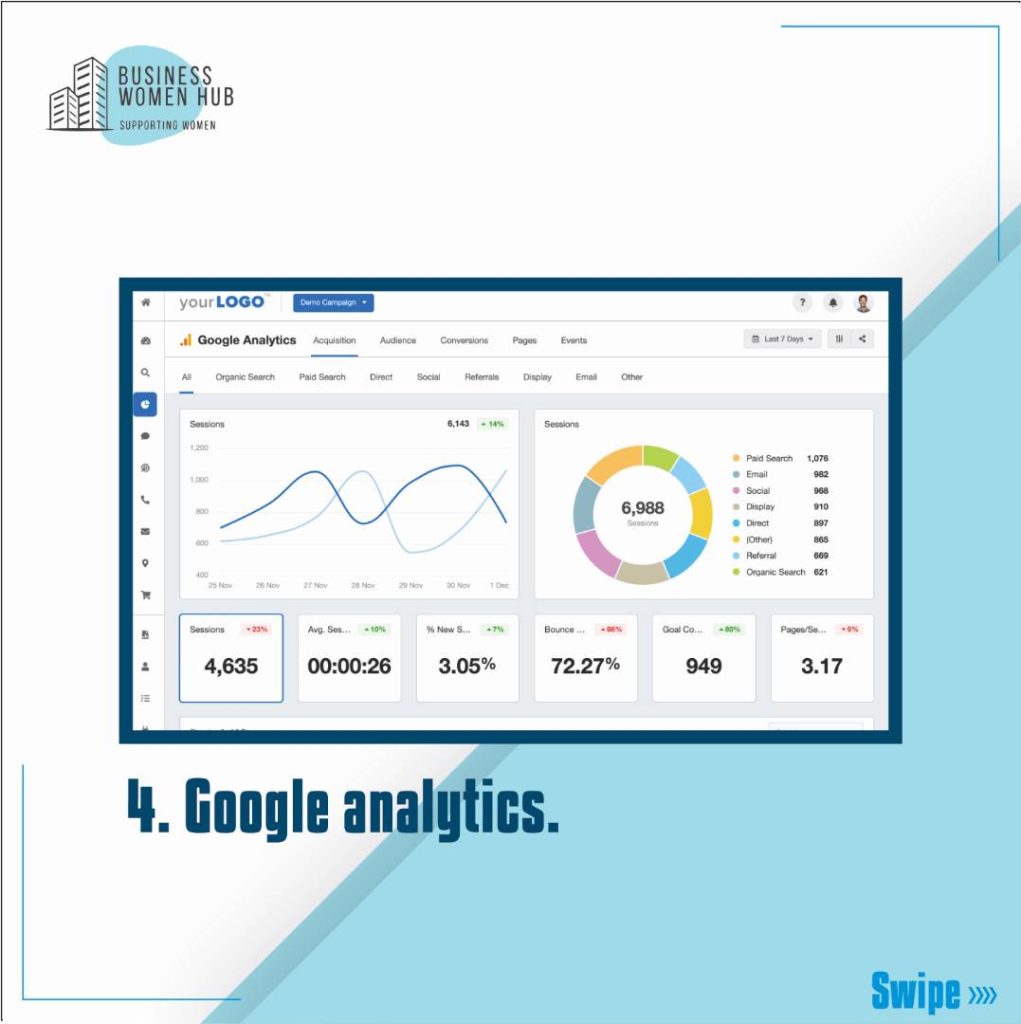
4. Google Analytics
Google Analytics is yet another powerful tool among Google’s numerous products. If you want to grow your business, it is essential that you measure your results and draw conclusions. This process enables you to come up with countermeasures whenever something’s not going as planned and make improvements.
Google Analytics is able to measure the results of your website, mobile app, online store, social media channels, and more. The best thing here is that when you get comfortable using it, you can set up pretty advanced measurements, including cross-platform, user-centric analytics. Proficiency in Google Analytics comes with access to a world of insights that, when skillfully used, can lead to serious improvements to your digital ROI.
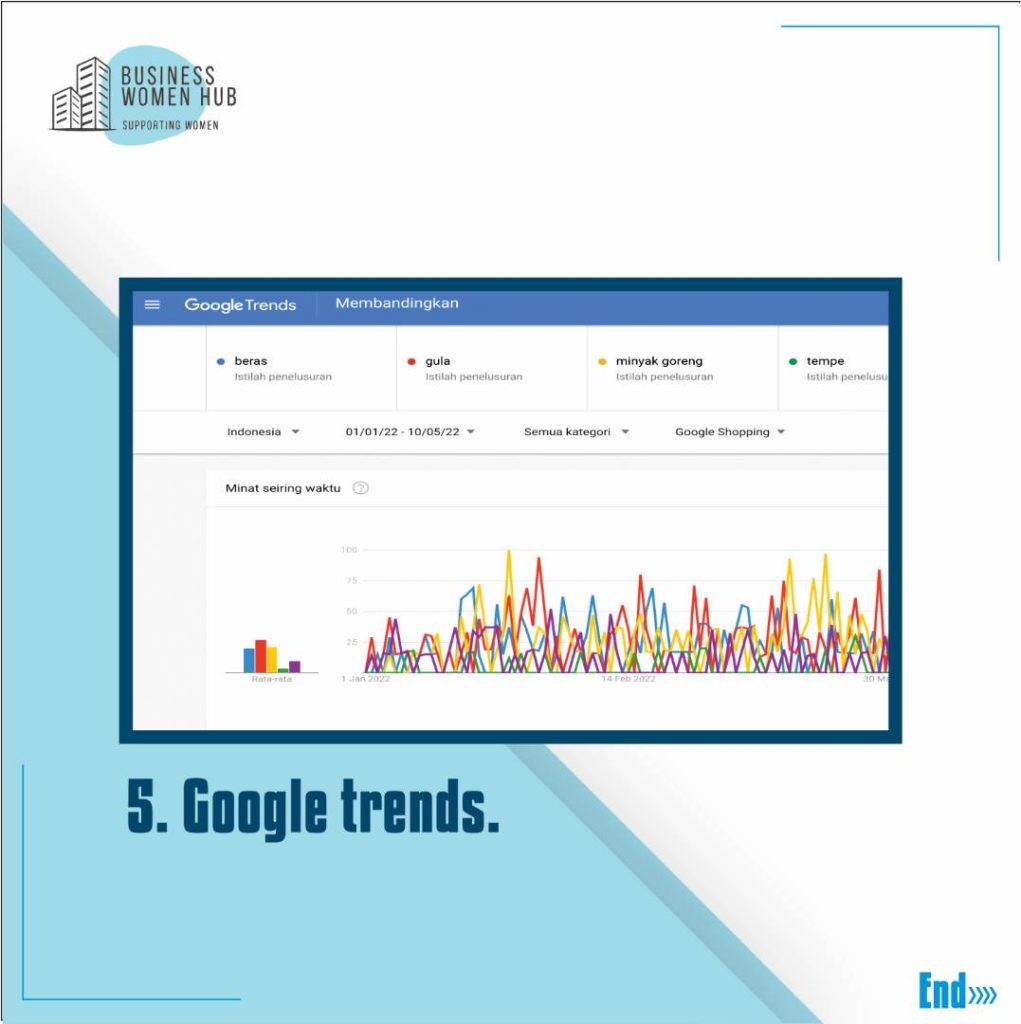
5. Google Trends
Getting attention for your business on the internet is about being where your audience is. To achieve that, you don’t need to spend hours digging through online forums and relevant threads on social media. Meet Google Trends, your new assistant for researching trending topics.
Google Trends analyzes all of the searches Google users perform and displays summaries in easy-to-read forms like diagrams and heat maps. Thanks to that you can not only see what is trending on the internet in a certain period of time but also check how frequently phrases connected to your business are searched.
Opens stores in new locations can also be online/virtual, such as a website with an online store. This allows you to put your product in front of new customers in a new market.
Target a new demographic: Identify other groups who could also use your product in similar ways to your initial target audience. Once you’ve identified a new market, you can advertise in media that targets that market create custom marketing campaigns.
Encourage new uses for your product: Discovering and promoting new ways to use your products or services allows you to encourage existing customers to buy more. It can also help you attract new customers who might need your products for different reasons.
All of these approaches allow you to grow your small business into a large one. This not only increases sales, but it also makes your business model more stable. When you don’t rely on just one type of target customer, you are more likely to survive changes to the market.