Posted on Leave a comment

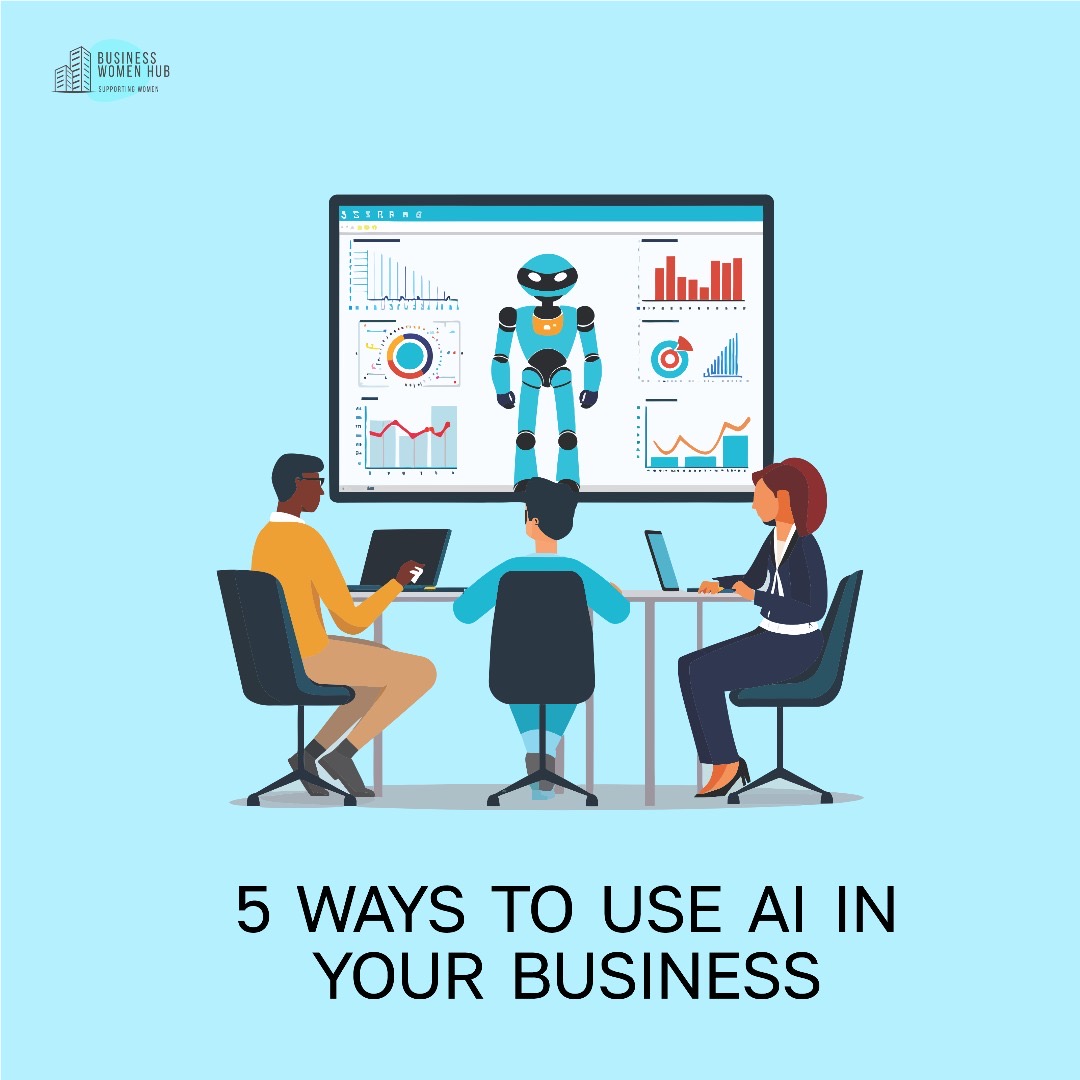
5 WAYS TO USE AI IN YOUR BUSINESS

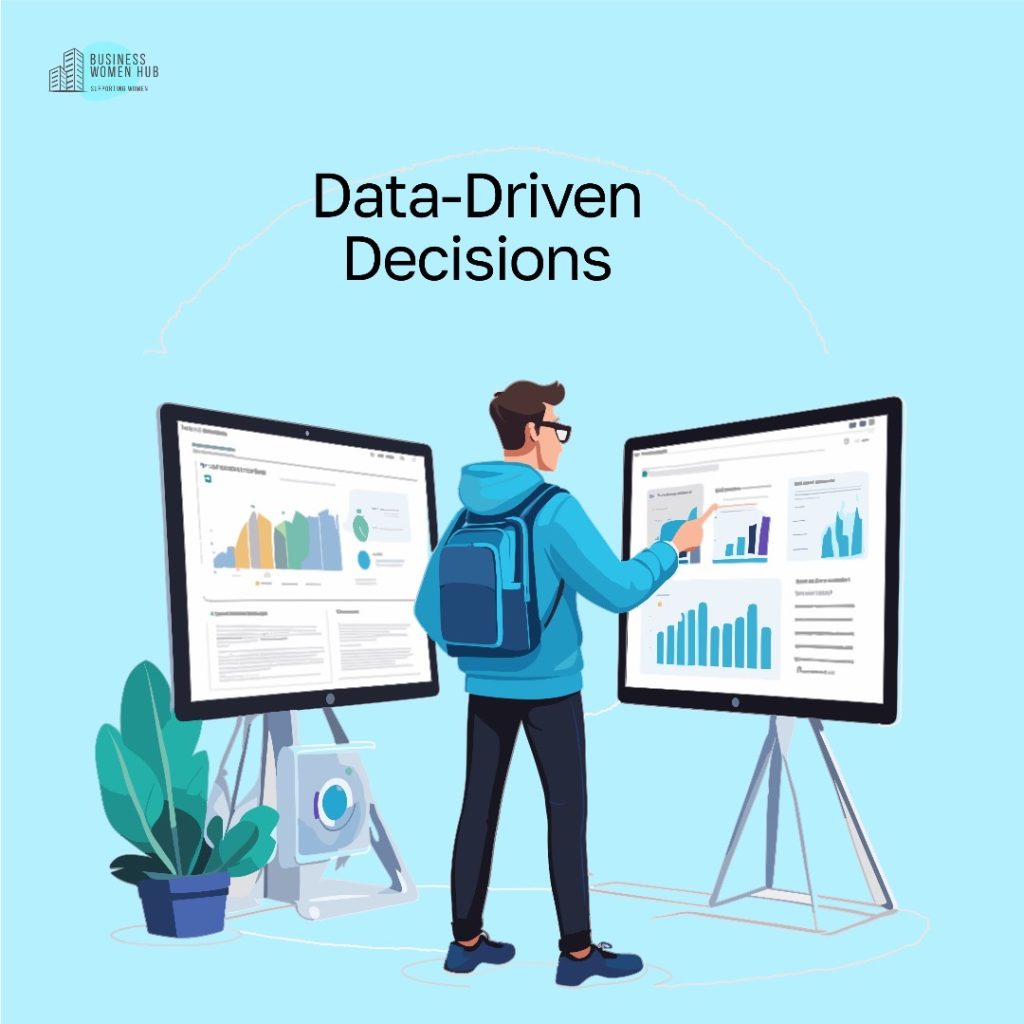
*Data-Driven Decisions: AI can help businesses make more informed decisions based on data analysis. AI models can be trained to make predictions and provide insights that can help businesses optimise their operations, improve their products or services, and identify new opportunities. By leveraging AI, businesses can quickly and accurately analyse large amounts of data and extract meaningful insights that can inform strategic decisions.
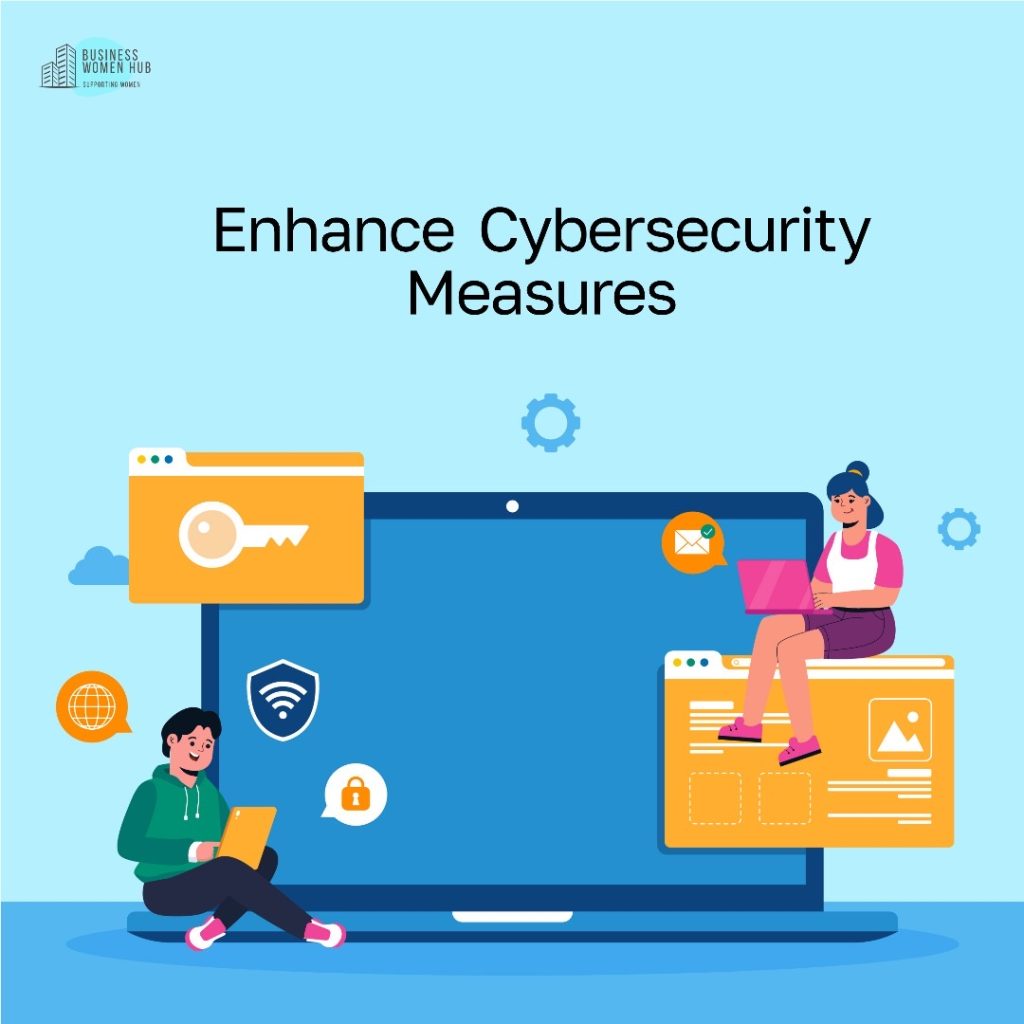
* Enhance Cybersecurity Measures: AI can be used to enhance cybersecurity measures by detecting and responding to potential threats in real-time. AI algorithms can learn to recognise patterns of suspicious user behaviour and identify threats that traditional rule-based systems might miss. By detecting and responding to cyber threats faster, AI can help businesses prevent breaches and protect sensitive data from loss or theft.
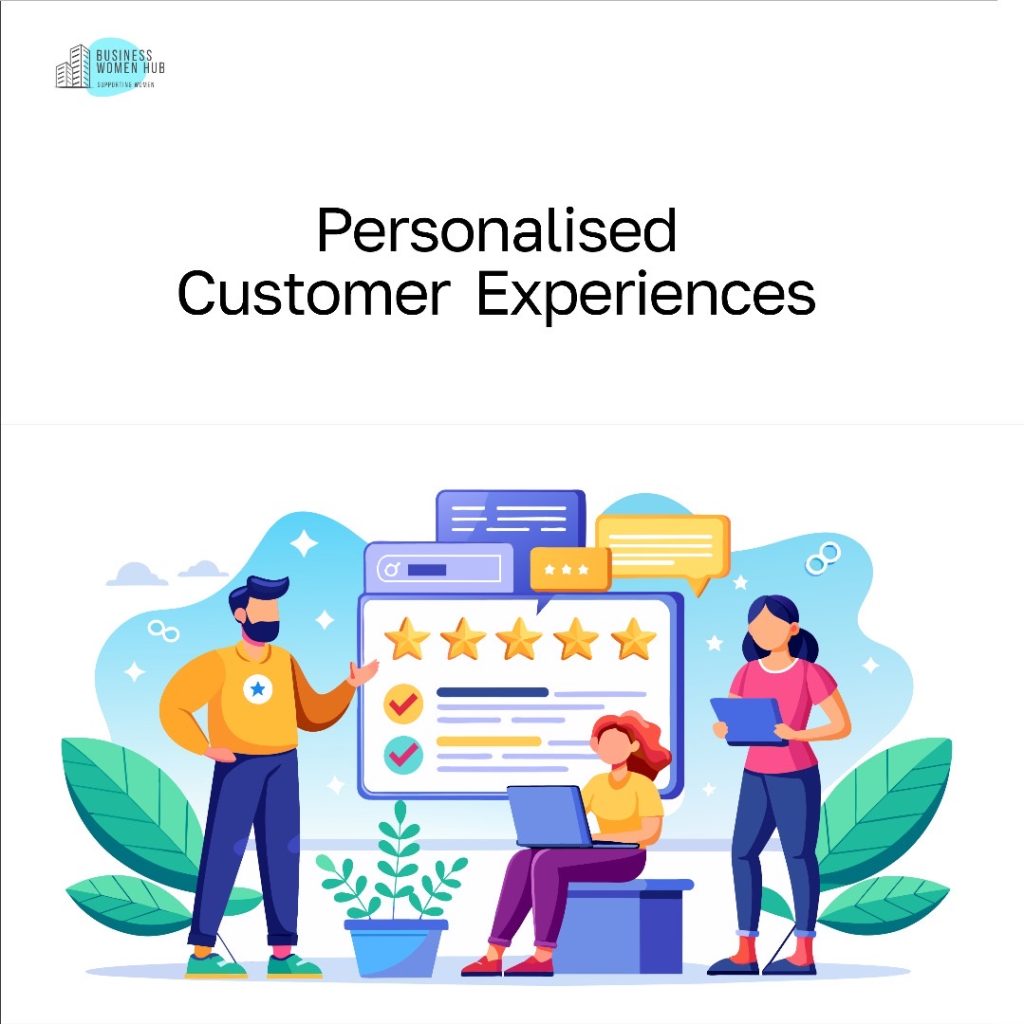
*Personalised Customer Experiences: With the help of AI, businesses can provide personalised customer experiences. AI algorithms can analyse large amounts of customer data to understand customer preferences and behaviour, and use that information to tailor recommendations, promotions, and product offerings. By providing truly personalised experiences, businesses can improve customer satisfaction and loyalty, ultimately leading to increased revenue.
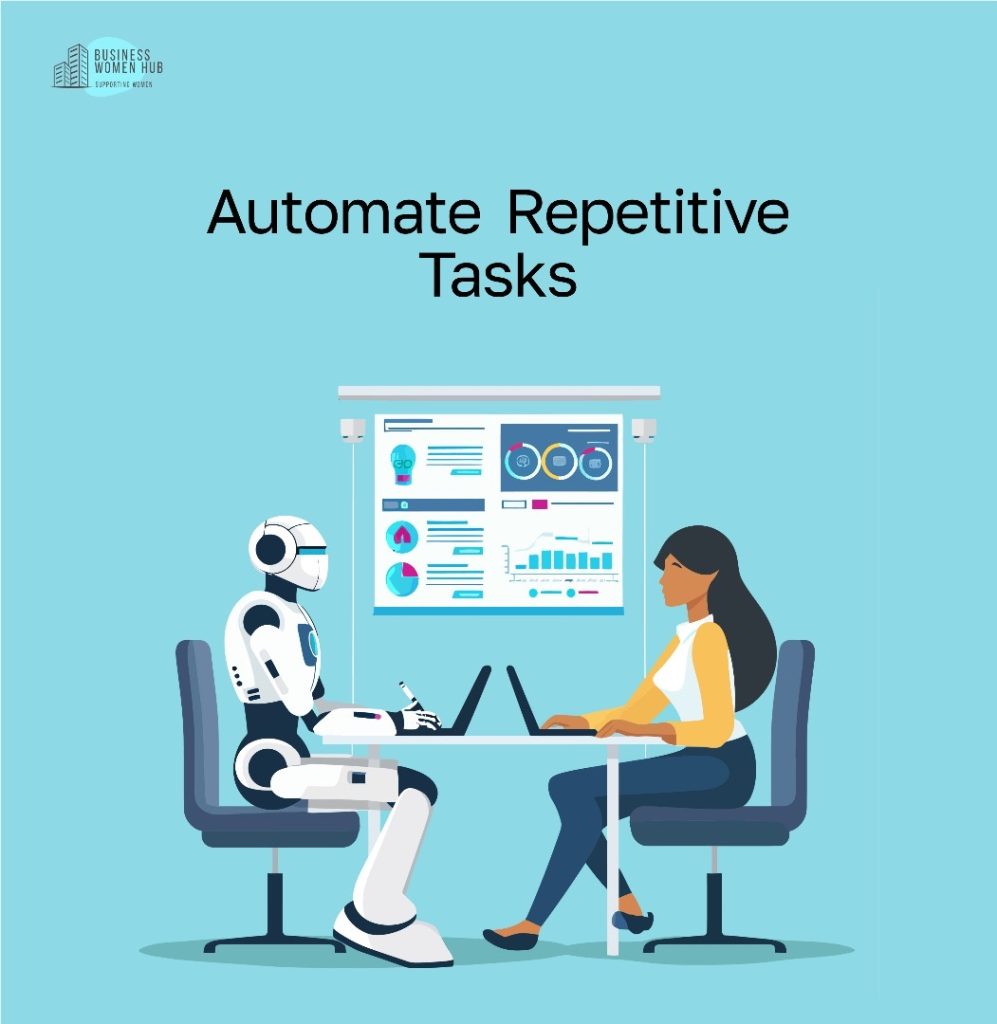
*Automate Repetitive Tasks: AI can be used to automate repetitive tasks that would otherwise require a significant amount of time and resources. By automating tasks such as data entry, report creation, or customer service, businesses can reduce costs and free up time for employees to focus on more value-added activities. This can ultimately improve productivity and help businesses stay competitive.
*Improve Operational Efficiency: Finally, AI can be used to improve operational efficiency across a range of business functions. AI-powered systems can optimise supply chain processes, schedule production runs, and monitor inventory levels, helping to reduce waste, avoid stockouts, and improve overall efficiency. By using AI to improve operational efficiency, businesses can reduce costs and improve their bottom line. These are just a few examples of how businesses can leverage AI to drive growth and success.


Posted on Leave a comment

MERITS OF AN E-COMMERCE STORE

An online store, also known as an e-commerce store, is a virtual platform where businesses can showcase and sell their products or services over the internet. It allows customers to browse through a variety of products, make purchases, and complete transactions online.

Having an online store offers several significant advantages: One of the advantages is:

*Global Reach: With an online store, businesses can reach customers beyond their local geographical boundaries. It enables access to a worldwide audience, expanding potential customer base and revenue opportunities.

*Convenience: Online stores provide convenience to both businesses and customers. Customers can browse and shop at any time, from anywhere, without the limitations of physical store hours. Businesses can operate 24/7, catering to a diverse range of customers.

*Increased Sales Potential: Online stores allowm businesses to tap into a larger customer base and increase sales potential. The ability to showcase a wide range of products and offer personalized recommendations drives customer engagement and leads to higher conversion rates.

*Cost-Effectiveness: Maintaining an online store is often more cost-effective than running a physical retail store. It eliminates the need for expenses related to rent, utilities, and maintaining a large inventory.

*Data Insights: Online stores provide valuable data insights about customer behavior, preferences, and purchase patterns. Businesses can leverage this information to optimize marketing strategies, enhance product offerings, and improve overall customer experience.

*Competitive Edge: In today’s digital age, having an online store is crucial to stay competitive. Businesses that embrace e-commerce gain a competitive edge by meeting the evolving needs and preferences of customers who prefer online shopping.

Posted on Leave a comment

THE 4P’S OF SUCCESSFULLY SCALING A BUSINESS

As entrepreneurs transition from the unpredictable, hectic life of startups to scaling their businesses, familiar challenges morph into new frustrations. Thankfully, you can cultivate these traits to make the transition easier.

*Passion for the long term Those steeped in the startup world are well acquainted with the need for passion when starting a business. But scaling a company is another matter entirely. It takes an immense amount of time and effort, and you may not instantaneously see the results of your hard work. This is the point at which many entrepreneurs feel their fire dwindling, but it’s just the moment when they need it most. Without passion, it is impossible to remain inspired and motivate your team. In those times when you feel it waning, it is important to re-ground yourself in the passion you originally had when you first started your company, and remain confident in its eventual success.

*Pivoting power: I had my fair share of unexpected turns after I founded Georama in 2012. I’d envisioned it as a travel planning startup, but a couple of years later, we pivoted to focus on virtual travel. Then in 2018, I realized we needed to pivot again to take advantage of the opportunities presented by the burgeoning consumer insights space. None of these changes were easy or even obvious, but the ability to execute them signaled the difference between success and failure. Many times, an idea requires several iterations before it can become a successful business.

*Persistence in the face of “no” The word “no” is a common element in entrepreneurs’ lives, but it’s another experience that changes significantly when you’re moving from startup to scaling. When I first launched, I continually reminded myself that when one door closes, another opens. It was this optimism and tenacity that gave me the energy to keep going. But as the “no” begin to mount in your rearview mirror, it’s important to learn how to let go of them and treat every opportunity to ask for support as a completely new one. It is important to not let rejection define your path and remember that once you hear your first “yes,” others will begin to follow.

*Patience offers perspective Oftentimes, passion and patience have trouble coexisting, and that was certainly the case for me. I have always believed in myself and had a passion for our product, but I found myself growing impatient and frustrated in the early days of my entrepreneurial journey because it felt like it was taking so long to gain traction. Looking back, I now see that everything happened exactly as it should have. I had to wait for this level of success to understand that nothing easy is worth having. The patience I developed over the years also taught me how to enjoy the journey and celebrate the little wins along the way.

Posted on Leave a comment

BENEFITS OF BUILDING STRONG NETWORK

Building a strong network means creating and nurturing connections with other professionals in your industry or community. It involves actively engaging with people, building relationships, and maintaining regular communication. Building a strong network can bring numerous benefits. Here are some details about each benefit:

Access to opportunities: When you have a strong network, you have access to a wider range of opportunities. Your connections can provide you with job leads, business partnerships, or even mentorship opportunities that you may not have otherwise come across.

 Learning and development: A strong network allows you to learn from others who have different experiences and expertise. By connecting with professionals in your field or industry, you can gain valuable insights, knowledge, and advice that can help you grow both personally and professionally.

Increased visibility: Building a strong network can increase your visibility within your industry or community. When people know who you are and what you do, they are more likely to think of you when relevant opportunities arise. This visibility can lead to more recognition, collaborations, and career advancement.

Professional support: Your network can provide you with a support system of like-minded individuals who understand the challenges and triumphs of your profession. They can offer guidance, encouragement, and advice during difficult times and celebrate your successes with you.

 Personal growth: Building a strong network can also contribute to your personal growth. Interacting with diverse individuals can broaden your perspectives, challenge your assumptions, and help you develop new skills. Additionally, the relationships you build within your network can lead to lifelong friendships and a sense of belonging.

Posted on Leave a comment

INNOVATIVE SOLUTIONS FOR BUSINESSES

Innovative solutions refer to creative and original ideas or approaches to solve problems or meet needs. They involve thinking outside the box and coming up with new and unique ways to address challenges.

Innovative solutions for businesses:

1. Adopting new technologies: Embracing emerging technologies like artificial intelligence, blockchain, or virtual reality can streamline operations, enhance customer experiences, and improve overall efficiency.

2. Implementing automation processes: Automating repetitive tasks and workflows can save time, reduce errors, and free up employees to focus on more strategic and value-added activities.

3. Utilizing data analytics: Leveraging data analytics tools and techniques can provide valuable insights into customer behavior, market trends, and operational performance, enabling data-driven decision-making and targeted strategies.

4. Embracing sustainable practices: Integrating environmentally friendly practices into your business operations, such as using renewable energy sources, reducing waste, or adopting eco-friendly packaging, can attract environmentally conscious customers and contribute to a greener future.

5. Fostering a culture of creativity and collaboration: Encouraging employees to think outside the box, fostering a collaborative work environment, and implementing innovation programs or brainstorming sessions can stimulate new ideas and drive continuous improvement within the business.