Posted on Leave a comment

INCREASING YOUR VISIBILITY

In today’s fast-paced world, being talented isn’t enough; you must be seen, heard, and remembered. Visibility isn’t just about gaining attention; it’s about aligning your presence with your purpose and showing up in a way that’s unmistakably you.

These 4 steps from Business Women Hub are designed to help you step confidently into the spotlight with clarity, consistency, and strategy. Whether you’re building a brand, growing your business, or elevating your leadership, these 4 mantras will guide you to become the Visible Leader you were meant to be.

  1. Visibility Starts with Clarity

You can’t be seen if you’re unclear about who you are and what you stand for. Visibility isn’t about being everywhere, it’s about showing up with purpose and presence.

  • Define what you want to be known for.
  • Audit your digital and in-person presence.
  • Align your messaging with your mission.

The first step to becoming visible is becoming unmistakably you. Clarity is magnetic; the clearer you are, the more people notice.

2. Show Up Consistently, Not Occasionally

You don’t build visibility by showing up once, you build it by showing up again and again. Whether online or offline, consistency beats perfection every time.

  • Choose 1–2 platforms and show up with value
  • Build routines that support regular visibility
  • Don’t wait to feel “ready”, take action now

 People can’t find you if you keep disappearing. Visibility is a habit, not a one-time event.

3. Let Your Voice Be Seen, Not Just Heard

Visibility is more than speaking, it’s about how you’re perceived. From your content to your body language, everything you put out is part of your brand.

  • Post with intention, not just obligation
  • Share your opinions, not just your updates
  • Use visuals that reflect your values and voice

The most visible women don’t just join the conversation, they lead it. Make your message seen and felt.

4. Visibility Without Strategy is Just Noise

Getting attention is easy. Keeping it, that takes strategy. True visibility connects with the right audience in the right way.

  • Define who needs to see you and why
  • Track what content gets the most engagement
  • Adjust your approach based on what’s working

Visibility without intention is just distraction. Be visible, but make it count.

Posted on Leave a comment

Steps to Channel Sales Sucess

Channel sales involve partnering with third-party companies to resell your products or services. Instead of focusing on individual customers, this approach leverages the existing networks of partners, enabling a “one-to-many” strategy. These partners earn a share of the revenue while helping your business access a broader market.

For example, a financial management software company might collaborate with a consulting firm that works closely with CFOs. By demonstrating the software’s value, the consulting firm’s sales team promotes and sells it, earning a share of the revenue.

This method accelerates market entry, enhances scalability, and creates new revenue streams.

Create a Target Prospect List
Build a list of companies that meet your criteria. Once identified, find the right contact within the organization.

  • For high-scale partnerships, consider approaching C-level executives like the CEO or CFO.
  • For tactical offerings, target industry group leaders or business development managers.
    Accurate contact information and precise targeting are essential for effective outreach.

Sell the Partnership
Selling to channel partners is similar to selling to customers—but with a twist. Highlight the financial benefits of the partnership, such as revenue sharing (e.g., 20%). Present a detailed pitch deck and a partner agreement that outlines:

  • Revenue potential.
  • Support plans for partners and their customers.
  • Sales and marketing responsibilities.

Channel sales enable businesses to scale faster by leveraging partners’ networks and expertise. By identifying the right partners, creating a targeted prospect list, and presenting a compelling partnership proposition, you can unlock new growth opportunities and expand your market reach.

Posted on Leave a comment

Overcoming Challenges As a Female Entrepreneur

As women entrepreneurs, there are unique challenges that may arise, but with the right mindset and strategies, success is always within reach. Here are some key points to consider:

Access to Resources: Finding funding, mentorship, and other valuable resources can be tough. Seek out networks, organizations, and initiatives that are designed to support women in business, as they offer guidance, opportunities, and resources tailored to help you grow.

Work-Life Balance: Balancing personal and professional life can be demanding, especially for women with additional responsibilities. Prioritize self-care, set boundaries, and delegate tasks when necessary to ensure long-term success

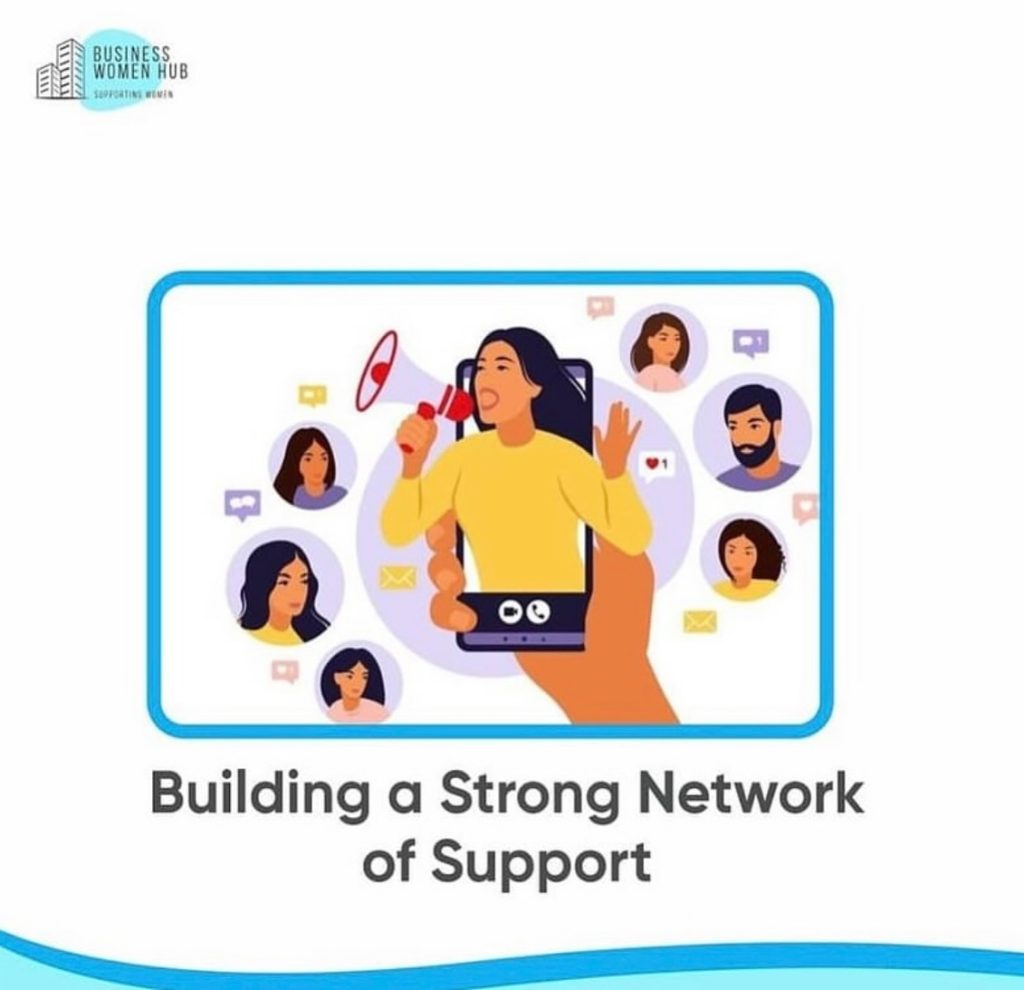
Building a Strong Support Network: Networking is critical for any entrepreneur. Connect with other women in business, attend industry events, and engage in online communities to gain support and build lasting relationships with those who share your experiences

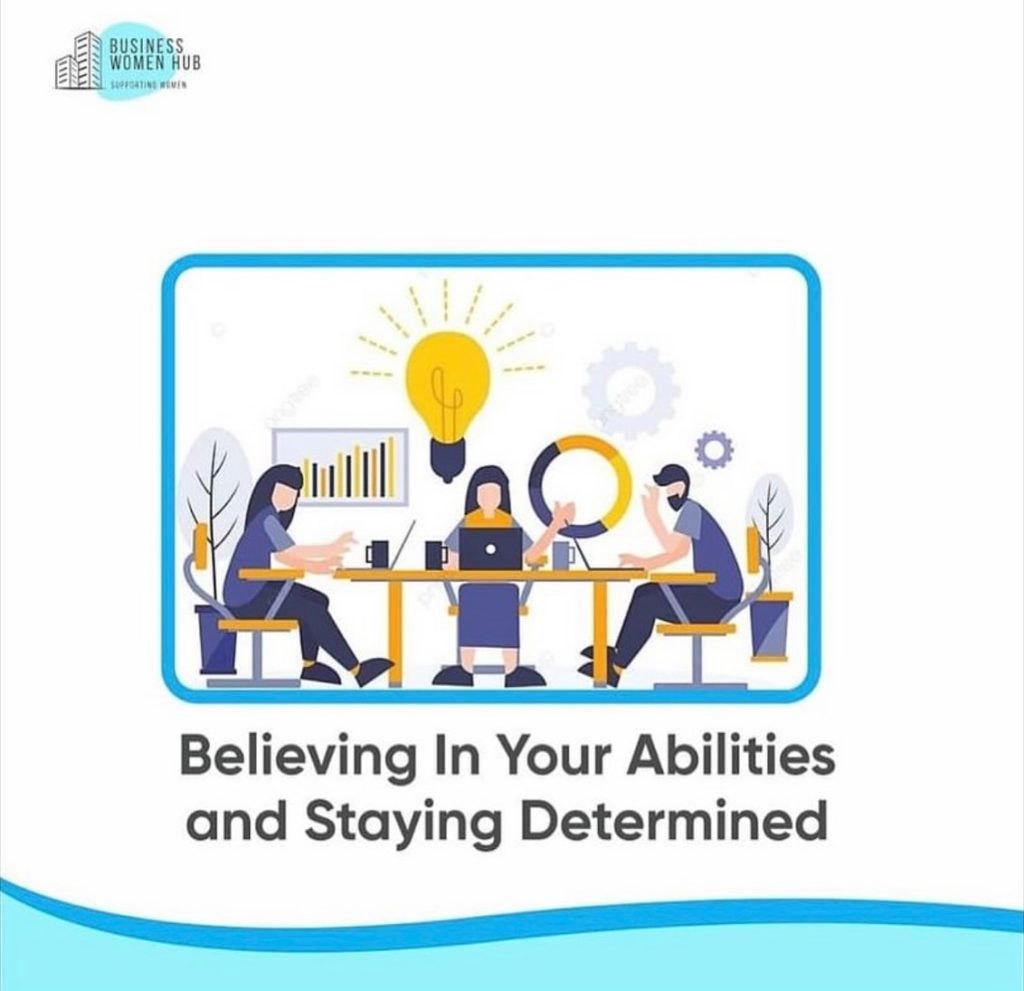
Believing in Your Abilities: Confidence is key. Believe in your capabilities, surround yourself with positive influences, and celebrate every milestone on your journey.

Remember, the power to create your own success is in your hands!

Posted on Leave a comment

4 soft skills that will propel Business to Sucess

As a business owner, hard skills like education and industry experience are important, but it’s the soft skills that often propel success. Here are three key interpersonal skills to master:

1. Empathy

Empathy is the ability to understand and share the feelings of others. In business, it fosters trust and engagement, making employees feel valued. Practicing empathy involves truly listening and being aware of others’ experiences. Business leader Dr. Christina Rahm emphasizes how empathy shaped her ventures by allowing her to see beyond her own perspective. When applied in the workplace, it can improve employee satisfaction and create a positive work environment. Remember, empathy must be practiced daily — it starts with making those around you feel heard.

2. Compassion

While empathy is about understanding, compassion takes it a step further by prompting action to help others. Dr. Rahm encourages flexibility in the workplace, such as allowing employees to bring their children or pets to work when necessary. Compassion can also be shown through small acts, like giving a sick employee time off or offering flexible work arrangements. By promoting compassion, business owners can build inclusive company cultures that foster loyalty and improve work ethics.

3. Adaptability

Adaptability is crucial for navigating change and challenges. Whether it’s refining a product or adjusting business processes, openness to change ensures long-term success. It’s important to remain patient, calm, and focused on solutions when things don’t go according to plan. Practicing mindfulness can help maintain a positive mindset, and embracing the idea that challenges are opportunities for growth will keep you resilient in the face of adversity.

These soft skills—empathy, compassion, and adaptability—are not just beneficial, they are essential for creating a thriving, resilient business culture. Start practicing them today!

Posted on Leave a comment

4 Sneaky ways to Build Brand Awareness

Ever wondered why you say “Kleenex” instead of tissue or “Coke” instead of cola? These brands have achieved the ultimate level of brand awareness, known as proprietary eponyms. Here are four sneaky ways to help your brand get there:

  1. Find Your Brand Voice
    Define a clear brand voice that reflects your mission and values. This will guide all your communication, from your website to social media and ads. Collaborate with your marketing, sales, and product teams to ensure your messaging resonates with your target audience.

2. Create and Improve Your Website
Your website is the face of your business. Ensure its mobile-friendly, includes analytics for tracking visitor behaviour, and has email submission forms to build a mailing list. These forms help you gather emails for future marketing and personalized customer outreach.

3. Launch Email Campaigns
Use the emails collected from your website to start campaigns. Start with transactional emails like welcome notes and purchase confirmations. Gradually, move to promotional campaigns to increase engagement and drive sales.

4. Introduce a Referral Program
Encourage your customers to refer others by offering them rewards. Dropbox’s referral program, which offered users extra storage space, is a prime example of how this strategy can significantly boost sign-ups and drive growth.

Posted on Leave a comment

4 Tips to Maximize Profits in Business

Profitability is a measure of a company’s ability to generate maximum revenue while incurring minimal costs. In the most basic sense, profit goes up as sales increase and/or costs decrease.
In reality, though, achieving profitability is anything but simple. Because sales and costs are not necessarily incremental, focusing too much on increasing sales could leave you at risk if there is a sudden, unforeseen decrease in demand.

Cost of goods sold Adjust pricing/Cost of Goods Sold (COGS) (COGS) are the direct costs associated with making a product or delivering a service—mainly raw materials and labor. It’s critical that COGS is calculated accurately and kept as consistent as possible so that products or services may be priced correctly.
To achieve this, companies must define, track and price the time and material resources needed to complete each build. By standardizing the manufacturing process, you should be able to accurately anticipate true costs and avoid large discrepancies from one build to the next—thus standardizing COGS.

Review Your Product Portfolio and Pricing


Related to both of the above items, it’s important to understand the true unit margins for each product in your portfolio and update that data frequently.
A good rule of thumb: Before adding a new offering, review your current portfolio. Are products underperforming? Do you have difficult-to-produce items that are eating away at your margins, time and money?

Increase Customer Lifetime Value

Never underestimate the power of happy clients. Understanding your customers and delivering consistently excellent experiences is perhaps the most cost-effective way to increase loyalty and acquire new customers via referrals.
You can show appreciation for your existing customers, increase their lifetime value, deliver new leads and boost your profits. How? Consider: Incentives, Encourage referrals, Recommendations and reviews, Customer retention.

Refine Demand Forecasts

If you have more componentry or raw material inventory than demand, you’ll end up spending to store it, or worse, have it expire and need to be replaced. But if you don’t have enough, you’ll pay for rush orders and expedited shipping—both of which increase COGS.

Posted on Leave a comment

Small Business Survival: Strategies During Economic Recession.

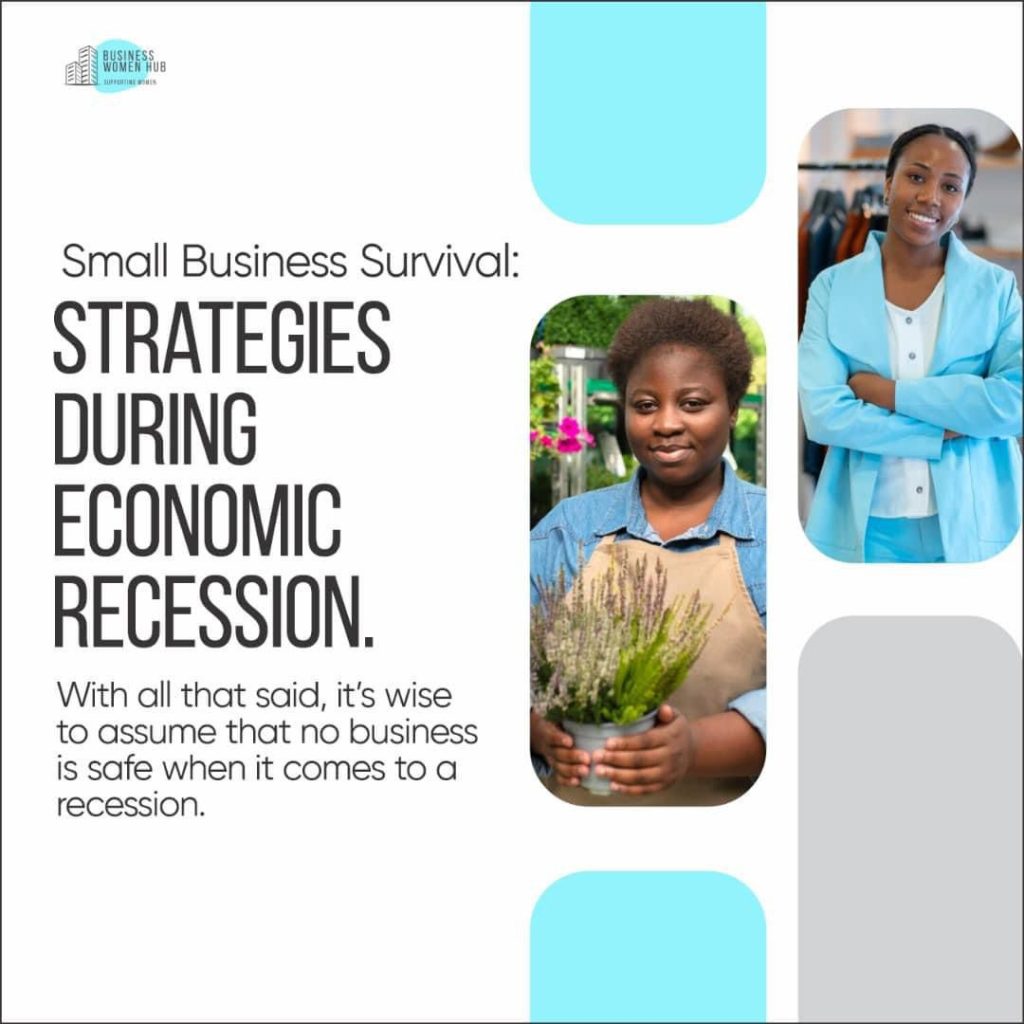
With all that said, it’s wise to assume that no business is safe when it comes to a recession. So here are some strategies for business survival during a recession you can employ to give your business the best chance.

Cut or reduce unnecessary costs


This is an obvious one but it’s by no means a silver bullet solution, nor is it sustainable. However, when times turn tough you might want to consider the following:
1.Negotiating down your monthly rent and any other supplier costs

2. Find cheaper vendors for utilities and cut any non-essential technology costs

3. Delay payables and collect receivables sooner

4. Consider whether poorly performing employees are worth retaining

5. Look at flexible staffing options

Nurture your existing customer base

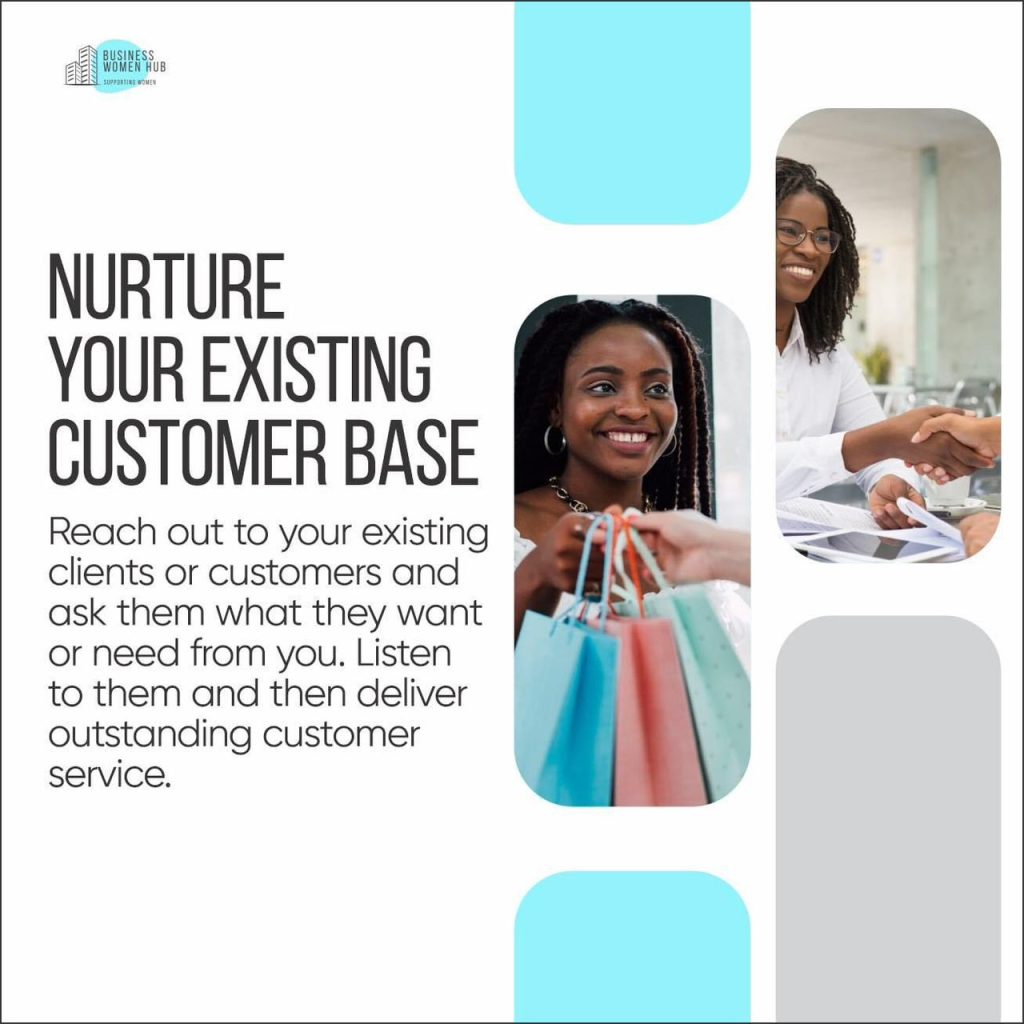
Reach out to your existing clients or customers and ask them what they want or need from you. Listen to them and then deliver outstanding customer service. If your existing customer base is nurtured throughout a difficult time, they are more likely to be loyal and recommend you to their networks. You might even consider cutting the bottom 20% of your worst-performing customer base to ensure you’re devoting precious resources to those that are worth it.

Support the employees you’re retaining

A recession naturally provokes anxiety and fear, especially if costs are being cut and employees are being furloughed or even laid off. Letting your poorest-performing employees go may be a step you need to take. If so, build morale and motivation in the employees you’re retaining by clearly communicating with your staff what is happening within the business. Try to involve them in the decision-making process, so they can feel included and part of the solution. Motivate them to work hard because you’re all in it together.

Build relationships

Always keep the lines of communication open. Get out there, network and build relationships. Keep your ears open, your eyes peeled and your thinking outside the box because you’re going to need your wits about you to spot those much-needed opportunities.

Posted on Leave a comment

Attract More Online Traffic and Customers to your Small Retail Business with these 4 Innovative Techniques

Attract More Online Traffic and Customers to your Small Retail Business with these 4 Innovative Techniques

As a small retail business owner, you might not have funds or technical know-how to run expensive, complicated paid ads. That’s why it is essential to optimize your budget and implement tried-and-trusted strategies to get the best return on your ad spend.

Implement geo-specific targeting

Implementing geo-specific targeting allows you to focus your advertising efforts on people who are most likely to convert into real customers.

  1. First, determine the locations you wish to target.
  2. Log into your ads account and select the campaign you want to target geographically.
  3. Use the targeted locations as keywords in your ad copy.
  4. Monitor your ad analytics to assess the number of clicks, calls, or conversions generated by your targeted ads, then refine your strategy accordingly.

Increase Relevance with Clustering and Ad groups

To identify negative keywords, review past campaigns to see if any irrelevant keywords triggered your ads. Further, brainstorm any common terms that don’t align with your products or business.

  1. Log in to your Google Ads account.
  2. Choose the campaign or ad group where you want to add negative keywords.
  3. In the left-hand menu, click “Keywords,” and then select “Negative Keywords.”
  4. Click the “+” button to add new negative keywords. You can enter individual keywords or upload a list.
  5. Once you’ve added the desired negative keywords, click “Save” to apply them to your campaign.

Reduce Ad Spend by Adding Negative Keywords

Ad groups can then be used to house clusters of related keywords and the ads that target them. Using the same example as above, you might create separate ad groups for RTW, Bespoke, respectively. For each ad group, you’ll write tailored ad copy that specifically addresses the keywords in that group. Clustering ensures that your ads are matched with the most relevant search queries and the right types of customers, based on their interests. Grouping increases ad relevance, which can reduce your cost-per-click (CPC) and increase your ROl.

Increase Online Sales with Google Shopping ads

You can increase traffic online for your small business through google ads. Google or search engine ads are unique ads that are created using the product data directly from your Google Merchant Center account.

  1. Create a Google Merchant Center account.
  2. Set up your product feed.
  3. Upload your product feed to Google Merchant Center.
  4. Link your Google Merchant Center and Google Ads accounts.
  5. In the Google Merchant Center, navigate to the “Account Linking” section.
  6. Sign in to your Google Ads account and create a new campaign. Click on the “+ New Campaign” button, select
  7. “Sales” or “Leads” as your campaign goal, and then choose
  8. “Shopping” as the campaign type.

Posted on 1 Comment

HOW TO OPTIMIZE BUSINESS CASHFLOW

Optimizing business cash flow is crucial for maintaining financial stability and growth.
Here are some ways to achieve that:

Monitor and forecast cash flow & Implement cash flow budgets:  Regularly track and analyze your cash flow, predicting incoming and outgoing funds. This helps identify potential shortfalls or excesses and allows for proactive management. Also, Create and follow a comprehensive cash flow budget that aligns with your business goals. This ensures better financial planning and allocation of resources.

Improve cash collection & Streamline accounts payable : Implement efficient and timely invoicing processes to ensure prompt payment from customers and negotiate favorable terms with suppliers and consider extending payment terms without incurring penalties. Automate payment processes wherever possible to ensure accuracy and timeliness.

Reduce expenses & Optimize pricing strategies : Regularly review and identify areas where expenses can be minimized and evaluate your pricing structure to ensure it aligns with market trends and covers costs while maintaining competitiveness.

Manage debt effectively & Seek Professional Advise : Keep a manageable level of debt and prioritize debt payments based on interest rates and terms also, consult with financial advisors or accountants to gain expert insights into optimizing cash flow and implement strategic financial management techniques.


Posted on Leave a comment

ELEMENTS OF A SUCCESSFUL BUSINESS IDEA

An element of a business idea refers to a specific component or aspect that contributes to the overall concept and viability of a business venture.

Here are a few key elements commonly found in a business idea:

Clear Value Proposition: This is the most important element of a successful business idea. One need to identify the clear pain points, needs or problems of customers, and create a product or service that solves them. The value proposition should highlight how your product or service is unique and better than alternatives in the market. It should clearly define the benefits and the value that your customers can get, and how it is different from your competitors.

Market Validation: This is the process through which you validate the potential demand for your product or service. This can be done by conducting market research, studying the market trends, analyzing competitors, and gathering feedback from customers. Market validation helps to ensure that your business idea has a strong potential to succeed in the market.

Strong Business Model: A strong business model is crucial for success. It should be designed in a way that the company has multiple sources of revenue and is able to generate profits over time. The business model should be scalable, adaptable, and flexible enough to meet the changing needs of the market and customers.

Sustainability: This encompasses the social and environmental impact of the business. Ethical practices and long-term sustainability should be integrated into the core operations, ensuring responsible and conscientious business practices. By combining a well-defined business model with a strong focus on sustainability, businesses can strive for long-term success while positively impacting society and the environment.

These elements, when thoughtfully integrated and executed, contribute to the foundation and potential success of a business idea.