Posted on — Leave a comment

Small Wins, Big Dreams: Why Every Step in Your Business Journey Matters

You don’t have to achieve something extraordinary every day to be making progress. Sometimes, the little things you do consistently are what bring your biggest dreams to life.

As women in business, it’s easy to get caught up in the pursuit of bigger sales, more customers, greater visibility, and business expansion. We often focus so much on where we want to be that we forget to appreciate how far we’ve come.

Think about the first customer who trusted your business, the difficult task you finally completed, the positive feedback you received, or the lesson you learned from a mistake. These moments may seem small, but they are all part of your growth.

Celebrating your small wins isn’t about becoming comfortable with where you are. It’s about recognising your progress, appreciating your efforts, and finding the motivation to keep going.

Here are four ways to make celebrating your small wins a part of your business journey.

Every Small Step Counts

You don’t need to hit a huge sales target or land a major client before you can feel proud of yourself. Every new customer, completed project, improved skill, and lesson learned is a sign of progress.

Instead of focusing only on what you haven’t achieved, take a moment to recognise what you’ve done. Perhaps you finally launched that product, became more consistent with your marketing, or handled a difficult customer better than you would have before.

Avoid comparing your progress with another entrepreneur’s journey. Everyone has different starting points, resources, and challenges.

Remember: You don’t have to be where someone else is to appreciate how far you’ve come.

Stop Waiting for the Big Break

Sometimes, we postpone celebrating until we secure that major contract, reach our sales target, or finally get the recognition we’ve been working towards. But what happens when those milestones take longer than expected?

If you only allow yourself to celebrate the big moments, you may overlook the many achievements that happen along the way.

Celebrate showing up consistently, receiving a customer’s positive review, making your first sale of the month, or improving on last month’s performance. You can even keep a simple record of your weekly achievements to remind yourself that your efforts are adding up.

Your celebration doesn’t have to be expensive. A peaceful break, a favourite meal, or sharing your achievement with someone who supports you can be enough.

Remember: Don’t wait until you reach your destination before appreciating the journey.

Celebrate Progress, Not Perfection

Running a business comes with mistakes, unexpected expenses, slow sales, and days when nothing seems to go according to plan. If you expect everything to be perfect before you celebrate, you may never give yourself enough credit.

Instead, focus on what each experience is teaching you. Maybe a marketing campaign didn’t bring the results you expected, but you learned more about your audience. Perhaps you lost a customer, but the experience helped you improve your service.

These lessons are valuable, too. Recognise when you’re making better decisions, handling challenges more confidently, or improving a process that once felt difficult.

Give yourself room to learn without treating every mistake as a failure.

Remember: Progress doesn’t have to be perfect to be worth celebrating. What matters is that you’re learning, improving, and moving forward.

Turn Small Wins into Bigger Motivation

Celebrating your achievements can remind you that your efforts matter, especially on days when business feels challenging. It allows you to reflect on what’s working and build the confidence to take your next step.

Make it a habit to review your progress at the end of each week. Write down what you accomplished, what you learned, and what you want to improve. Share your wins with people who genuinely support you, and let each milestone encourage you to set your next goal.

Remember to celebrate other women in business, too. Someone else’s success doesn’t take anything away from yours. There is room for everyone to grow, learn, and succeed.

Most importantly, keep showing up. Small efforts, repeated consistently, can lead to meaningful results over time.

Remember: You don’t need to have everything figured out to be proud of how far you’ve come.

Final Thoughts: Give Yourself Credit

Dear woman in business, don’t become so focused on building the business of your dreams that you forget to appreciate the woman you’re becoming along the way.

Every challenge you overcome, every customer you serve, every new skill you develop, and every step you take towards your goals deserves recognition.

There will always be another target to reach, another milestone to achieve, and another level to pursue. But you deserve to enjoy the progress you’re making today, too.

So, take a moment to look back. What have you accomplished recently that you haven’t given yourself credit for? Celebrate it. Learn from it. Let it remind you that you are capable of more.

Your small wins are not insignificant. They are proof that you’re showing up, growing, and building something meaningful, one step at a time. 💙

Posted on — Leave a comment

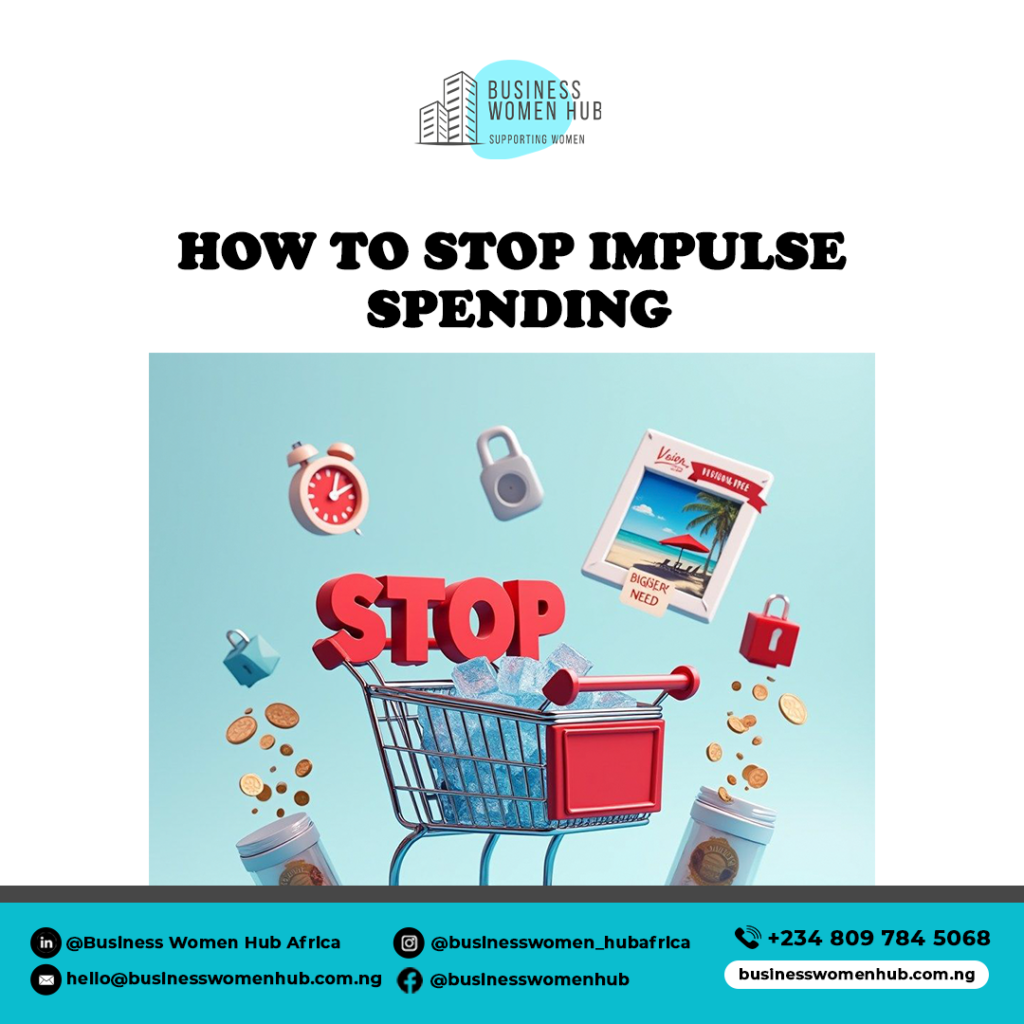
Shop Smart, Save More: 4 Simple Ways to Stop Impulse Spending and Take Control of Your Money

That “small treat” may not seem like much today, but repeated unplanned purchases can quietly eat into your savings. Here’s how to spend with intention, enjoy your money, and stay on track with your financial goals.

Have you ever gone online to check the price of one item and ended up buying three things you never planned for? Or walked into a shop for one essential item and came out with a bag full of extras?

You’re not alone! Impulse spending happens when we buy things on the spot without considering whether we truly need them or can afford them. Sometimes, it’s triggered by an exciting sale, a stressful day, boredom, or the feeling that we deserve a little treat.

While there’s nothing wrong with enjoying your money, frequent unplanned purchases can make it harder to save, manage expenses, and achieve your financial goals.

The good news? You don’t have to stop shopping altogether to improve your spending habits. You simply need to become more intentional about how you spend.

Here are four practical ways to get started.

Pause Before You Purchase

Sometimes, all it takes to make an unnecessary purchase is a quick thought: “I like it, so why not?” Before you know it, you’ve spent money you planned to use elsewhere.

The next time something catches your eye, pause before reaching for your wallet. Ask yourself whether you genuinely need it, whether it fits your budget, and whether you would still want it tomorrow.

Give yourself time to think, especially when buying non-essential items. If you’re saving for rent, business expenses, school fees, or an emergency fund, remind yourself of those goals before spending.

Remember: Not every desire needs to become a purchase. Sometimes, waiting is the smartest financial decision you can make.

Understand What Triggers Your Spending

Impulse spending isn’t always about the things we buy; sometimes, it’s about how we feel when we buy them.

You might shop when you’re stressed, bored, sad, or celebrating a good day. Social media can also make you feel like you need the latest fashion, gadgets, or skincare products to keep up with everyone else. And those “limited-time offers” can make you feel as though you’re missing out if you don’t buy immediately.

Start paying attention to what triggers your spending. Unfollow accounts that constantly tempt you to shop, find enjoyable activities that don’t require spending, and keep a simple record of purchases you didn’t plan for.

Over time, you’ll begin to notice patterns and recognise when you’re about to spend because of an emotion rather than a genuine need.

Remember: Understanding why you spend is an important step towards changing how you spend.

Create Money Rules That Protect Your Budget

Relying on willpower alone can be difficult, especially when attractive offers appear everywhere. That’s why creating simple spending rules can help you make better decisions even when temptation strikes.

Try waiting 24–48 hours before buying non-essential items. Set a monthly limit for shopping and entertainment, and make a list before going to the market or supermarket so you can focus on what you actually need.

You can also transfer your planned savings into a separate account as soon as you receive your income. This helps you avoid treating all the money in your account as available for spending.

For everyday purchases, having a clear spending limit can also help you stay accountable.

Remember: Financial discipline becomes easier when you build habits and systems that support your goals.

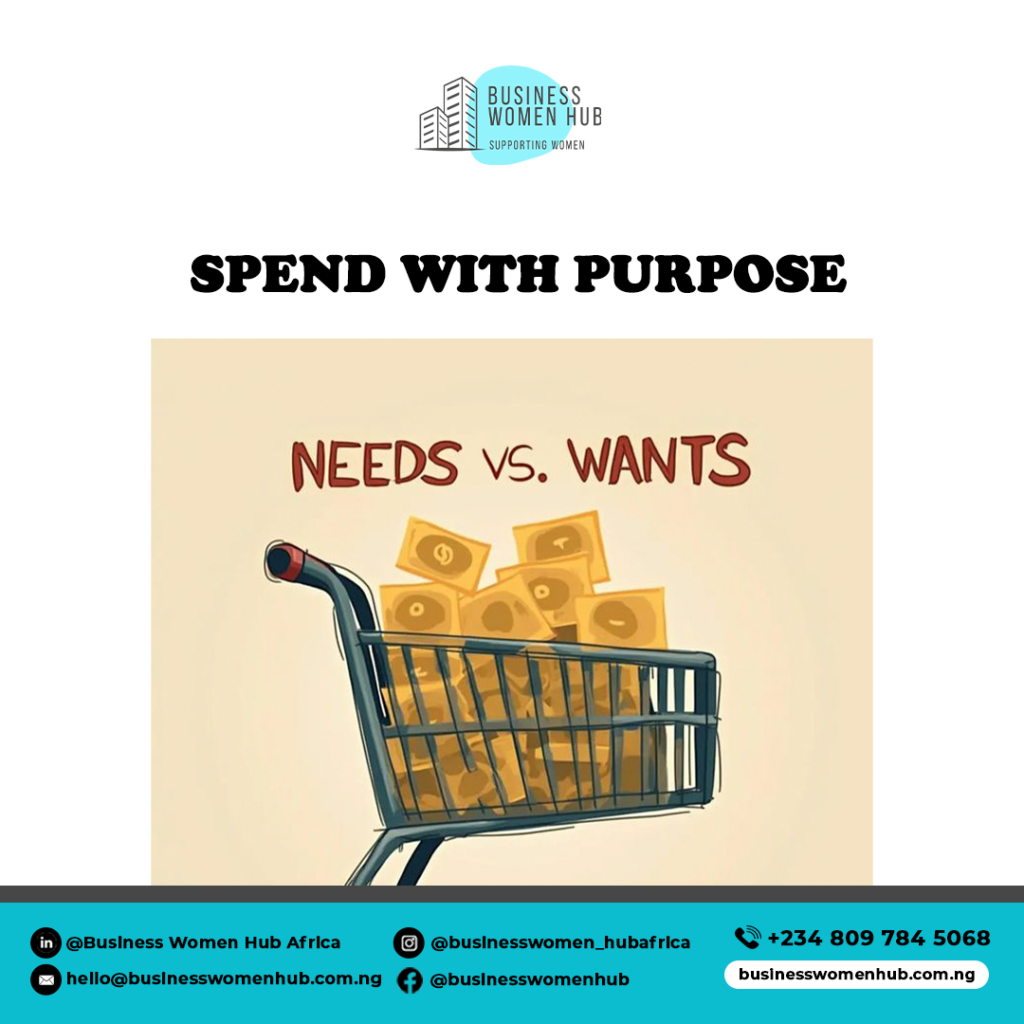
Spend With Purpose

Stopping impulse spending doesn’t mean denying yourself every little pleasure. It means making sure your spending reflects what matters most to you.

Before making a purchase, ask yourself: “Does this support the life I’m trying to build?”

Prioritise essentials, set aside money for savings, and create room in your budget for things you enjoy. If you want a new outfit, a weekend treat, or that lovely bag you’ve been eyeing, plan for it instead of buying it on impulse.

And if you make an unnecessary purchase, don’t spend the next few days beating yourself up. Review what happened, learn from it, and make a better choice next time.

Remember that your financial future is shaped by your everyday habits. Small amounts spent without a plan can add up, just as small, consistent savings can make a meaningful difference over time.

Remember: Every naira has a purpose. Spend intentionally, save consistently, and give your money a direction.

Final Thoughts

Taking control of impulse spending isn’t about being perfect with money. It’s about becoming more aware of your choices and learning to pause before making decisions that could affect your financial goals.

The next time you’re tempted to buy something you didn’t plan for, take a moment to think. You may discover that what you really want isn’t another purchase, but the peace of mind that comes from knowing your money is working towards something meaningful.

Your money should support the life you want to build, not just the things you want in the moment.

Start small, stay consistent, and remember: you can enjoy your money today while still preparing for tomorrow.

Posted on — Leave a comment

The Power of No: Why Saying No Can Help Your Business Grow

Sometimes, protecting your time, energy, and goals starts with one simple word: NO.

As women in business, we’re often expected to be available, helpful, accommodating, and ready to take on every opportunity that comes our way. So, saying “no” can feel uncomfortable.

You may worry about disappointing a client, losing an opportunity, upsetting someone, or being seen as difficult. But saying yes all the time can come at a cost. It can leave you overwhelmed, stretched too thin, distracted from your goals, and even frustrated with the very business you’re trying to grow.

Learning to say no doesn’t make you difficult or selfish. It means you understand your priorities, recognise your limits, and invest your time and energy intentionally.

Here are four things to remember:

No Is a Complete Sentence

You don’t have to say yes to every request simply because someone asked.

Your time, attention, and energy are limited, and not every request deserves access to them. Before agreeing to something, consider whether it fits into your priorities and whether you genuinely have the capacity to handle it well.

And remember, you don’t always need a long explanation. A simple, respectful “I’m unable to take this on at the moment” can be enough.

Your boundaries don’t need a five-paragraph explanation to be valid.

Say No Without Feeling Guilty

Sometimes, the hardest part of saying no is dealing with the guilt that comes afterward.

We may say yes because we don’t want to disappoint someone or because we’re afraid they’ll think we’re rude. But saying yes when you really mean no can leave you overwhelmed and resentful over time.

You can be kind without overcommitting. Be clear, polite, and firm. Where appropriate, you can suggest an alternative or another person who may be able to help.

And if someone doesn’t understand your boundary, that doesn’t automatically mean the boundary is wrong.

You are allowed to protect what matters to you without feeling guilty about it.

Not Every Opportunity Is Your Opportunity

Entrepreneurs are constantly told to “grab every opportunity.” But sometimes, the wisest business decision is to walk away. An opportunity can be good and still not be right for you.

Before saying yes, ask yourself:

  • Does this align with my business goals?
  • Do I actually have the capacity for it?
  • What will it cost me in time, money, or energy?
  • Will it move my business forward?
  • Am I choosing this because I want it, or because I’m afraid of missing out?

Not every opportunity needs your attention. Sometimes, choosing alignment over FOMO is what keeps you focused on the bigger picture.

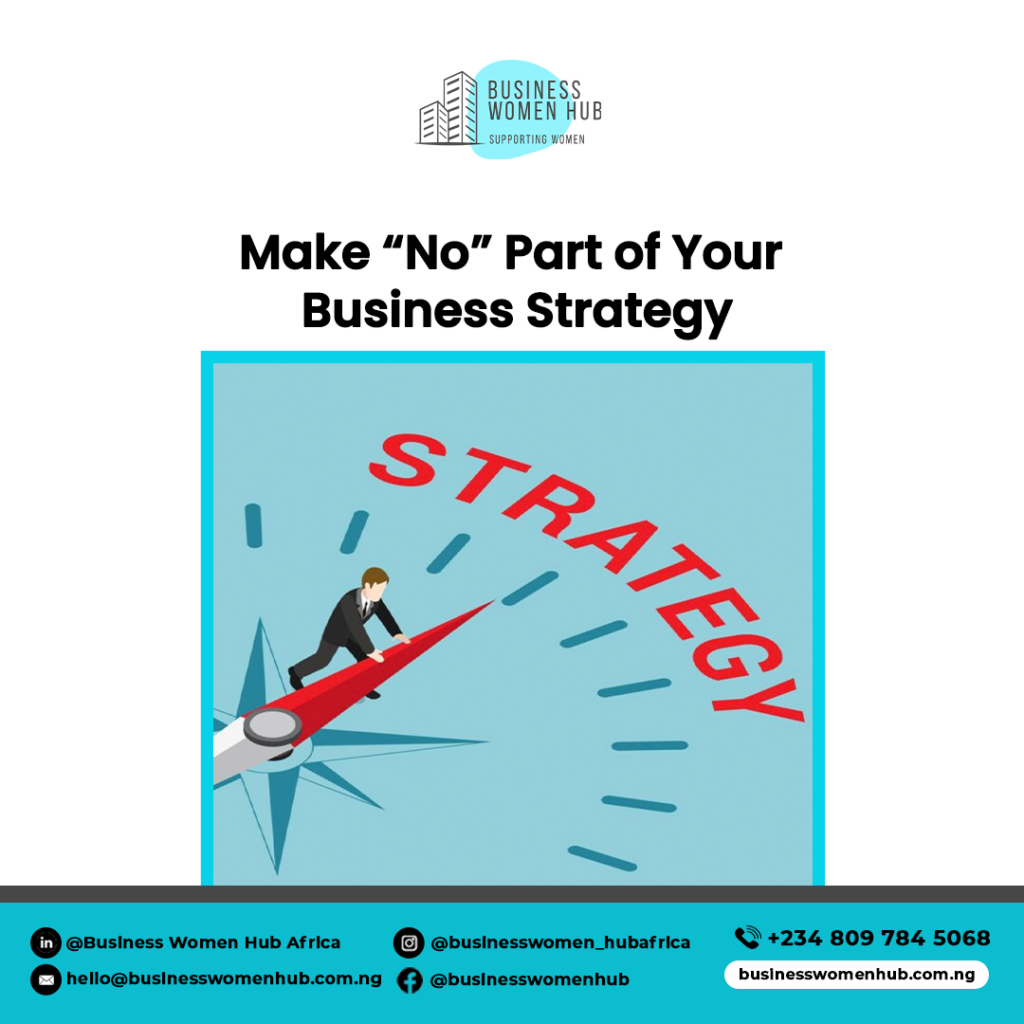
Make “No” Part of Your Business Strategy

Saying no isn’t only a personal boundary; it’s also a valuable business skill.

As your business grows, you’ll have to make decisions about the clients you work with, the projects you accept, the partnerships you pursue, and where you spend your time.

That means learning to say no to work that constantly drains you, commitments that distract you from your priorities, clients who repeatedly cross your boundaries, and pressure that makes you compromise your values.

The goal isn’t to say no to everything. It’s to become more intentional about what deserves a yes.

Because every time you say no to something that doesn’t serve your goals, you create more room for the things that do.

Final Thoughts

Saying no can feel uncomfortable at first, especially when you’re used to being the person who always helps, always shows up, and always says yes.

But your business cannot grow sustainably if you are constantly running on empty.

So, the next time you’re faced with a request or opportunity, pause before answering. Ask yourself whether it deserves your time, energy, and attention.

A confident “no” isn’t about closing doors. It’s about making room for the right ones.

Posted on — Leave a comment

Smart Business Strategies for Women Entrepreneurs: Work Smarter, Grow Better

Running a business can sometimes feel like a never-ending to-do list. There is always another customer to respond to, another order to fulfil, another post to create, and another task waiting for your attention.

But here’s the truth: being busy doesn’t always mean your business is growing.

Smart entrepreneurship is about knowing where to put your time, money, energy, and attention so that your efforts actually move your business forward.

So, how can you work smarter and build a business that is ready for growth? Here are four practical strategies every woman entrepreneur can put into action.

Work Smarter, Not Just Harder

You don’t have to do everything yourself to prove that you are serious about your business. Sometimes, the smarter move is to step back and identify what truly deserves your attention.

Start by focusing on activities that directly contribute to customers, sales, and business growth. Make better use of the resources you already have, whether that’s your time, money, technology, or professional connections.

Look for repetitive tasks that can be automated, and delegate responsibilities when you can. Most importantly, pay attention to what is actually producing results. If a strategy isn’t working, don’t keep doing it simply because you’ve always done it that way.

Remember: Working harder may keep you busy, but working smarter helps you make meaningful progress.

Make Your Money Work for Your Business

You can’t make good business decisions if you don’t understand what is happening with your money.

You don’t need to be an accountant or financial expert, but you should know your sales, expenses, revenue, and profit. These numbers help you understand whether your business is actually making money and where you may need to make changes.

Keep your business and personal finances separate, track your expenses, and think carefully before spending. Every business expense should have a clear purpose, whether it is helping you serve customers, improve your operations, or grow your business.

For example, making ₦500,000 in sales sounds great, but if your expenses take up ₦450,000, your actual profit tells a very different story.

Remember: Revenue shows what came in. Profit helps you understand what you actually made.

Build Relationships That Grow Your Business

Business isn’t only about what you sell. It is also about who knows you, trusts you, recommends you, and opens doors for you.

A strong relationship can lead to a new customer, a valuable referral, a business partnership, a collaboration, or even an opportunity you didn’t know existed.

Network intentionally and connect with people who can add value to your journey. But don’t make every relationship about what you can gain. Look for ways to support and provide value to others too.

And don’t forget to follow up. A great conversation can easily become a forgotten conversation if you never reconnect.

Be reliable, professional, consistent, and visible. Let people clearly understand what you do and how your business can help them.

Remember: Your network isn’t just a list of contacts. When built intentionally, it can become an important part of your growth strategy.

Adapt, Improve, and Stay Ahead

The business world never stays the same for long. Customer preferences change, technology evolves, competitors emerge, and new opportunities appear.

Instead of resisting change, make learning and adaptation part of your business strategy.

Listen to your customers because their questions, complaints, and feedback can reveal what they need next. Keep an eye on what is happening in your industry and continue learning new skills.

Most importantly, don’t be afraid to test new ideas. Try something, measure the results, learn from what happened, and make adjustments where necessary.

A strategy that worked perfectly last year may not produce the same results today. That doesn’t necessarily mean your business is failing; it may simply mean it is time to evolve.

Remember: Staying relevant requires the willingness to learn, adapt, and improve.

Build Smarter, Not Just Bigger

Growing a business isn’t about doing more things at the same time. It’s about doing the right things intentionally.

Work smarter with your time. Understand your money. Build meaningful relationships. Stay open to change.

These small but intentional shifts can help you spend less energy simply trying to keep up and more energy building a business that can grow sustainably.

Don’t just build a business that works today. Build one that can grow with tomorrow.

Posted on — Leave a comment

4 Common Mistakes That May Be Holding Your Business Back

Running a business comes with plenty of moving parts. There are customers to attend to, products to promote, orders to fulfil, content to create, and bills to pay. With so much to do, it is easy to feel like you are constantly working.

But here’s the question: Is all that activity actually moving your business forward?

Sometimes, the things holding a business back are not a lack of effort, but simple mistakes we may not even realise we are making.

Here are four common ones to look out for:

Being Busy Without a Clear Business Direction

Being busy all day can feel productive, but busyness is not the same as progress.

You can post every day, attend events, respond to messages, try different platforms, and still struggle to see meaningful growth if you don’t have a clear direction.

Start by asking yourself: What exactly am I trying to achieve with my business right now?

Set clear goals, identify the activities that contribute to those goals, and stop trying to do everything at once. Not every opportunity deserves your time, and not every trend needs your attention.

Most importantly, review your direction regularly. What is working? What isn’t? What should you stop, start, or improve?

Remember: Your goal is not to be busy. Your goal is to make meaningful progress.

Trying to Sell to Everyone

“I sell to everybody” may sound like a great business strategy, but in reality, it can make your marketing confusing.

When you don’t know who your ideal customer is, it becomes difficult to create content, offers, and messages that truly connect with the right people.

Think about the person who is most likely to need what you sell. What problem are they trying to solve? What do they care about? What would make them choose your business?

Use this understanding to shape your content and offers.

You don’t need everyone to buy from you. You need the right people to recognise that your business is for them.

Remember: The clearer you are about who you serve, the easier it becomes to communicate your value.

Forgetting About Customers After the Sale

Getting a customer is only the beginning of the relationship.

Too often, businesses put all their energy into getting new customers while forgetting the people who have already bought from them. Yet, a happy customer can return, recommend your business, and become a loyal supporter.

A simple follow-up message can go a long way. Ask if they received their order, find out if they are satisfied, and give them an opportunity to share feedback.

You can also stay connected by sharing useful content, relevant offers, or new products without constantly asking them to buy.

Remember: Don’t make your customer feel important only when you want their money. Build a relationship that makes them want to come back.

Refusing to Learn, Adapt, and Improve

What worked for your business two years ago may not work the same way today.

Customers change. Technology changes. Marketing changes. Even the way people discover and buy products keeps evolving.

This is why business owners need to keep learning and paying attention.

Listen to customer feedback. Look at your sales and marketing results. Learn new skills. Try new approaches. And when something is clearly not working, be willing to change it.

You don’t have to reinvent your business overnight completely. Sometimes, a small improvement in your customer service, packaging, marketing, pricing, or online presence can make a meaningful difference.

Remember: Mistakes are part of business. The real problem is refusing to learn from them.

Final Thoughts

Growing a business isn’t always about working harder. Sometimes, it is about working with more clarity, understanding your customers better, nurturing the relationships you’ve already built, and being willing to improve.

Take a moment to look at your business honestly. Which of these mistakes might be holding you back?

The good news is that recognising the problem is already the first step towards making a change.

Posted on — Leave a comment

Growing Your Business Without Losing Yourself: How to Manage Stress and Protect Your Peace

Building a business can be exciting, rewarding, and fulfilling, but let’s be honest, it can also be stressful.

There are customers to respond to, orders to fulfil, content to create, bills to pay, deadlines to meet, and decisions to make. Sometimes, it can feel like everything needs your attention at once.

But while growth is important, your peace and well-being matter too.

Success should not mean being constantly exhausted, overwhelmed, or unable to switch off from work. As you grow your business, build habits that help you manage stress and protect your energy.

Here are four practical ways to do that:

Growth Shouldn’t Cost You Your Peace

It is easy to feel like you must do everything every day. But having a long list of tasks does not mean everything is equally important.

Start each day by identifying your top three priorities. Focus on what truly needs your attention and allow less important tasks to wait.

Also, permit yourself to take short breaks. Step away from your screen, stretch, take a walk, or simply sit quietly for a few minutes. When you feel overwhelmed, pause and take a few slow, deep breaths before responding to a customer or making an important decision.

Most importantly, set boundaries around your work. Decide when your workday starts and ends, and try not to constantly check business messages outside those hours.

Rest is not wasted time. Sometimes, stepping away from work is exactly what helps you return with a clearer mind and better ideas.

✨ Today’s action: Write down everything currently stressing you about your business. Separate the things you can control from those you cannot, and focus your energy on what you can actually act on.

Stop Trying to Do Everything Yourself

One of the biggest causes of entrepreneurial stress is the belief that everything has to pass through you.

You may be answering customers, creating content, packaging orders, keeping records, handling social media, and still trying to plan your next big business move. Eventually, something has to give.

Start by identifying one task you don’t personally need to handle and delegate it. If you cannot delegate it yet, consider whether it can be automated, postponed, simplified, or removed altogether.

Simple tools can also take repetitive tasks off your plate, from scheduling posts and sending reminders to managing invoices and routine communication.

And learn to say no when necessary. Not every opportunity is the right opportunity, and not every request deserves your time.

Asking for help does not mean you are incapable. It means you understand that sustainable growth requires support.

✨ Today’s action: Look at your workload and choose one task you can delegate, automate, postpone, or eliminate.

Manage Your Time, Manage Your Stress

When every task feels urgent, it becomes difficult to know where to start. Poor time management can leave you jumping from one task to another without actually finishing anything.

A simple plan can make a big difference. Before going to bed, write down your priorities for the next day. This helps you start your morning with direction instead of immediately feeling overwhelmed.

You can also use time blocks to give different parts of your business their own space. For example, set aside specific periods for content creation, customer service, administrative work, or order processing.

Try to avoid multitasking as much as possible. Give one important task your full attention before moving to the next.

And remember to move your body throughout the day. Stand up, stretch, walk around, or step outside between tasks. Even a few minutes away from your desk can help you reset.

You also don’t have to be available every minute. Give yourself periods where you are not responding to business messages so you can concentrate on the work in front of you.

✨ Today’s action: Set a timer for 25–30 minutes and focus completely on one important task. Then take a five-minute break before continuing.

Build a Business That Supports Your Life

The goal of growing a business should not be to become permanently exhausted. Your business is a part of your life, not your entire life.

As your business grows, start creating systems that make your work easier. Document tasks you do repeatedly so that you, or someone working with you, can follow a process without you having to explain everything each time.

Make room for recovery too. Protect time for sleep, exercise, family, hobbies, social activities, or simply doing nothing. These things are not distractions from your business; they help you show up as your best self.

At the end of your workday, create a simple shutdown routine. Review what you have completed, write down what needs attention tomorrow, and consciously permit yourself to stop working.

And don’t forget to celebrate your progress.

Entrepreneurs often focus so much on what is left to do that they forget to appreciate how far they have come. Every customer served, sale made, challenge overcome, and milestone reached is progress.

✨ Today’s action: Create your own simple “stress-free business routine.” Choose three things you will do every day to protect your energy, such as prioritising three tasks, taking regular breaks, and disconnecting from work at a set time.

Your Business Can Grow Without You Burning Out

Building a successful business takes commitment, but it should not require you to sacrifice your peace every step of the way.

You do not have to do everything today. You do not have to handle everything alone. And you do not have to be available all the time.

Give your business room to grow, but give yourself room to breathe too.

Because sustainable success is not just about how much your business grows. It is also about building a business that allows you to grow, rest, live, and enjoy the journey along the way.

Posted on — Leave a comment

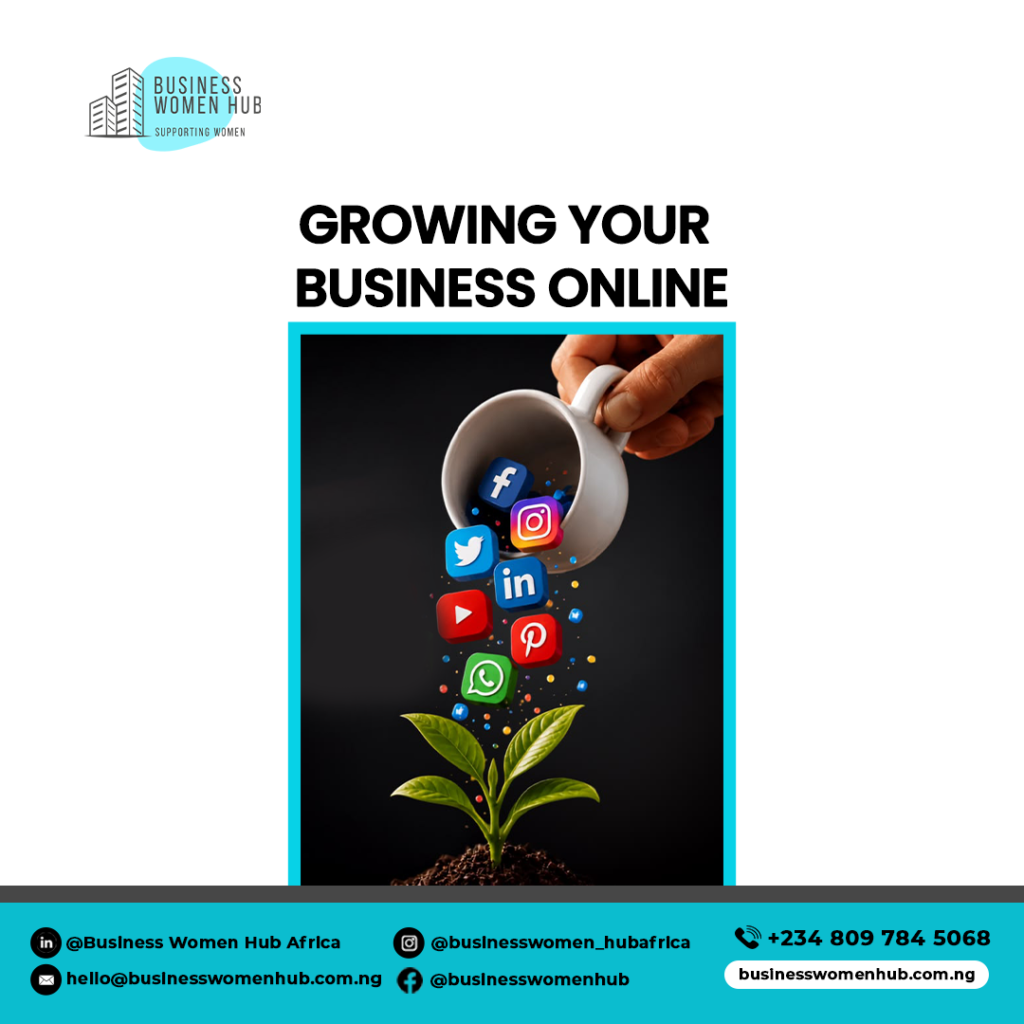
From Being Online to Growing Your Business: 4 Steps to Turn Digital Visibility into Real Growth

Your customers are online. They are searching, comparing, asking questions, discovering new brands, and making purchasing decisions every day.

So if your business isn’t visible online, you could be missing opportunities to connect with people already looking for what you offer.

But here’s the thing: being online is only the beginning.

Having a social media page, posting occasionally, or gaining followers does not automatically translate into business growth. To truly grow online, you need to build a strong foundation, attract the right audience, turn attention into sales, and stay consistent with a strategy that works.

Here are four important steps to help you move from simply being online to actually growing your business online.

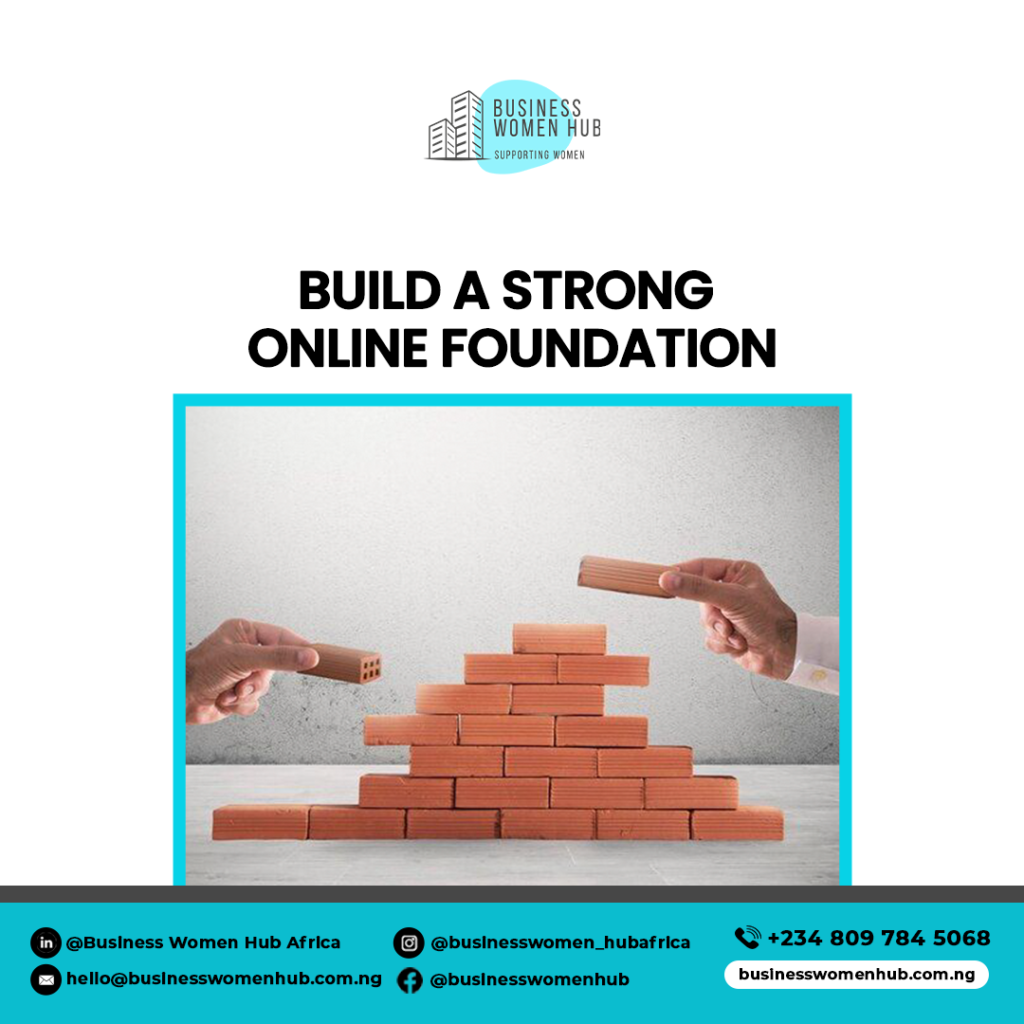
Build a Strong Online Foundation

Before you focus on growing your audience, make sure your business is easy to find, understand, and trust.

Think about what happens when a potential customer discovers your business for the first time. Can they immediately tell what you sell? Do they know who your products or services are for? Can they easily contact you or place an order?

Your online presence should answer these questions clearly.

Start by:

  • Defining your online presence: Be clear about what your business offers, who you serve, and what makes your brand different. Your profile, content, and messaging should communicate this consistently.
  • Choosing the right platforms: You don’t have to be everywhere. Focus your energy on the platforms where your ideal customers are most active.
  • Creating a professional profile: Your profile picture, bio, business description, contact information, photos, and other details should make potential customers feel confident about doing business with you.
  • Showing up consistently: One post today and silence for the next three weeks won’t do much for your visibility. Consistency helps people remember your brand and builds familiarity and trust over time.
  • Making it easy to buy: Don’t make customers search endlessly for how to place an order. Provide a clear way to contact you, shop your products, make enquiries, or complete a purchase.

Remember: If customers can’t find you online, they may never discover what your business has to offer.

Turn Visibility into Engagement

Getting people to see your business is important, but visibility alone isn’t enough.

The next step is to turn that visibility into engagement.

Your content shouldn’t simply fill up your social media feed. It should give people a reason to stop, pay attention, respond, share, save, ask questions, or start a conversation with your brand.

Here’s how you can increase engagement:

  • Know your audience: Create content based on the questions, challenges, needs, interests, and desires of the people you want to serve.
  • Share value: Don’t make every post about selling. Educate your audience, solve problems, share useful tips, inspire them, or entertain them. When your content is valuable, people have a reason to keep coming back.
  • Tell your story: People want to know the person and purpose behind a business. Share your journey, lessons, experiences, challenges, wins, and the reason you started.
  • Encourage interaction: Ask questions. Invite opinions. Create conversations. And when people comment or send messages, respond. Engagement is a two-way street.
  • Use clear calls-to-action: Don’t assume people automatically know what to do next. Tell them. Whether you want them to visit your store, send a message, leave a comment, share a post, or place an order, make the next step clear.

Remember: People don’t just buy products; they connect with brands they trust and relate to.

Turn Online Attention into Sales

Likes, comments, views, and followers can be exciting, but they aren’t the final goal of a business.

Business growth happens when attention turns into action, and action turns into sales.

Your online presence should guide potential customers through a journey: from discovering your business, to becoming interested, to trusting your brand, and eventually making a purchase.

Here’s how to make that happen:

  • Showcase your products clearly: Use quality photos and videos. Provide useful descriptions, prices, sizes, features, and other information customers need to make a decision.
  • Highlight the benefits: Don’t only tell people what your product is. Show them why they need it. Explain the problem it solves, the convenience it provides, or the result it can help them achieve.
  • Build trust: Customer testimonials, reviews, experiences, user-generated content, and real results can help potential buyers feel more confident about choosing your business.
  • Make buying simple: Every additional step between interest and purchase creates an opportunity for a customer to change their mind. Make your ordering and payment process as straightforward as possible.
  • Follow up: Not everyone who shows interest will buy immediately. Some people need more information, time, or a reminder. Following up professionally can turn a missed opportunity into a customer.

Remember: Visibility gets you noticed, but a good customer journey gets you paid.

Grow with Consistency and Strategy

There is no magic formula that makes a business successful online overnight.

Sustainable online growth takes consistency, learning, testing, patience, and improvement.

You don’t need to chase every trend or be present on every platform. What matters is building an online presence that consistently works towards your business goals.

Keep growing by:

  • Tracking what works: Pay attention to the content, products, offers, and strategies that generate meaningful results. Use what you learn to make better decisions.
  • Staying consistent: Some days your engagement may be high. Other days, it may feel like nobody is paying attention. Don’t let a slow day convince you to disappear. Keep showing up.
  • Learning and adapting: The digital space is constantly changing. Customer behaviour, platforms, trends, and expectations evolve. Be willing to learn, experiment, and adjust your approach.
  • Promoting your business: Don’t simply wait for customers to find you. Regularly remind people what you sell, what you offer, where they can shop, and how they can do business with you.
  • Continuously improving: Your online presence should evolve alongside your business. As your products, audience, goals, and brand grow, your digital strategy should grow with them.

Remember: Online growth isn’t about going viral. It’s about being visible, valuable, and consistent.

Ready to Grow Your Business Online?

Start with one thing today. Review your online presence and ask yourself: Can my ideal customer find me, understand what I offer, trust my brand, and easily buy from me?

If the answer is yes, you’re on the right track. If not, you now know exactly where to begin.

Posted on — Leave a comment

Stop Doing Everything Yourself: How Automation Can Help Your Small Business Work Smarter

Running a small business can sometimes feel like having ten different jobs at once.

You’re responding to customers, processing orders, creating social media content, following up with leads, tracking sales, managing finances, and still trying to find time to actually grow the business.

And because you’re used to doing everything yourself, it can be difficult to imagine another way. But here’s the good news: your business doesn’t have to depend on you manually handling every single task.

This is where automation comes in.

Automation allows simple systems and digital tools to take care of repetitive tasks for you. It doesn’t mean removing the human side of your business. Instead, it helps you spend less time on routine work and more time on the things that truly need your attention – such as strategy, sales, relationships, and growth.

Work Smarter, Not Harder

One of the biggest advantages of automation is the time it can save.

Start by paying attention to the tasks you repeat every day or every week. Do you send the same welcome message to every new customer? Answer the same questions repeatedly? Send similar reminders? Schedule social media posts manually? These are the kinds of tasks that could potentially be automated.

Here’s how to get started:

  • Identify repetitive tasks: Look for activities you perform repeatedly.
  • Start small: Choose one task to automate instead of trying to automate your entire business at once.
  • Use the right tools: Select simple, affordable tools that suit your business and your level of technical experience.
  • Use your saved time intentionally: Put the extra time into sales, business strategy, customer relationships, and growth.

Remember, automation is not about replacing you. It’s about reducing unnecessary workload.

You didn’t start your business just to spend your entire day doing repetitive administrative tasks. Build systems that help your business work better, even when you’re busy.

Automate Your Customer Experience

Customers value speed and convenience. When someone sends you a message, they want a response. When they place an order, they want to know what is happening. When they show interest in your product, a timely follow-up can make the difference between a lost sale and a completed purchase.

But as your business grows, manually keeping up with every customer can become overwhelming. Automation can help you remain responsive without having to be online every minute of the day.

Some customer tasks you can automate include:

  • Welcome messages: Give new customers a warm first impression as soon as they reach out.
  • Frequently asked questions: Prepare quick responses to common questions about prices, products, delivery, payment, opening hours, and more.
  • Order updates: Keep customers informed about their orders without having to send every update manually.
  • Follow-ups: Remind potential customers about products they showed interest in and check in with existing customers after a purchase.
  • Customer reminders: Schedule reminders for appointments, promotions, important announcements, or upcoming events.

However, there’s one important rule: automation should still feel human.

Customers should not feel like they are talking to a machine at every stage of their buying journey. Use automation to make communication easier and faster while keeping your brand’s personality and warmth.

Put Your Marketing on Autopilot

Marketing is essential for business growth, but constantly trying to remember what to post, when to send an email, or when to follow up with a potential customer can become exhausting.

Automation can help you remain visible and consistent without having to start from scratch every morning.

For example, instead of waking up every day wondering what to post, you can plan your content in advance and schedule it to go out automatically.

Here are a few ways to automate your marketing:

  • Schedule your content: Plan your social media posts ahead of time.
  • Create email sequences: Automatically welcome new subscribers and nurture potential customers.
  • Set reminders: Schedule reminders for promotions, campaigns, events, and important marketing activities.
  • Reuse successful content: Turn a popular post into a video, carousel, email, blog post, or another piece of content.
  • Track your results: Use simple analytics tools to understand what content and campaigns are generating results.

The goal isn’t to be online 24/7. The goal is to build a system that keeps your business visible even when you’re busy working on other things.

Consistency becomes much easier when you have systems supporting you.

Build a Business That Doesn’t Depend on You for Everything

Imagine taking a day off without worrying that everything will come to a standstill.

That’s one of the bigger goals of building systems in your business.

A business that depends on the owner for every single decision, response, process, and task can quickly become exhausting. But when you document processes and create clear workflows, you make it easier for tasks to be completed consistently.

Start building better systems by:

  • Documenting your processes: Write down how important tasks are done so they don’t exist only in your head.
  • Automating repetitive work: If a task follows the same pattern every time, consider whether a tool can handle part or all of it.
  • Creating clear workflows: Make it easy to understand what happens first, what comes next, and who is responsible.
  • Reviewing your systems regularly: Automation is only useful if it actually saves time and improves your results.
  • Continuously improving: As your business grows, your systems should grow with it.

The more structure you build into your business, the less chaos you have to manage.

You Don’t Need a Big Business to Start Automating

Automation isn’t only for large corporations with huge teams and expensive technology. Small businesses can start with simple systems too.

You might begin with something as straightforward as scheduling your social media posts, setting up automated customer responses, creating email reminders, or documenting a process you repeat regularly.

The important thing is to start somewhere.

Don’t wait until your business becomes so busy that you’re completely overwhelmed. Start building systems now that can support the business you want to have in the future.

Posted on — Leave a comment

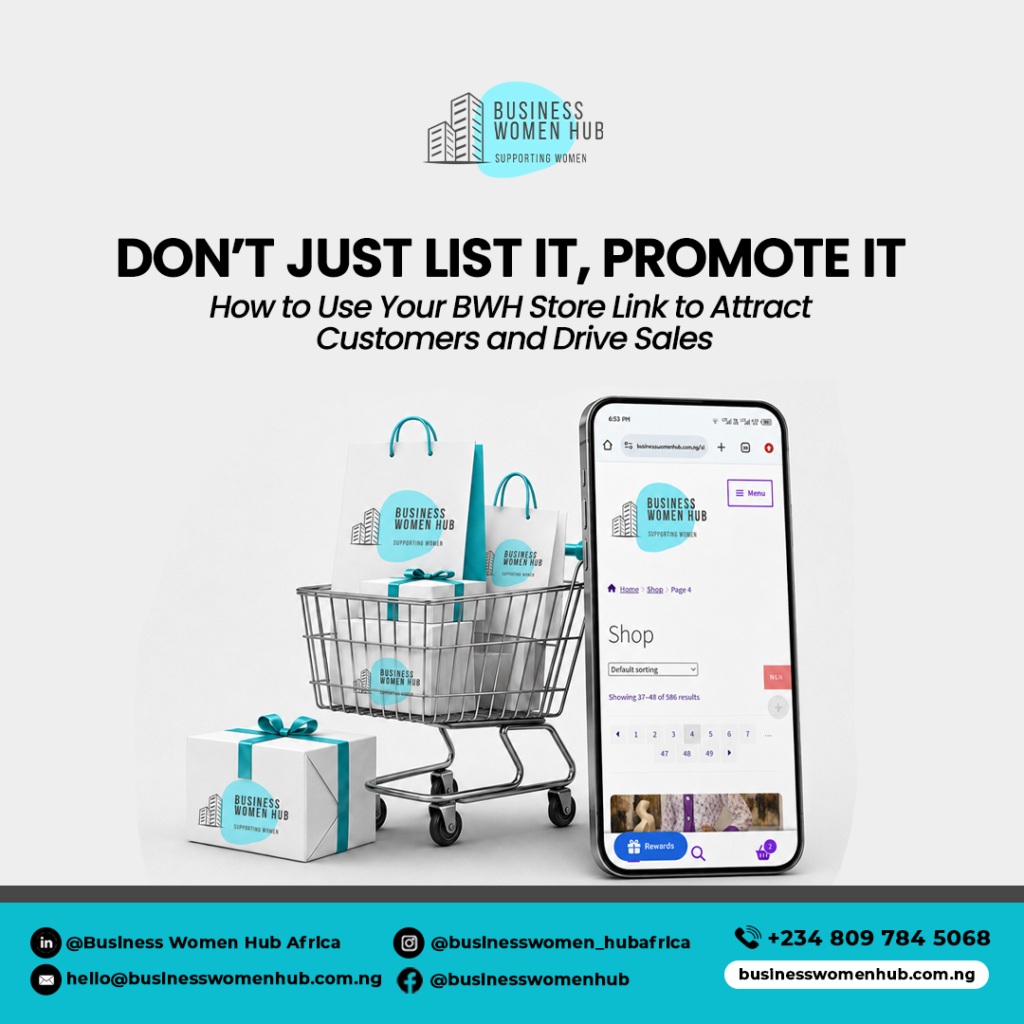
Don’t Just List It, Promote It: How to Use Your BWH Store Link to Attract Customers and Drive Sales

Your products are listed. Your BWH Store is ready. But here’s the real question: how many potential customers actually know where to find it?

Having your products listed on the BWH Global Storefront is a great first step, but listing alone is not enough. To attract customers and increase your chances of making sales, you need to actively promote your store.

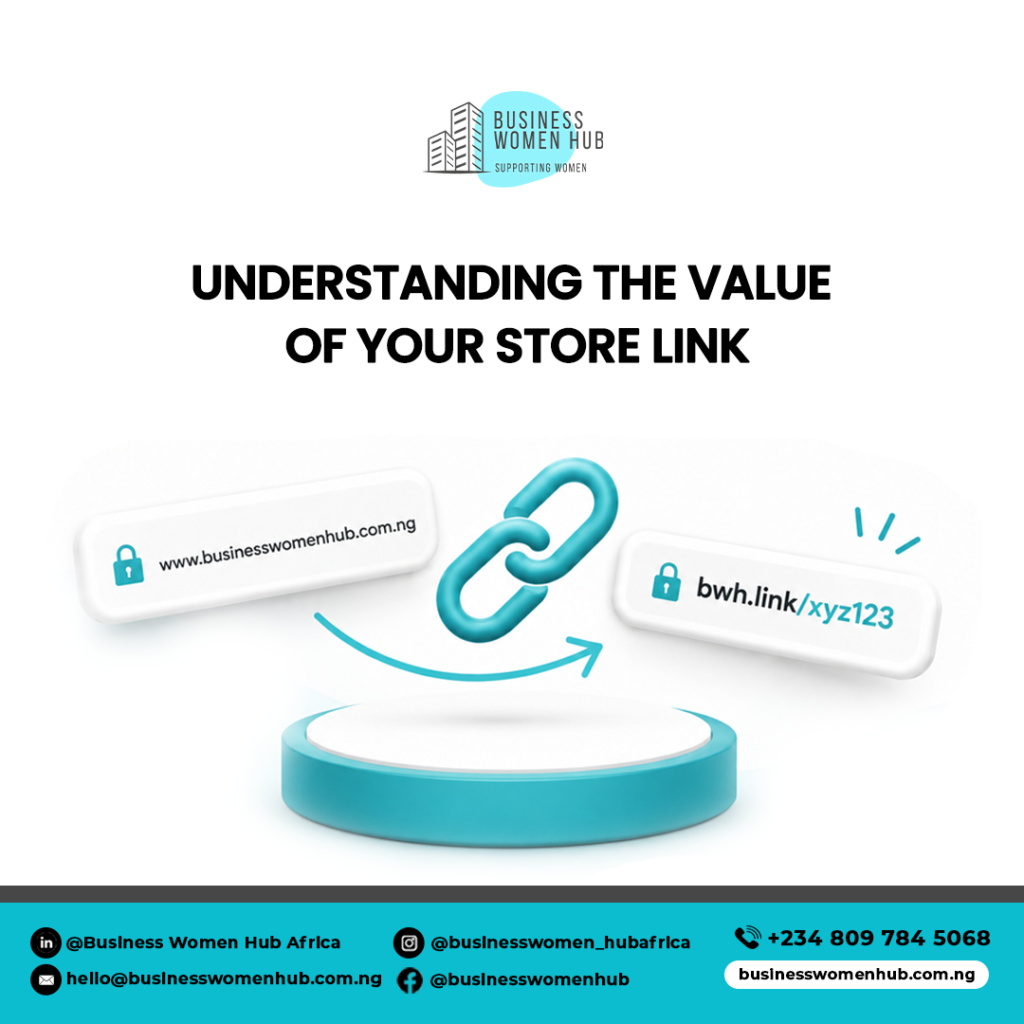
Your unique BWH Store link is more than just a URL. It is your personal online shop address, a direct pathway that takes potential customers from discovering your business to exploring your products and making a purchase.

Here’s how to make the most of it.

Understand the Value of Your Store Link

Your store link can be a powerful tool for visibility, convenience, and sales. Every time you share it, you allow more potential customers to discover your business and explore what you have to offer.

Here’s why your store link matters:

  • It makes shopping easy: Customers can view your products and shop directly without unnecessary back-and-forth.
  • It gives your business more visibility: Every time you share your link, you introduce your store to more potential customers.
  • It promotes all your products: One link can lead customers to your entire collection, not just one product.
  • It works for you 24/7: Your store can be visited and explored even when you are not actively online.
  • It gives customers a direct path to buy: Instead of saying, “Send me a DM,” give them a link that takes them straight to your store.

Your store link is not just a link; it is a sales tool. But like every good tool, it only works when you actually use it.

Put Your Store Link Where Customers Can Easily Find It

Your store link cannot attract customers if it stays hidden. The goal is simple: make it easy for people to move from seeing your business to shopping from your business.

Some of the best places to share your BWH Store link include:

  • Your social media bio: Add it to your Instagram, TikTok, Facebook, LinkedIn, and other relevant profiles.
  • Your WhatsApp Status: Regularly share your products and direct viewers to your store.
  • Your WhatsApp Business profile: Make your store link easily accessible to customers who contact you.
  • Your social media posts and captions: Promote specific products and lead people directly to your store.
  • Your broadcast messages: Share your store link with existing customers when you launch new products, introduce offers, or restock popular items.

Don’t wait for customers to ask, “Where can I shop?” Make the answer obvious. The easier you make it for people to shop, the easier it becomes for you to sell.

Give People a Reason to Click

Simply posting your store link with “Shop here” every day may not always be enough to get people excited.

People do not always click because they see a link. They click because something has captured their attention. So, get creative with how you promote your products and your store.

Here are a few ideas:

  • Show Your Products in Action: Create product-focused content that shows your products being used, worn, prepared, or enjoyed. Then end with a clear invitation to shop through your store link.
  • Share Customer Reviews: Positive feedback builds trust. Share customer reviews, testimonials, or photos and direct interested customers to your store to shop.
  • Create a Sense of Urgency: Promote limited offers, new arrivals, best-selling products, or products with limited availability. Give customers a reason to act now rather than later.
  • Tell a Story: Share the story behind a product, your brand, or a memorable customer experience. A good story can create an emotional connection and make people more interested in what you sell.
  • Create Themed Collections: Promote products around occasions, seasons, customer needs, or specific interests. For example, instead of simply promoting individual products, you could create content around themes such as: Back-to-school essentials, Gifts for her, Weekend treats, New arrivals, etc.

The goal is to make your promotion interesting enough to stop people from scrolling, and compelling enough to make them click.

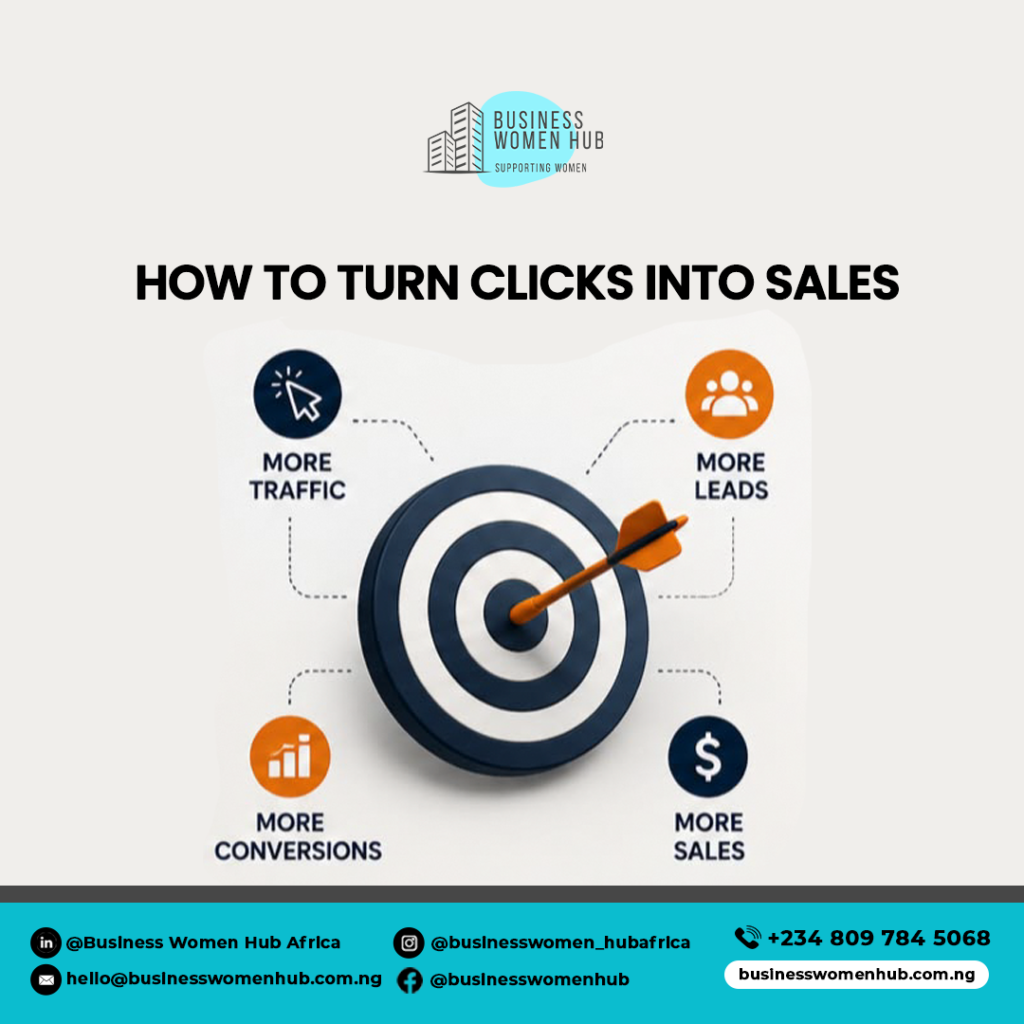
Turn Your Clicks into Sales

Getting people to click your store link is exciting, but the real goal is to turn those clicks into actual sales. Once a potential customer visits your store, your products and presentation should encourage them to take the next step.

Here’s how to increase your chances of turning clicks into sales:

  •  Use clear product images: Let customers see exactly what they are buying.
  • Write helpful product descriptions: Clearly explain what the product is, its benefits, and important details.
  • Keep your store updated: Remove unavailable products and add new ones regularly.
  • Price clearly: Customers should be able to understand what they are paying for without confusion.
  • Promote your best products: Use your strongest products to attract attention and lead customers into your store.

Remember: Promotion gets customers to your store, but a well-presented store helps convince them to buy.

Your Store Link Should Be Part of Your Sales Strategy

Your BWH Store is ready. Your products are listed. Now, it is time to make sure people know where to find you.

Don’t treat your store link as something you only share once in a while. Make it part of your regular marketing strategy. Include it in your content, conversations, product promotions, customer communication, and online presence.

The more strategically you promote your store, the more opportunities you create for people to discover your products.

Don’t just list it and wait. Promote it. Attract attention. Drive traffic. And turn visibility into sales.

Your store is open. Let people know where to shop.

Posted on — Leave a comment

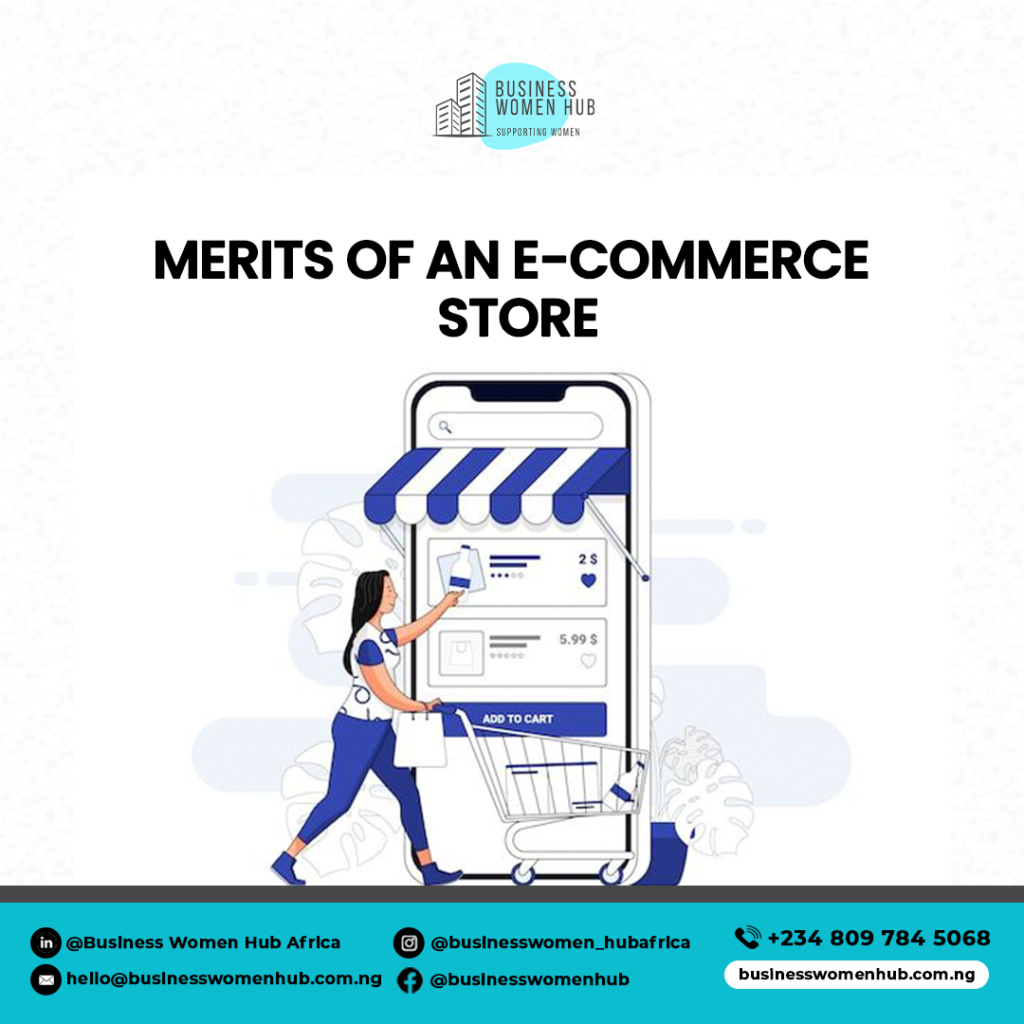
Beyond the Shop: 4 Powerful Merits of Having an E-Commerce Store

In today’s fast-moving digital world, having a physical business location is no longer the only way to reach customers. An e-commerce store can help you take your products beyond your immediate environment, make shopping easier, build trust, and create systems that support long-term growth.

Whether you run a food business, fashion brand, beauty business, service-based business, or retail store, an online storefront can open your business up to opportunities you may never have imagined.

Here are four powerful ways an e-commerce store can benefit your business.

Take Your Business Beyond Your Location

Your business shouldn’t be limited to the customers who live or work around you.

With an e-commerce store, customers can discover your products from different cities, states, and even countries. Your location may be where your business operates, but it doesn’t have to determine how far your products can travel.

An online store allows you to:

  • Reach more customers: Sell beyond your immediate community and expand your customer base.
  • Stay open 24/7: Customers can browse your products and place orders even when you’re not available.
  • Break geographical barriers: You can serve customers who may never visit your physical store.
  • Enter new markets: Your online presence can introduce your products to an entirely new audience.
  • Increase visibility: A well-presented storefront makes it easier for potential customers to discover your business.

The takeaway: Don’t let geography put a limit on your ambition. Your business can go much further when your products are available online.

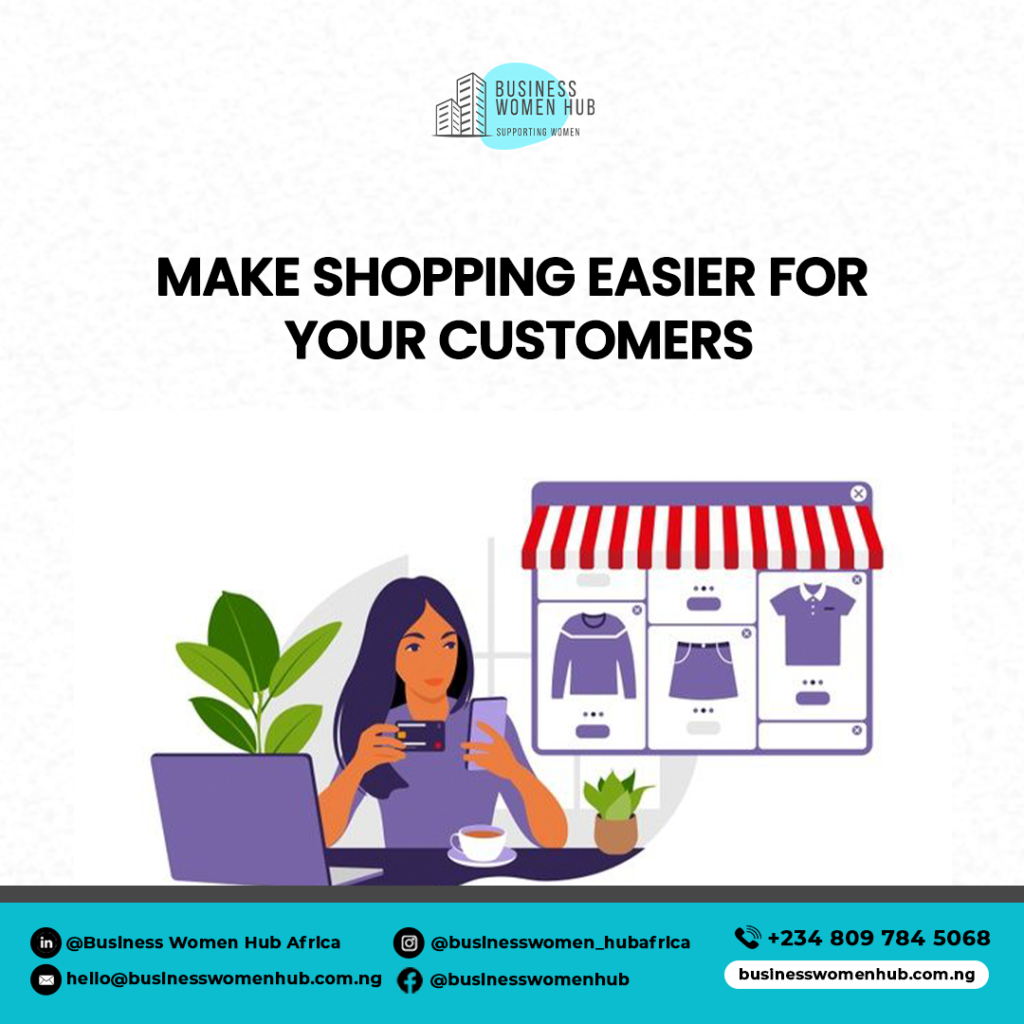
Make Shopping Easier for Your Customers

Customers love convenience. The easier it is for people to find, understand, and purchase your products, the better their shopping experience becomes.

An e-commerce store removes many of the barriers that can make shopping stressful or time-consuming.

Customers can:

  • Discover products easily without having to visit a physical store.
  • Shop from anywhere – whether they’re at home, at work, or on the go.
  • See important information such as prices, pictures, descriptions, sizes, colours, and available options in one place.
  • Compare their options and make better purchasing decisions.
  • Return easily for repeat purchases because they already know where to find your products.

Convenience can be a powerful competitive advantage. When you make it easier for customers to shop with you, you also make it easier for them to choose you over the competition.

The takeaway: Don’t just sell a product. Create a shopping experience that makes customers want to come back.

Build a Professional and Trustworthy Brand

Your e-commerce store is more than a place to display your products. It is an extension of your brand.

A well-organised and professional online storefront can make your business appear more credible and give potential customers greater confidence in buying from you.

You can use your online store to:

  • Create a professional presence: Give customers a central place to learn about and shop from your business.
  • Showcase your products beautifully: Quality images and clear descriptions help customers understand exactly what you offer.
  • Build credibility: A consistent and organised digital presence can strengthen customer confidence.
  • Tell your brand story: Communicate who you are, what your business stands for, and why customers should choose you.
  • Stand out from competitors: A strong digital presence can help your business make a memorable impression.

Remember, customers don’t only buy products. They also buy confidence. Your online store should communicate one simple message: “You can trust this business.”

Sell Smarter and Create Room for Growth

Running a business already comes with enough responsibilities. Your sales process shouldn’t add unnecessary stress.

An e-commerce store can help you organise your products, simplify the buying process, reduce repetitive enquiries, and create more opportunities to generate sales.

With the right online system, you can:

  • Organise your products: Keep your offerings in one easy-to-access location.
  • Reduce repetitive questions: Customers can find prices, product information, and other details directly on your store.
  • Understand customer preferences: Your sales activity can reveal which products customers are interested in and what they buy most.
  • Create more sales opportunities: Your storefront can receive orders while you focus on other important areas of your business.
  • Prepare for growth: A reliable online sales system gives you a stronger foundation for serving more customers as your business expands.

Growth becomes easier when you have systems working alongside you.

Your Business Deserves to Go Further

An e-commerce store is not simply another business expense. When used effectively, it can become an investment in visibility, convenience, credibility, and growth.

Your physical store can serve the people around you, but your online store can help you reach people far beyond your immediate location.

So, if you’ve been wondering whether your business is ready to go online, perhaps the better question is:

How much further could your business go if your customers could shop from you anytime, anywhere?

The digital marketplace is already filled with customers looking for products like yours. Make it easy for them to find you, trust you, and buy from you.