Posted on Leave a comment

Small Changes, Bigger Sales: Simple Improvements That Can Transform Your Business

Many business owners believe that growing sales requires a huge investment, a complete business overhaul, or a major marketing campaign. But the truth is, business growth often starts with small, intentional changes.

A faster response to a customer. A clearer product description. Better packaging. A simple follow-up message. Showing up consistently.

These may seem like small actions, but when done repeatedly, they can create a noticeable difference in your sales, customer relationships, and overall business growth.
Here are four simple ways to make small improvements that can lead to bigger results.

Start Small, Think Big

You don’t have to change everything in your business at once. Sometimes, the smallest improvements can have the biggest impact. Start by looking at your customer’s journey. What can you make easier, faster, clearer, or better?

Here are a few simple changes you can make:

  • Respond to customer inquiries faster: Quick responses show customers that you value their time and business.
  • Improve your product photos: Clear, attractive images help customers understand exactly what they are buying.
  • Write clearer product descriptions: Don’t just list what your product is. Explain its value and how it solves a customer’s problem.
  • Make ordering easier: Remove unnecessary steps that could make customers abandon their purchase.
  • Follow up with interested customers: Sometimes, customers need a gentle reminder before making a decision.

You don’t need to transform your entire business overnight. Improve one thing today, then another tomorrow. Small improvements, when repeated consistently, can compound into remarkable results.

Better Customer Experience Creates Better Sales

Customers don’t only remember what they bought. They remember how your business made them feel.

A smooth, thoughtful customer experience can turn a first-time buyer into a repeat customer, and a satisfied customer can become one of your best marketers through referrals and recommendations. You can improve your customer experience without spending a fortune. Sometimes, it’s the little things that matter most.

Try these simple actions:

  • Greet every customer warmly and professionally.
  • Keep customers informed about the progress of their orders.
  • Deliver products exactly as promised.
  • Add a thank-you note or thoughtful touch to your packages.
  • Ask customers for feedback and genuinely appreciate their reviews.

When customers feel valued, they are more likely to return. Happy customers become repeat customers, and repeat customers are the foundation of sustainable business growth.

Consistency Builds Customer Confidence

Trust is one of the most valuable assets any business can have. And one of the best ways to build trust is through consistency. Customers want to know that the quality they receive today will be the same quality they can expect tomorrow.

You don’t have to be everywhere or post every hour of the day. Instead, focus on being consistent in the places where your customers already find you.

Here are a few ways to build consistency into your business:

  • Post useful and valuable content regularly.
  • Maintain the same standard of quality across your orders.
  • Keep your prices, policies, and terms clear.
  • Respond to customers professionally every time.
  • Continue showing up even when sales are slow.

Every consistent action strengthens your reputation. When customers know they can depend on you, they become more confident in choosing your business. Consistency may look like a small business habit, but over time, it can produce big sales.

Keep Improving What Already Works

Business growth isn’t always about finding the next big strategy. Sometimes, it’s about looking at what is already working and asking, “How can I make this even better?”

Smart entrepreneurs don’t simply settle for “good enough.” They pay attention to their results, listen to their customers, and continuously look for opportunities to improve.

For example:

  • Identify your best-selling product and find more ways to promote it.
  • Update old product photos and descriptions.
  • Improve your packaging and presentation.
  • Review customer feedback and implement useful suggestions.
  • Check your sales performance regularly and adjust your strategy.

You don’t always need a completely new idea. Sometimes, you simply need to make your existing idea better.

The Bigger Picture: Growth Happens One Improvement at a Time

Growing a business is not always about making dramatic moves. More often, it is about making small decisions that improve your business little by little.

A faster response today.
A better customer experience tomorrow.
More consistent content next week.
Improved packaging next month.

Over time, these small actions can create something much bigger: a stronger brand, happier customers, increased trust, and more sales.

So, don’t wait until you have the perfect strategy or a huge budget to improve your business.

Start with one small change today. Because success isn’t built overnight. It is built one intentional improvement at a time.

Posted on Leave a comment

Overcoming Fear in Business: How to Build Confidence, Take Action, and Grow Your Business

Every entrepreneur experiences fear. Whether it’s the fear of failure, being judged, losing money, or making the wrong decision, these emotions are part of the journey. The difference between those who succeed and those who remain stuck isn’t the absence of fear; it’s the decision to keep moving despite it.

Fear often whispers that you’re not ready, not experienced enough, or that the risks are too great. But every thriving business started with someone who chose to act before they felt completely confident.

If you’ve been waiting for the “perfect time” to launch, expand, or take the next step in your business, this is your reminder: progress begins the moment you choose courage over comfort.

Fear Is Not a Stop Sign

Fear is natural, but it shouldn’t determine the direction of your business. Instead of seeing fear as a signal to stop, view it as evidence that you’re stepping into new opportunities and growth.

Here are a few ways to move forward despite fear:

  • Acknowledge your fear instead of ignoring it.
  • Take one bold step, even if it’s small.
  • Stop waiting to feel “ready.” Confidence comes through action.
  • Learn from mistakes rather than allowing them to define you.
  • Focus on possibilities instead of worst-case scenarios.

The truth is, fear doesn’t have to disappear before you move. Your dreams become possible the moment you decide they’re bigger than your doubts.

Build Confidence Through Small Wins

Confidence isn’t something you’re born with; it’s something you develop through consistent action.

Every customer you serve, every product you sell, every challenge you overcome, and every lesson you learn strengthens your belief in yourself. Small victories create the momentum needed for bigger successes.

To build lasting confidence:

  • Celebrate every win, no matter how small.
  • Keep learning to reduce uncertainty.
  • Measure your progress against your own growth, not someone else’s success.
  • Prepare consistently for opportunities.
  • Replace negative self-talk with words of encouragement.

Confidence doesn’t mean you’re no longer afraid. It means you’ve learned to trust yourself enough to move forward anyway.

Don’t Let Fear Make Your Decisions

Fear often disguises itself as procrastination, perfectionism, or excessive caution. Before long, valuable opportunities slip away because of overthinking.

Successful entrepreneurs don’t let fear drive their decisions; they let their purpose lead.

Here’s how to stay in control:

  • Make decisions based on your long-term goals.
  • Stop overthinking and start taking action.
  • Accept that perfection isn’t required for progress.
  • Ask for guidance and support when needed.
  • Continue showing up, even when it feels uncomfortable.

Every opportunity avoided because of fear is an opportunity someone else may embrace. Choose courage over comfort, one decision at a time.

Courage Creates the Business You Dream Of

Behind every successful business is someone who found the courage to begin.

Building a thriving business isn’t about waiting for perfect conditions. It’s about showing up consistently, taking calculated risks, learning from experience, and refusing to quit when challenges arise.

Develop a courageous business mindset by:

  • Believing in the value you bring to the market.
  • Taking calculated risks instead of avoiding all risks.
  • Seeing challenges as opportunities for growth.
  • Surrounding yourself with people who support your vision.
  • Remaining consistent, even when results take time.

Remember, courage isn’t the absence of fear; it’s choosing your purpose despite your fear. Every step you take today moves you closer to the business and life you’re working to build.

Final Thoughts

Fear will always be part of entrepreneurship, but it doesn’t have to be in charge.

Every successful business owner has faced moments of uncertainty. What sets them apart is their willingness to act despite it. The more you take action, the stronger your confidence becomes, and the more your business grows.

So, don’t wait until fear disappears. Start where you are, use what you have, and keep moving forward.
Your future business is built on the courageous decisions you make today.

Posted on Leave a comment

Smart Money Habits Every Entrepreneur Needs to Build Lasting Wealth

Running a successful business isn’t just about making more sales; it’s about managing your money wisely. Many entrepreneurs focus on increasing revenue but overlook the financial habits that create long-term stability and wealth.

The truth is, smart money management is what separates businesses that survive from those that thrive. Whether you’re just starting or growing an established business, adopting healthy financial habits can help you make better decisions, reduce stress, and build a business that truly works for you.

Here are four smart money habits every entrepreneur should develop.

Pay Yourself First, Not Last

One of the biggest financial mistakes entrepreneurs make is paying every bill, supplier, and business expense before setting aside money for themselves. While your business deserves investment, so do you.

Creating wealth starts with developing the habit of paying yourself first, even if it’s a small amount. Remember, consistency is far more important than the size of the amount.

Here are a few smart habits to adopt:

  • Set aside a percentage of every sale as your income or savings.
  • Separate your business and personal finances.
  • Create a monthly budget and stick to it.
  • Build an emergency fund for unexpected business expenses.
  • Treat saving as a business expense, not an afterthought.

Key Takeaway: A profitable business should also create a financially secure entrepreneur. Your business should work for you, not leave you constantly working for money.

Know Where Every Naira Goes

You can’t improve what you don’t measure.

Many businesses don’t struggle because they fail to make money; they struggle because they don’t know where their money goes. Tracking your income and expenses gives you the clarity you need to make smarter financial decisions.

Start by taking control of your cash flow:

  • Record every sale and every expense.
  • Review your cash flow every week.
  • Identify unnecessary spending and eliminate it.
  • Track your most profitable products or services.
  • Use simple bookkeeping tools to stay organized.

Key Takeaway: Every naira should have a purpose. When you tell your money where to go, you’re less likely to wonder where it went. Financial awareness is the first step toward financial freedom.

Spend to Grow, Not to Impress

As your business grows, it’s easy to confuse spending with investing. A fancy office, expensive equipment, or unnecessary upgrades may look impressive, but they don’t always contribute to business growth.

Before making any purchase, ask yourself: “Will this help my business grow?”

Spend wisely by:

  • Investing in tools that improve productivity.
  • Prioritizing marketing that delivers measurable results.
  • Buying inventory based on customer demand, not assumptions.
  • Avoiding unnecessary debt for non-essential purchases.
  • Focusing on value instead of appearances.

Key Takeaway: Growth comes from intentional investments, not expensive distractions. Every smart financial decision you make today strengthens your business for tomorrow.

Build Wealth Beyond Today’s Sales

Making sales feels rewarding, but real financial success comes from what you do after the money reaches your account.

Successful entrepreneurs don’t just earn; they save, invest, and plan for the future. Every profit should contribute to building long-term financial security.

Develop these wealth-building habits:

  • Save consistently from your business profits.
  • Reinvest strategically into areas that generate more income.
  • Diversify your income streams where possible.
  • Set financial goals for the next 6–12 months.
  • Celebrate your progress while continuing to plan.

Key Takeaway: Today’s profits should become tomorrow’s financial security. Strong businesses are built on smart money habits, and smart money habits create lasting success.

Final Thoughts

Financial success doesn’t happen by chance; it happens through consistent, intentional decisions. Every smart choice you make today, from tracking your expenses to saving regularly and investing wisely, strengthens both your business and your personal financial future.

You don’t need to earn millions before practicing good financial habits. Start with what you have, stay consistent, and let your money work as hard as you do.

Remember: Building a successful business isn’t just about increasing your income; it’s about managing your money wisely enough to create lasting wealth.

Posted on Leave a comment

The Psychology of Why Customers Buy: 4 Powerful Principles Every Business Owner Should Know

Have you ever wondered why some businesses seem to attract customers effortlessly while others struggle to make sales, even when they offer great products?

The answer often lies in understanding the psychology behind buying decisions.
Customers don’t simply buy products because they’re available. They buy because something about the product, the brand, or the experience speaks to their needs, emotions, and confidence.

When you understand why people buy, you stop chasing customers and start creating meaningful connections that naturally lead to sales.

Let’s explore four powerful psychological principles that influence buying decisions and how you can use them to grow your business.

People Buy Solutions, Not Products

Customers rarely purchase a product simply because it exists. They buy because they believe it will solve a problem, make life easier, save time, or improve their lives in some way.

The businesses that consistently succeed aren’t always the ones with the most innovative products; they’re the ones that clearly communicate the value their customers truly need.

How to position your business for more sales:

  • Focus on your customer’s problem before talking about your product.
  • Highlight the transformation your product delivers, not just its features.
  • Use simple, relatable language your audience understands.
  • Share real-life examples and success stories from satisfied customers.
  • Ask yourself: “Why would someone choose this today?”

Key Takeaway: Customers are buying outcomes, not objects. When you clearly communicate the solution you provide, selling becomes a natural conversation rather than a difficult task.

People Buy with Emotion, Then Justify with Logic

Many business owners assume customers make decisions based purely on facts and logic. In reality, psychology tells us something different.

Most purchasing decisions begin with emotion. Customers often choose a product because it makes them feel confident, secure, excited, understood, or inspired. Logic helps them justify that emotional decision afterward.

How to build emotional connections:

  • Tell authentic stories your audience can relate to.
  • Show empathy and demonstrate that you understand their challenges.
  • Use testimonials and customer experiences to build confidence.
  • Create memorable experiences that make customers feel appreciated.
  • Keep your brand authentic and consistent across every interaction.

Key Takeaway: People may forget what you said, but they’ll remember how your business made them feel. Emotional connections create loyal customers who return again and again.

Trust Is the Greatest Sales Strategy

Before customers spend their money, they usually ask themselves one important question: “Can I trust this business?”

Trust removes uncertainty, reduces fear, and gives customers the confidence to move forward with a purchase. Without trust, even the best products can struggle to sell.

Simple ways to build trust:

  • Be transparent about your products, services, and pricing.
  • Deliver on every promise you make.
  • Respond professionally and promptly to customer inquiries.
  • Showcase genuine customer reviews and success stories.
  • Stay consistent in your communication, branding, and customer service.

Key Takeaway: Trust isn’t built through clever marketing; it is earned through consistency. The more credible your business becomes, the easier it is for customers to choose you over your competitors.

Make Buying Easy

Sometimes customers don’t say “no” because they aren’t interested; they leave because the buying process feels confusing or complicated.

Every extra step, unclear instruction, or delayed response increases the chances of losing a sale.

Remove buying barriers by:

  • Keeping your ordering process simple and straightforward.
  • Clearly explaining pricing, payment methods, and delivery options.
  • Responding quickly to customer questions.
  • Using clear calls to action that tell customers exactly what to do next.
  • Providing excellent after-sales support that encourages repeat business.

Key Takeaway: Convenience is one of the strongest influences on purchasing decisions. A smooth buying experience increases customer satisfaction, encourages repeat purchases, and generates valuable referrals.

Final Thoughts

Understanding the psychology of why customers buy isn’t about manipulating people; it’s about understanding them.

Successful businesses recognize that customers are looking for solutions, emotional connection, trust, and convenience. When you focus on delivering these consistently, selling becomes less about persuasion and more about serving people well.

As you grow your business, remember these four principles:

  • Solve real problems.
  • Connect emotionally.
  • Build trust consistently.
  • Make buying effortless.

When you do these well, you’re not just gaining customers; you’re building lasting relationships that fuel long-term business growth.

Posted on Leave a comment

Confidence & Mindset Reset for the Next Level: 4 Powerful Shifts Every Woman Entrepreneur Needs to Grow

Every successful business starts with one powerful decision: believing that you are capable of building something greater.

As women entrepreneurs, it’s easy to get caught up in self-doubt, comparison, and the pressure to have everything figured out before taking the next step. But the truth is, growth doesn’t begin when you’re fearless; it begins when you choose to move forward despite your fears.

If you’re ready to elevate your business, it starts with resetting your mindset. Here are four powerful confidence shifts that will help you embrace your next level with courage and purpose.

Believe Bigger Than Your Doubts

Every new level in business begins with a new level of belief. Before others invest in your vision, you must first believe that you are capable of achieving it. Confidence isn’t about knowing everything. It’s about trusting yourself to learn, grow, and figure things out along the way.

Choose confidence over self-doubt by embracing these mindset shifts:

  • Replace limiting thoughts with empowering ones.
  • Speak to yourself the way you would encourage another woman in business.
  • Celebrate your progress. Every milestone, no matter how small, is proof that you’re moving forward.
  • Stop comparing your journey. Your timeline is unique, and your success doesn’t have to look like anyone else’s.
  • Own your expertise. You know more than you think. Share your knowledge with confidence.
  • Show up consistently. Confidence grows through action, not by waiting until you feel “ready.”

Remember: The next level isn’t reserved for the most qualified; it’s often reached by those who dare to believe they belong there. Your confidence is your competitive advantage.

Reset Your Mindset for Growth

Your business can only grow as much as your mindset allows. When your thoughts are dominated by fear, failure, or uncertainty, it’s difficult to recognize the opportunities that surround you. A mindset reset helps you exchange fear for possibility and hesitation for action.

Here are practical ways to strengthen your mindset:

  • Let go of yesterday’s setbacks. One challenge does not define your future.
  • Focus on opportunities instead of obstacles. Every problem carries both a lesson and a solution.
  • Embrace continuous learning. Every new skill expands your confidence.
  • Speak positively about your business. The words you use shape the way you lead.
  • Surround yourself with growth-minded people. Your environment influences your perspective more than you realize.

Remember: Success begins in your mind long before it appears in your business. Reset your thinking today, and you’ll reset your future.

Lead with Confidence, Even Before You Feel Ready

Many women delay taking the next step because they don’t feel completely prepared. However, confidence rarely comes before action. It grows through courage, experience, and consistency. Your next opportunity may simply require you to say “yes” before you feel 100% ready.

Here’s how to build confident leadership:

  • Make decisions with conviction. Trust the knowledge and experience you’ve gained.
  • Speak up about your business. Your voice deserves to be heard.
  • Take calculated risks. Growth often exists just outside your comfort zone.
  • Learn from mistakes instead of fearing them. Every setback strengthens your resilience.
  • Keep showing up consistently. Consistency builds both credibility and confidence over time.

Remember: Courage creates confidence. Every bold step you take prepares you for the next one. Lead boldly because your business is waiting for the woman you’re becoming.

Become the Woman Your Next Level Requires

Every new level of success demands a stronger version of you. Growing your business isn’t only about increasing sales or attracting more customers. It’s also about becoming a better leader, developing stronger habits, and cultivating the mindset needed to sustain success.

The entrepreneur you aspire to become is built through intentional daily choices.

Here’s how to step confidently into your next level:

  • Develop empowering daily habits. Small disciplines create remarkable results over time.
  • Protect your confidence. Don’t allow criticism or comparison to shrink your vision.
  • Invest in your personal growth. Read, learn, network, and remain curious.
  • Lead with resilience. Challenges are stepping stones, not stop signs.
  • Visualize your future consistently. Start acting today like the leader you’re becoming.

Remember: Your next level isn’t waiting for a different person. It’s waiting for a more confident, resilient, and intentional version of you.

Final Thoughts

Confidence isn’t something you’re born with; it’s something you build. Every decision to show up, learn, take action, and believe in your vision strengthens the leader within you.

As you pursue your next level, remember that mindset is your foundation. When you believe bigger than your doubts, reset your thinking for growth, lead before you feel completely ready, and intentionally become the woman your vision requires, there’s no limit to what you can achieve.

Your next level starts with the way you think. Choose confidence. Choose growth. Choose yourself.

Posted on Leave a comment

Mastering Financial Management: The Foundation Every Woman Entrepreneur Needs for Lasting Success

Running a successful business requires more than passion, creativity, and hard work; it requires financial wisdom. While many women entrepreneurs focus on increasing sales and attracting customers, the businesses that thrive over time are those built on strong financial management.

Understanding your finances empowers you to make informed decisions, navigate challenges confidently, and position your business for sustainable growth. Whether you’re just starting or looking to scale, developing healthy financial habits will help you build a business that doesn’t just survive but flourishes.

Here are four essential financial principles every woman entrepreneur should embrace.

Know Your Numbers, Know Your Business

A profitable business begins with understanding its finances. Every sale, expense, and investment tells a story about your business’s health. Without accurate financial records, it’s difficult to identify what’s working, what needs improvement, or where growth opportunities exist.

Many entrepreneurs make the mistake of focusing solely on revenue while overlooking the numbers behind it. However, business confidence comes from knowing exactly where your money is coming from and where it’s going.

Start building stronger financial habits by:

  • Tracking every income and expense, regardless of the amount.
  • Separating your personal and business finances.
  • Reviewing your cash flow regularly.
  • Keeping accurate financial records.
  • Scheduling weekly or monthly financial check-ins.

The simple truth is this: you can’t grow what you don’t measure. The more familiar you become with your finances, the more confident you’ll be in making decisions that move your business forward.

Budget for Growth, Not Just Survival

A budget is one of the most powerful tools any entrepreneur can have. Contrary to popular belief, budgeting isn’t about limiting yourself; it’s about giving every naira a purpose before you spend it.

Successful business owners don’t wait to see what’s left at the end of the month. They intentionally allocate resources toward activities that generate income, strengthen operations, and prepare the business for future opportunities.

A smart business budget should include:

  • All recurring monthly business expenses.
  • Priority spending on revenue-generating activities.
  • Dedicated funds for marketing, operations, and business development.
  • An emergency reserve for unexpected expenses.
  • Regular reviews and adjustments as the business evolves.

Behind every successful business is a financial plan. A well-structured budget gives you greater control over your money, reduces financial stress, and creates room for intentional growth.

Manage Cash Flow Like a CEO

Sales may bring excitement, but cash flow keeps your business running.

Many businesses appear profitable on paper yet struggle financially because money isn’t available when it’s needed most. Healthy cash flow ensures you can pay suppliers, cover operating expenses, and continue serving customers without unnecessary disruptions.

Strengthen your cash flow by:

  • Sending invoices promptly.
  • Following up consistently on outstanding payments.
  • Avoiding unnecessary spending.
  • Monitoring upcoming bills and payment deadlines.
  • Setting clear payment terms.
  • Maintaining a cash reserve for daily operations.

Remember, profit is important, but cash flow keeps the doors open. When your cash flow is healthy, your business gains the stability and flexibility needed to take advantage of new opportunities with confidence.

Build Wealth Through Smart Financial Decisions

Financial management isn’t just about today’s operations—it’s about creating tomorrow’s success.

Every wise financial decision contributes to long-term wealth, business stability, and sustainable growth. Building a financially healthy business requires discipline, consistency, and a willingness to think beyond immediate gains.

Develop long-term financial strength by:

  • Reinvesting a portion of your profits into your business.
  • Borrowing only when it supports strategic growth.
  • Setting clear financial goals for the next six to twelve months.
  • Investing in tools, systems, and skills that improve productivity.
  • Celebrating milestones while maintaining financial discipline.

Wealth isn’t created overnight. It is built through consistent, intentional financial decisions that compound over time.

Your Financial Habits Shape Your Business Future

Every successful woman entrepreneur understands that financial management is not a one-time task; it’s an ongoing practice. By knowing your numbers, creating purposeful budgets, managing cash flow effectively, and making smart long-term financial decisions, you build more than a profitable business; you build a resilient one.

Your business deserves more than simply getting by. It deserves financial clarity, stability, sustainable growth, and the freedom to seize every opportunity that comes your way.

Start today. One smart financial decision at a time, you’re building a stronger business and an even brighter future.

Posted on Leave a comment

Packaging That Speaks: How to Create a Customer Experience People Never Forget

In today’s competitive marketplace, having an excellent product is no longer enough. Before customers taste your food, wear your clothing, use your service, or experience the quality of what you offer, they have already formed an opinion about your brand.

That opinion begins with your packaging and presentation.

From the colors you use to the way your products are packaged, delivered, and displayed, every detail communicates something about your business. Thoughtful presentation doesn’t just make your brand look good; it creates trust, builds emotional connections, and transforms first-time buyers into loyal customers.

If you want customers to remember your business long after their purchase, here are four powerful ways to create a memorable customer experience through packaging and presentation.

First Impressions Matter

Your packaging is often the first interaction customers have with your business. Before they experience your product, they experience your brand.

A polished, professional presentation immediately communicates quality, credibility, and attention to detail. On the other hand, poor packaging can make even an outstanding product appear less valuable.

To create a strong first impression:

  • Invest in clean, professional packaging that reflects your brand.
  • Use consistent colors, fonts, and branding across all customer touchpoints.
  • Pay attention to how your products are displayed, both online and offline.
  • Ensure your business materials look polished and intentional.
  • Remember that even the smallest details influence how customers perceive your business.

Your packaging is not just a container; it’s an extension of your brand story. Make every first impression one that customers won’t forget.

Your Brand Should Feel Like an Experience

Customers may forget exactly what they bought, but they’ll remember how your business made them feel.

The most successful brands don’t simply sell products; they create experiences. Every package opened, every delivery received, and every interaction should leave customers feeling valued.

You can create memorable experiences by:

  • Including handwritten thank-you notes or branded inserts.
  • Making your unboxing or delivery process enjoyable.
  • Maintaining consistency across your products, social media, and customer service.
  • Designing experiences that evoke positive emotions.
  • Delivering excellence at every customer touchpoint.

When your brand feels intentional, customers become emotionally connected to your business, and emotionally connected customers are far more likely to return and recommend you to others.

Presentation Adds Perceived Value

Presentation has the power to elevate how customers perceive your product.

Even when two businesses offer similar products, customers often place greater value on the one presented more professionally. An attractive presentation builds confidence, strengthens trust, and increases the willingness to buy.

To elevate your presentation:

  • Use quality packaging materials that align with your brand identity.
  • Invest in clear, professional product photography.
  • Keep displays neat and attractive during exhibitions, markets, or in-store presentations.
  • Ensure labels, pricing, and product information are clear and easy to read.
  • Focus on a clean, simple, and consistent presentation style.

Presentation doesn’t replace quality; it reveals it. When customers can clearly see the value of what you offer, they’re more likely to trust your business, make a purchase, and recommend you to others.

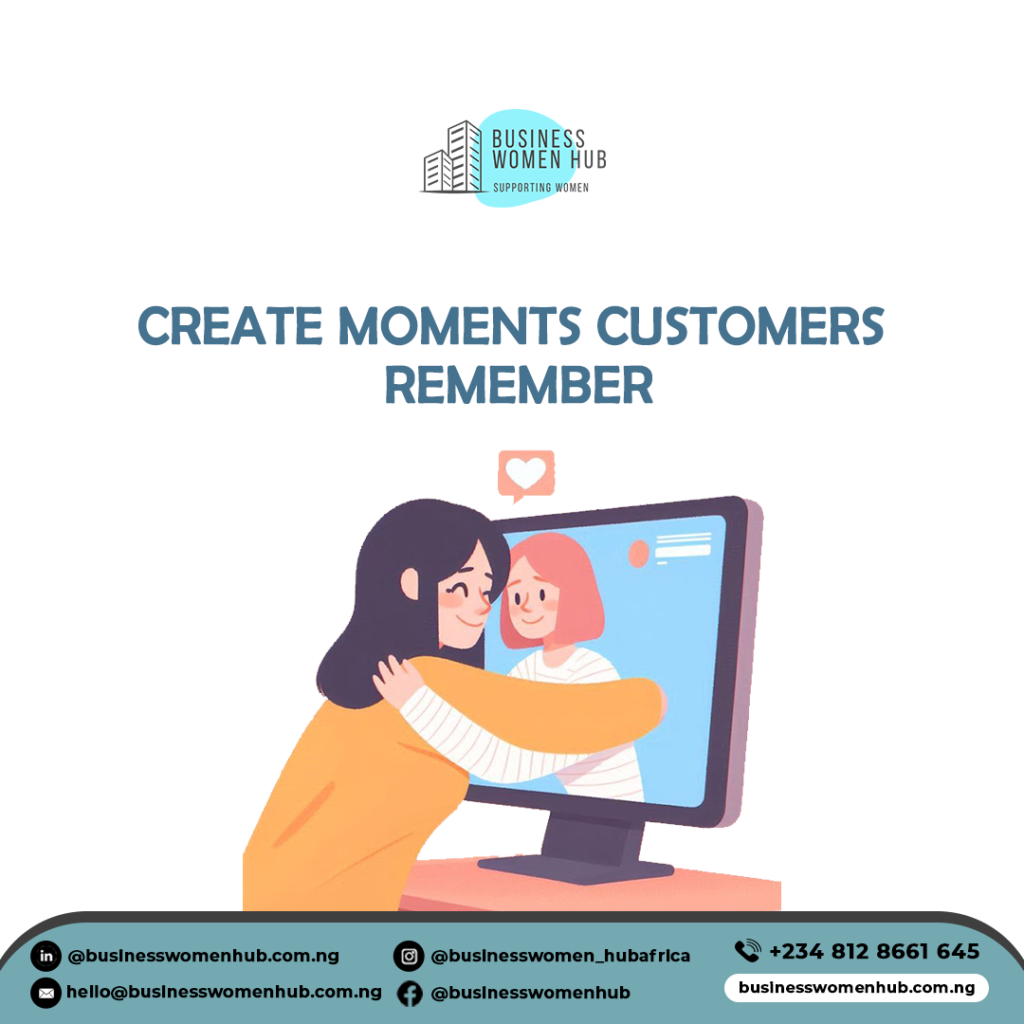
Create Moments Customers Remember

The businesses’ customers return to are often those that create memorable moments beyond the sale.

Simple gestures can leave lasting impressions and turn ordinary transactions into meaningful experiences. Your goal shouldn’t be to make a sale; it should be to create a story your customers are excited to share.

Here are a few ways to create memorable moments:

  • Personalize the customer experience whenever possible.
  • Follow up after purchases to express appreciation.
  • Encourage customers to share their experiences on social media.
  • Listen to customer feedback and continuously improve.
  • Make every interaction feel thoughtful, valuable, and intentional.

People remember how your brand made them feel long after they’ve forgotten the price they paid.

Remember

Exceptional packaging and presentation are not about being expensive; they’re about being intentional.

Every package, every delivery, every product display, and every customer interaction contributes to the story your brand tells. When you consistently deliver excellence through thoughtful presentation, you create experiences that customers remember, recommend, and return for.

Remember, your product may bring customers in the first time, but the experience you create is what keeps them coming back.

Because in business, memorable experiences create loyal customers, and loyal customers build lasting brands.

Posted on Leave a comment

Your Brand Is Speaking Online: What Is It Saying?

Building a Strong Online Presence That Attracts, Engages, and Converts

In today’s digital world, your online presence is often the first interaction people have with your business. Before a customer sends a message, visits your store, or makes a purchase, they have likely searched for you online. What they find in those few moments can determine whether they choose your brand or move on to another.

For women entrepreneurs, service providers, consultants, coaches, and product-based business owners, building a strong online presence is no longer optional; it is essential. Your digital presence serves as your storefront, your sales representative, and your brand ambassador, working for you around the clock.
Here are four essential pillars that can help you build a stronger, more visible, and more impactful brand online.

Your Online Presence Is Your Digital Storefront

Think of your social media pages, website, and online profiles as your digital storefront. They create first impressions and communicate the quality, professionalism, and credibility of your business.

To strengthen your digital presence:

  • Optimize your profiles with clear bios, updated contact information, and a compelling brand message.
  • Use consistent branding, including your logo, colors, fonts, and tone of voice across all platforms.
  • Make it easy for customers to reach you through your phone number, website, email address, or WhatsApp link.
  • Showcase your expertise by sharing valuable information and demonstrating your knowledge.
  • Keep your platforms active and up to date to build trust and credibility.

Your online presence continues working even when you are offline. Make sure it accurately reflects the value and excellence your brand represents.

Content Builds Visibility and Trust

People buy from brands they know, trust, and remember. Consistent content keeps your business visible while positioning you as an expert in your field. The goal is not to post constantly but to post intentionally.

Effective content strategies include:

  • Educating your audience through helpful tips, insights, and solutions.
  • Regularly showcasing your products or services so people understand what you offer.
  • Sharing customer testimonials and success stories to build credibility.
  • Telling your brand story to create emotional connections.
  • Prioritizing value over vanity metrics such as likes and followers.

Every piece of content you share is an opportunity to build trust. The more consistently you show up, the more memorable your brand becomes.

Build Engagement, Not Just Followers

Having thousands of followers means little if your audience is not engaging with your brand. Successful businesses focus on building communities rather than simply growing numbers.

Meaningful engagement can be created by:

  • Starting conversations through questions, polls, and discussions.
  • Responding promptly to comments, direct messages, and inquiries.
  • Celebrating customers by highlighting their experiences and successes.
  • Showing authenticity and allowing your audience to connect with the real people behind the brand.
  • Maintaining consistent interaction to strengthen trust over time.

Engagement transforms followers into customers and customers into loyal advocates. Strong relationships remain one of the most valuable assets any business can build.

Monitor, Improve, and Stay Relevant

Building a strong online presence is an ongoing process. The digital landscape changes quickly, and successful brands adapt to those changes while remaining true to their values.

To stay relevant:

  • Review your performance to understand which platforms and content deliver the best results.
  • Listen to your audience and use their feedback to improve.
  • Update your profiles and business information regularly.
  • Learn and adopt new trends that align with your brand goals.
  • Commit to continuous improvement through small, consistent adjustments.

The strongest brands do not simply show up online; they remain visible, valuable, and relevant.

Final Thoughts

Your online presence is more than a collection of social media accounts. It is the digital representation of your brand, your values, and the experience customers can expect from your business.

By building a professional digital storefront, creating valuable content, engaging your audience, and continually improving your approach, you position your brand for sustainable growth and long-term success.

Remember: your brand is speaking online every day. Make sure it is telling the right story.

Posted on Leave a comment

Content Creation Essentials: Capturing Images That Sell

How Powerful Visuals Can Turn Attention into Sales

In today’s digital marketplace, your images are often your first salesperson.
Before a potential customer reads your caption, visits your website, or sends an inquiry, they see your visual content. Within seconds, they decide whether to keep scrolling or stop and learn more. For women in business, mastering the art of creating compelling images is no longer optional; it’s essential to building a brand, attracting customers, and driving sales.

The good news? You don’t need expensive equipment or professional photography skills to create images that make an impact. With a few intentional strategies, you can create visuals that build trust, tell your brand story, and encourage customers to take action.

Your Images Are Selling Before You Speak

Whether you’re selling fashion, food, beauty products, handmade items, or professional services, your images create the first impression and influence buying decisions. Great content starts with great visuals.

Here are a few ways to make your images work harder for your business:

  • Focus on Clarity: Blurry or poorly focused photos can reduce customer confidence. Clear, sharp images communicate professionalism and quality.
  • Use Natural Lighting: Natural light helps products appear more attractive and authentic. Whenever possible, photograph your products near windows or in well-lit spaces.
  • Keep Backgrounds Clean: A cluttered background can distract from what you’re trying to sell. Keep your setup simple so your product remains the star of the image.
  • Show the Details: Close-up shots help customers appreciate your product’s craftsmanship, quality, and unique features.
  • Stay Consistent: Developing a recognizable visual style helps strengthen your brand identity and makes your content instantly familiar to your audience.

The reality is simple: people buy with their eyes first. One great photo can be the difference between a missed opportunity and a new customer.

Tell a Story Through Every Image

Customers don’t just buy products; they buy experiences, solutions, and emotions.
The most effective images help people imagine themselves benefiting from what you’re offering. Instead of simply displaying a product, show how it fits into real life.

  • Show Your Product in Use: Help customers visualize themselves using your product or service.
  • Capture Real Moments: Authentic content often creates stronger connections than overly staged photographs.
  • Include Human Elements: Hands, faces, or lifestyle settings add warmth and relatability to your content.
  • Highlight Benefits, Not Just Features: Rather than focusing only on what your product is, show what it helps people achieve.
  • Create Context: Allow customers to see where and how your product fits into their everyday lives.

A powerful image does more than showcase a product; it creates desire and helps customers emotionally connect with your brand.

Composition Matters More Than Expensive Equipment

Many entrepreneurs assume they need expensive cameras to create professional-looking content. In reality, understanding basic photography principles can dramatically improve your results, even when using a smartphone.
Good photography is about intention, not equipment.

  • Use the Rule of Thirds: Position your subject thoughtfully rather than always placing it directly in the center of the frame.
  • Keep It Simple: Avoid overcrowding your images with unnecessary objects or distractions.
  • Experiment with Angles: Different perspectives can completely change how a product is perceived.
  • Create Visual Balance: Neatly arranged elements make images more attractive and easier to view.
  • Leave Breathing Space: Allow your main subject enough room to stand out and command attention.

Small improvements in composition can instantly make your products appear more valuable and professional.

Create Content That Builds Trust and Drives Sales

Beautiful images may capture attention, but strategic images inspire action. Every piece of content you create should serve a purpose, whether it’s building awareness, establishing trust, or encouraging purchases.

  • Show Consistency: Regularly sharing high-quality content demonstrates professionalism and reliability.
  • Share Customer Experiences: Testimonials, reviews, and user-generated content provide valuable social proof.
  • Offer Behind-the-Scenes Content: Giving customers a glimpse into your process builds transparency and strengthens relationships.
  • Highlight Results: Show the outcomes and benefits customers can expect when they choose your product or service.
  • Create with Purpose: Every image should support a specific business objective and contribute to your overall marketing strategy.

Trust is built through what people consistently see. When your images communicate quality, professionalism, and value, customers feel more confident doing business with you.

Final Thoughts

In a world where attention spans are short and competition is high, strong visual content can give your business a powerful advantage. You don’t need expensive equipment or a professional studio to create images that sell. By focusing on clarity, storytelling, composition, and trust-building, you can transform ordinary photos into valuable marketing tools.

Remember: every image you share is an opportunity to tell your story, showcase your value, and move potential customers one step closer to making a purchase.

Your next sale may begin with a single photograph.

Posted on Leave a comment

Saving & Investment Strategies for Female Entrepreneurs: How to Build a Business That Creates Lasting Wealth

Running a successful business is not just about making sales; it’s about managing money wisely, building financial stability, and creating long-term wealth. Many female entrepreneurs work hard to increase revenue, yet struggle to maintain consistent savings or make strategic investments that support sustainable growth.

The truth is that financial success doesn’t happen by chance. It is built through intentional saving, smart investing, and disciplined financial decisions over time. Here are four essential strategies every female entrepreneur can adopt to strengthen her business and secure her financial future.

Build a Business That Saves Before It Spends

One of the most powerful habits of successful entrepreneurs is consistent saving. Unfortunately, many business owners treat savings as something they will do after all expenses have been covered. In reality, savings should be a priority, not an afterthought.

A strong savings culture helps your business survive unexpected challenges, take advantage of new opportunities, and operate with confidence.

To build a healthy savings habit:

  • Separate your personal and business finances.
  • Set a monthly savings target, regardless of how small it may seem.
  • Save for opportunities, not just emergencies.
  • Treat savings as a fixed business expense.
  • Stay consistent, because small amounts saved regularly can produce significant results over time.

Revenue may help your business grow, but savings help it survive and thrive.

For women seeking a structured and supportive way to save consistently, the BWH ESUSU Savings Platform provides a community-driven approach to achieving business and financial goals.

Save with a Purpose

Saving becomes much easier when there is a clear goal attached to it. Successful entrepreneurs do not save randomly; they save intentionally. Before setting money aside, ask yourself: What am I saving for?

Some valuable business-saving goals include:

  • Expanding inventory.
  • Upgrading equipment and business tools.
  • Funding marketing and advertising campaigns.
  • Recruiting and training staff.
  • Building an emergency reserve for unexpected situations.

When every contribution is connected to a meaningful goal, staying disciplined becomes easier. Purpose transforms saving from a financial burden into a strategic business tool. It creates motivation, focus, and a sense of progress toward a larger vision.

The BWH ESUSU Savings Platform can help you remain accountable as you work steadily toward your business objectives.

Invest in What Grows Your Business

While saving protects your business, investing helps it grow. Many entrepreneurs believe they need a large amount of money before they can begin investing. However, some of the most impactful investments start with small amounts that have been saved consistently over time.

Consider investing in:

  • Skills development and professional training.
  • Digital marketing and brand visibility.
  • Better systems, processes, and automation.
  • Product improvement and innovation.
  • Strategic partnerships and collaborations.

Before making any investment decision, ask yourself: “Will this help my business become more profitable, efficient, or sustainable?”

Every naira invested should have the potential to create greater value and move your business closer to its goals. The savings you build today can become the capital that funds tomorrow’s expansion, innovation, and success.

Create a Long-Term Wealth Strategy

Building a profitable business is important, but building wealth is equally essential. Your business should not only generate income today; it should also contribute to your long-term financial security. Wealth creation requires planning and consistent action.

To develop a long-term wealth strategy:

  • Maintain a consistent savings plan.
  • Reinvest a portion of your profits.
  • Diversify your income streams.
  • Build a strong emergency fund.
  • Set financial goals for the next one, three, and five years.

Financially empowered women are not always the highest earners. More often, they are the women who manage their resources wisely, save consistently, and invest strategically. Wealth is built through small, smart decisions repeated over time. Start where you are, save what you can, remain disciplined, and allow your money to work for your future.

If you need a supportive structure to help you stay on track, the BWH ESUSU Savings Platform is designed to help women cultivate sustainable saving habits, build stronger businesses, and create brighter financial futures.

Final Thoughts

Financial growth is not determined solely by how much money you make, but by how effectively you manage, save, and invest what you earn.

By prioritizing savings, attaching purpose to every financial goal, investing strategically, and planning for the long term, you can build a business that not only survives but flourishes for years to come.

Your journey to financial freedom starts with one decision: begin today.