
Posted on Leave a comment

Steps to Channel Sales Sucess

Channel sales involve partnering with third-party companies to resell your products or services. Instead of focusing on individual customers, this approach leverages the existing networks of partners, enabling a “one-to-many” strategy. These partners earn a share of the revenue while helping your business access a broader market.

For example, a financial management software company might collaborate with a consulting firm that works closely with CFOs. By demonstrating the software’s value, the consulting firm’s sales team promotes and sells it, earning a share of the revenue.

This method accelerates market entry, enhances scalability, and creates new revenue streams.

Create a Target Prospect List
Build a list of companies that meet your criteria. Once identified, find the right contact within the organization.

  • For high-scale partnerships, consider approaching C-level executives like the CEO or CFO.
  • For tactical offerings, target industry group leaders or business development managers.
    Accurate contact information and precise targeting are essential for effective outreach.

Sell the Partnership
Selling to channel partners is similar to selling to customers—but with a twist. Highlight the financial benefits of the partnership, such as revenue sharing (e.g., 20%). Present a detailed pitch deck and a partner agreement that outlines:

  • Revenue potential.
  • Support plans for partners and their customers.
  • Sales and marketing responsibilities.

Channel sales enable businesses to scale faster by leveraging partners’ networks and expertise. By identifying the right partners, creating a targeted prospect list, and presenting a compelling partnership proposition, you can unlock new growth opportunities and expand your market reach.
Posted on Leave a comment

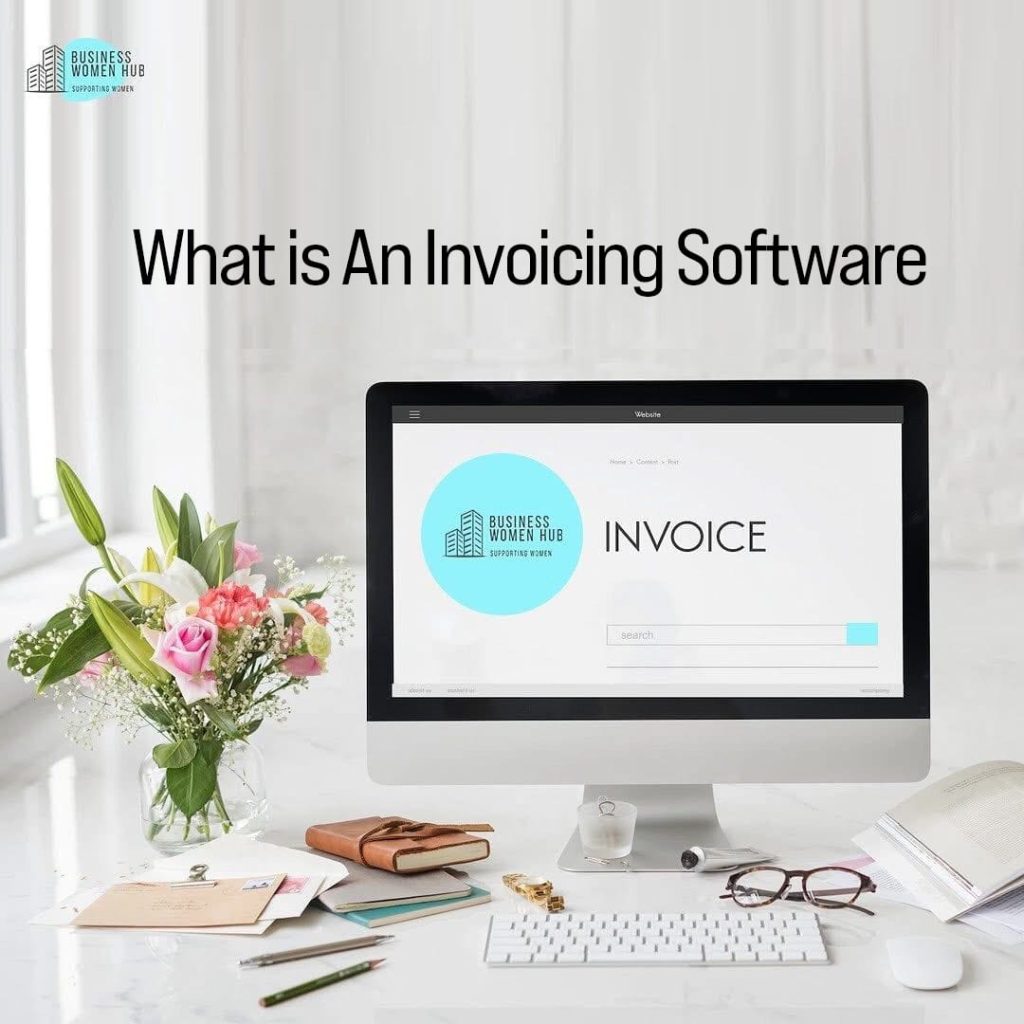
Invoicing Software

Invoicing software, or invoice apps, automate business invoicing by creating accurate and professional invoices for clients. It reduces errors, simplifies financial management, and streamlines processes like payment tracking and reminders. For small businesses, it’s a time-saving tool to maintain cash flow and improve efficiency.

Key benefits of invoicing software include tracking payments, reducing missed payments with automated reminders, showcasing professionalism with accurate invoices, simplifying financial management, and safeguarding sensitive data. Switch to invoicing software today to boost your business efficiency.

Posted on Leave a comment

You’ll Never Satisfy Your Customers- or Grow Your Business

Driving Growth Through Customer Experience (CX): A Three-Step Approach

Customer feedback is an essential tool for sustainable growth when used strategically. This blog post explores three key strategies to move beyond measurement and drive meaningful improvement in your business through exceptional customer experience (CX).

1. Take Action with Accountability 📝

Empower your team to act on customer feedback by eliminating guesswork. Every team member should understand the “why,” “what,” “who,” and “how” behind each customer interaction. Here’s how to start:

  • Use short, branded survey forms that feel conversational and empathetic.
  • Keep surveys concise (under 3 minutes) and aligned with the visit’s purpose.
  • Allow flexibility in how and when customers complete the survey.

By analyzing feedback, you can identify areas of improvement and measure their impact on customer loyalty and advocacy. Remember, happy customers spend more.

2. Inspire Your Team Members

The best feedback-driven growth comes from motivated and skilled teams. Connect customer feedback (via video, voice, or text) to specific team behaviors, and identify areas for development. For instance, research shows that team members with higher scores for friendliness and expertise achieve significantly better conversion rates. By addressing gaps in skills, confidence, or capability, you can create a culture of continuous improvement and higher engagement among your staff.

3. Focus on Behavior-Driven Outcomes

Go beyond tracking satisfaction scores to identify the behaviors influencing customer loyalty. Use your CX program to:

  • Attract new customers.
  • Retain existing ones.
  • Increase average spend and improve conversion rates.
  • Boost social media referrals and positive reviews.

A simple customer survey can help pinpoint key areas of improvement, enabling you to refine your products and services effectively.

Posted on Leave a comment

Overcoming Challenges As a Female Entrepreneur

As women entrepreneurs, there are unique challenges that may arise, but with the right mindset and strategies, success is always within reach. Here are some key points to consider:

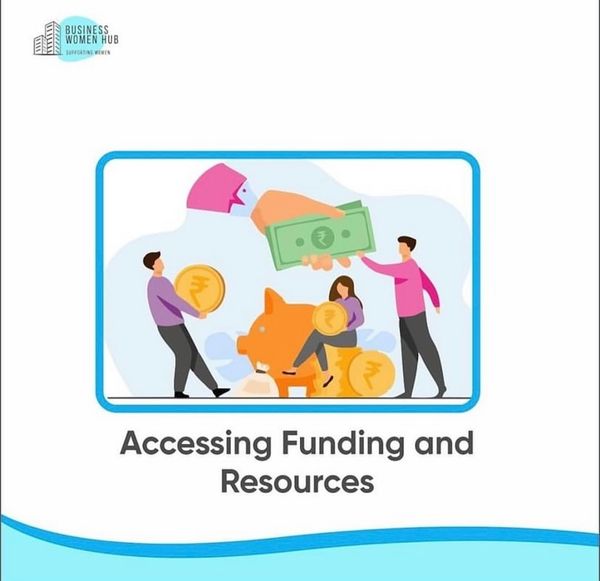
Access to Resources: Finding funding, mentorship, and other valuable resources can be tough. Seek out networks, organizations, and initiatives that are designed to support women in business, as they offer guidance, opportunities, and resources tailored to help you grow.


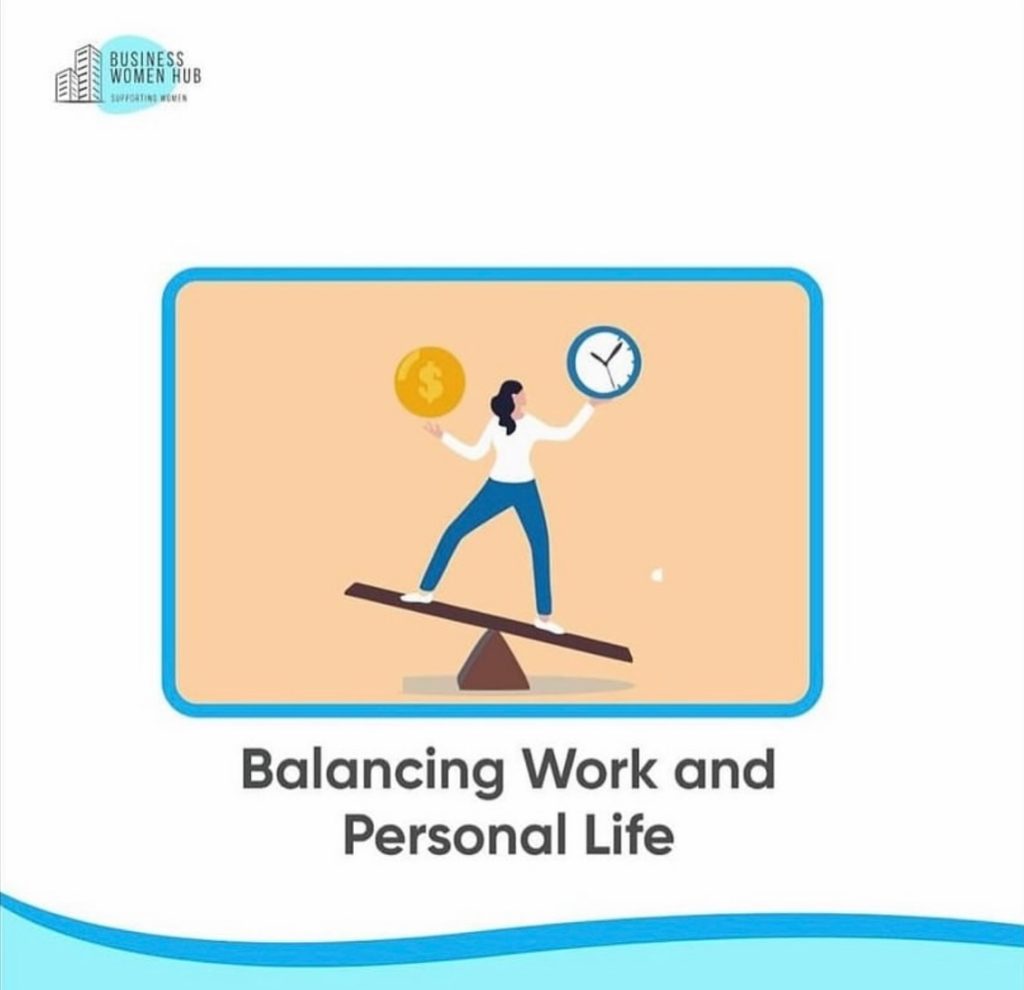
Work-Life Balance: Balancing personal and professional life can be demanding, especially for women with additional responsibilities. Prioritize self-care, set boundaries, and delegate tasks when necessary to ensure long-term success

Building a Strong Support Network: Networking is critical for any entrepreneur. Connect with other women in business, attend industry events, and engage in online communities to gain support and build lasting relationships with those who share your experiences

Believing in Your Abilities: Confidence is key. Believe in your capabilities, surround yourself with positive influences, and celebrate every milestone on your journey.

Remember, the power to create your own success is in your hands!

Posted on Leave a comment

4 Tips to Maximize Profits in Business

Profitability is a measure of a company’s ability to generate maximum revenue while incurring minimal costs. In the most basic sense, profit goes up as sales increase and/or costs decrease.
In reality, though, achieving profitability is anything but simple. Because sales and costs are not necessarily incremental, focusing too much on increasing sales could leave you at risk if there is a sudden, unforeseen decrease in demand.

Cost of goods sold Adjust pricing/Cost of Goods Sold (COGS) (COGS) are the direct costs associated with making a product or delivering a service—mainly raw materials and labor. It’s critical that COGS is calculated accurately and kept as consistent as possible so that products or services may be priced correctly.
To achieve this, companies must define, track and price the time and material resources needed to complete each build. By standardizing the manufacturing process, you should be able to accurately anticipate true costs and avoid large discrepancies from one build to the next—thus standardizing COGS.

Review Your Product Portfolio and Pricing


Related to both of the above items, it’s important to understand the true unit margins for each product in your portfolio and update that data frequently.
A good rule of thumb: Before adding a new offering, review your current portfolio. Are products underperforming? Do you have difficult-to-produce items that are eating away at your margins, time and money?

Increase Customer Lifetime Value

Never underestimate the power of happy clients. Understanding your customers and delivering consistently excellent experiences is perhaps the most cost-effective way to increase loyalty and acquire new customers via referrals.
You can show appreciation for your existing customers, increase their lifetime value, deliver new leads and boost your profits. How? Consider: Incentives, Encourage referrals, Recommendations and reviews, Customer retention.

Refine Demand Forecasts

If you have more componentry or raw material inventory than demand, you’ll end up spending to store it, or worse, have it expire and need to be replaced. But if you don’t have enough, you’ll pay for rush orders and expedited shipping—both of which increase COGS.

Posted on 1 Comment

HOW TO OPTIMIZE BUSINESS CASHFLOW

Optimizing business cash flow is crucial for maintaining financial stability and growth.
Here are some ways to achieve that:

Monitor and forecast cash flow & Implement cash flow budgets:  Regularly track and analyze your cash flow, predicting incoming and outgoing funds. This helps identify potential shortfalls or excesses and allows for proactive management. Also, Create and follow a comprehensive cash flow budget that aligns with your business goals. This ensures better financial planning and allocation of resources.

Improve cash collection & Streamline accounts payable : Implement efficient and timely invoicing processes to ensure prompt payment from customers and negotiate favorable terms with suppliers and consider extending payment terms without incurring penalties. Automate payment processes wherever possible to ensure accuracy and timeliness.

Reduce expenses & Optimize pricing strategies : Regularly review and identify areas where expenses can be minimized and evaluate your pricing structure to ensure it aligns with market trends and covers costs while maintaining competitiveness.

Manage debt effectively & Seek Professional Advise : Keep a manageable level of debt and prioritize debt payments based on interest rates and terms also, consult with financial advisors or accountants to gain expert insights into optimizing cash flow and implement strategic financial management techniques.


Posted on Leave a comment

ELEMENTS OF A SUCCESSFUL BUSINESS IDEA

An element of a business idea refers to a specific component or aspect that contributes to the overall concept and viability of a business venture.

Here are a few key elements commonly found in a business idea:

Clear Value Proposition: This is the most important element of a successful business idea. One need to identify the clear pain points, needs or problems of customers, and create a product or service that solves them. The value proposition should highlight how your product or service is unique and better than alternatives in the market. It should clearly define the benefits and the value that your customers can get, and how it is different from your competitors.

Market Validation: This is the process through which you validate the potential demand for your product or service. This can be done by conducting market research, studying the market trends, analyzing competitors, and gathering feedback from customers. Market validation helps to ensure that your business idea has a strong potential to succeed in the market.

Strong Business Model: A strong business model is crucial for success. It should be designed in a way that the company has multiple sources of revenue and is able to generate profits over time. The business model should be scalable, adaptable, and flexible enough to meet the changing needs of the market and customers.

Sustainability: This encompasses the social and environmental impact of the business. Ethical practices and long-term sustainability should be integrated into the core operations, ensuring responsible and conscientious business practices. By combining a well-defined business model with a strong focus on sustainability, businesses can strive for long-term success while positively impacting society and the environment.

These elements, when thoughtfully integrated and executed, contribute to the foundation and potential success of a business idea.

Posted on Leave a comment

5 WAYS TO USE AI IN YOUR BUSINESS

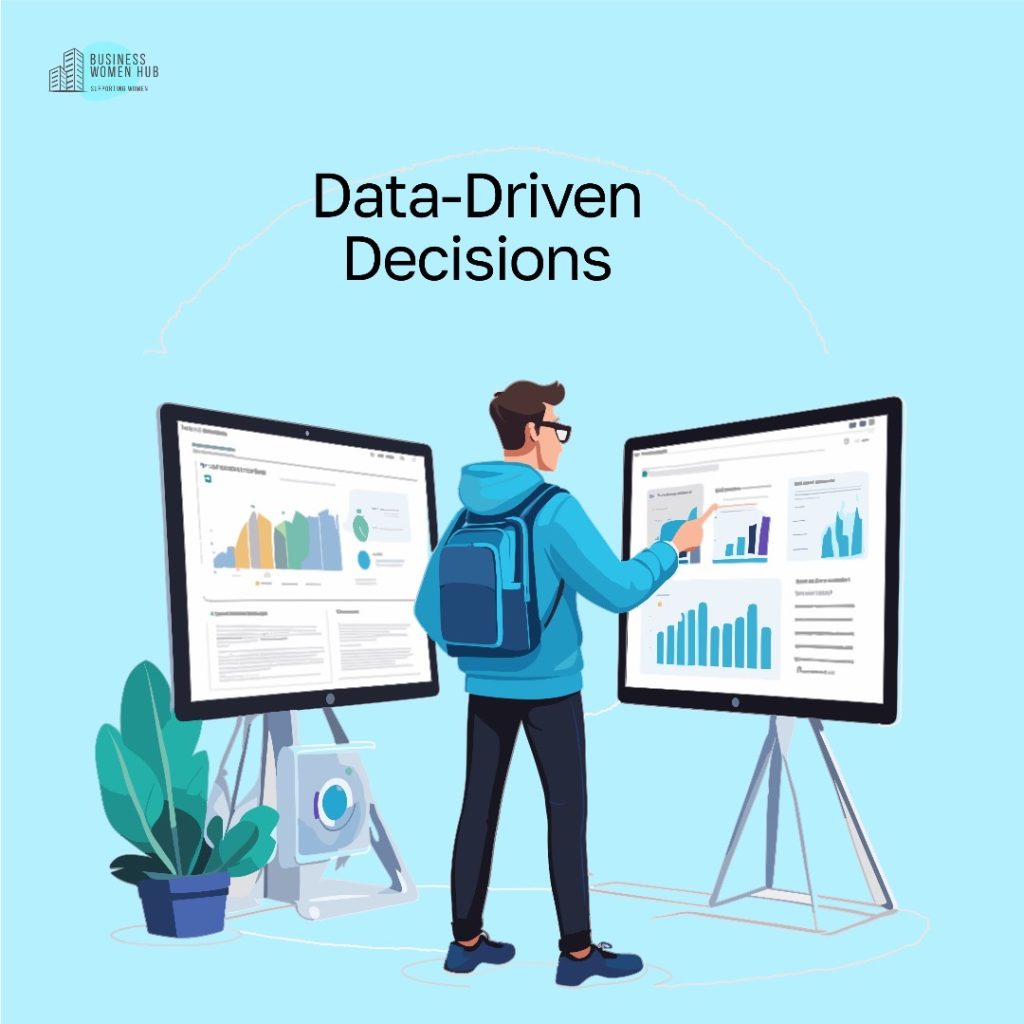
*Data-Driven Decisions: AI can help businesses make more informed decisions based on data analysis. AI models can be trained to make predictions and provide insights that can help businesses optimise their operations, improve their products or services, and identify new opportunities. By leveraging AI, businesses can quickly and accurately analyse large amounts of data and extract meaningful insights that can inform strategic decisions.

* Enhance Cybersecurity Measures: AI can be used to enhance cybersecurity measures by detecting and responding to potential threats in real-time. AI algorithms can learn to recognise patterns of suspicious user behaviour and identify threats that traditional rule-based systems might miss. By detecting and responding to cyber threats faster, AI can help businesses prevent breaches and protect sensitive data from loss or theft.

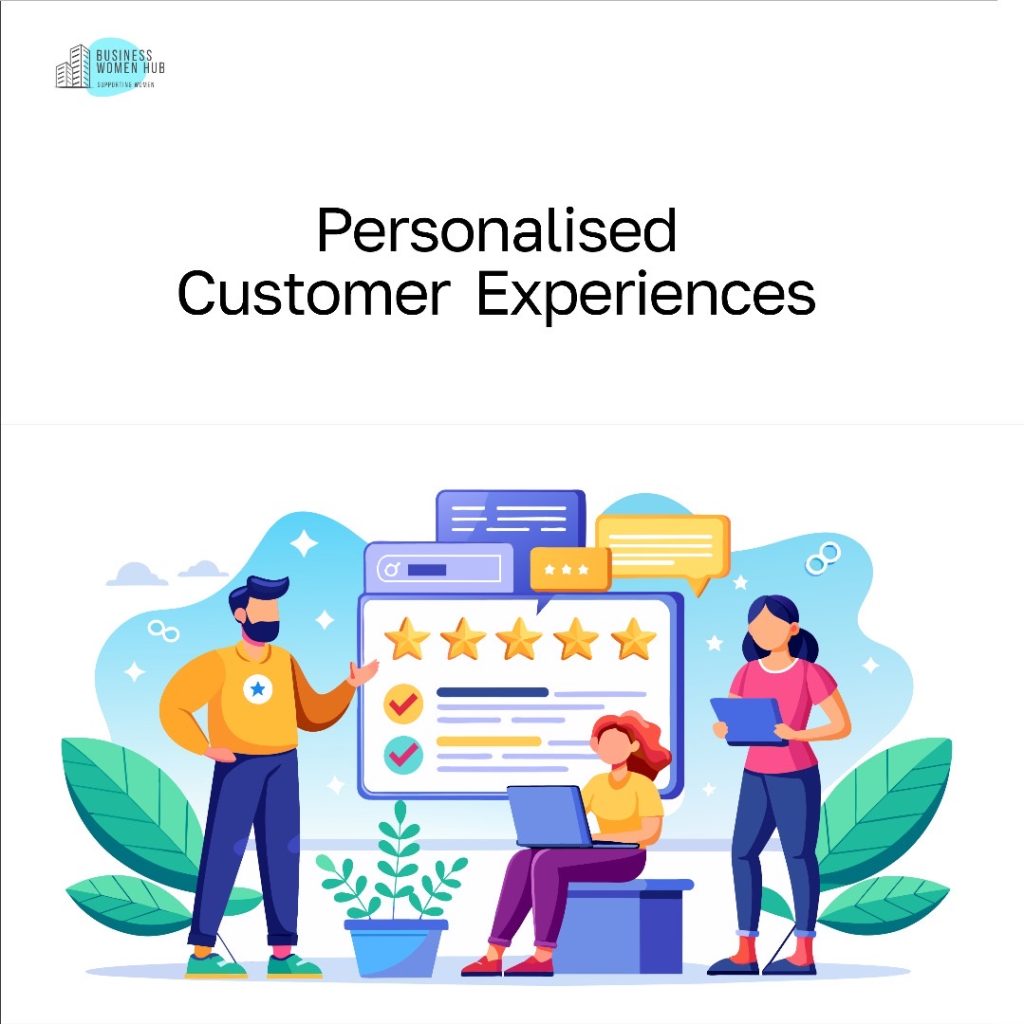
*Personalised Customer Experiences: With the help of AI, businesses can provide personalised customer experiences. AI algorithms can analyse large amounts of customer data to understand customer preferences and behaviour, and use that information to tailor recommendations, promotions, and product offerings. By providing truly personalised experiences, businesses can improve customer satisfaction and loyalty, ultimately leading to increased revenue.

*Automate Repetitive Tasks: AI can be used to automate repetitive tasks that would otherwise require a significant amount of time and resources. By automating tasks such as data entry, report creation, or customer service, businesses can reduce costs and free up time for employees to focus on more value-added activities. This can ultimately improve productivity and help businesses stay competitive.

*Improve Operational Efficiency: Finally, AI can be used to improve operational efficiency across a range of business functions. AI-powered systems can optimise supply chain processes, schedule production runs, and monitor inventory levels, helping to reduce waste, avoid stockouts, and improve overall efficiency. By using AI to improve operational efficiency, businesses can reduce costs and improve their bottom line. These are just a few examples of how businesses can leverage AI to drive growth and success.

Posted on Leave a comment

COMMON WAYS TO RAISE CAPITAL FOR YOUR BUSINESS

What is capital? 
Capital means the money and assets that are used to start, run, or grow a business.

One of the ways to raise capital for your business is through Investors 

Investors: You can pitch your business idea to potential investors who may provide funding in exchange for equity or a share of your company.

Business Loans: You can apply for loans from banks or financial institutions. These loans usually require a solid business plan and collateral.

Crowdfunding: Platforms like Kickstarter or GoFundMe allow you to raise funds from a large number of people who believe in your business idea.

Grants: Look for grants offered by government organizations or private foundations that support businesses in your industry or location.

Posted on Leave a comment

THE IMPORTANCE OF BRANDING FOR YOUR BUSINESS

Branding is super important for your business, It plays a crucial role in unifying your business, boosting sales, shaping perception, creating customer preference, and enabling business extension. It’s all about crafting a strong and consistent brand identity that resonates with your target audience.  

*Unity: Branding brings unity to your business by establishing a consistent look, feel, and message across all your marketing materials. This helps create a cohesive and recognizable brand that customers can easily identify.

*Sales is indeed an important aspect of branding Sales: A strong brand can have a positive impact on your sales. When customers recognize and trust your brand, they’re more likely to choose your products or services over competitors. Branding helps build that trust and loyalty, leading to increased sales.

*Perception: Your brand influences how customers perceive your business. Through branding, you can shape the perception of your brand to align with your desired image. It’s all about creating a positive and memorable impression that resonates with your target audience.

*Preference: Branding helps create a preference for your business among customers. When your brand effectively communicates its unique value proposition and connects with customers on an emotional level, it can influence their buying decisions and make them choose your brand over others.

*Extension: Branding allows you to extend your business beyond its core offerings. By building a strong brand, you can expand into new product lines or services while leveraging the trust and reputation you’ve already established. This makes it easier to enter new markets or diversify your business.