A strong business model is more than just a business plan—it’s a strategic roadmap for long-term success. To build a model that creates lasting value, follow these key steps:
Identify Your Target Audience – Instead of appealing to a broad market, focus on well-defined buyer personas who truly need your product or service.
Establish Business Processes – Define the essential activities required to deliver your product or service efficiently.
Record Key Business Resources – Ensure your business has the necessary assets, such as capital, intellectual property, and digital tools, to sustain daily operations.
Develop a Strong Value Proposition – Differentiate your business by offering something unique and valuable to customers By implementing these elements, businesses can enhance efficiency, improve customer satisfaction, and sustain long-term growth.
With all that said, it’s wise to assume that no business is safe when it comes to a recession. So here are some strategies for business survival during a recession you can employ to give your business the best chance.
Cut or reduce unnecessary costs
This is an obvious one but it’s by no means a silver bullet solution, nor is it sustainable. However, when times turn tough you might want to consider the following: 1.Negotiating down your monthly rent and any other supplier costs
2. Find cheaper vendors for utilities and cut any non-essential technology costs
3. Delay payables and collect receivables sooner
4. Consider whether poorly performing employees are worth retaining
5. Look at flexible staffing options
Nurture your existing customer base
Reach out to your existing clients or customers and ask them what they want or need from you. Listen to them and then deliver outstanding customer service. If your existing customer base is nurtured throughout a difficult time, they are more likely to be loyal and recommend you to their networks. You might even consider cutting the bottom 20% of your worst-performing customer base to ensure you’re devoting precious resources to those that are worth it.
Support the employees you’re retaining
A recession naturally provokes anxiety and fear, especially if costs are being cut and employees are being furloughed or even laid off. Letting your poorest-performing employees go may be a step you need to take. If so, build morale and motivation in the employees you’re retaining by clearly communicating with your staff what is happening within the business. Try to involve them in the decision-making process, so they can feel included and part of the solution. Motivate them to work hard because you’re all in it together.
Build relationships
Always keep the lines of communication open. Get out there, network and build relationships. Keep your ears open, your eyes peeled and your thinking outside the box because you’re going to need your wits about you to spot those much-needed opportunities.
An element of a business idea refers to a specific component or aspect that contributes to the overall concept and viability of a business venture.
Here are a few key elements commonly found in a business idea:
Clear Value Proposition: This is the most important element of a successful business idea. One need to identify the clear pain points, needs or problems of customers, and create a product or service that solves them. The value proposition should highlight how your product or service is unique and better than alternatives in the market. It should clearly define the benefits and the value that your customers can get, and how it is different from your competitors.
Market Validation: This is the process through which you validate the potential demand for your product or service. This can be done by conducting market research, studying the market trends, analyzing competitors, and gathering feedback from customers. Market validation helps to ensure that your business idea has a strong potential to succeed in the market.
Strong Business Model: A strong business model is crucial for success. It should be designed in a way that the company has multiple sources of revenue and is able to generate profits over time. The business model should be scalable, adaptable, and flexible enough to meet the changing needs of the market and customers.
Sustainability: This encompasses the social and environmental impact of the business. Ethical practices and long-term sustainability should be integrated into the core operations, ensuring responsible and conscientious business practices. By combining a well-defined business model with a strong focus on sustainability, businesses can strive for long-term success while positively impacting society and the environment.
These elements, when thoughtfully integrated and executed, contribute to the foundation and potential success of a business idea.
Budgeting tips are important for business owners as they provide financial control, help manage costs, facilitate informed decision making, and enable effective financial planning. By implementing these strategies, business owners can achieve greater financial stability, growth, and long-term success.
Certainly! Here are the details for each smart budgeting tip for small business owners:
TRACK EVERY EXPENSE: To effectively manage your finances, it’s crucial to track every expense incurred by your small business. This includes keeping a record of both major and minor expenditures. By diligently tracking your expenses, you gain insights into where your money is going and can identify areas where you might need to cut back or find more cost-effective alternatives.
SET CLEAR FINANCIAL GOALS: Establishing clear financial goals provides a roadmap for your business’s financial success. It could include objectives like increasing revenue, reducing costs, improving cash flow, or investing in expansion. By defining these goals, you can align your budgeting efforts towards achieving them.
UTILIZE BUDGETING TOOLS: Take advantage of budgeting tools that are designed to simplify the process and help you stay on top of your finances. There are several online platforms and software available that can assist in budget creation, expense tracking, and financial analysis. These tools can provide visual representations of your financial data, making it easier to identify trends and make informed decisions.
REGULARLY MONITOR AND ADJUST: Budgeting is not a one-time task; it’s an ongoing process. Regularly monitor your budget and compare it to your actual financial performance. Identify any discrepancies or areas where you may need to make adjustments. This allows you to stay proactive in managing your finances and make necessary changes to keep your business on track.
BUILD AN EMERGENCY FUND: Small businesses can face unexpected challenges or downturns. Building an emergency fund is essential for financial resilience. Allocate a portion of your budget towards creating a contingency fund that can be used to cover unexpected expenses or sustain your business during difficult times. Having this safety net can provide peace of mind and help mitigate potential financial risks.
Implementing these smart budgeting tips can contribute to the financial stability and growth of your small business. Remember, consistently reviewing and adapting your budgeting strategies based on your business’s evolving needs is key to long-term financial success.
Building a strong network means creating and nurturing connections with other professionals in your industry or community. It involves actively engaging with people, building relationships, and maintaining regular communication. Building a strong network can bring numerous benefits. Here are some details about each benefit:
Access to opportunities: When you have a strong network, you have access to a wider range of opportunities. Your connections can provide you with job leads, business partnerships, or even mentorship opportunities that you may not have otherwise come across.
Learning and development: A strong network allows you to learn from others who have different experiences and expertise. By connecting with professionals in your field or industry, you can gain valuable insights, knowledge, and advice that can help you grow both personally and professionally.
Increased visibility: Building a strong network can increase your visibility within your industry or community. When people know who you are and what you do, they are more likely to think of you when relevant opportunities arise. This visibility can lead to more recognition, collaborations, and career advancement.
Professional support: Your network can provide you with a support system of like-minded individuals who understand the challenges and triumphs of your profession. They can offer guidance, encouragement, and advice during difficult times and celebrate your successes with you.
Personal growth: Building a strong network can also contribute to your personal growth. Interacting with diverse individuals can broaden your perspectives, challenge your assumptions, and help you develop new skills. Additionally, the relationships you build within your network can lead to lifelong friendships and a sense of belonging.
Networking for entrepreneurs is the process of building relationships with other professionals in order to grow your business. It involves attending events, meeting new people, and fostering connections with others who can offer support, advice, and opportunities. The goal of networking is to expand your circle of contacts and build a community of people who can help you achieve your business goals.
Here are some tips for entrepreneurs looking to network and build business relationships:
Attend networking events: Networking events are a great way to meet new people and expand your network. Look for events that are relevant to your industry or interests.
Be authentic: People can tell when you’re not being genuine. Be yourself and focus on building real relationships with people.
Listen actively: Listening is an important part of building relationships. Ask questions and show a genuine interest in what others have to say.
Offer value: Building relationships is a two-way street. Look for ways to offer value to the people you meet, whether it’s through sharing your expertise or making an introduction.
Follow up: After meeting someone, make sure to follow up with them. Send a personalized message and look for ways to stay in touch.
Leverage social media: Social media can be a great tool for networking. Connect with people on LinkedIn and Twitter, and look for opportunities to engage with them.
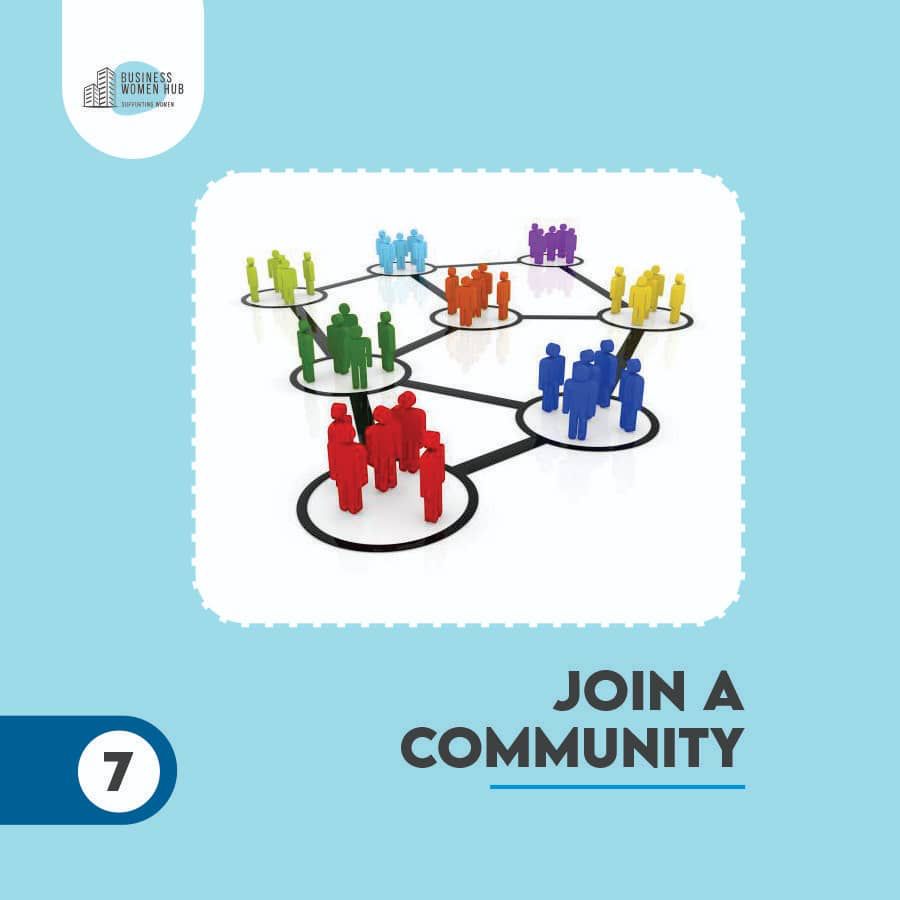
Join a community: Joining a community of like-minded entrepreneurs can be a great way to build relationships and get support. Look for groups on LinkedIn or Facebook, or join a local business association.
If you don’t want to expand into new markets or add new services to your revenue stream, you can also grow your business by being very focused on a single niche. This gives you the opportunity to become a “big fish in a small pond.”
A niche is a narrowly defined group of customers. Look for a subset of the larger market whose needs are not being met, then concentrate on meeting those unmet needs at a consistently high and accessible level. So you could be the one that offers the best service at an unbeatable price , or that sells the best products within your business market at an unbeatable with great customer service.
By conquering your market niche, you need to identify a value that will make you stand out.