Posted on Leave a comment

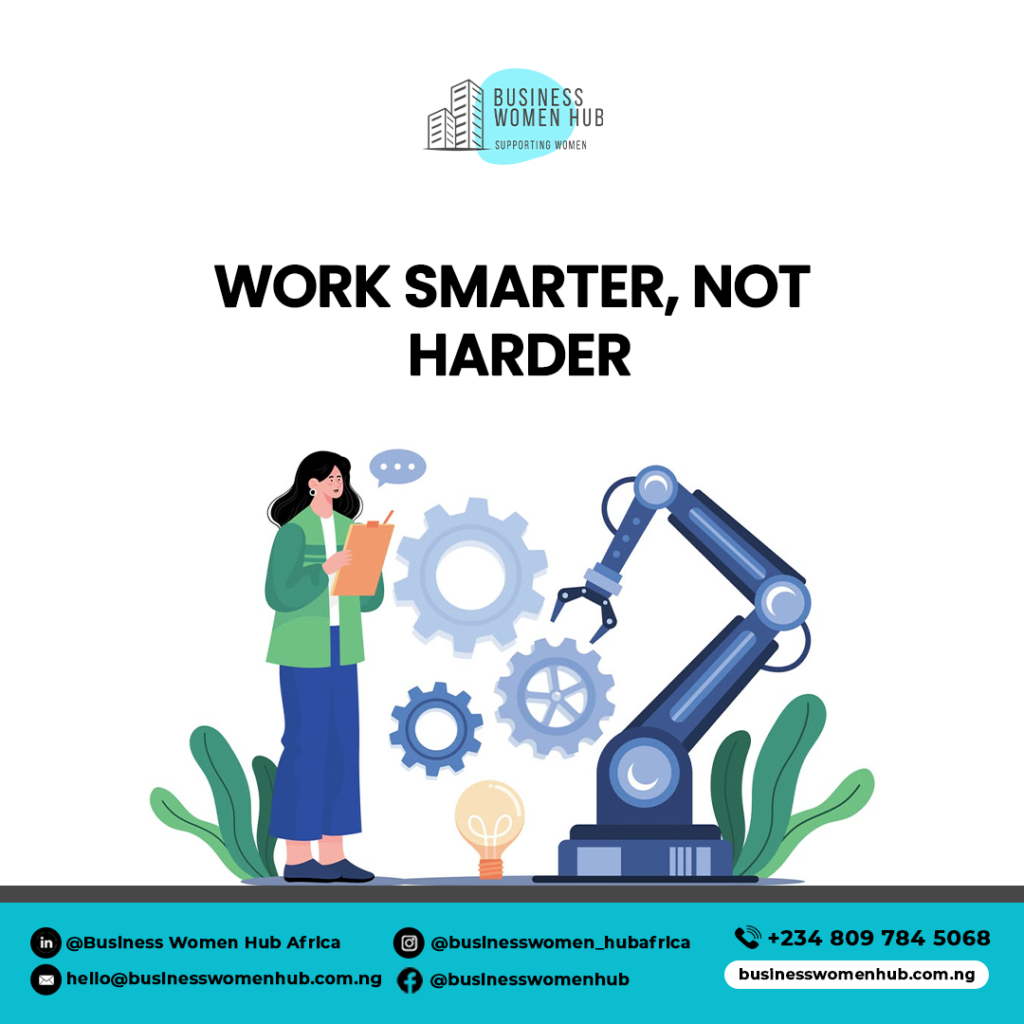
Stop Doing Everything Yourself: How Automation Can Help Your Small Business Work Smarter

Running a small business can sometimes feel like having ten different jobs at once.

You’re responding to customers, processing orders, creating social media content, following up with leads, tracking sales, managing finances, and still trying to find time to actually grow the business.

And because you’re used to doing everything yourself, it can be difficult to imagine another way. But here’s the good news: your business doesn’t have to depend on you manually handling every single task.

This is where automation comes in.

Automation allows simple systems and digital tools to take care of repetitive tasks for you. It doesn’t mean removing the human side of your business. Instead, it helps you spend less time on routine work and more time on the things that truly need your attention – such as strategy, sales, relationships, and growth.

Work Smarter, Not Harder

One of the biggest advantages of automation is the time it can save.

Start by paying attention to the tasks you repeat every day or every week. Do you send the same welcome message to every new customer? Answer the same questions repeatedly? Send similar reminders? Schedule social media posts manually? These are the kinds of tasks that could potentially be automated.

Here’s how to get started:

  • Identify repetitive tasks: Look for activities you perform repeatedly.
  • Start small: Choose one task to automate instead of trying to automate your entire business at once.
  • Use the right tools: Select simple, affordable tools that suit your business and your level of technical experience.
  • Use your saved time intentionally: Put the extra time into sales, business strategy, customer relationships, and growth.

Remember, automation is not about replacing you. It’s about reducing unnecessary workload.

You didn’t start your business just to spend your entire day doing repetitive administrative tasks. Build systems that help your business work better, even when you’re busy.

Automate Your Customer Experience

Customers value speed and convenience. When someone sends you a message, they want a response. When they place an order, they want to know what is happening. When they show interest in your product, a timely follow-up can make the difference between a lost sale and a completed purchase.

But as your business grows, manually keeping up with every customer can become overwhelming. Automation can help you remain responsive without having to be online every minute of the day.

Some customer tasks you can automate include:

  • Welcome messages: Give new customers a warm first impression as soon as they reach out.
  • Frequently asked questions: Prepare quick responses to common questions about prices, products, delivery, payment, opening hours, and more.
  • Order updates: Keep customers informed about their orders without having to send every update manually.
  • Follow-ups: Remind potential customers about products they showed interest in and check in with existing customers after a purchase.
  • Customer reminders: Schedule reminders for appointments, promotions, important announcements, or upcoming events.

However, there’s one important rule: automation should still feel human.

Customers should not feel like they are talking to a machine at every stage of their buying journey. Use automation to make communication easier and faster while keeping your brand’s personality and warmth.

Put Your Marketing on Autopilot

Marketing is essential for business growth, but constantly trying to remember what to post, when to send an email, or when to follow up with a potential customer can become exhausting.

Automation can help you remain visible and consistent without having to start from scratch every morning.

For example, instead of waking up every day wondering what to post, you can plan your content in advance and schedule it to go out automatically.

Here are a few ways to automate your marketing:

  • Schedule your content: Plan your social media posts ahead of time.
  • Create email sequences: Automatically welcome new subscribers and nurture potential customers.
  • Set reminders: Schedule reminders for promotions, campaigns, events, and important marketing activities.
  • Reuse successful content: Turn a popular post into a video, carousel, email, blog post, or another piece of content.
  • Track your results: Use simple analytics tools to understand what content and campaigns are generating results.

The goal isn’t to be online 24/7. The goal is to build a system that keeps your business visible even when you’re busy working on other things.

Consistency becomes much easier when you have systems supporting you.

Build a Business That Doesn’t Depend on You for Everything

Imagine taking a day off without worrying that everything will come to a standstill.

That’s one of the bigger goals of building systems in your business.

A business that depends on the owner for every single decision, response, process, and task can quickly become exhausting. But when you document processes and create clear workflows, you make it easier for tasks to be completed consistently.

Start building better systems by:

  • Documenting your processes: Write down how important tasks are done so they don’t exist only in your head.
  • Automating repetitive work: If a task follows the same pattern every time, consider whether a tool can handle part or all of it.
  • Creating clear workflows: Make it easy to understand what happens first, what comes next, and who is responsible.
  • Reviewing your systems regularly: Automation is only useful if it actually saves time and improves your results.
  • Continuously improving: As your business grows, your systems should grow with it.

The more structure you build into your business, the less chaos you have to manage.

You Don’t Need a Big Business to Start Automating

Automation isn’t only for large corporations with huge teams and expensive technology. Small businesses can start with simple systems too.

You might begin with something as straightforward as scheduling your social media posts, setting up automated customer responses, creating email reminders, or documenting a process you repeat regularly.

The important thing is to start somewhere.

Don’t wait until your business becomes so busy that you’re completely overwhelmed. Start building systems now that can support the business you want to have in the future.

Posted on Leave a comment

Beyond the Shop: 4 Powerful Merits of Having an E-Commerce Store

In today’s fast-moving digital world, having a physical business location is no longer the only way to reach customers. An e-commerce store can help you take your products beyond your immediate environment, make shopping easier, build trust, and create systems that support long-term growth.

Whether you run a food business, fashion brand, beauty business, service-based business, or retail store, an online storefront can open your business up to opportunities you may never have imagined.

Here are four powerful ways an e-commerce store can benefit your business.

Take Your Business Beyond Your Location

Your business shouldn’t be limited to the customers who live or work around you.

With an e-commerce store, customers can discover your products from different cities, states, and even countries. Your location may be where your business operates, but it doesn’t have to determine how far your products can travel.

An online store allows you to:

  • Reach more customers: Sell beyond your immediate community and expand your customer base.
  • Stay open 24/7: Customers can browse your products and place orders even when you’re not available.
  • Break geographical barriers: You can serve customers who may never visit your physical store.
  • Enter new markets: Your online presence can introduce your products to an entirely new audience.
  • Increase visibility: A well-presented storefront makes it easier for potential customers to discover your business.

The takeaway: Don’t let geography put a limit on your ambition. Your business can go much further when your products are available online.

Make Shopping Easier for Your Customers

Customers love convenience. The easier it is for people to find, understand, and purchase your products, the better their shopping experience becomes.

An e-commerce store removes many of the barriers that can make shopping stressful or time-consuming.

Customers can:

  • Discover products easily without having to visit a physical store.
  • Shop from anywhere – whether they’re at home, at work, or on the go.
  • See important information such as prices, pictures, descriptions, sizes, colours, and available options in one place.
  • Compare their options and make better purchasing decisions.
  • Return easily for repeat purchases because they already know where to find your products.

Convenience can be a powerful competitive advantage. When you make it easier for customers to shop with you, you also make it easier for them to choose you over the competition.

The takeaway: Don’t just sell a product. Create a shopping experience that makes customers want to come back.

Build a Professional and Trustworthy Brand

Your e-commerce store is more than a place to display your products. It is an extension of your brand.

A well-organised and professional online storefront can make your business appear more credible and give potential customers greater confidence in buying from you.

You can use your online store to:

  • Create a professional presence: Give customers a central place to learn about and shop from your business.
  • Showcase your products beautifully: Quality images and clear descriptions help customers understand exactly what you offer.
  • Build credibility: A consistent and organised digital presence can strengthen customer confidence.
  • Tell your brand story: Communicate who you are, what your business stands for, and why customers should choose you.
  • Stand out from competitors: A strong digital presence can help your business make a memorable impression.

Remember, customers don’t only buy products. They also buy confidence. Your online store should communicate one simple message: “You can trust this business.”

Sell Smarter and Create Room for Growth

Running a business already comes with enough responsibilities. Your sales process shouldn’t add unnecessary stress.

An e-commerce store can help you organise your products, simplify the buying process, reduce repetitive enquiries, and create more opportunities to generate sales.

With the right online system, you can:

  • Organise your products: Keep your offerings in one easy-to-access location.
  • Reduce repetitive questions: Customers can find prices, product information, and other details directly on your store.
  • Understand customer preferences: Your sales activity can reveal which products customers are interested in and what they buy most.
  • Create more sales opportunities: Your storefront can receive orders while you focus on other important areas of your business.
  • Prepare for growth: A reliable online sales system gives you a stronger foundation for serving more customers as your business expands.

Growth becomes easier when you have systems working alongside you.

Your Business Deserves to Go Further

An e-commerce store is not simply another business expense. When used effectively, it can become an investment in visibility, convenience, credibility, and growth.

Your physical store can serve the people around you, but your online store can help you reach people far beyond your immediate location.

So, if you’ve been wondering whether your business is ready to go online, perhaps the better question is:

How much further could your business go if your customers could shop from you anytime, anywhere?

The digital marketplace is already filled with customers looking for products like yours. Make it easy for them to find you, trust you, and buy from you.

Posted on Leave a comment

Small Changes, Bigger Sales: Simple Improvements That Can Transform Your Business

Many business owners believe that growing sales requires a huge investment, a complete business overhaul, or a major marketing campaign. But the truth is, business growth often starts with small, intentional changes.

A faster response to a customer. A clearer product description. Better packaging. A simple follow-up message. Showing up consistently.

These may seem like small actions, but when done repeatedly, they can create a noticeable difference in your sales, customer relationships, and overall business growth.
Here are four simple ways to make small improvements that can lead to bigger results.

Start Small, Think Big

You don’t have to change everything in your business at once. Sometimes, the smallest improvements can have the biggest impact. Start by looking at your customer’s journey. What can you make easier, faster, clearer, or better?

Here are a few simple changes you can make:

  • Respond to customer inquiries faster: Quick responses show customers that you value their time and business.
  • Improve your product photos: Clear, attractive images help customers understand exactly what they are buying.
  • Write clearer product descriptions: Don’t just list what your product is. Explain its value and how it solves a customer’s problem.
  • Make ordering easier: Remove unnecessary steps that could make customers abandon their purchase.
  • Follow up with interested customers: Sometimes, customers need a gentle reminder before making a decision.

You don’t need to transform your entire business overnight. Improve one thing today, then another tomorrow. Small improvements, when repeated consistently, can compound into remarkable results.

Better Customer Experience Creates Better Sales

Customers don’t only remember what they bought. They remember how your business made them feel.

A smooth, thoughtful customer experience can turn a first-time buyer into a repeat customer, and a satisfied customer can become one of your best marketers through referrals and recommendations. You can improve your customer experience without spending a fortune. Sometimes, it’s the little things that matter most.

Try these simple actions:

  • Greet every customer warmly and professionally.
  • Keep customers informed about the progress of their orders.
  • Deliver products exactly as promised.
  • Add a thank-you note or thoughtful touch to your packages.
  • Ask customers for feedback and genuinely appreciate their reviews.

When customers feel valued, they are more likely to return. Happy customers become repeat customers, and repeat customers are the foundation of sustainable business growth.

Consistency Builds Customer Confidence

Trust is one of the most valuable assets any business can have. And one of the best ways to build trust is through consistency. Customers want to know that the quality they receive today will be the same quality they can expect tomorrow.

You don’t have to be everywhere or post every hour of the day. Instead, focus on being consistent in the places where your customers already find you.

Here are a few ways to build consistency into your business:

  • Post useful and valuable content regularly.
  • Maintain the same standard of quality across your orders.
  • Keep your prices, policies, and terms clear.
  • Respond to customers professionally every time.
  • Continue showing up even when sales are slow.

Every consistent action strengthens your reputation. When customers know they can depend on you, they become more confident in choosing your business. Consistency may look like a small business habit, but over time, it can produce big sales.

Keep Improving What Already Works

Business growth isn’t always about finding the next big strategy. Sometimes, it’s about looking at what is already working and asking, “How can I make this even better?”

Smart entrepreneurs don’t simply settle for “good enough.” They pay attention to their results, listen to their customers, and continuously look for opportunities to improve.

For example:

  • Identify your best-selling product and find more ways to promote it.
  • Update old product photos and descriptions.
  • Improve your packaging and presentation.
  • Review customer feedback and implement useful suggestions.
  • Check your sales performance regularly and adjust your strategy.

You don’t always need a completely new idea. Sometimes, you simply need to make your existing idea better.

The Bigger Picture: Growth Happens One Improvement at a Time

Growing a business is not always about making dramatic moves. More often, it is about making small decisions that improve your business little by little.

A faster response today.
A better customer experience tomorrow.
More consistent content next week.
Improved packaging next month.

Over time, these small actions can create something much bigger: a stronger brand, happier customers, increased trust, and more sales.

So, don’t wait until you have the perfect strategy or a huge budget to improve your business.

Start with one small change today. Because success isn’t built overnight. It is built one intentional improvement at a time.

Posted on Leave a comment

Overcoming Fear in Business: How to Build Confidence, Take Action, and Grow Your Business

Every entrepreneur experiences fear. Whether it’s the fear of failure, being judged, losing money, or making the wrong decision, these emotions are part of the journey. The difference between those who succeed and those who remain stuck isn’t the absence of fear; it’s the decision to keep moving despite it.

Fear often whispers that you’re not ready, not experienced enough, or that the risks are too great. But every thriving business started with someone who chose to act before they felt completely confident.

If you’ve been waiting for the “perfect time” to launch, expand, or take the next step in your business, this is your reminder: progress begins the moment you choose courage over comfort.

Fear Is Not a Stop Sign

Fear is natural, but it shouldn’t determine the direction of your business. Instead of seeing fear as a signal to stop, view it as evidence that you’re stepping into new opportunities and growth.

Here are a few ways to move forward despite fear:

  • Acknowledge your fear instead of ignoring it.
  • Take one bold step, even if it’s small.
  • Stop waiting to feel “ready.” Confidence comes through action.
  • Learn from mistakes rather than allowing them to define you.
  • Focus on possibilities instead of worst-case scenarios.

The truth is, fear doesn’t have to disappear before you move. Your dreams become possible the moment you decide they’re bigger than your doubts.

Build Confidence Through Small Wins

Confidence isn’t something you’re born with; it’s something you develop through consistent action.

Every customer you serve, every product you sell, every challenge you overcome, and every lesson you learn strengthens your belief in yourself. Small victories create the momentum needed for bigger successes.

To build lasting confidence:

  • Celebrate every win, no matter how small.
  • Keep learning to reduce uncertainty.
  • Measure your progress against your own growth, not someone else’s success.
  • Prepare consistently for opportunities.
  • Replace negative self-talk with words of encouragement.

Confidence doesn’t mean you’re no longer afraid. It means you’ve learned to trust yourself enough to move forward anyway.

Don’t Let Fear Make Your Decisions

Fear often disguises itself as procrastination, perfectionism, or excessive caution. Before long, valuable opportunities slip away because of overthinking.

Successful entrepreneurs don’t let fear drive their decisions; they let their purpose lead.

Here’s how to stay in control:

  • Make decisions based on your long-term goals.
  • Stop overthinking and start taking action.
  • Accept that perfection isn’t required for progress.
  • Ask for guidance and support when needed.
  • Continue showing up, even when it feels uncomfortable.

Every opportunity avoided because of fear is an opportunity someone else may embrace. Choose courage over comfort, one decision at a time.

Courage Creates the Business You Dream Of

Behind every successful business is someone who found the courage to begin.

Building a thriving business isn’t about waiting for perfect conditions. It’s about showing up consistently, taking calculated risks, learning from experience, and refusing to quit when challenges arise.

Develop a courageous business mindset by:

  • Believing in the value you bring to the market.
  • Taking calculated risks instead of avoiding all risks.
  • Seeing challenges as opportunities for growth.
  • Surrounding yourself with people who support your vision.
  • Remaining consistent, even when results take time.

Remember, courage isn’t the absence of fear; it’s choosing your purpose despite your fear. Every step you take today moves you closer to the business and life you’re working to build.

Final Thoughts

Fear will always be part of entrepreneurship, but it doesn’t have to be in charge.

Every successful business owner has faced moments of uncertainty. What sets them apart is their willingness to act despite it. The more you take action, the stronger your confidence becomes, and the more your business grows.

So, don’t wait until fear disappears. Start where you are, use what you have, and keep moving forward.
Your future business is built on the courageous decisions you make today.

Posted on Leave a comment

Smart Money Habits Every Entrepreneur Needs to Build Lasting Wealth

Running a successful business isn’t just about making more sales; it’s about managing your money wisely. Many entrepreneurs focus on increasing revenue but overlook the financial habits that create long-term stability and wealth.

The truth is, smart money management is what separates businesses that survive from those that thrive. Whether you’re just starting or growing an established business, adopting healthy financial habits can help you make better decisions, reduce stress, and build a business that truly works for you.

Here are four smart money habits every entrepreneur should develop.

Pay Yourself First, Not Last

One of the biggest financial mistakes entrepreneurs make is paying every bill, supplier, and business expense before setting aside money for themselves. While your business deserves investment, so do you.

Creating wealth starts with developing the habit of paying yourself first, even if it’s a small amount. Remember, consistency is far more important than the size of the amount.

Here are a few smart habits to adopt:

  • Set aside a percentage of every sale as your income or savings.
  • Separate your business and personal finances.
  • Create a monthly budget and stick to it.
  • Build an emergency fund for unexpected business expenses.
  • Treat saving as a business expense, not an afterthought.

Key Takeaway: A profitable business should also create a financially secure entrepreneur. Your business should work for you, not leave you constantly working for money.

Know Where Every Naira Goes

You can’t improve what you don’t measure.

Many businesses don’t struggle because they fail to make money; they struggle because they don’t know where their money goes. Tracking your income and expenses gives you the clarity you need to make smarter financial decisions.

Start by taking control of your cash flow:

  • Record every sale and every expense.
  • Review your cash flow every week.
  • Identify unnecessary spending and eliminate it.
  • Track your most profitable products or services.
  • Use simple bookkeeping tools to stay organized.

Key Takeaway: Every naira should have a purpose. When you tell your money where to go, you’re less likely to wonder where it went. Financial awareness is the first step toward financial freedom.

Spend to Grow, Not to Impress

As your business grows, it’s easy to confuse spending with investing. A fancy office, expensive equipment, or unnecessary upgrades may look impressive, but they don’t always contribute to business growth.

Before making any purchase, ask yourself: “Will this help my business grow?”

Spend wisely by:

  • Investing in tools that improve productivity.
  • Prioritizing marketing that delivers measurable results.
  • Buying inventory based on customer demand, not assumptions.
  • Avoiding unnecessary debt for non-essential purchases.
  • Focusing on value instead of appearances.

Key Takeaway: Growth comes from intentional investments, not expensive distractions. Every smart financial decision you make today strengthens your business for tomorrow.

Build Wealth Beyond Today’s Sales

Making sales feels rewarding, but real financial success comes from what you do after the money reaches your account.

Successful entrepreneurs don’t just earn; they save, invest, and plan for the future. Every profit should contribute to building long-term financial security.

Develop these wealth-building habits:

  • Save consistently from your business profits.
  • Reinvest strategically into areas that generate more income.
  • Diversify your income streams where possible.
  • Set financial goals for the next 6–12 months.
  • Celebrate your progress while continuing to plan.

Key Takeaway: Today’s profits should become tomorrow’s financial security. Strong businesses are built on smart money habits, and smart money habits create lasting success.

Final Thoughts

Financial success doesn’t happen by chance; it happens through consistent, intentional decisions. Every smart choice you make today, from tracking your expenses to saving regularly and investing wisely, strengthens both your business and your personal financial future.

You don’t need to earn millions before practicing good financial habits. Start with what you have, stay consistent, and let your money work as hard as you do.

Remember: Building a successful business isn’t just about increasing your income; it’s about managing your money wisely enough to create lasting wealth.

Posted on Leave a comment

Mindset Shifts That Unlock Business Growth

4 Powerful Ways to Think Differently and Grow Your Business with Confidence

Building a successful business is not only about strategy, funding, or marketing; it starts with mindset. The way you think influences the decisions you make, the risks you take, and the opportunities you pursue.

Many women in business have incredible ideas, talents, and visions, yet their growth is often limited by fear, self-doubt, perfectionism, or burnout. The good news is that small mindset shifts can create powerful transformations in how you lead, build, and grow your business.

This week, we’re exploring four mindset shifts that can unlock greater confidence, clarity, and sustainable business growth.

Start Before You’re Ready

Many women delay launching ideas, products, or opportunities because they’re waiting for the “perfect time.” But growth rarely begins with certainty; it begins with courage.

The truth is, you do not need all the answers before taking your first step. Waiting until everything feels perfectly aligned can keep you stuck longer than necessary. Most successful entrepreneurs started with limited resources, little experience, and many uncertainties, but they chose to begin anyway. Progress matters far more than perfection.

How to Move Forward Confidently:

  • Take action, even if the first step feels uncomfortable
  • Learn while building because experience teaches faster than waiting
  • Use the resources and skills you already have
  • Focus on progress, not flawless execution
  • Trust that every small action creates momentum

Your breakthrough often begins with the decision to start, even before you feel fully ready.

Focus on Solving, Not Selling

Customers rarely buy products simply because of the product itself. They buy because they believe it will solve a need, challenge, or problem they have.

Businesses that grow sustainably understand the importance of creating value before chasing transactions. Instead of constantly asking, “How can I sell more?” ask yourself, “How can I help people better?” When your audience feels understood, they naturally become more connected to your brand.

How to Create Value That Drives Growth:

  • Identify the specific problem your business solves
  • Speak directly to your audience’s needs and challenges
  • Focus on benefits, not just features
  • Build trust before asking for a sale
  • Prioritize impact over quick wins

Serve with purpose, and growth will follow.

Embrace Failure as Feedback

Every successful businesswoman has experienced disappointments, missed opportunities, and moments where things did not go according to plan. The difference is that they chose to learn rather than quit.

Failure is not proof that you are incapable; it is often proof that you are trying, learning, and growing. Growth does not come from avoiding mistakes; it comes from understanding them and improving. Every setback carries a lesson that can sharpen your strategy and strengthen your resilience.

How to Use Challenges as Fuel for Progress:

  • Ask yourself, “What can I learn from this?”
  • Separate temporary outcomes from your long-term potential
  • Reflect on what worked and what needs adjustment
  • Appreciate growth, not just achievements
  • Stay flexible and keep improving

Failures are not roadblocks; they are lessons and redirections that can lead you closer to success.

Protect Your Energy Like a CEO

As your business grows, your time and energy become some of your most valuable resources. You cannot give your best to your clients, team, and business when you are constantly running on empty.

Strong leaders understand that protecting their well-being is not selfish; it is necessary for building a sustainable business. Burnout does not increase productivity. Clarity, focus, and balance do. The way you manage your energy affects the way you lead.

How to Lead with Intention:

  • Set healthy boundaries around your time
  • Prioritize tasks that align with your goals
  • Create space for rest and renewal
  • Learn to say no when necessary
  • Focus your energy on what creates meaningful impact

Growth becomes sustainable when you operate from strength, not exhaustion. Protect your energy because your business thrives when you do.

Final Thoughts

Business growth is not only about doing more; it is about thinking differently. The right mindset can help you take bold action, build stronger connections, overcome challenges, and lead with confidence.

As you continue your journey, remember this:

  • Start before you feel fully ready
  • Focus on solving real problems
  • Learn from every challenge
  • Protect your energy intentionally

Small mindset shifts can create lasting transformation. And sometimes, the biggest breakthrough begins with changing the way you think.

Posted on 2 Comments

Tech Tools Every Woman in Business Should Know: Smart Systems for Smarter Growth

Running a successful business today requires more than hard work; it requires smart tools. As a woman in business, trying to handle operations manually can quickly become overwhelming. From managing customers and payments to marketing and daily operations, the right technology can save time, reduce stress, and help your business grow faster.

The good news? You don’t need to be a tech expert to use powerful business tools effectively.

This guide highlights essential tech tools every woman in business should know, especially tools that work well within the Nigerian business environment.

All-in-One Business Tools to Run Your Operations Smoothly

Trying to manage your business with only WhatsApp chats, spreadsheets, and manual tracking may work for a while, but eventually, it slows growth and creates unnecessary stress. Successful businesswomen use integrated systems that bring everything together in one place.

Here are powerful tools designed to simplify your business operations:

  • Use the BWH Global Storefront: Manage your sales, payments, bookings, products, and customers from one dashboard instead of juggling multiple apps.
  • Try myCRM: Handle customer management, invoices, payroll, and SMS notifications with local payment integrations.
  • Use business dashboards: Track revenue, orders, and performance in real time to make smarter decisions.
  • Automate your workflow: Reduce repetitive tasks and manual follow-ups.
  • Centralize your operations: One system means better organization, less stress, and more control.

Remember: If your business feels scattered, your tools are probably scattered too. Upgrade your systems, and your business will immediately feel more structured and manageable.

Payment & Financial Tools That Work

In business, how easy it is for customers to pay you can determine whether you make a sale or lose it entirely. Smooth payment systems build trust, improve customer experience, and strengthen cash flow.

Here are essential payment tools every Nigerian businesswoman should consider:

  • Use Paystack: Accept online payments easily from customers across different locations.
  • Use Flutterwave: Excellent for both local and international transactions.
  • Try fintech apps like Opay or Moniepoint: Great for quick transfers, POS services, and business banking.
  • Separate business finances: Open a dedicated business account to monitor income clearly.
  • Automate payment tracking: Stop spending valuable time chasing payments manually.

Remember: Seamless payments create smoother business growth. The easier you make it for customers to pay, the faster your revenue can grow.

Marketing & Visibility Tools to Grow Your Brand

You may have an amazing product or service, but if people don’t see it, they won’t buy it. Visibility is one of the strongest drivers of business growth, and technology makes it easier than ever to stay visible consistently.

Here are tools that can help your brand stand out:

  • Use WhatsApp Business: Automate replies, display products professionally, and communicate efficiently with customers.
  • Use Canva: Create polished graphics, flyers, and marketing materials without hiring a designer.
  • Use Instagram: Treat your page like a digital storefront that showcases your brand and builds engagement.
  • Schedule content with tools like Buffer: Stay consistent even during busy periods.
  • Run targeted campaigns: Reach the right audience through ads and strategic promotions.

Remember: Consistency builds trust, and visibility drives sales. The more intentionally you show up online, the harder your business becomes to ignore.

Customer Management & Growth Tools

Customers are the heart of every business. But without proper systems, it becomes easy to lose track of leads, forget follow-ups, and miss valuable opportunities. Strong customer management systems help you build lasting relationships, not just one-time sales.

Here’s how to manage and grow your customer base effectively:

  • Use Zoho CRM: Track leads, automate follow-ups, and manage your sales process efficiently. It also integrates with Nigerian payment systems like Paystack and Flutterwave.
  • Try Trembi: Run WhatsApp and SMS campaigns while monitoring customer engagement.
  • Build your customer database: Don’t rely only on social media followers.
  • Follow up consistently: Many sales happen after several interactions.
  • Personalize communication: Customers respond better when they feel seen and valued.

Remember: Businesses don’t grow from one-time buyers; they grow from strong relationships. The better your customer experience, the stronger your business growth becomes.

Final Thoughts

Technology is no longer optional for business growth; it is a necessity. The right tools can help you save time, increase productivity, improve customer experience, and scale your business with less stress. You don’t need dozens of complicated systems. Start with the tools that solve your biggest challenges, then grow from there.

Work smarter. Automate wisely. Stay visible. Build systems that support your vision.

Because when the right woman has the right tools, there is no limit to what her business can become.

Posted on Leave a comment

Mastering Your Time: A Powerful Guide for the Busy Woman in Business

In today’s fast-paced world, being a woman in business often means wearing multiple hats, managing clients, leading teams, nurturing relationships, and still finding time for personal growth. It can feel like there’s never enough time in the day.

But here’s the truth: success isn’t about having more time, it’s about managing the time you already have with intention. This guide will help you take control of your schedule, focus on what truly matters, and build a business that thrives without burning you out.

Own Your Time Before It Owns You

Your time is constantly in demand, but effective time management starts with one key decision: taking ownership. If you don’t control your time, everything else will. Productivity isn’t about doing more; it’s about doing what matters most.

Here’s how to take charge:

  • Start with priorities: Identify the top three tasks that truly move your business forward each day.
  • Plan your day early: Create a clear structure the night before or first thing in the morning.
  • Set boundaries: Not every call, request, or message deserves immediate attention.
  • Work in focus blocks: Give your full attention to one task at a time.
  • Eliminate time leaks: Reduce distractions that quietly steal your productivity.

Remember: Time is your most valuable business asset. When you manage it well, you don’t just get more done, you build with purpose and clarity.

Prioritize What Truly Matters

Being busy is not the same as being productive. Many women spend their days reacting instead of leading. Real progress comes from focusing on what truly deserves your time. Shift from activity to impact.

Here’s how:

  • Identify high-impact tasks: Focus on actions that drive revenue, growth, and visibility.
  • Use the 80/20 rule: A small portion of your efforts often produces the majority of your results.
  • Separate urgent from important: Not everything urgent is worth your energy.
  • Learn to delegate: You don’t have to do everything yourself to succeed.
  • Say no with confidence: Protect your time like the valuable asset it is.

Remember: Every “yes” to the wrong thing is a “no” to your growth. When you prioritize wisely, your business moves forward faster with less stress.

Create Systems That Save You Time

If you’re constantly repeating the same tasks, the issue isn’t time; it’s structure. Sustainable success doesn’t come from constant hustle; it comes from smart systems. Systems create space for growth.

Here’s how to work smarter:

  • Automate where possible: Use tools for scheduling, payments, and communication.
  • Create routines: Consistency reduces decision fatigue.
  • Batch similar tasks: Group activities like content creation, emails, or calls.
  • Document processes: Make it easier to delegate and maintain quality.
  • Streamline operations: Simplify workflows and remove unnecessary steps.

Remember: Systems create freedom. The more structure you build into your business, the more time you gain to lead and grow.

Protect Your Energy, Not Just Your Schedule

Time management is not only about hours, but it’s also about energy. You can have a full calendar and still feel unproductive if your energy is depleted. Your effectiveness depends on how well you manage both.

Here’s how to protect your energy:

  • Schedule breaks: Rest is part of productivity, not a reward after burnout.
  • Know your peak hours: Do your most important work when your energy is highest.
  • Avoid overloading your day: Leave room for flexibility and unexpected tasks.
  • Take care of yourself: Your health directly impacts your performance.
  • Reflect daily: Review what worked and adjust for a better flow tomorrow.

Remember: A well-managed life fuels a well-managed business. When you protect your energy, you show up stronger, think more clearly, and execute better.

Final Thoughts

Time is not just something you spend, it’s something you invest. When you learn to manage it intentionally, prioritize what matters, build supportive systems, and protect your energy, you don’t just grow your business, you elevate your entire life.
You don’t need more hours in the day.
You need better control of the hours you already have.

Start today. Your future self will thank you.

Posted on Leave a comment

From First Impression to Lifelong Loyalty: A Practical Guide to Customer Experience & Retention

In today’s business landscape, what truly sets you apart isn’t just what you sell, it’s how you make your customers feel at every stage of their journey with you. Great customer experience isn’t accidental; it’s intentional, consistent, and deeply rooted in how you engage, serve, and respond.

This guide walks you through four powerful pillars to help you attract, retain, and turn your customers into loyal advocates.

First Impressions Set the Tone

In business, your first interaction with a customer can either open the door to a lasting relationship or quietly close it. From the moment someone encounters your brand, they are forming an opinion, so make it count.
Creating a strong first impression means being deliberate about how you show up.

  • Be responsive: Timely replies signal respect and professionalism.
  • Communicate clearly: Your offers, pricing, and processes should be easy to understand.
  • Be welcoming: A warm, friendly tone builds instant trust.
  • Deliver on expectations: Say what you mean, and follow through.
  • Stay consistent: Every touchpoint should reflect your brand standard.

People may forget what you sell, but they’ll never forget how you made them feel.
Start strong, and you’ll lay the foundation for relationships that go far beyond a single transaction.

Build Trust Through Consistency

Customers don’t come back just because your product is good; they return because they trust you. And trust is earned through consistency over time.
Your goal is simple: become the brand your customers never have to second-guess.

  • Keep your promises: Deliver the same quality every time.
  • Show up consistently: Whether online or offline, be reliable.
  • Be transparent: Honesty builds credibility and long-term loyalty.
  • Maintain quality standards: Never let inconsistency damage your reputation.
  • Stay professional: Even in difficult situations, how you respond matters.

Consistency builds confidence, and confidence builds loyalty. When customers trust you, they don’t just return, they recommend you.

Turn Customers into Loyal Advocates

A satisfied customer is great, but a loyal customer is transformative. These are the people who not only come back but also bring others with them. Retention goes beyond keeping customers; it’s about deepening the relationship.

  • Personalize the experience: Make customers feel known, not just served.
  • Show appreciation: A simple “thank you” or a thoughtful gesture goes a long way.
  • Reward loyalty: Offer incentives that make returning worthwhile.
  • Stay connected: Follow up even after the sale is complete.
  • Create community: Give your customers a sense of belonging.

People stay where they feel valued. When you invest in your customers, they naturally invest back into your business.

Handle Feedback Like a Pro

Feedback, whether positive or negative, is one of your most valuable growth tools. It’s not about avoiding complaints, but about how you respond when they arise. Handled well, even criticism can strengthen your brand.

  • Listen actively: Let your customers feel heard and understood.
  • Respond promptly: Delays can worsen dissatisfaction.
  • Take responsibility: Own mistakes and offer clear solutions.
  • Learn from it: Use feedback to improve your systems and service.
  • Stay calm and respectful: Your tone can shift the entire outcome.

Every piece of feedback is an opportunity to grow. When customers see that you listen and improve, even unhappy ones can become loyal supporters.

Final Thoughts

Customer experience isn’t a one-time effort; it’s a continuous commitment. From the first impression to ongoing engagement, every interaction shapes how customers perceive and connect with your brand.
When you get it right, you don’t just gain customers, you build relationships, trust, and a community that sustains your business for the long term.

Posted on Leave a comment

From Ideas to Income: Turning What You Learned Into a Profitable Business

You attended the conference, you felt the spark, and you left inspired. But inspiration alone doesn’t build a business; action does.

This is your moment to take everything you’ve learned and turn it into something tangible, something profitable, something impactful. Because the truth is simple: what you know can make you money, if you use it right. Let’s walk through how to move from ideas to income, step by step.

Spot the Opportunity in What You Learned

The conference didn’t just inspire you, it equipped you. Now the real question is: what can you do with what you now know? Every successful business begins with identifying an opportunity others may overlook. That one insight that stayed with you, that moment that made you pause, could be exactly what your market needs.

To uncover your opportunity, start here:

  • Reflect deeply: What session, lesson, or conversation resonated most with you?
  • Identify problems: What challenges were highlighted that you can help solve?
  • Match your strengths: Where do your skills align with a real need?
  • Think demand: Is this something people are willing to pay for?
  • Start simple: Your idea doesn’t have to be perfect; it just has to be useful.

The truth is, not every idea becomes profitable, but every profitable business starts with the right idea. What you learned holds value; now it’s time to turn that insight into opportunity.

Package Your Knowledge into Value

An idea only becomes income when it is packaged in a way people can understand, access, and pay for. This is where many people get stuck. They have great ideas, but they don’t know how to present them. But here’s the good news: clarity and simplicity will always win.

Here’s how to turn your idea into a compelling offer:

  • Choose a format: Will it be a service, product, training, or digital resource?
  • Define the outcome: What transformation will your customer experience?
  • Keep it clear: Simplicity sells better than complexity.
  • Add structure: Break your idea into steps, modules, or deliverables.
  • Price with confidence: Charge based on value, not fear.

Remember, people don’t just buy products, they buy solutions. Your knowledge is powerful, but your packaging is what makes it profitable.

Test, Validate, and Start Selling

You don’t need to have everything perfectly figured out before you begin. In fact, the most successful businesses don’t wait for perfect conditions. They test, learn, and improve as they go. What matters now is proving that your idea can actually generate income.

Here’s how to validate your idea:

  • Start small: Launch a pilot offer or minimum viable product.
  • Talk to your audience: Ask questions and truly listen.
  • Pre-sell if possible: Let demand confirm your idea before full execution.
  • Observe behavior: Interest is good, but payment is proof.
  • Adjust quickly: Use feedback to refine your offer in real time.

Clarity doesn’t come from overthinking; it comes from action. The faster you test your idea, the faster you move from guessing to earning.

Build Systems That Turn Income into Growth

Making money from your idea is exciting, but sustaining it is where real success lives. You don’t just want income; you want consistent, repeatable income. That requires systems that allow your business to grow without exhausting you.

Here’s how to build for sustainability:

  • Create a simple sales process: How will people discover, trust, and buy from you?
  • Leverage visibility: Show up consistently where your audience already is.
  • Automate where possible: Use tools and workflows to save time.
  • Deliver excellence: Happy customers become repeat buyers and ambassadors.
  • Reinvest wisely: Use your earnings to strengthen and scale your business.

A one-time sale is good, but a system that keeps generating income is powerful. Don’t just monetize your idea, build a business that sustains it.

Final Thoughts: Your Knowledge is Your Currency

Everything you need to start is already within your reach. The insights, the lessons, the exposure, they were not given to you for nothing. The difference between those who attend and those who earn is simple: execution.

So take that idea, refine it, test it, and build something from it. Because your knowledge isn’t just valuable, it’s profitable when you choose to act on it. 💙