Posted on Leave a comment

4 Tips to Maximize Profits in Business

Profitability is a measure of a company’s ability to generate maximum revenue while incurring minimal costs. In the most basic sense, profit goes up as sales increase and/or costs decrease.
In reality, though, achieving profitability is anything but simple. Because sales and costs are not necessarily incremental, focusing too much on increasing sales could leave you at risk if there is a sudden, unforeseen decrease in demand.

Cost of goods sold Adjust pricing/Cost of Goods Sold (COGS) (COGS) are the direct costs associated with making a product or delivering a service—mainly raw materials and labor. It’s critical that COGS is calculated accurately and kept as consistent as possible so that products or services may be priced correctly.
To achieve this, companies must define, track and price the time and material resources needed to complete each build. By standardizing the manufacturing process, you should be able to accurately anticipate true costs and avoid large discrepancies from one build to the next—thus standardizing COGS.

Review Your Product Portfolio and Pricing


Related to both of the above items, it’s important to understand the true unit margins for each product in your portfolio and update that data frequently.
A good rule of thumb: Before adding a new offering, review your current portfolio. Are products underperforming? Do you have difficult-to-produce items that are eating away at your margins, time and money?

Increase Customer Lifetime Value

Never underestimate the power of happy clients. Understanding your customers and delivering consistently excellent experiences is perhaps the most cost-effective way to increase loyalty and acquire new customers via referrals.
You can show appreciation for your existing customers, increase their lifetime value, deliver new leads and boost your profits. How? Consider: Incentives, Encourage referrals, Recommendations and reviews, Customer retention.

Refine Demand Forecasts

If you have more componentry or raw material inventory than demand, you’ll end up spending to store it, or worse, have it expire and need to be replaced. But if you don’t have enough, you’ll pay for rush orders and expedited shipping—both of which increase COGS.

Posted on Leave a comment

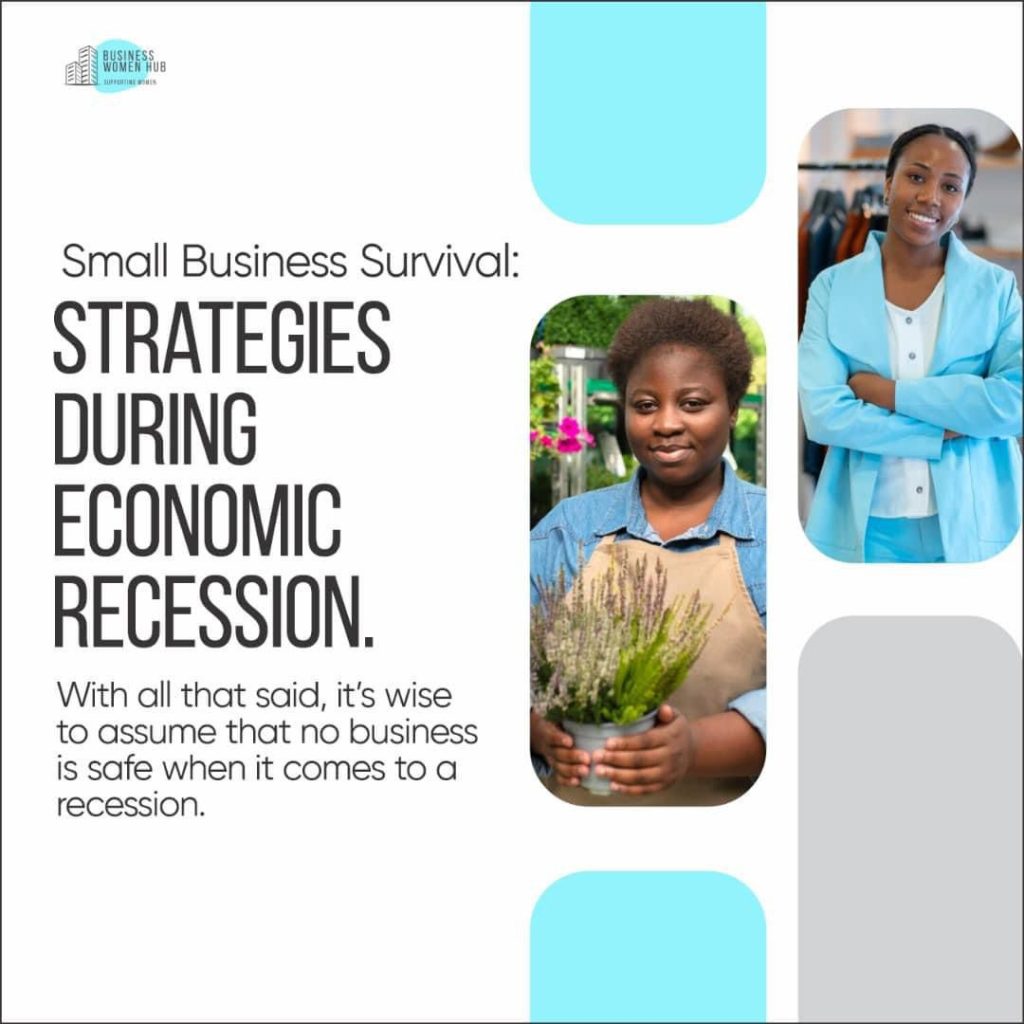
Small Business Survival: Strategies During Economic Recession.

With all that said, it’s wise to assume that no business is safe when it comes to a recession. So here are some strategies for business survival during a recession you can employ to give your business the best chance.

Cut or reduce unnecessary costs


This is an obvious one but it’s by no means a silver bullet solution, nor is it sustainable. However, when times turn tough you might want to consider the following:
1.Negotiating down your monthly rent and any other supplier costs

2. Find cheaper vendors for utilities and cut any non-essential technology costs

3. Delay payables and collect receivables sooner

4. Consider whether poorly performing employees are worth retaining

5. Look at flexible staffing options

Nurture your existing customer base

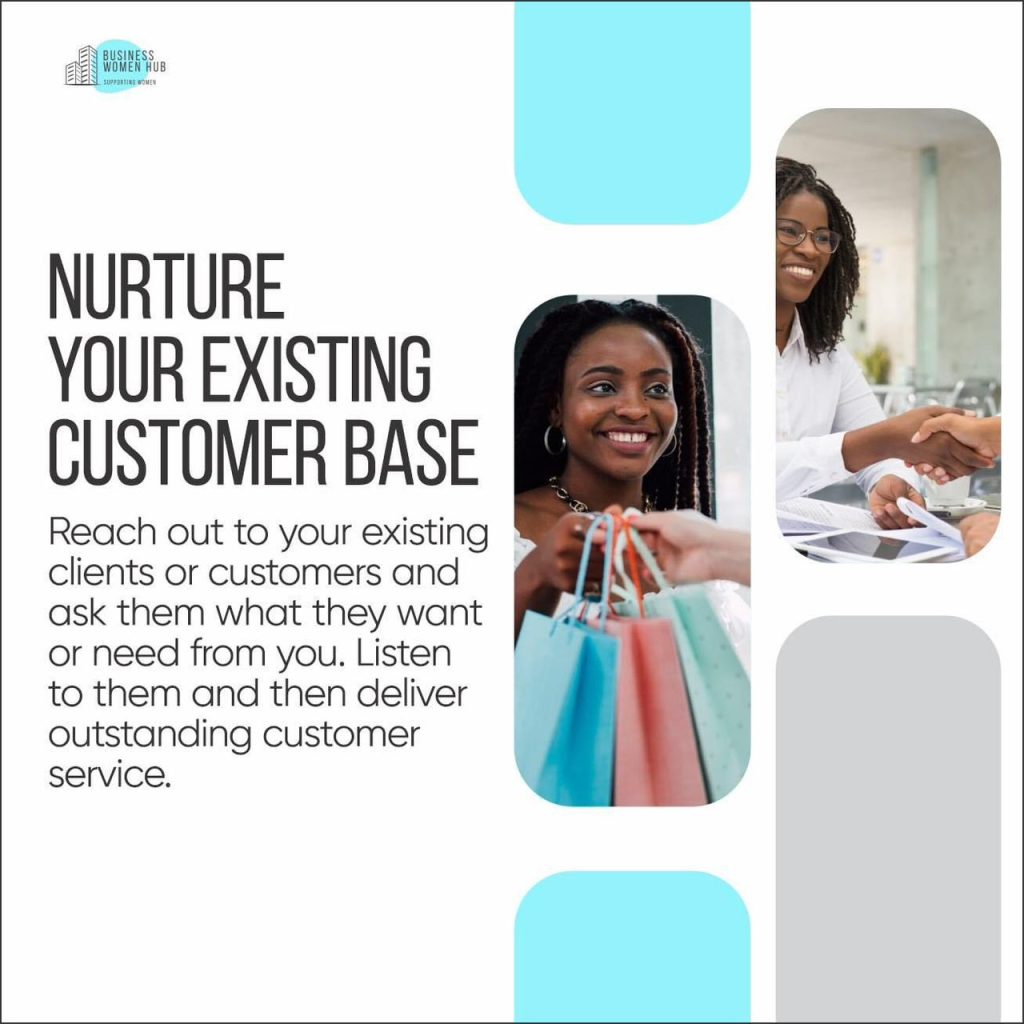
Reach out to your existing clients or customers and ask them what they want or need from you. Listen to them and then deliver outstanding customer service. If your existing customer base is nurtured throughout a difficult time, they are more likely to be loyal and recommend you to their networks. You might even consider cutting the bottom 20% of your worst-performing customer base to ensure you’re devoting precious resources to those that are worth it.

Support the employees you’re retaining

A recession naturally provokes anxiety and fear, especially if costs are being cut and employees are being furloughed or even laid off. Letting your poorest-performing employees go may be a step you need to take. If so, build morale and motivation in the employees you’re retaining by clearly communicating with your staff what is happening within the business. Try to involve them in the decision-making process, so they can feel included and part of the solution. Motivate them to work hard because you’re all in it together.

Build relationships

Always keep the lines of communication open. Get out there, network and build relationships. Keep your ears open, your eyes peeled and your thinking outside the box because you’re going to need your wits about you to spot those much-needed opportunities.

Posted on Leave a comment

Attract More Online Traffic and Customers to your Small Retail Business with these 4 Innovative Techniques

Attract More Online Traffic and Customers to your Small Retail Business with these 4 Innovative Techniques

As a small retail business owner, you might not have funds or technical know-how to run expensive, complicated paid ads. That’s why it is essential to optimize your budget and implement tried-and-trusted strategies to get the best return on your ad spend.

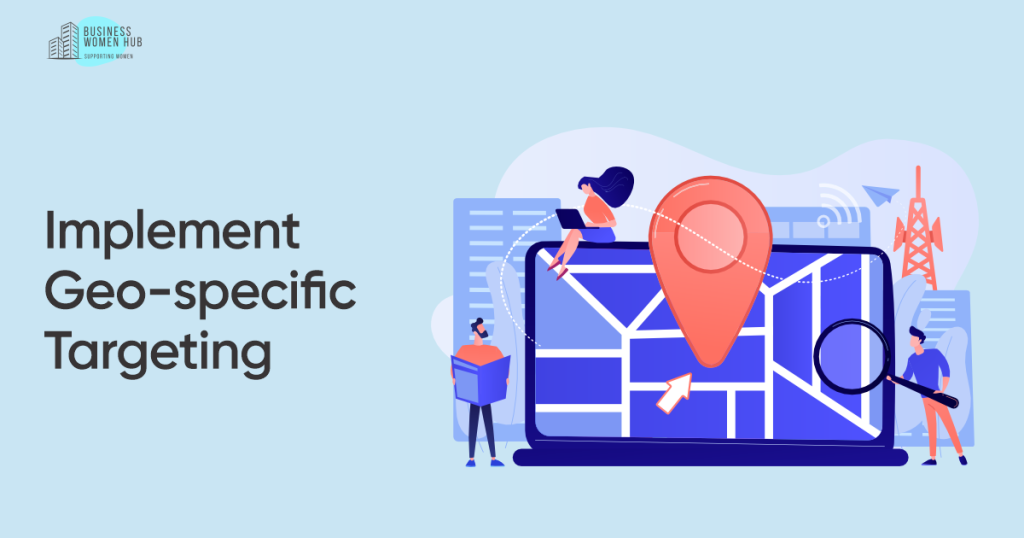
Implement geo-specific targeting

Implementing geo-specific targeting allows you to focus your advertising efforts on people who are most likely to convert into real customers.

  1. First, determine the locations you wish to target.
  2. Log into your ads account and select the campaign you want to target geographically.
  3. Use the targeted locations as keywords in your ad copy.
  4. Monitor your ad analytics to assess the number of clicks, calls, or conversions generated by your targeted ads, then refine your strategy accordingly.

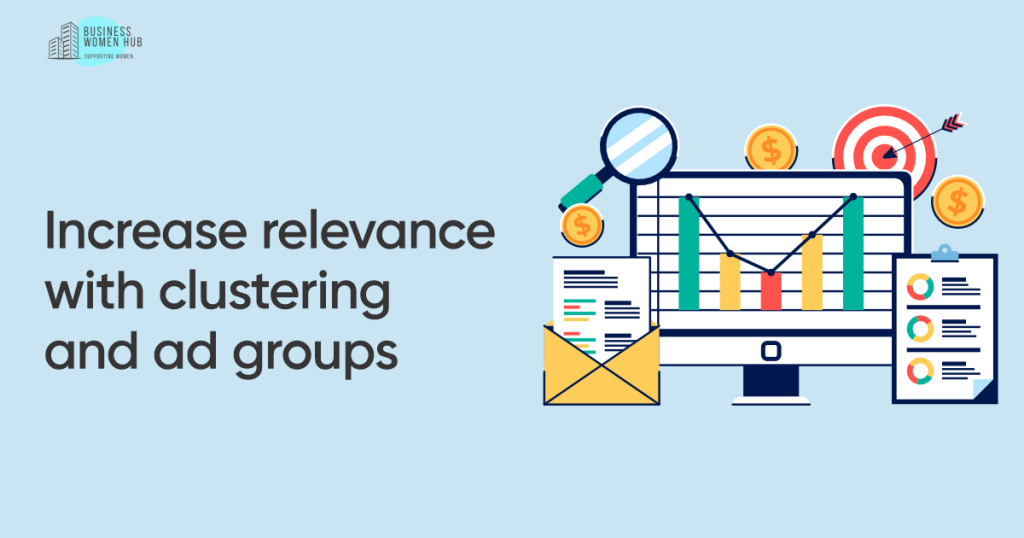
Increase Relevance with Clustering and Ad groups

To identify negative keywords, review past campaigns to see if any irrelevant keywords triggered your ads. Further, brainstorm any common terms that don’t align with your products or business.

  1. Log in to your Google Ads account.
  2. Choose the campaign or ad group where you want to add negative keywords.
  3. In the left-hand menu, click “Keywords,” and then select “Negative Keywords.”
  4. Click the “+” button to add new negative keywords. You can enter individual keywords or upload a list.
  5. Once you’ve added the desired negative keywords, click “Save” to apply them to your campaign.

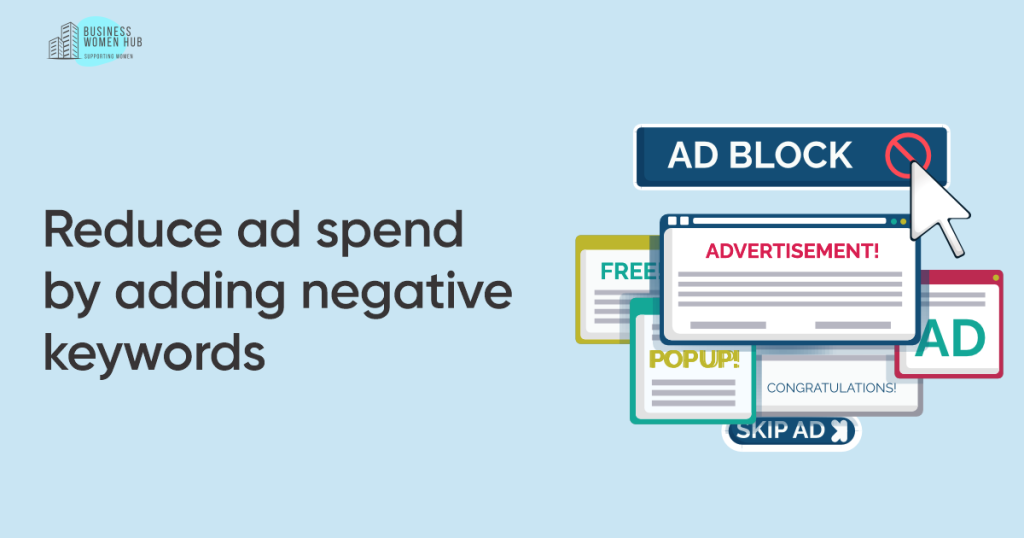
Reduce Ad Spend by Adding Negative Keywords

Ad groups can then be used to house clusters of related keywords and the ads that target them. Using the same example as above, you might create separate ad groups for RTW, Bespoke, respectively. For each ad group, you’ll write tailored ad copy that specifically addresses the keywords in that group. Clustering ensures that your ads are matched with the most relevant search queries and the right types of customers, based on their interests. Grouping increases ad relevance, which can reduce your cost-per-click (CPC) and increase your ROl.

Increase Online Sales with Google Shopping ads

You can increase traffic online for your small business through google ads. Google or search engine ads are unique ads that are created using the product data directly from your Google Merchant Center account.

  1. Create a Google Merchant Center account.
  2. Set up your product feed.
  3. Upload your product feed to Google Merchant Center.
  4. Link your Google Merchant Center and Google Ads accounts.
  5. In the Google Merchant Center, navigate to the “Account Linking” section.
  6. Sign in to your Google Ads account and create a new campaign. Click on the “+ New Campaign” button, select
  7. “Sales” or “Leads” as your campaign goal, and then choose
  8. “Shopping” as the campaign type.

Posted on 1 Comment

HOW TO OPTIMIZE BUSINESS CASHFLOW

Optimizing business cash flow is crucial for maintaining financial stability and growth.
Here are some ways to achieve that:

Monitor and forecast cash flow & Implement cash flow budgets:  Regularly track and analyze your cash flow, predicting incoming and outgoing funds. This helps identify potential shortfalls or excesses and allows for proactive management. Also, Create and follow a comprehensive cash flow budget that aligns with your business goals. This ensures better financial planning and allocation of resources.

Improve cash collection & Streamline accounts payable : Implement efficient and timely invoicing processes to ensure prompt payment from customers and negotiate favorable terms with suppliers and consider extending payment terms without incurring penalties. Automate payment processes wherever possible to ensure accuracy and timeliness.

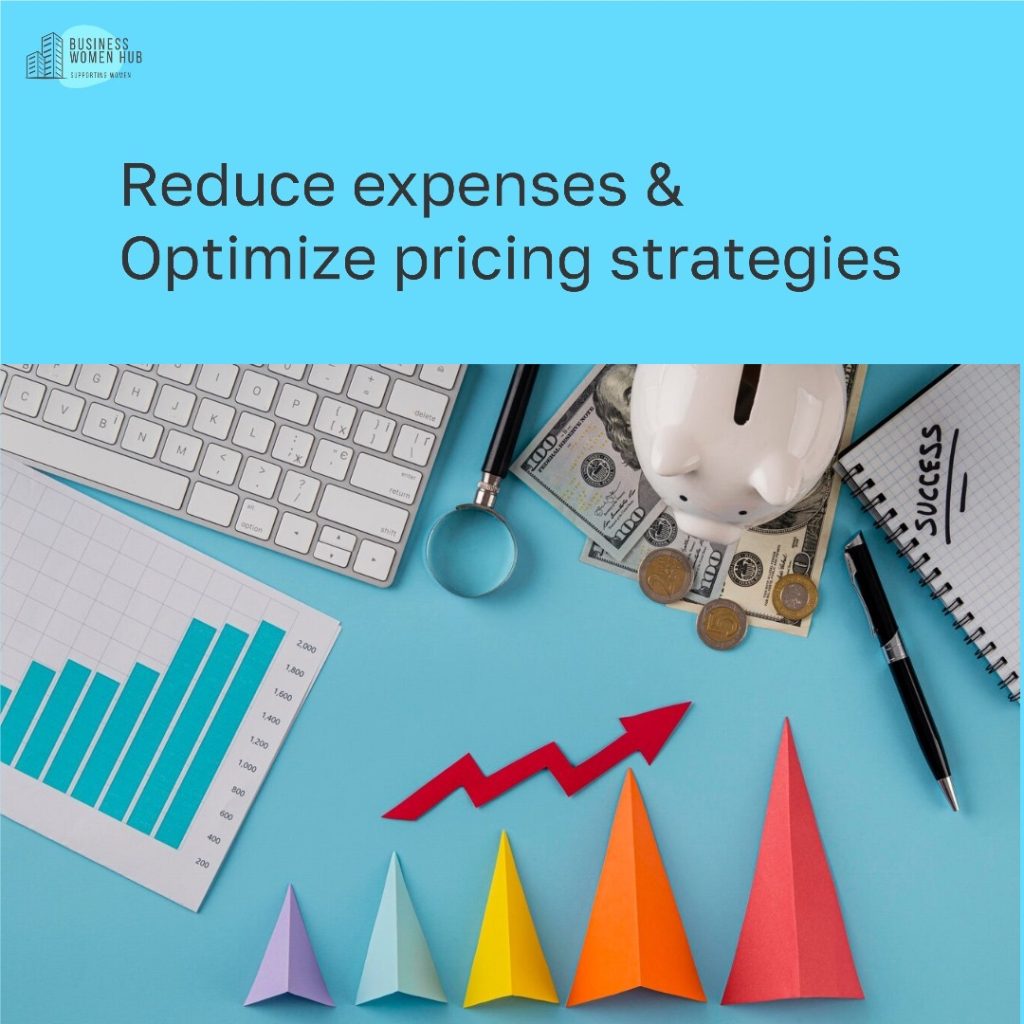
Reduce expenses & Optimize pricing strategies : Regularly review and identify areas where expenses can be minimized and evaluate your pricing structure to ensure it aligns with market trends and covers costs while maintaining competitiveness.

Manage debt effectively & Seek Professional Advise : Keep a manageable level of debt and prioritize debt payments based on interest rates and terms also, consult with financial advisors or accountants to gain expert insights into optimizing cash flow and implement strategic financial management techniques.


Posted on Leave a comment

5 WAYS TO USE AI IN YOUR BUSINESS

*Data-Driven Decisions: AI can help businesses make more informed decisions based on data analysis. AI models can be trained to make predictions and provide insights that can help businesses optimise their operations, improve their products or services, and identify new opportunities. By leveraging AI, businesses can quickly and accurately analyse large amounts of data and extract meaningful insights that can inform strategic decisions.

* Enhance Cybersecurity Measures: AI can be used to enhance cybersecurity measures by detecting and responding to potential threats in real-time. AI algorithms can learn to recognise patterns of suspicious user behaviour and identify threats that traditional rule-based systems might miss. By detecting and responding to cyber threats faster, AI can help businesses prevent breaches and protect sensitive data from loss or theft.

*Personalised Customer Experiences: With the help of AI, businesses can provide personalised customer experiences. AI algorithms can analyse large amounts of customer data to understand customer preferences and behaviour, and use that information to tailor recommendations, promotions, and product offerings. By providing truly personalised experiences, businesses can improve customer satisfaction and loyalty, ultimately leading to increased revenue.

*Automate Repetitive Tasks: AI can be used to automate repetitive tasks that would otherwise require a significant amount of time and resources. By automating tasks such as data entry, report creation, or customer service, businesses can reduce costs and free up time for employees to focus on more value-added activities. This can ultimately improve productivity and help businesses stay competitive.

*Improve Operational Efficiency: Finally, AI can be used to improve operational efficiency across a range of business functions. AI-powered systems can optimise supply chain processes, schedule production runs, and monitor inventory levels, helping to reduce waste, avoid stockouts, and improve overall efficiency. By using AI to improve operational efficiency, businesses can reduce costs and improve their bottom line. These are just a few examples of how businesses can leverage AI to drive growth and success.

Posted on Leave a comment

TIPS TO SURVIVE AND THRIVE IN BUSINESS TODAY

Being an entrepreneur can be stressful and challenging, especially if you don’t know what you’re doing. But it doesn’t have to be that way! You can succeed at starting your own business and navigating the ins and outs of running your own company if you pay attention to these simple pieces of advice.

*Always do your research: Before starting a business, it’s essential to do your research and ensure that you clearly understand your industry, target market and competition.
You don’t want to invest money into something without knowing if there is an audience for it or if there are other similar businesses out there.
The research will save you time and money in the long run!

*Get involved in your local business community * Get to know other local business owners and entrepreneurs. Joining a networking group can help you meet people in similar situations as you and who can offer advice and support. * Attend local business events. These are great opportunities to network and learn about what’s going on in the business community. * Get involved in local politics. Knowing what’s happening at the city and county levels can help you make informed decisions about your business.

*Embrace change Change is one of the few constants in business. The ability to embrace change and adapt to new situations is critical for any entrepreneur who wants to survive and thrive. If you’re in a rut, try looking at your problem from a different perspective. Sometimes all it takes is a fresh look at things to find an answer or solution. When faced with challenges, try not to think about the past because there’s nothing you can do about it now. Instead, focus on what you need to do now to get out of your current situation.

*Save, save, save…and save : One of the best pieces of advice for entrepreneurs is to save as much money as possible. This may seem complicated, especially when you’re just starting, but it’s important to live below your means and put away as much money as possible. This will help you weather any tough times that come your way and give you a cushion to fall back on when things get tough.

Posted on Leave a comment

5 SMART BUDGETING TIPS FOR SMALL BUSINESS OWNERS

Budgeting tips are important for business owners as they provide financial control, help manage costs, facilitate informed decision making, and enable effective financial planning. By implementing these strategies, business owners can achieve greater financial stability, growth, and long-term success.

Certainly! Here are the details for each smart budgeting tip for small business owners:

TRACK EVERY EXPENSE: To effectively manage your finances, it’s crucial to track every expense incurred by your small business. This includes keeping a record of both major and minor expenditures. By diligently tracking your expenses, you gain insights into where your money is going and can identify areas where you might need to cut back or find more cost-effective alternatives.

SET CLEAR FINANCIAL GOALS: Establishing clear financial goals provides a roadmap for your business’s financial success. It could include objectives like increasing revenue, reducing costs, improving cash flow, or investing in expansion. By defining these goals, you can align your budgeting efforts towards achieving them.

UTILIZE BUDGETING TOOLS: Take advantage of budgeting tools that are designed to simplify the process and help you stay on top of your finances. There are several online platforms and software available that can assist in budget creation, expense tracking, and financial analysis. These tools can provide visual representations of your financial data, making it easier to identify trends and make informed decisions.

REGULARLY MONITOR AND ADJUST: Budgeting is not a one-time task; it’s an ongoing process. Regularly monitor your budget and compare it to your actual financial performance. Identify any discrepancies or areas where you may need to make adjustments. This allows you to stay proactive in managing your finances and make necessary changes to keep your business on track.

BUILD AN EMERGENCY FUND: Small businesses can face unexpected challenges or downturns. Building an emergency fund is essential for financial resilience. Allocate a portion of your budget towards creating a contingency fund that can be used to cover unexpected expenses or sustain your business during difficult times. Having this safety net can provide peace of mind and help mitigate potential financial risks.

Implementing these smart budgeting tips can contribute to the financial stability and growth of your small business. Remember, consistently reviewing and adapting your budgeting strategies based on your business’s evolving needs is key to long-term financial success.

Posted on Leave a comment

THE 4P’S OF SUCCESSFULLY SCALING A BUSINESS

As entrepreneurs transition from the unpredictable, hectic life of startups to scaling their businesses, familiar challenges morph into new frustrations. Thankfully, you can cultivate these traits to make the transition easier.

*Passion for the long term Those steeped in the startup world are well acquainted with the need for passion when starting a business. But scaling a company is another matter entirely. It takes an immense amount of time and effort, and you may not instantaneously see the results of your hard work. This is the point at which many entrepreneurs feel their fire dwindling, but it’s just the moment when they need it most. Without passion, it is impossible to remain inspired and motivate your team. In those times when you feel it waning, it is important to re-ground yourself in the passion you originally had when you first started your company, and remain confident in its eventual success.

*Pivoting power: I had my fair share of unexpected turns after I founded Georama in 2012. I’d envisioned it as a travel planning startup, but a couple of years later, we pivoted to focus on virtual travel. Then in 2018, I realized we needed to pivot again to take advantage of the opportunities presented by the burgeoning consumer insights space. None of these changes were easy or even obvious, but the ability to execute them signaled the difference between success and failure. Many times, an idea requires several iterations before it can become a successful business.

*Persistence in the face of “no” The word “no” is a common element in entrepreneurs’ lives, but it’s another experience that changes significantly when you’re moving from startup to scaling. When I first launched, I continually reminded myself that when one door closes, another opens. It was this optimism and tenacity that gave me the energy to keep going. But as the “no” begin to mount in your rearview mirror, it’s important to learn how to let go of them and treat every opportunity to ask for support as a completely new one. It is important to not let rejection define your path and remember that once you hear your first “yes,” others will begin to follow.

*Patience offers perspective Oftentimes, passion and patience have trouble coexisting, and that was certainly the case for me. I have always believed in myself and had a passion for our product, but I found myself growing impatient and frustrated in the early days of my entrepreneurial journey because it felt like it was taking so long to gain traction. Looking back, I now see that everything happened exactly as it should have. I had to wait for this level of success to understand that nothing easy is worth having. The patience I developed over the years also taught me how to enjoy the journey and celebrate the little wins along the way.

Posted on Leave a comment

BENEFITS OF BUILDING STRONG NETWORK

Building a strong network means creating and nurturing connections with other professionals in your industry or community. It involves actively engaging with people, building relationships, and maintaining regular communication. Building a strong network can bring numerous benefits. Here are some details about each benefit:

Access to opportunities: When you have a strong network, you have access to a wider range of opportunities. Your connections can provide you with job leads, business partnerships, or even mentorship opportunities that you may not have otherwise come across.

 Learning and development: A strong network allows you to learn from others who have different experiences and expertise. By connecting with professionals in your field or industry, you can gain valuable insights, knowledge, and advice that can help you grow both personally and professionally.

Increased visibility: Building a strong network can increase your visibility within your industry or community. When people know who you are and what you do, they are more likely to think of you when relevant opportunities arise. This visibility can lead to more recognition, collaborations, and career advancement.

Professional support: Your network can provide you with a support system of like-minded individuals who understand the challenges and triumphs of your profession. They can offer guidance, encouragement, and advice during difficult times and celebrate your successes with you.

 Personal growth: Building a strong network can also contribute to your personal growth. Interacting with diverse individuals can broaden your perspectives, challenge your assumptions, and help you develop new skills. Additionally, the relationships you build within your network can lead to lifelong friendships and a sense of belonging.

Posted on Leave a comment

HOW TO IDENTIFY BUSINESS OPORTUNITIES

Many people who want to start a business have an idea in mind, but they need to ask themselves: Is the idea a business opportunity? does it meet a market need, address a customer issue or improve an existing product . 

You might have a business idea and want to check if it has a potential or you might be keen on entrepreneurship and looking for the right opportunity to join in, either way, you should familiarize yourself with business opportunities and how to spot them . Identifying business opportunities is all about being observant and staying ahead of the game. Here’s a breakdown of each step:

*Talk to your customers: Engage with your customers to understand their needs, pain points, and preferences. This will help you identify gaps in the market and potential opportunities to create products or services that meet their demands.

Research your competitors: Analyze your competitors’ offerings, pricing strategies, target audience, and marketing tactics. This will give you insights into areas where you can differentiate yourself and find untapped markets.

Spot the trends: Keep an eye on industry trends, technological advancements, and changing consumer behaviors. By staying updated, you can identify emerging opportunities and adapt your business accordingly.

Innovate and improve: Constantly seek ways to innovate and improve your products, services, or business processes. This can involve incorporating new technologies, streamlining operations, or finding unique ways to solve customer problems.

Expand your market: Explore opportunities to expand your market geographically or by targeting new customer segments. This could involve entering new markets, partnering with other businesses, or diversifying your offerings