
Posted on Leave a comment

Steps to Develop a Viable Business Plan

A well-structured business plan is essential for any entrepreneur, not just for securing funding but also for guiding business growth. Here are key steps to develop a viable business plan:

Determine Your Target Audience – Identify the ideal customers for your business based on demographics and psychographics. A focused target market leads to more effective marketing strategies.

Project Your Financial Performance – Include revenue and expense projections to ensure financial sustainability. Focus on managing cash flow, estimating costs accurately, and preparing for unexpected expenses.
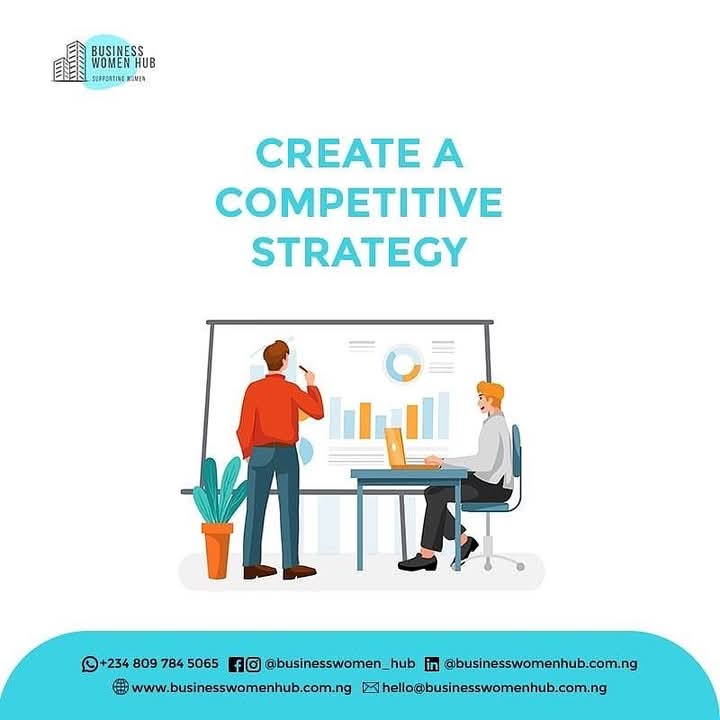
Create a Competitive Strategy – Establish how your business will maintain a competitive edge. Whether through cost leadership, differentiation, or a niche focus, your strategy should position you uniquely in the market

Define Your Business – Clearly outline your business objectives, mission, and unique selling proposition (USP). Your marketing position statement should highlight what makes your product or service stand out.

A business plan serves as a roadmap for success, helping you make informed decisions and stay on track with your business goals.

Posted on Leave a comment

Habits All Leaders Should Have to Grow Their Businesses

Success in business doesn’t happen by chance; it’s built on consistent habits that drive growth, foster innovation, and create lasting impact. For leaders looking to elevate their businesses, these habits are essential:

Commit to Learning
The most effective leaders are lifelong learners. Dedicating time to expanding your knowledge and staying informed about industry trends ensures you remain innovative and ahead of the curve.

Commit to Communication
Clear, respectful communication is the foundation of strong leadership. By providing constructive feedback and fostering open dialogue, leaders can build trust and motivate their teams to perform at their best.

Commit to Systems
Efficient systems are the backbone of any successful business. Leaders who streamline processes—from hiring to communication—gain a competitive edge. Continuously refining these systems ensures adaptability in an ever-changing market.

Commit to Listening
Active listening is a powerful leadership tool. By understanding your team’s unique needs and communication styles, you can inspire them to achieve their best work. Great leaders adapt their approach to empower individuals and build a cohesive team.

These habits aren’t just strategies—they’re commitments that help leaders drive sustainable growth, foster collaboration, and create meaningful change. Which of these habits will you prioritise in your leadership journey?

Posted on Leave a comment

4 soft skills that will propel Business to Sucess

As a business owner, hard skills like education and industry experience are important, but it’s the soft skills that often propel success. Here are three key interpersonal skills to master:

1. Empathy

Empathy is the ability to understand and share the feelings of others. In business, it fosters trust and engagement, making employees feel valued. Practicing empathy involves truly listening and being aware of others’ experiences. Business leader Dr. Christina Rahm emphasizes how empathy shaped her ventures by allowing her to see beyond her own perspective. When applied in the workplace, it can improve employee satisfaction and create a positive work environment. Remember, empathy must be practiced daily — it starts with making those around you feel heard.

2. Compassion

While empathy is about understanding, compassion takes it a step further by prompting action to help others. Dr. Rahm encourages flexibility in the workplace, such as allowing employees to bring their children or pets to work when necessary. Compassion can also be shown through small acts, like giving a sick employee time off or offering flexible work arrangements. By promoting compassion, business owners can build inclusive company cultures that foster loyalty and improve work ethics.

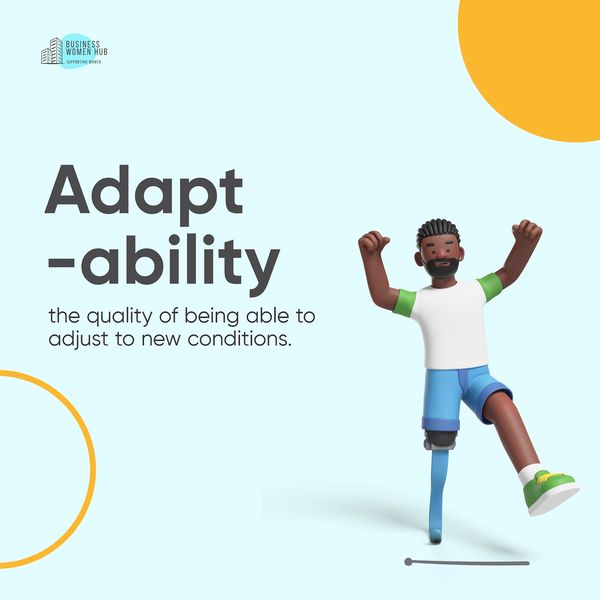
3. Adaptability

Adaptability is crucial for navigating change and challenges. Whether it’s refining a product or adjusting business processes, openness to change ensures long-term success. It’s important to remain patient, calm, and focused on solutions when things don’t go according to plan. Practicing mindfulness can help maintain a positive mindset, and embracing the idea that challenges are opportunities for growth will keep you resilient in the face of adversity.

These soft skills—empathy, compassion, and adaptability—are not just beneficial, they are essential for creating a thriving, resilient business culture. Start practicing them today!