Posted on Leave a comment

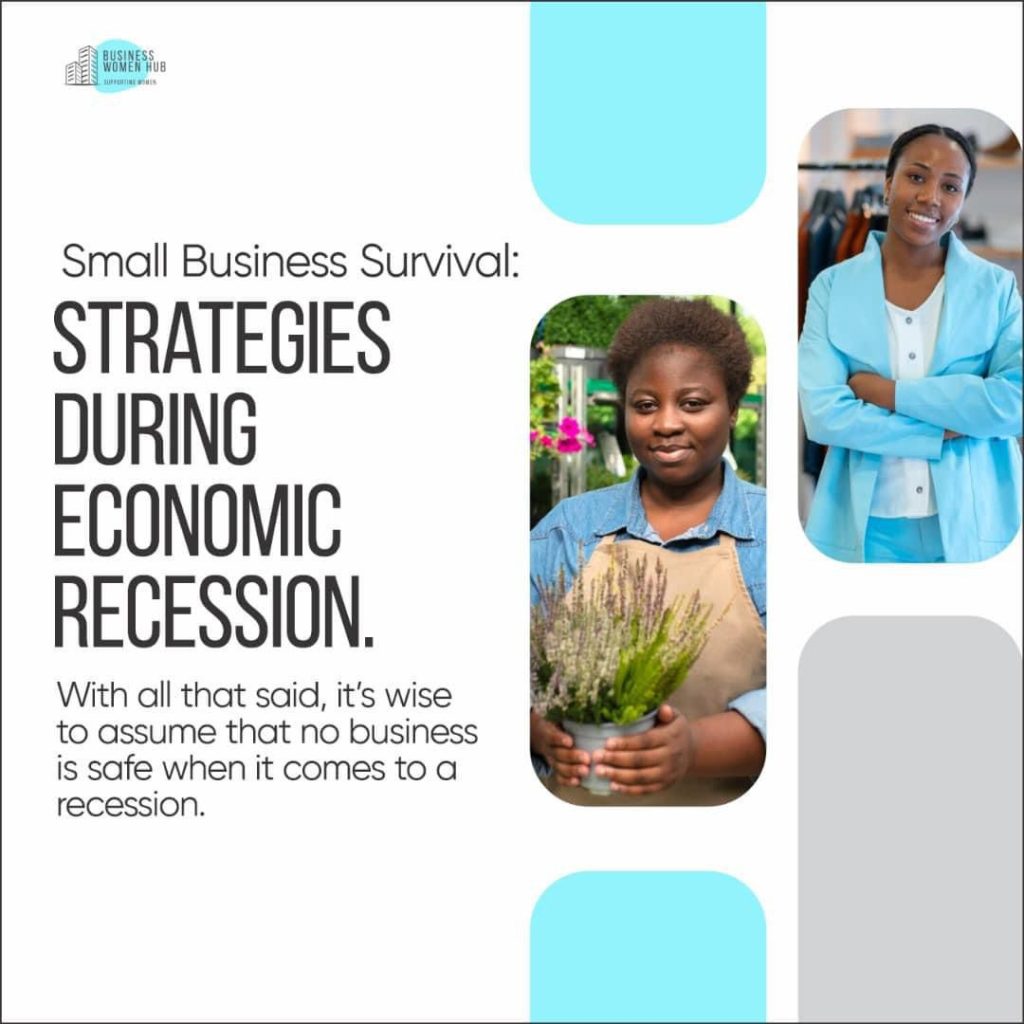
Small Business Survival: Strategies During Economic Recession.

With all that said, it’s wise to assume that no business is safe when it comes to a recession. So here are some strategies for business survival during a recession you can employ to give your business the best chance.

Cut or reduce unnecessary costs


This is an obvious one but it’s by no means a silver bullet solution, nor is it sustainable. However, when times turn tough you might want to consider the following:
1.Negotiating down your monthly rent and any other supplier costs

2. Find cheaper vendors for utilities and cut any non-essential technology costs

3. Delay payables and collect receivables sooner

4. Consider whether poorly performing employees are worth retaining

5. Look at flexible staffing options
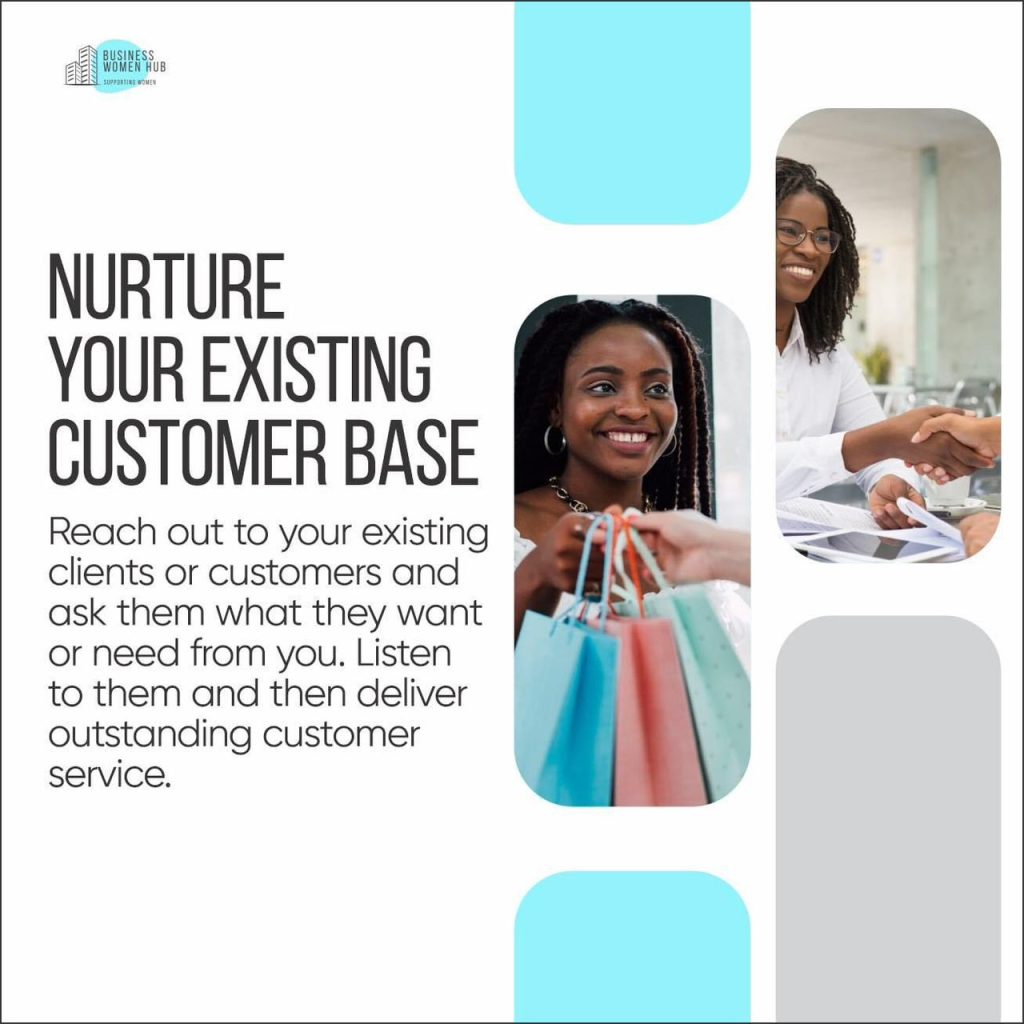
Nurture your existing customer base

Reach out to your existing clients or customers and ask them what they want or need from you. Listen to them and then deliver outstanding customer service. If your existing customer base is nurtured throughout a difficult time, they are more likely to be loyal and recommend you to their networks. You might even consider cutting the bottom 20% of your worst-performing customer base to ensure you’re devoting precious resources to those that are worth it.

Support the employees you’re retaining

A recession naturally provokes anxiety and fear, especially if costs are being cut and employees are being furloughed or even laid off. Letting your poorest-performing employees go may be a step you need to take. If so, build morale and motivation in the employees you’re retaining by clearly communicating with your staff what is happening within the business. Try to involve them in the decision-making process, so they can feel included and part of the solution. Motivate them to work hard because you’re all in it together.

Build relationships

Always keep the lines of communication open. Get out there, network and build relationships. Keep your ears open, your eyes peeled and your thinking outside the box because you’re going to need your wits about you to spot those much-needed opportunities.


Posted on Leave a comment

4 Strategies to Enhance Startup Revenue and Profit

Startup founders often aspire to rapid and lasting success. However, attaining substantial revenue growth proves to be a hurdle for numerous entrepreneurs. The key lies in a continuous readiness to adjust, innovate, and perfect operational methods.

Finding the right mentors for the problem

The first step is connecting with mentors who had faced similar challenges. This investment was invaluable. Insights from experienced mentors can provide breakthrough solutions. Seeking guidance from experts in specific areas, like sales, can significantly impact business growth.

A simple 20-minute conversation with a mentor could provide the breakthrough needed to solve an issue you’ve been struggling with for months or even years. Finding mentors excelling in your specific issue, not just your business model, is crucial.

Setting yourself up to scale

Setting up for growth by systemizing the offerings and operations. Starting with custom services can cause issues in onboarding clients and managing accounts, making it hard to delegate tasks. Always questioning scalability and future relevance will save one from unnecessary expenses and time wasted on non-essential changes.

It’s always difficult onboarding new clients and finding emoloueedy who could manage accounts, preventing them from stepping back from the daily client fulfillment tasks. During this stage, it is advisable to ask these questions, “Is this solution scaleable?” and “Does this solution solve for right now, or does it solve for a future problem?”

Asking these questions would save you from spending countless hours and money on implementing change that wasn’t needed.

Understanding your teams’ true bandwidth capabilities

By using time-tracking software, you should be able to see how much work the team could actually do. It can help you see which clients were taking up too much time and which tasks were taking too long. Adjusting some clients’ payments based on their needs can help manage more accounts without overwhelming the team.

Additionally, you can streamline many procedures and tasks to boost efficiency, enabling the team to focus more on executing KPIs rather than on tedious administrative tasks that weren’t truly needed at the end of the day.

Over time, the data showed the true client-to-account executive ratio in ensuring you can keep growing as fast as you want to.

Diversify services to offer

A smart strategy for boosting revenue is to find complimentary items and services that complement your best-selling products and services.

It is possible to increase average customer lifetime value by identifying and addressing customers’ unmet wants and then delivering products that fill in the gaps and help sell the company’s primary income generators.

Posted on Leave a comment

Attract More Online Traffic and Customers to your Small Retail Business with these 4 Innovative Techniques

Attract More Online Traffic and Customers to your Small Retail Business with these 4 Innovative Techniques

As a small retail business owner, you might not have funds or technical know-how to run expensive, complicated paid ads. That’s why it is essential to optimize your budget and implement tried-and-trusted strategies to get the best return on your ad spend.

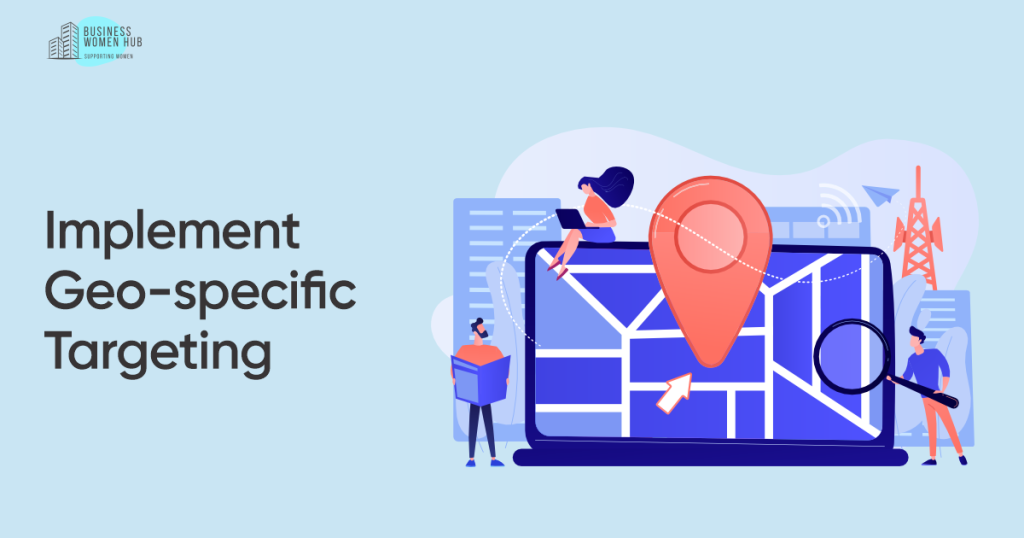
Implement geo-specific targeting

Implementing geo-specific targeting allows you to focus your advertising efforts on people who are most likely to convert into real customers.

  1. First, determine the locations you wish to target.
  2. Log into your ads account and select the campaign you want to target geographically.
  3. Use the targeted locations as keywords in your ad copy.
  4. Monitor your ad analytics to assess the number of clicks, calls, or conversions generated by your targeted ads, then refine your strategy accordingly.

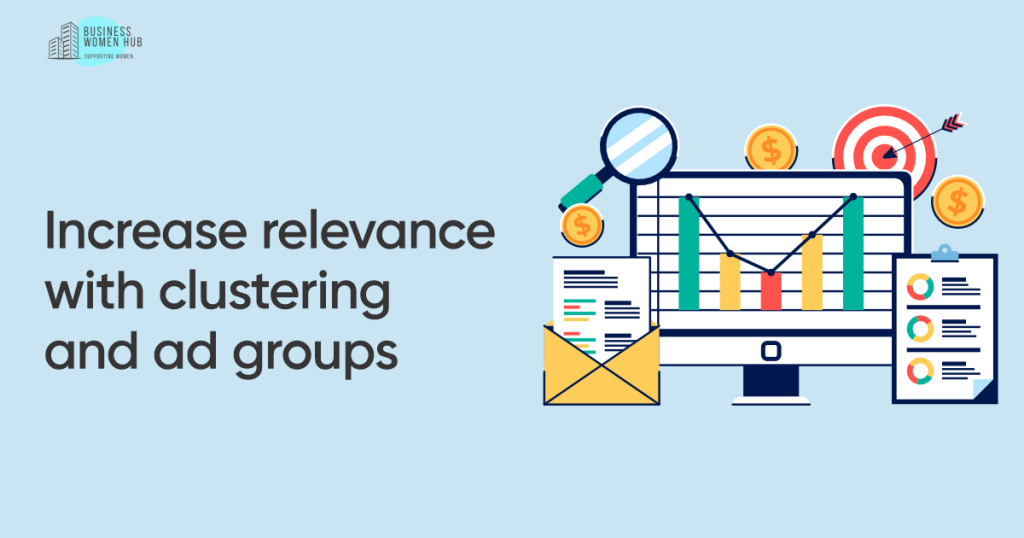
Increase Relevance with Clustering and Ad groups

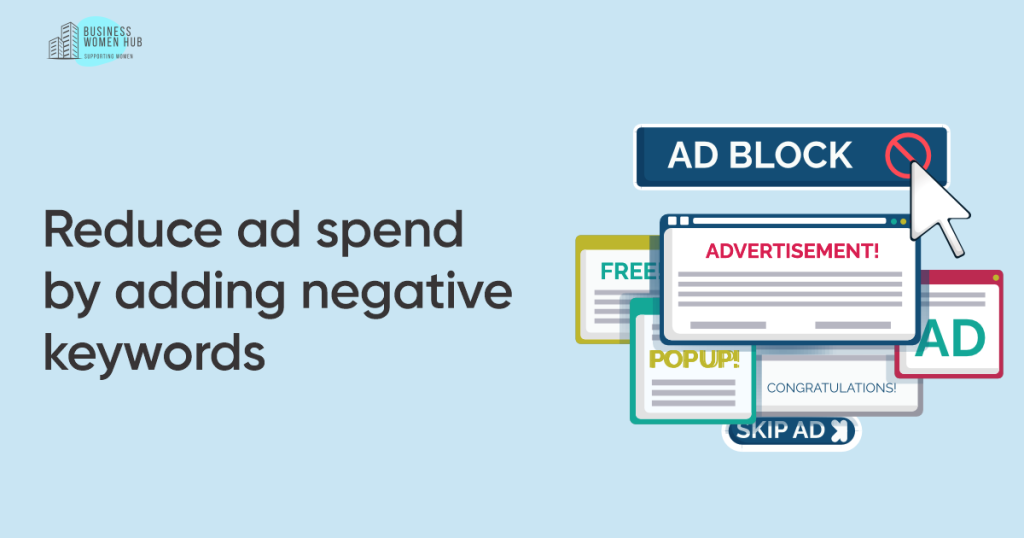
To identify negative keywords, review past campaigns to see if any irrelevant keywords triggered your ads. Further, brainstorm any common terms that don’t align with your products or business.

  1. Log in to your Google Ads account.
  2. Choose the campaign or ad group where you want to add negative keywords.
  3. In the left-hand menu, click “Keywords,” and then select “Negative Keywords.”
  4. Click the “+” button to add new negative keywords. You can enter individual keywords or upload a list.
  5. Once you’ve added the desired negative keywords, click “Save” to apply them to your campaign.

Reduce Ad Spend by Adding Negative Keywords

Ad groups can then be used to house clusters of related keywords and the ads that target them. Using the same example as above, you might create separate ad groups for RTW, Bespoke, respectively. For each ad group, you’ll write tailored ad copy that specifically addresses the keywords in that group. Clustering ensures that your ads are matched with the most relevant search queries and the right types of customers, based on their interests. Grouping increases ad relevance, which can reduce your cost-per-click (CPC) and increase your ROl.

Increase Online Sales with Google Shopping ads

You can increase traffic online for your small business through google ads. Google or search engine ads are unique ads that are created using the product data directly from your Google Merchant Center account.

  1. Create a Google Merchant Center account.
  2. Set up your product feed.
  3. Upload your product feed to Google Merchant Center.
  4. Link your Google Merchant Center and Google Ads accounts.
  5. In the Google Merchant Center, navigate to the “Account Linking” section.
  6. Sign in to your Google Ads account and create a new campaign. Click on the “+ New Campaign” button, select
  7. “Sales” or “Leads” as your campaign goal, and then choose
  8. “Shopping” as the campaign type.

Posted on Leave a comment

Ways To Increase Productivity 

Ways To Increase Productivity 

Increasing productivity is a crucial aspect of achieving success in both personal and professional spheres. Here are some effective ways to boost productivity, explained in detail:

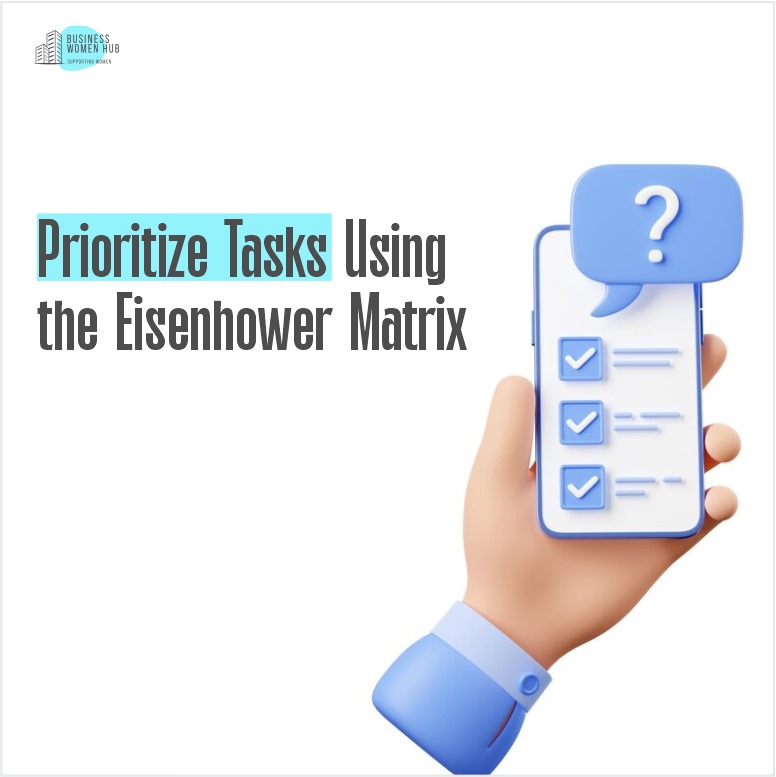
Prioritize Tasks Using the Eisenhower Matrix

The Eisenhower Matrix is a decision-making tool that helps you prioritize tasks based on their urgency and importance. Divide your tasks into four quadrants:

  • Urgent and Important (Do First):
  • Important but Not Urgent (Schedule):
  • Urgent but Not Important (Delegate):
  • Not Urgent or Important (Eliminate):

Break Down Large Tasks into Smaller Ones (Task Segmentation)

Large tasks can be overwhelming and may lead to procrastination. Breaking them down into smaller, manageable tasks can make them more achievable and increase productivity. This technique is called task segmentation.

  • Identify a large task that needs to be completed
  • Break it down into smaller tasks that can be  completed individually
  • Create a checklist or schedule for each smaller task
  • Focus on completing one smaller task at a time

Stay Organized and Use Productivity Tools

Staying organized and using productivity tools can help you manage your tasks and time more efficiently.

  • Use a task management system like Trello, Asana, or Todoist to organize your tasks
  • Implement a filing system for your documents and emails
  • Use tools like calendars, planners, or apps to stay organized and on track

Continuously Evaluate and Adjust Your Productivity System

Productivity systems are not one-size-fits-all. Continuously evaluating and adjusting your system can help you stay productive and achieve your goals.

  • Regularly review your productivity system and identify areas for improvement
  • Adjust your system based on your changing needs and priorities
  • Experiment with new tools and techniques to stay productive and efficient

By implementing these strategies, you can significantly boost your productivity and achieve your goals more efficiently. Remember to stay flexible and adjust your approach as needed to optimize your productivity.

Posted on 1 Comment

HOW TO OPTIMIZE BUSINESS CASHFLOW

Optimizing business cash flow is crucial for maintaining financial stability and growth.
Here are some ways to achieve that:

Monitor and forecast cash flow & Implement cash flow budgets:  Regularly track and analyze your cash flow, predicting incoming and outgoing funds. This helps identify potential shortfalls or excesses and allows for proactive management. Also, Create and follow a comprehensive cash flow budget that aligns with your business goals. This ensures better financial planning and allocation of resources.

Improve cash collection & Streamline accounts payable : Implement efficient and timely invoicing processes to ensure prompt payment from customers and negotiate favorable terms with suppliers and consider extending payment terms without incurring penalties. Automate payment processes wherever possible to ensure accuracy and timeliness.

Reduce expenses & Optimize pricing strategies : Regularly review and identify areas where expenses can be minimized and evaluate your pricing structure to ensure it aligns with market trends and covers costs while maintaining competitiveness.

Manage debt effectively & Seek Professional Advise : Keep a manageable level of debt and prioritize debt payments based on interest rates and terms also, consult with financial advisors or accountants to gain expert insights into optimizing cash flow and implement strategic financial management techniques.


Posted on Leave a comment

ELEMENTS OF A SUCCESSFUL BUSINESS IDEA

An element of a business idea refers to a specific component or aspect that contributes to the overall concept and viability of a business venture.

Here are a few key elements commonly found in a business idea:

Clear Value Proposition: This is the most important element of a successful business idea. One need to identify the clear pain points, needs or problems of customers, and create a product or service that solves them. The value proposition should highlight how your product or service is unique and better than alternatives in the market. It should clearly define the benefits and the value that your customers can get, and how it is different from your competitors.

Market Validation: This is the process through which you validate the potential demand for your product or service. This can be done by conducting market research, studying the market trends, analyzing competitors, and gathering feedback from customers. Market validation helps to ensure that your business idea has a strong potential to succeed in the market.

Strong Business Model: A strong business model is crucial for success. It should be designed in a way that the company has multiple sources of revenue and is able to generate profits over time. The business model should be scalable, adaptable, and flexible enough to meet the changing needs of the market and customers.

Sustainability: This encompasses the social and environmental impact of the business. Ethical practices and long-term sustainability should be integrated into the core operations, ensuring responsible and conscientious business practices. By combining a well-defined business model with a strong focus on sustainability, businesses can strive for long-term success while positively impacting society and the environment.

These elements, when thoughtfully integrated and executed, contribute to the foundation and potential success of a business idea.

Posted on Leave a comment

IMPORTANCE OF PROFESSIONAL DEVELOPMENT IN BUSINESS AND PERSONAL DEVELOPMENT

Professional development is crucial in various domains, including businesses, career, and personal growth. Here are some reasons why it holds immense importance:

*Customers Satisfaction and Trust: Customer satisfaction and trust are crucial for the success of any business. Satisfied customers are more likely to become repeat customers and recommend the business to others, leading to increased sales and referrals. Building trust and loyalty among customers also establishes a positive brand reputation, attracting new customers and creating a competitive edge. 

*Adaptability to Change: Industries and markets are constantly evolving, and professional development equips individuals with the ability to adapt and thrive in these changing environments. It helps them stay ahead of the curve, embrace innovation, and remain competitive.

*Increased Job Satisfaction: Pursuing professional development aligns individual goals with organizational objectives. It allows individuals to explore their interests, follow their passions, and excel in areas that bring them fulfillment. This, in turn, enhances job satisfaction and overall well-being.

*Continuous Learning Culture: Embracing professional development promotes a culture of continuous learning within organizations. This fosters innovation, adaptability, and growth mindset, ultimately leading to improved performance and organizational success.

*Seeking Professional Development from recognized and accredited institutions: Seeking professional development from recognized and accredited institutions ensures that the training and education received meet high standards of quality and reliability. When individuals pursue professional development from recognized and accredited institutions, they can have confidence in the credibility and validity of the programs

Posted on Leave a comment

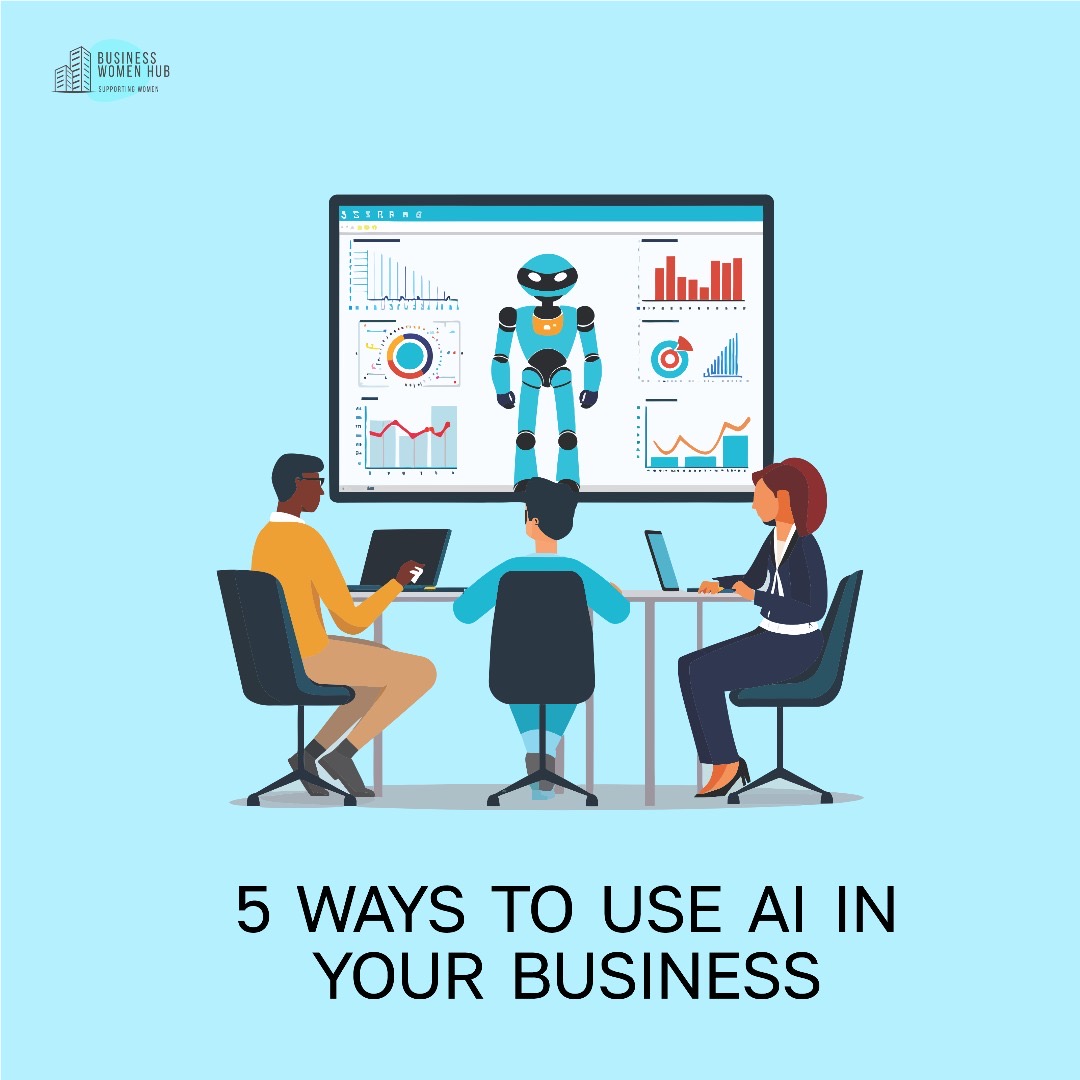
5 WAYS TO USE AI IN YOUR BUSINESS

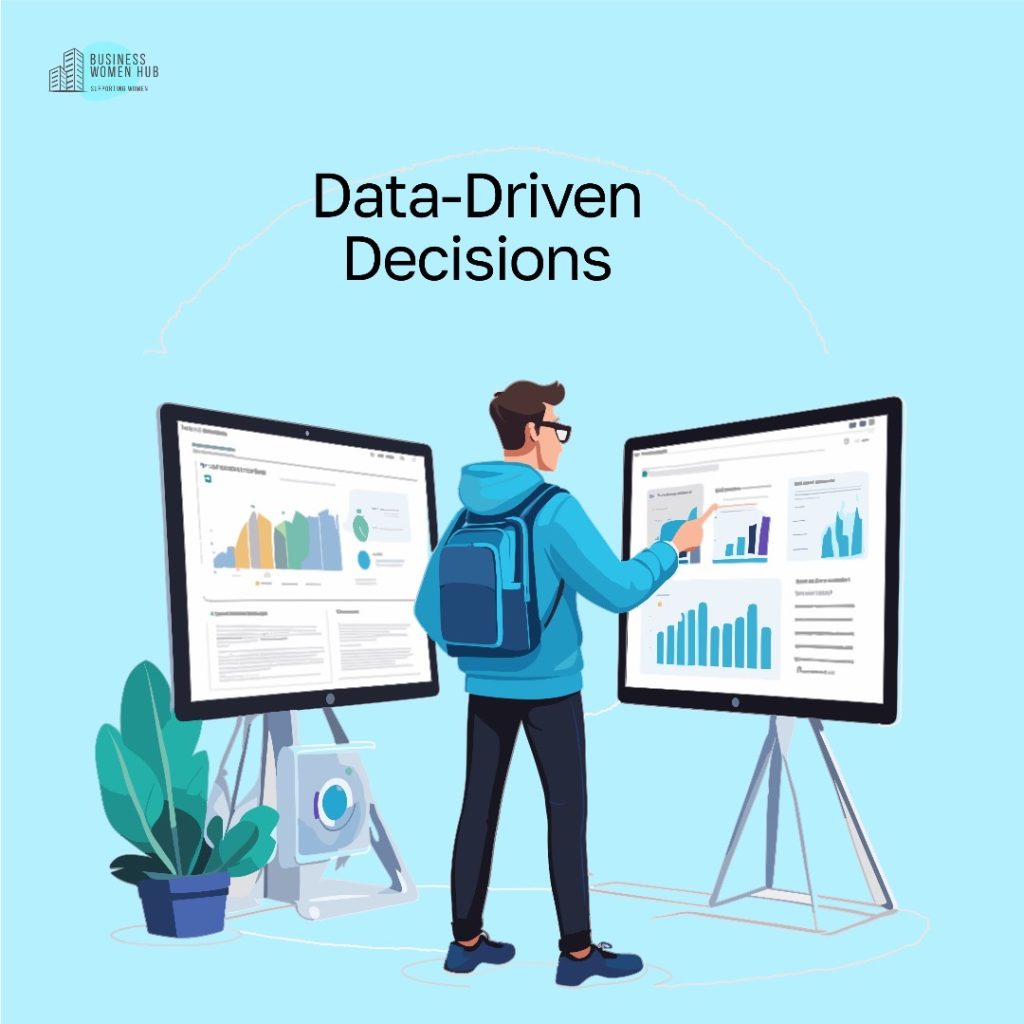
*Data-Driven Decisions: AI can help businesses make more informed decisions based on data analysis. AI models can be trained to make predictions and provide insights that can help businesses optimise their operations, improve their products or services, and identify new opportunities. By leveraging AI, businesses can quickly and accurately analyse large amounts of data and extract meaningful insights that can inform strategic decisions.

* Enhance Cybersecurity Measures: AI can be used to enhance cybersecurity measures by detecting and responding to potential threats in real-time. AI algorithms can learn to recognise patterns of suspicious user behaviour and identify threats that traditional rule-based systems might miss. By detecting and responding to cyber threats faster, AI can help businesses prevent breaches and protect sensitive data from loss or theft.

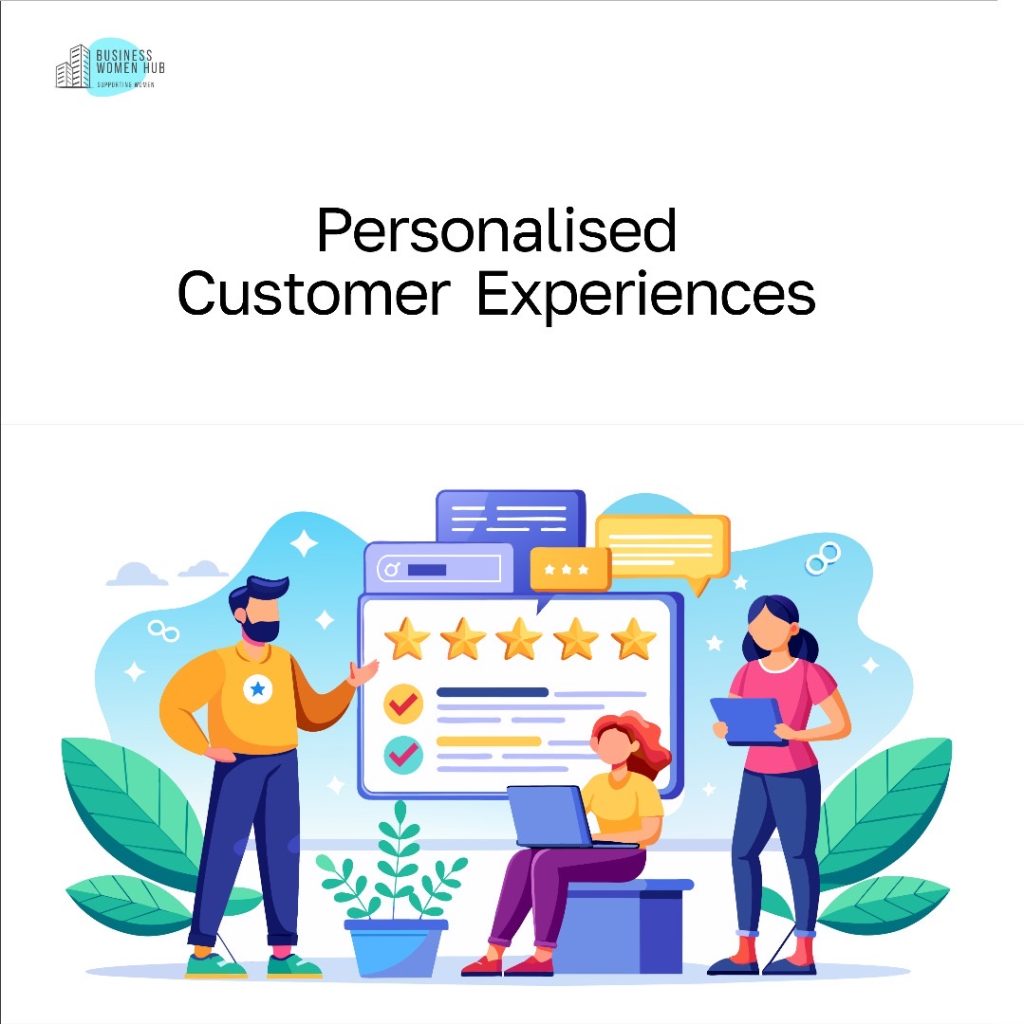
*Personalised Customer Experiences: With the help of AI, businesses can provide personalised customer experiences. AI algorithms can analyse large amounts of customer data to understand customer preferences and behaviour, and use that information to tailor recommendations, promotions, and product offerings. By providing truly personalised experiences, businesses can improve customer satisfaction and loyalty, ultimately leading to increased revenue.

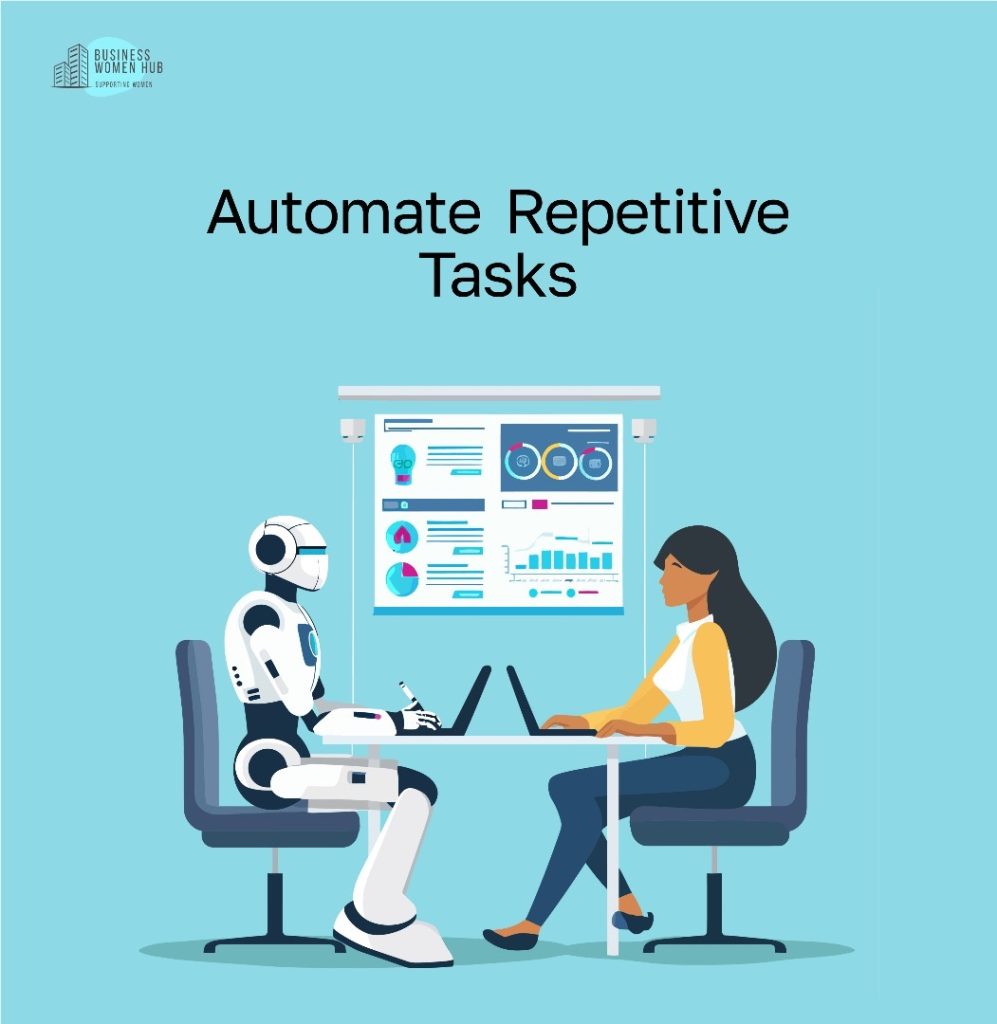
*Automate Repetitive Tasks: AI can be used to automate repetitive tasks that would otherwise require a significant amount of time and resources. By automating tasks such as data entry, report creation, or customer service, businesses can reduce costs and free up time for employees to focus on more value-added activities. This can ultimately improve productivity and help businesses stay competitive.

*Improve Operational Efficiency: Finally, AI can be used to improve operational efficiency across a range of business functions. AI-powered systems can optimise supply chain processes, schedule production runs, and monitor inventory levels, helping to reduce waste, avoid stockouts, and improve overall efficiency. By using AI to improve operational efficiency, businesses can reduce costs and improve their bottom line. These are just a few examples of how businesses can leverage AI to drive growth and success.

Posted on Leave a comment

MERITS OF AN E-COMMERCE STORE

An online store, also known as an e-commerce store, is a virtual platform where businesses can showcase and sell their products or services over the internet. It allows customers to browse through a variety of products, make purchases, and complete transactions online.

Having an online store offers several significant advantages: One of the advantages is:

*Global Reach: With an online store, businesses can reach customers beyond their local geographical boundaries. It enables access to a worldwide audience, expanding potential customer base and revenue opportunities.

*Convenience: Online stores provide convenience to both businesses and customers. Customers can browse and shop at any time, from anywhere, without the limitations of physical store hours. Businesses can operate 24/7, catering to a diverse range of customers.

*Increased Sales Potential: Online stores allowm businesses to tap into a larger customer base and increase sales potential. The ability to showcase a wide range of products and offer personalized recommendations drives customer engagement and leads to higher conversion rates.
*Cost-Effectiveness: Maintaining an online store is often more cost-effective than running a physical retail store. It eliminates the need for expenses related to rent, utilities, and maintaining a large inventory.

*Data Insights: Online stores provide valuable data insights about customer behavior, preferences, and purchase patterns. Businesses can leverage this information to optimize marketing strategies, enhance product offerings, and improve overall customer experience.


*Competitive Edge: In today’s digital age, having an online store is crucial to stay competitive. Businesses that embrace e-commerce gain a competitive edge by meeting the evolving needs and preferences of customers who prefer online shopping.

Posted on Leave a comment

TIPS TO SURVIVE AND THRIVE IN BUSINESS TODAY

Being an entrepreneur can be stressful and challenging, especially if you don’t know what you’re doing. But it doesn’t have to be that way! You can succeed at starting your own business and navigating the ins and outs of running your own company if you pay attention to these simple pieces of advice.

*Always do your research: Before starting a business, it’s essential to do your research and ensure that you clearly understand your industry, target market and competition.
You don’t want to invest money into something without knowing if there is an audience for it or if there are other similar businesses out there.
The research will save you time and money in the long run!

*Get involved in your local business community * Get to know other local business owners and entrepreneurs. Joining a networking group can help you meet people in similar situations as you and who can offer advice and support. * Attend local business events. These are great opportunities to network and learn about what’s going on in the business community. * Get involved in local politics. Knowing what’s happening at the city and county levels can help you make informed decisions about your business.

*Embrace change Change is one of the few constants in business. The ability to embrace change and adapt to new situations is critical for any entrepreneur who wants to survive and thrive. If you’re in a rut, try looking at your problem from a different perspective. Sometimes all it takes is a fresh look at things to find an answer or solution. When faced with challenges, try not to think about the past because there’s nothing you can do about it now. Instead, focus on what you need to do now to get out of your current situation.

*Save, save, save…and save : One of the best pieces of advice for entrepreneurs is to save as much money as possible. This may seem complicated, especially when you’re just starting, but it’s important to live below your means and put away as much money as possible. This will help you weather any tough times that come your way and give you a cushion to fall back on when things get tough.