Posted on Leave a comment

Ways to Leverage Global Innovation To Grow Your Business

In today’s interconnected world, the global market has brought people and countries closer than ever before. Technology advances in milliseconds, creating a century awash in innovation. With this rapid pace of change, businesses face heightened competition but also unprecedented opportunities. To thrive in this environment, leveraging global innovation is essential.
Innovation is not just about staying relevant; it’s a strategic advantage. According to research, 75% of private company executives prioritize innovation as a critical pathway to sustained growth. However, innovation should focus on creating sustainable competitive advantages rather than innovation for its own sake.

Building Credibility in the Marketplace

One key way to leverage global innovation is by earning trust and credibility with consumers. Today’s informed customers demand more than outdated practices and empty promises. Businesses must demonstrate their value clearly and consistently to build lasting trust.

Here are two essential steps to achieve this:

  1. Provide Valuable and Concise Information
    • A well-designed website with clear calls-to-action and polished branding reflects professionalism and commitment to customers.
  2. Train Your Team Effectively
    • A knowledgeable and empathetic team can communicate your value proposition clearly and enhance customer experiences.

By building trust across all touchpoints, businesses can establish authority, strengthen customer loyalty, and position themselves for success in the global market.

Leveraging global innovation is not without challenges, but the rewards make it worthwhile. By focusing on strategic innovation and building credibility, your business can scale and strengthen in an increasingly competitive world. Don’t miss the opportunity to turn global trends into growth for your company.

Posted on Leave a comment

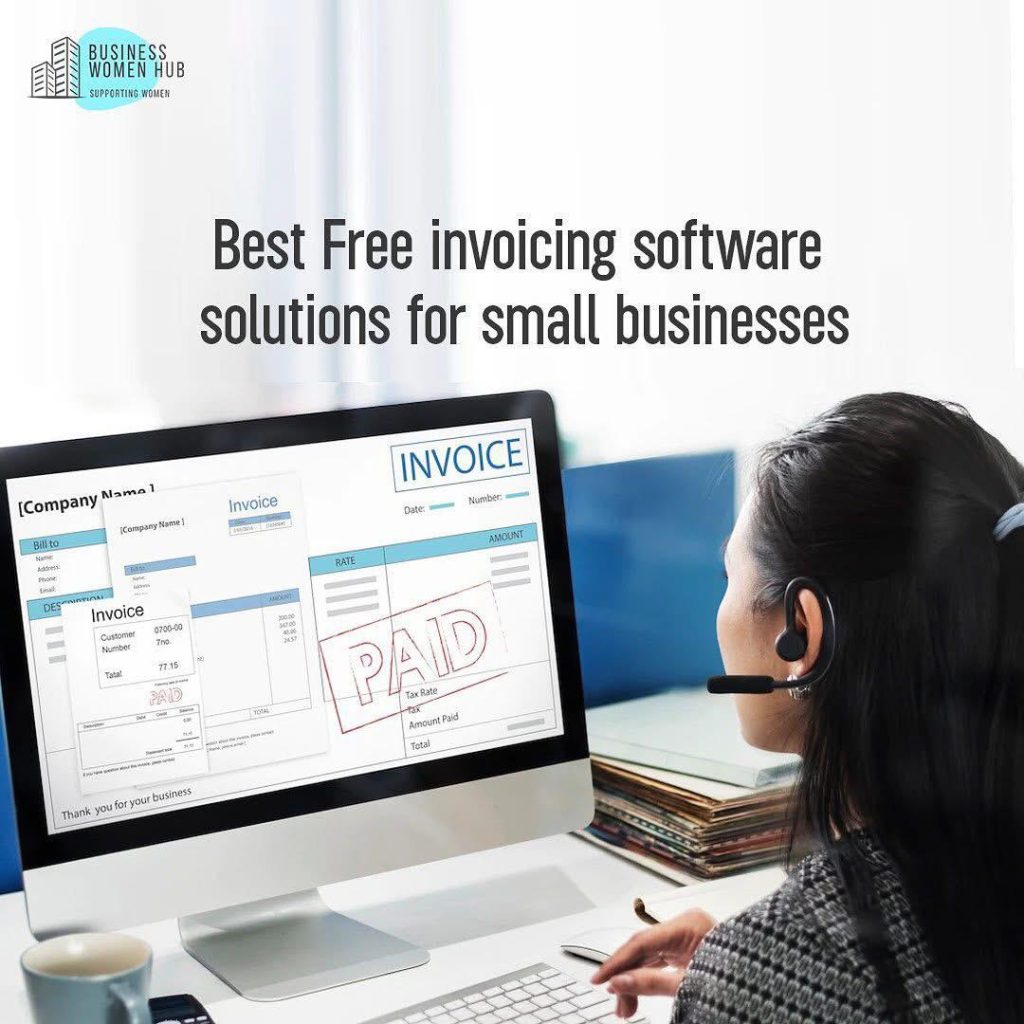
Best Free Invoicing software solutions for small businesses

Running a small business requires efficient tools to manage finances without breaking the bank. Here’s a quick summary of three of the best free invoicing software solutions tailored for small businesses:

PayPal

Known for its reliability as a payment gateway, PayPal also offers free invoicing features. With PayPal, you can:

  • Create and send invoices quickly on any device.
  • Save online invoice templates for easy reuse.
  • Automate payment reminders for clients.
  • Accept card payments and payments from clients worldwide.

PayPal’s mobile-friendly interface and decades of experience make it a trusted choice for small business owners.

Zoho Invoice

Zoho Invoice is perfect for small businesses with up to five clients. It helps manage and track invoices effortlessly. Key features include:

  • Time and expense tracking.

  • Automated reminders for due payments.
  • Multiple payment options, including credit cards, debit cards, and bank transfers.
  • Free tools like an invoice generator, estimate generator, and income tax calculator.

Zoho Invoice is a smart solution for small-scale operations looking to streamline billing and payments.

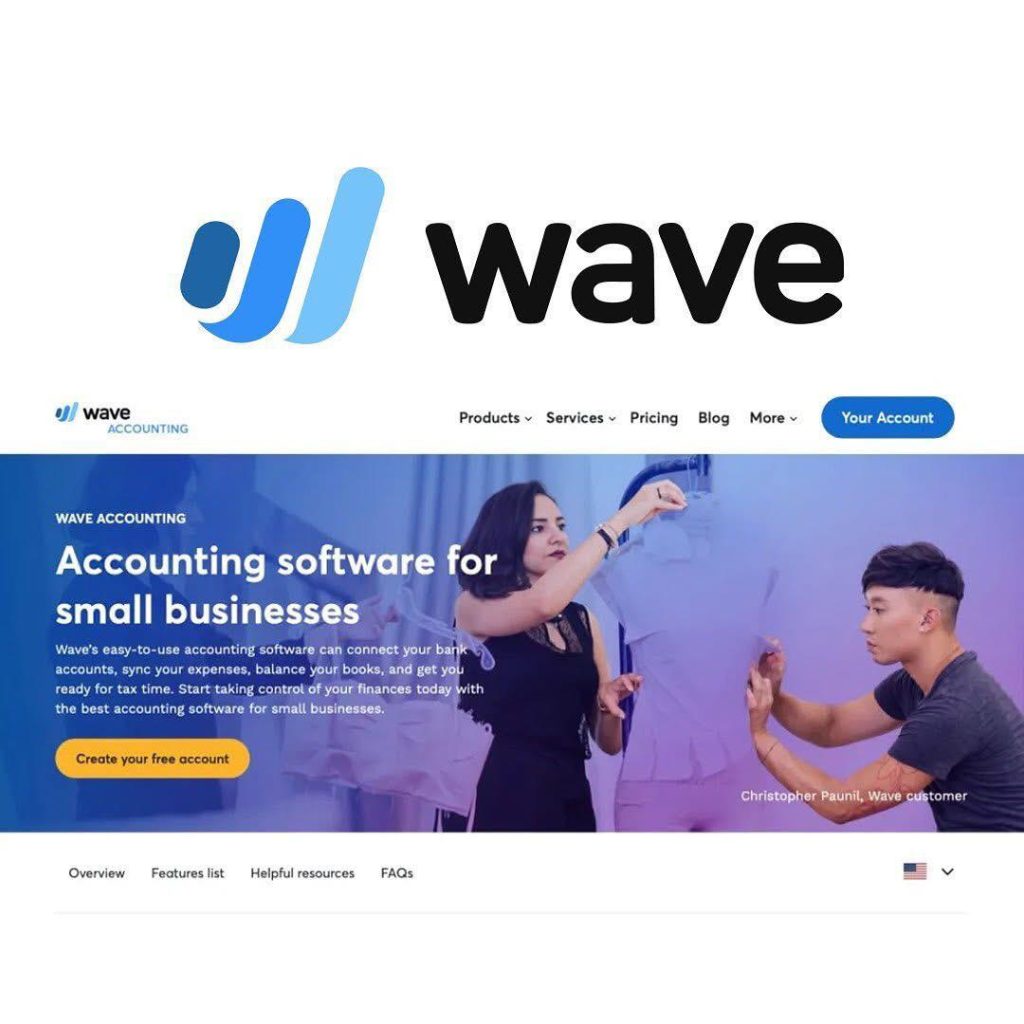
Wave

Wave is an all-in-one invoicing tool designed to simplify financial management for small businesses. With Wave, you can:

  • Create and send professional invoices in seconds.
  • Set up recurring billing for repeat clients.
  • Accept online payments to speed up transactions.
  • Track customer transaction history and monitor cash flow seamlessly.

Wave’s user-friendly design saves time while organising and polishing your business finances.

Each of these tools provides essential features to simplify invoicing and payment processes, helping small business owners stay organized and focused on growth. Explore these solutions to find the one that fits your needs best!

Posted on Leave a comment

Invoicing Software

Invoicing software, or invoice apps, automate business invoicing by creating accurate and professional invoices for clients. It reduces errors, simplifies financial management, and streamlines processes like payment tracking and reminders. For small businesses, it’s a time-saving tool to maintain cash flow and improve efficiency.

Key benefits of invoicing software include tracking payments, reducing missed payments with automated reminders, showcasing professionalism with accurate invoices, simplifying financial management, and safeguarding sensitive data. Switch to invoicing software today to boost your business efficiency.

Posted on Leave a comment

You’ll Never Satisfy Your Customers- or Grow Your Business

Driving Growth Through Customer Experience (CX): A Three-Step Approach

Customer feedback is an essential tool for sustainable growth when used strategically. This blog post explores three key strategies to move beyond measurement and drive meaningful improvement in your business through exceptional customer experience (CX).

1. Take Action with Accountability 📝

Empower your team to act on customer feedback by eliminating guesswork. Every team member should understand the “why,” “what,” “who,” and “how” behind each customer interaction. Here’s how to start:

  • Use short, branded survey forms that feel conversational and empathetic.
  • Keep surveys concise (under 3 minutes) and aligned with the visit’s purpose.
  • Allow flexibility in how and when customers complete the survey.

By analyzing feedback, you can identify areas of improvement and measure their impact on customer loyalty and advocacy. Remember, happy customers spend more.

2. Inspire Your Team Members

The best feedback-driven growth comes from motivated and skilled teams. Connect customer feedback (via video, voice, or text) to specific team behaviors, and identify areas for development. For instance, research shows that team members with higher scores for friendliness and expertise achieve significantly better conversion rates. By addressing gaps in skills, confidence, or capability, you can create a culture of continuous improvement and higher engagement among your staff.

3. Focus on Behavior-Driven Outcomes

Go beyond tracking satisfaction scores to identify the behaviors influencing customer loyalty. Use your CX program to:

  • Attract new customers.
  • Retain existing ones.
  • Increase average spend and improve conversion rates.
  • Boost social media referrals and positive reviews.

A simple customer survey can help pinpoint key areas of improvement, enabling you to refine your products and services effectively.

Posted on Leave a comment

The top 5 online marketing challenges and how to overcome them.

Navigating the world of online marketing can be daunting for small and medium businesses (SMBs), especially when competing with larger enterprises. Here are five key challenges SMBs often face and tips to overcome them:

Resource Shortage: Without a large budget or marketing expertise, SMBs often struggle to produce quality content and optimize their platforms. However, even small steps toward consistent marketing can yield significant results.

Generating Quality Leads: Effective market research helps define your brand persona and improve landing page content, ultimately boosting conversions.

Gauging your Return on Investment (ROI): Tracking income sources and ad performance can be tough. Using site analytics and campaign optimization tools simplifies the process.

Competition: Fierce competition drives up ad costs. Stay proactive by analyzing competitors, gathering reviews, and refining your customer engagement strategy.

Being on Trend: Big brands invest heavily in visibility. SMBs must stay active on social media, respond to feedback, and engage with their audience to remain competitive. With consistency, research, and the right tools, SMBs can overcome these challenges and achieve marketing success.

Posted on Leave a comment

Overcoming Challenges As a Female Entrepreneur

As women entrepreneurs, there are unique challenges that may arise, but with the right mindset and strategies, success is always within reach. Here are some key points to consider:

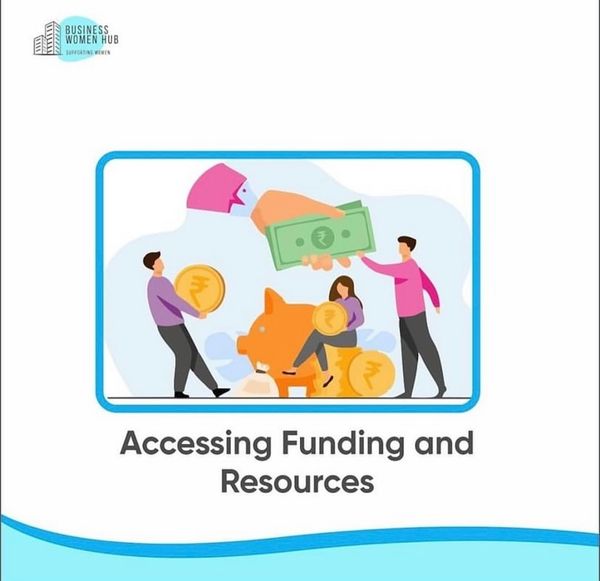
Access to Resources: Finding funding, mentorship, and other valuable resources can be tough. Seek out networks, organizations, and initiatives that are designed to support women in business, as they offer guidance, opportunities, and resources tailored to help you grow.

Work-Life Balance: Balancing personal and professional life can be demanding, especially for women with additional responsibilities. Prioritize self-care, set boundaries, and delegate tasks when necessary to ensure long-term success

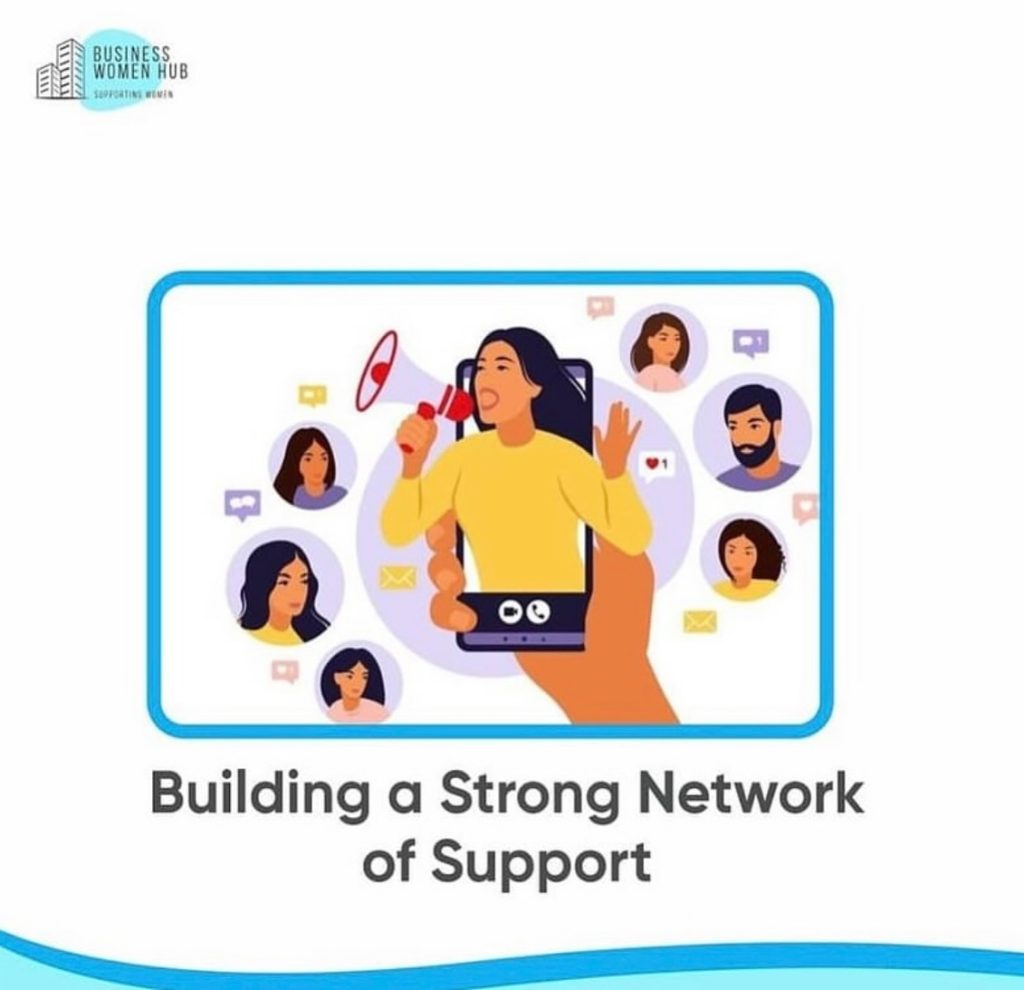
Building a Strong Support Network: Networking is critical for any entrepreneur. Connect with other women in business, attend industry events, and engage in online communities to gain support and build lasting relationships with those who share your experiences

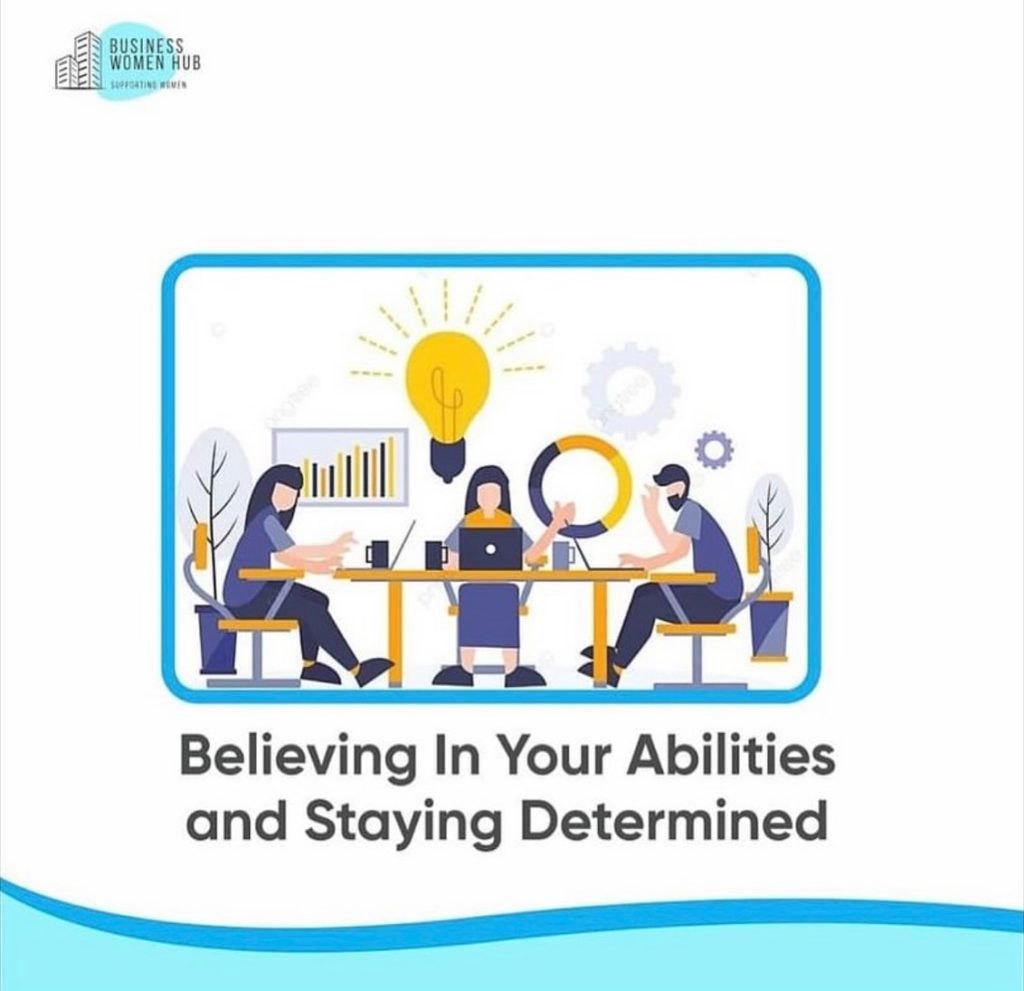
Believing in Your Abilities: Confidence is key. Believe in your capabilities, surround yourself with positive influences, and celebrate every milestone on your journey.

Remember, the power to create your own success is in your hands!

Posted on Leave a comment

4 soft skills that will propel Business to Sucess

As a business owner, hard skills like education and industry experience are important, but it’s the soft skills that often propel success. Here are three key interpersonal skills to master:

1. Empathy

Empathy is the ability to understand and share the feelings of others. In business, it fosters trust and engagement, making employees feel valued. Practicing empathy involves truly listening and being aware of others’ experiences. Business leader Dr. Christina Rahm emphasizes how empathy shaped her ventures by allowing her to see beyond her own perspective. When applied in the workplace, it can improve employee satisfaction and create a positive work environment. Remember, empathy must be practiced daily — it starts with making those around you feel heard.

2. Compassion

While empathy is about understanding, compassion takes it a step further by prompting action to help others. Dr. Rahm encourages flexibility in the workplace, such as allowing employees to bring their children or pets to work when necessary. Compassion can also be shown through small acts, like giving a sick employee time off or offering flexible work arrangements. By promoting compassion, business owners can build inclusive company cultures that foster loyalty and improve work ethics.

3. Adaptability

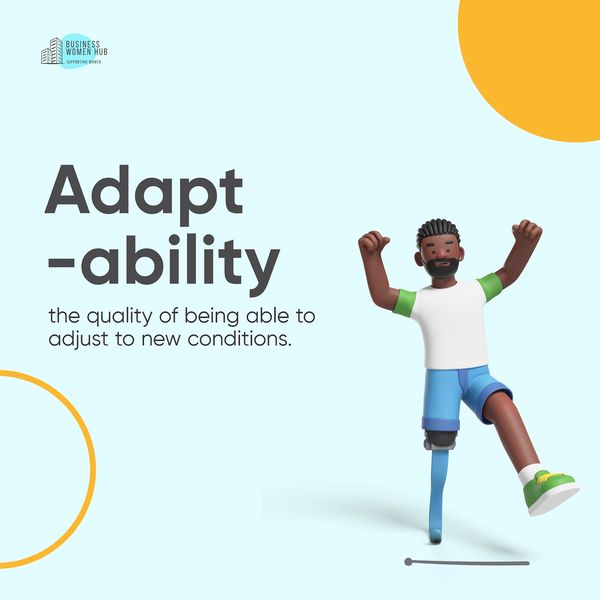
Adaptability is crucial for navigating change and challenges. Whether it’s refining a product or adjusting business processes, openness to change ensures long-term success. It’s important to remain patient, calm, and focused on solutions when things don’t go according to plan. Practicing mindfulness can help maintain a positive mindset, and embracing the idea that challenges are opportunities for growth will keep you resilient in the face of adversity.

These soft skills—empathy, compassion, and adaptability—are not just beneficial, they are essential for creating a thriving, resilient business culture. Start practicing them today!

Posted on Leave a comment

Your Follower Count is Irrelevant when it comes to true influence

As an SME, it’s easy to get caught up in the allure of accounts with millions of followers. But remember, a large following doesn’t always equate to true influence. Influence is about encouraging your audience to take action, not just gathering likes or comments.

When assessing more popular accounts, focus on these key criteria:

  1. Industry Standard: Are they consistently delivering content that aligns with industry expectations?

2. Reputability: Do their followers view them as credible and trustworthy? Reputability is more valuable than follower count.

3. Audience Insights: Do they truly understand their audience? Knowing your demographic — age, location, interests — is crucial for building meaningful connections.

4. Cross-referencing: Can their claims be verified? Be critical and ask whether their success aligns with reality.

5. Proprietary Review: Are their posts genuine or just too good to be true? Authenticity should be at the core of your strategy.

As a small business owner, always analyze why people follow you—whether for sales, promotions, or knowledge—and remember that true engagement matters more than numbers. Stay true to your values, and your authentic audience will stick with you.

Posted on Leave a comment

4 Sneaky ways to Build Brand Awareness

Ever wondered why you say “Kleenex” instead of tissue or “Coke” instead of cola? These brands have achieved the ultimate level of brand awareness, known as proprietary eponyms. Here are four sneaky ways to help your brand get there:

  1. Find Your Brand Voice
    Define a clear brand voice that reflects your mission and values. This will guide all your communication, from your website to social media and ads. Collaborate with your marketing, sales, and product teams to ensure your messaging resonates with your target audience.

2. Create and Improve Your Website
Your website is the face of your business. Ensure its mobile-friendly, includes analytics for tracking visitor behaviour, and has email submission forms to build a mailing list. These forms help you gather emails for future marketing and personalized customer outreach.

3. Launch Email Campaigns
Use the emails collected from your website to start campaigns. Start with transactional emails like welcome notes and purchase confirmations. Gradually, move to promotional campaigns to increase engagement and drive sales.

4. Introduce a Referral Program
Encourage your customers to refer others by offering them rewards. Dropbox’s referral program, which offered users extra storage space, is a prime example of how this strategy can significantly boost sign-ups and drive growth.

Posted on Leave a comment

4 Tips to Maximize Profits in Business

Profitability is a measure of a company’s ability to generate maximum revenue while incurring minimal costs. In the most basic sense, profit goes up as sales increase and/or costs decrease.
In reality, though, achieving profitability is anything but simple. Because sales and costs are not necessarily incremental, focusing too much on increasing sales could leave you at risk if there is a sudden, unforeseen decrease in demand.

Cost of goods sold Adjust pricing/Cost of Goods Sold (COGS) (COGS) are the direct costs associated with making a product or delivering a service—mainly raw materials and labor. It’s critical that COGS is calculated accurately and kept as consistent as possible so that products or services may be priced correctly.
To achieve this, companies must define, track and price the time and material resources needed to complete each build. By standardizing the manufacturing process, you should be able to accurately anticipate true costs and avoid large discrepancies from one build to the next—thus standardizing COGS.

Review Your Product Portfolio and Pricing


Related to both of the above items, it’s important to understand the true unit margins for each product in your portfolio and update that data frequently.
A good rule of thumb: Before adding a new offering, review your current portfolio. Are products underperforming? Do you have difficult-to-produce items that are eating away at your margins, time and money?

Increase Customer Lifetime Value

Never underestimate the power of happy clients. Understanding your customers and delivering consistently excellent experiences is perhaps the most cost-effective way to increase loyalty and acquire new customers via referrals.
You can show appreciation for your existing customers, increase their lifetime value, deliver new leads and boost your profits. How? Consider: Incentives, Encourage referrals, Recommendations and reviews, Customer retention.

Refine Demand Forecasts

If you have more componentry or raw material inventory than demand, you’ll end up spending to store it, or worse, have it expire and need to be replaced. But if you don’t have enough, you’ll pay for rush orders and expedited shipping—both of which increase COGS.