
Posted on Leave a comment

You’ll Never Satisfy Your Customers- or Grow Your Business

Driving Growth Through Customer Experience (CX): A Three-Step Approach

Customer feedback is an essential tool for sustainable growth when used strategically. This blog post explores three key strategies to move beyond measurement and drive meaningful improvement in your business through exceptional customer experience (CX).

1. Take Action with Accountability 📝

Empower your team to act on customer feedback by eliminating guesswork. Every team member should understand the “why,” “what,” “who,” and “how” behind each customer interaction. Here’s how to start:

  • Use short, branded survey forms that feel conversational and empathetic.
  • Keep surveys concise (under 3 minutes) and aligned with the visit’s purpose.
  • Allow flexibility in how and when customers complete the survey.

By analyzing feedback, you can identify areas of improvement and measure their impact on customer loyalty and advocacy. Remember, happy customers spend more.

2. Inspire Your Team Members

The best feedback-driven growth comes from motivated and skilled teams. Connect customer feedback (via video, voice, or text) to specific team behaviors, and identify areas for development. For instance, research shows that team members with higher scores for friendliness and expertise achieve significantly better conversion rates. By addressing gaps in skills, confidence, or capability, you can create a culture of continuous improvement and higher engagement among your staff.

3. Focus on Behavior-Driven Outcomes

Go beyond tracking satisfaction scores to identify the behaviors influencing customer loyalty. Use your CX program to:

  • Attract new customers.
  • Retain existing ones.
  • Increase average spend and improve conversion rates.
  • Boost social media referrals and positive reviews.

A simple customer survey can help pinpoint key areas of improvement, enabling you to refine your products and services effectively.


Posted on Leave a comment

The top 5 online marketing challenges and how to overcome them.

Navigating the world of online marketing can be daunting for small and medium businesses (SMBs), especially when competing with larger enterprises. Here are five key challenges SMBs often face and tips to overcome them:

Resource Shortage: Without a large budget or marketing expertise, SMBs often struggle to produce quality content and optimize their platforms. However, even small steps toward consistent marketing can yield significant results.

Generating Quality Leads: Effective market research helps define your brand persona and improve landing page content, ultimately boosting conversions.

Gauging your Return on Investment (ROI): Tracking income sources and ad performance can be tough. Using site analytics and campaign optimization tools simplifies the process.

Competition: Fierce competition drives up ad costs. Stay proactive by analyzing competitors, gathering reviews, and refining your customer engagement strategy.

Being on Trend: Big brands invest heavily in visibility. SMBs must stay active on social media, respond to feedback, and engage with their audience to remain competitive. With consistency, research, and the right tools, SMBs can overcome these challenges and achieve marketing success.

Posted on Leave a comment

Overcoming Challenges As a Female Entrepreneur

As women entrepreneurs, there are unique challenges that may arise, but with the right mindset and strategies, success is always within reach. Here are some key points to consider:

Access to Resources: Finding funding, mentorship, and other valuable resources can be tough. Seek out networks, organizations, and initiatives that are designed to support women in business, as they offer guidance, opportunities, and resources tailored to help you grow.

Work-Life Balance: Balancing personal and professional life can be demanding, especially for women with additional responsibilities. Prioritize self-care, set boundaries, and delegate tasks when necessary to ensure long-term success

Building a Strong Support Network: Networking is critical for any entrepreneur. Connect with other women in business, attend industry events, and engage in online communities to gain support and build lasting relationships with those who share your experiences

Believing in Your Abilities: Confidence is key. Believe in your capabilities, surround yourself with positive influences, and celebrate every milestone on your journey.

Remember, the power to create your own success is in your hands!

Posted on Leave a comment

4 soft skills that will propel Business to Sucess

As a business owner, hard skills like education and industry experience are important, but it’s the soft skills that often propel success. Here are three key interpersonal skills to master:

1. Empathy

Empathy is the ability to understand and share the feelings of others. In business, it fosters trust and engagement, making employees feel valued. Practicing empathy involves truly listening and being aware of others’ experiences. Business leader Dr. Christina Rahm emphasizes how empathy shaped her ventures by allowing her to see beyond her own perspective. When applied in the workplace, it can improve employee satisfaction and create a positive work environment. Remember, empathy must be practiced daily — it starts with making those around you feel heard.

2. Compassion

While empathy is about understanding, compassion takes it a step further by prompting action to help others. Dr. Rahm encourages flexibility in the workplace, such as allowing employees to bring their children or pets to work when necessary. Compassion can also be shown through small acts, like giving a sick employee time off or offering flexible work arrangements. By promoting compassion, business owners can build inclusive company cultures that foster loyalty and improve work ethics.

3. Adaptability

Adaptability is crucial for navigating change and challenges. Whether it’s refining a product or adjusting business processes, openness to change ensures long-term success. It’s important to remain patient, calm, and focused on solutions when things don’t go according to plan. Practicing mindfulness can help maintain a positive mindset, and embracing the idea that challenges are opportunities for growth will keep you resilient in the face of adversity.

These soft skills—empathy, compassion, and adaptability—are not just beneficial, they are essential for creating a thriving, resilient business culture. Start practicing them today!

Posted on Leave a comment

ELEMENTS OF A SUCCESSFUL BUSINESS IDEA

An element of a business idea refers to a specific component or aspect that contributes to the overall concept and viability of a business venture.

Here are a few key elements commonly found in a business idea:

Clear Value Proposition: This is the most important element of a successful business idea. One need to identify the clear pain points, needs or problems of customers, and create a product or service that solves them. The value proposition should highlight how your product or service is unique and better than alternatives in the market. It should clearly define the benefits and the value that your customers can get, and how it is different from your competitors.

Market Validation: This is the process through which you validate the potential demand for your product or service. This can be done by conducting market research, studying the market trends, analyzing competitors, and gathering feedback from customers. Market validation helps to ensure that your business idea has a strong potential to succeed in the market.

Strong Business Model: A strong business model is crucial for success. It should be designed in a way that the company has multiple sources of revenue and is able to generate profits over time. The business model should be scalable, adaptable, and flexible enough to meet the changing needs of the market and customers.

Sustainability: This encompasses the social and environmental impact of the business. Ethical practices and long-term sustainability should be integrated into the core operations, ensuring responsible and conscientious business practices. By combining a well-defined business model with a strong focus on sustainability, businesses can strive for long-term success while positively impacting society and the environment.

These elements, when thoughtfully integrated and executed, contribute to the foundation and potential success of a business idea.

Posted on Leave a comment

5 WAYS TO USE AI IN YOUR BUSINESS

*Data-Driven Decisions: AI can help businesses make more informed decisions based on data analysis. AI models can be trained to make predictions and provide insights that can help businesses optimise their operations, improve their products or services, and identify new opportunities. By leveraging AI, businesses can quickly and accurately analyse large amounts of data and extract meaningful insights that can inform strategic decisions.

* Enhance Cybersecurity Measures: AI can be used to enhance cybersecurity measures by detecting and responding to potential threats in real-time. AI algorithms can learn to recognise patterns of suspicious user behaviour and identify threats that traditional rule-based systems might miss. By detecting and responding to cyber threats faster, AI can help businesses prevent breaches and protect sensitive data from loss or theft.

*Personalised Customer Experiences: With the help of AI, businesses can provide personalised customer experiences. AI algorithms can analyse large amounts of customer data to understand customer preferences and behaviour, and use that information to tailor recommendations, promotions, and product offerings. By providing truly personalised experiences, businesses can improve customer satisfaction and loyalty, ultimately leading to increased revenue.

*Automate Repetitive Tasks: AI can be used to automate repetitive tasks that would otherwise require a significant amount of time and resources. By automating tasks such as data entry, report creation, or customer service, businesses can reduce costs and free up time for employees to focus on more value-added activities. This can ultimately improve productivity and help businesses stay competitive.

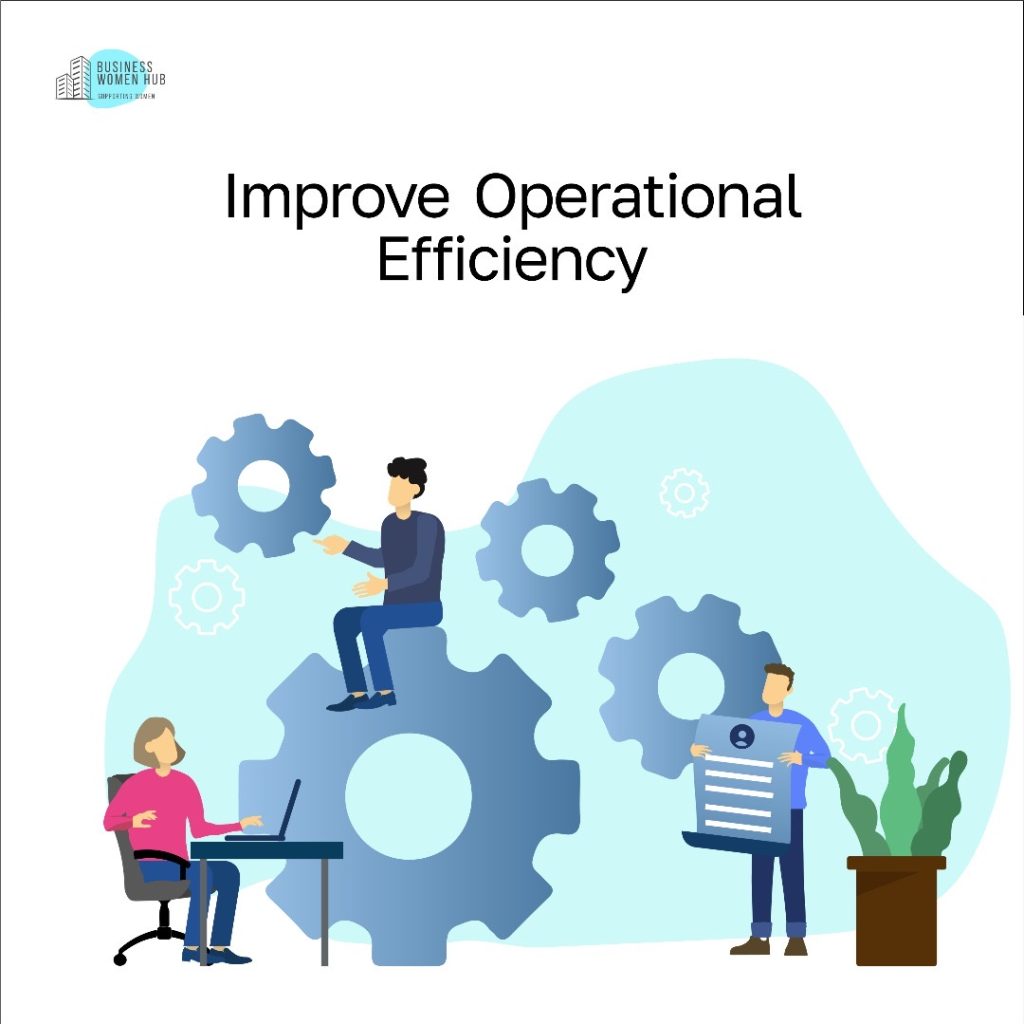
*Improve Operational Efficiency: Finally, AI can be used to improve operational efficiency across a range of business functions. AI-powered systems can optimise supply chain processes, schedule production runs, and monitor inventory levels, helping to reduce waste, avoid stockouts, and improve overall efficiency. By using AI to improve operational efficiency, businesses can reduce costs and improve their bottom line. These are just a few examples of how businesses can leverage AI to drive growth and success.

Posted on Leave a comment

TIPS TO SURVIVE AND THRIVE IN BUSINESS TODAY

Being an entrepreneur can be stressful and challenging, especially if you don’t know what you’re doing. But it doesn’t have to be that way! You can succeed at starting your own business and navigating the ins and outs of running your own company if you pay attention to these simple pieces of advice.

*Always do your research: Before starting a business, it’s essential to do your research and ensure that you clearly understand your industry, target market and competition.
You don’t want to invest money into something without knowing if there is an audience for it or if there are other similar businesses out there.
The research will save you time and money in the long run!

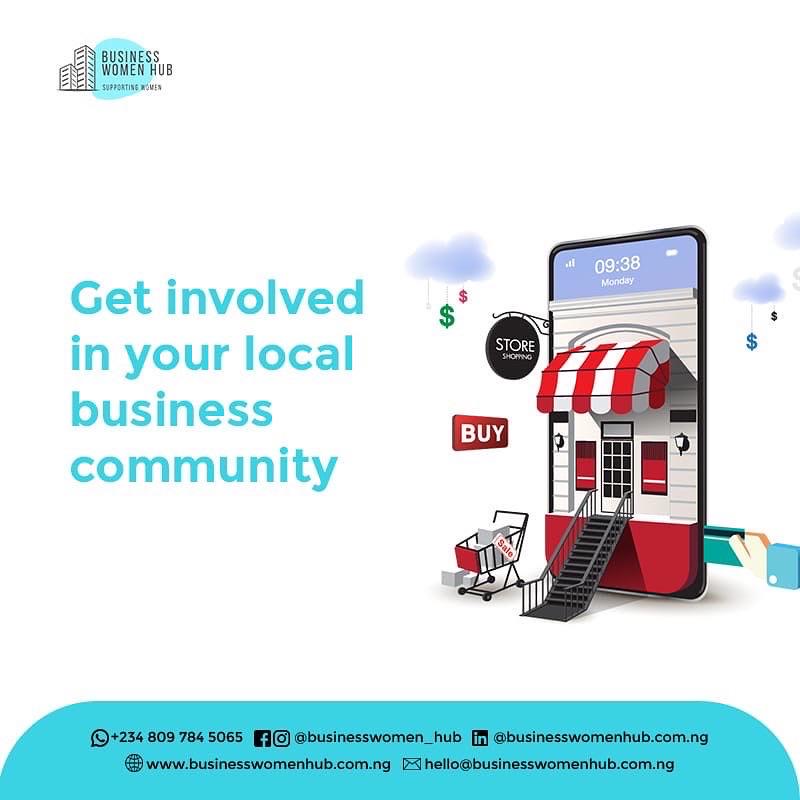
*Get involved in your local business community * Get to know other local business owners and entrepreneurs. Joining a networking group can help you meet people in similar situations as you and who can offer advice and support. * Attend local business events. These are great opportunities to network and learn about what’s going on in the business community. * Get involved in local politics. Knowing what’s happening at the city and county levels can help you make informed decisions about your business.

*Embrace change Change is one of the few constants in business. The ability to embrace change and adapt to new situations is critical for any entrepreneur who wants to survive and thrive. If you’re in a rut, try looking at your problem from a different perspective. Sometimes all it takes is a fresh look at things to find an answer or solution. When faced with challenges, try not to think about the past because there’s nothing you can do about it now. Instead, focus on what you need to do now to get out of your current situation.

*Save, save, save…and save : One of the best pieces of advice for entrepreneurs is to save as much money as possible. This may seem complicated, especially when you’re just starting, but it’s important to live below your means and put away as much money as possible. This will help you weather any tough times that come your way and give you a cushion to fall back on when things get tough.

Posted on Leave a comment

5 SMART BUDGETING TIPS FOR SMALL BUSINESS OWNERS

Budgeting tips are important for business owners as they provide financial control, help manage costs, facilitate informed decision making, and enable effective financial planning. By implementing these strategies, business owners can achieve greater financial stability, growth, and long-term success.

Certainly! Here are the details for each smart budgeting tip for small business owners:

TRACK EVERY EXPENSE: To effectively manage your finances, it’s crucial to track every expense incurred by your small business. This includes keeping a record of both major and minor expenditures. By diligently tracking your expenses, you gain insights into where your money is going and can identify areas where you might need to cut back or find more cost-effective alternatives.

SET CLEAR FINANCIAL GOALS: Establishing clear financial goals provides a roadmap for your business’s financial success. It could include objectives like increasing revenue, reducing costs, improving cash flow, or investing in expansion. By defining these goals, you can align your budgeting efforts towards achieving them.

UTILIZE BUDGETING TOOLS: Take advantage of budgeting tools that are designed to simplify the process and help you stay on top of your finances. There are several online platforms and software available that can assist in budget creation, expense tracking, and financial analysis. These tools can provide visual representations of your financial data, making it easier to identify trends and make informed decisions.

REGULARLY MONITOR AND ADJUST: Budgeting is not a one-time task; it’s an ongoing process. Regularly monitor your budget and compare it to your actual financial performance. Identify any discrepancies or areas where you may need to make adjustments. This allows you to stay proactive in managing your finances and make necessary changes to keep your business on track.

BUILD AN EMERGENCY FUND: Small businesses can face unexpected challenges or downturns. Building an emergency fund is essential for financial resilience. Allocate a portion of your budget towards creating a contingency fund that can be used to cover unexpected expenses or sustain your business during difficult times. Having this safety net can provide peace of mind and help mitigate potential financial risks.

Implementing these smart budgeting tips can contribute to the financial stability and growth of your small business. Remember, consistently reviewing and adapting your budgeting strategies based on your business’s evolving needs is key to long-term financial success.

Posted on Leave a comment

COMMON WAYS TO RAISE CAPITAL FOR YOUR BUSINESS

What is capital? 
Capital means the money and assets that are used to start, run, or grow a business.

One of the ways to raise capital for your business is through Investors 

Investors: You can pitch your business idea to potential investors who may provide funding in exchange for equity or a share of your company.

Business Loans: You can apply for loans from banks or financial institutions. These loans usually require a solid business plan and collateral.

Crowdfunding: Platforms like Kickstarter or GoFundMe allow you to raise funds from a large number of people who believe in your business idea.

Grants: Look for grants offered by government organizations or private foundations that support businesses in your industry or location.

Posted on Leave a comment

THE IMPORTANCE OF BRANDING FOR YOUR BUSINESS

Branding is super important for your business, It plays a crucial role in unifying your business, boosting sales, shaping perception, creating customer preference, and enabling business extension. It’s all about crafting a strong and consistent brand identity that resonates with your target audience.  

*Unity: Branding brings unity to your business by establishing a consistent look, feel, and message across all your marketing materials. This helps create a cohesive and recognizable brand that customers can easily identify.

*Sales is indeed an important aspect of branding Sales: A strong brand can have a positive impact on your sales. When customers recognize and trust your brand, they’re more likely to choose your products or services over competitors. Branding helps build that trust and loyalty, leading to increased sales.

*Perception: Your brand influences how customers perceive your business. Through branding, you can shape the perception of your brand to align with your desired image. It’s all about creating a positive and memorable impression that resonates with your target audience.

*Preference: Branding helps create a preference for your business among customers. When your brand effectively communicates its unique value proposition and connects with customers on an emotional level, it can influence their buying decisions and make them choose your brand over others.

*Extension: Branding allows you to extend your business beyond its core offerings. By building a strong brand, you can expand into new product lines or services while leveraging the trust and reputation you’ve already established. This makes it easier to enter new markets or diversify your business.