Posted on Leave a comment

Overcoming Fear in Business: How to Build Confidence, Take Action, and Grow Your Business

Every entrepreneur experiences fear. Whether it’s the fear of failure, being judged, losing money, or making the wrong decision, these emotions are part of the journey. The difference between those who succeed and those who remain stuck isn’t the absence of fear; it’s the decision to keep moving despite it.

Fear often whispers that you’re not ready, not experienced enough, or that the risks are too great. But every thriving business started with someone who chose to act before they felt completely confident.

If you’ve been waiting for the “perfect time” to launch, expand, or take the next step in your business, this is your reminder: progress begins the moment you choose courage over comfort.

Fear Is Not a Stop Sign

Fear is natural, but it shouldn’t determine the direction of your business. Instead of seeing fear as a signal to stop, view it as evidence that you’re stepping into new opportunities and growth.

Here are a few ways to move forward despite fear:

  • Acknowledge your fear instead of ignoring it.
  • Take one bold step, even if it’s small.
  • Stop waiting to feel “ready.” Confidence comes through action.
  • Learn from mistakes rather than allowing them to define you.

  • Focus on possibilities instead of worst-case scenarios.

The truth is, fear doesn’t have to disappear before you move. Your dreams become possible the moment you decide they’re bigger than your doubts.

Build Confidence Through Small Wins

Confidence isn’t something you’re born with; it’s something you develop through consistent action.

Every customer you serve, every product you sell, every challenge you overcome, and every lesson you learn strengthens your belief in yourself. Small victories create the momentum needed for bigger successes.

To build lasting confidence:

  • Celebrate every win, no matter how small.
  • Keep learning to reduce uncertainty.
  • Measure your progress against your own growth, not someone else’s success.
  • Prepare consistently for opportunities.
  • Replace negative self-talk with words of encouragement.

Confidence doesn’t mean you’re no longer afraid. It means you’ve learned to trust yourself enough to move forward anyway.

Don’t Let Fear Make Your Decisions

Fear often disguises itself as procrastination, perfectionism, or excessive caution. Before long, valuable opportunities slip away because of overthinking.

Successful entrepreneurs don’t let fear drive their decisions; they let their purpose lead.

Here’s how to stay in control:

  • Make decisions based on your long-term goals.
  • Stop overthinking and start taking action.
  • Accept that perfection isn’t required for progress.
  • Ask for guidance and support when needed.
  • Continue showing up, even when it feels uncomfortable.

Every opportunity avoided because of fear is an opportunity someone else may embrace. Choose courage over comfort, one decision at a time.

Courage Creates the Business You Dream Of

Behind every successful business is someone who found the courage to begin.

Building a thriving business isn’t about waiting for perfect conditions. It’s about showing up consistently, taking calculated risks, learning from experience, and refusing to quit when challenges arise.

Develop a courageous business mindset by:

  • Believing in the value you bring to the market.
  • Taking calculated risks instead of avoiding all risks.
  • Seeing challenges as opportunities for growth.
  • Surrounding yourself with people who support your vision.
  • Remaining consistent, even when results take time.

Remember, courage isn’t the absence of fear; it’s choosing your purpose despite your fear. Every step you take today moves you closer to the business and life you’re working to build.

Final Thoughts

Fear will always be part of entrepreneurship, but it doesn’t have to be in charge.

Every successful business owner has faced moments of uncertainty. What sets them apart is their willingness to act despite it. The more you take action, the stronger your confidence becomes, and the more your business grows.

So, don’t wait until fear disappears. Start where you are, use what you have, and keep moving forward.
Your future business is built on the courageous decisions you make today.

Posted on Leave a comment

Smart Money Habits Every Entrepreneur Needs to Build Lasting Wealth

Running a successful business isn’t just about making more sales; it’s about managing your money wisely. Many entrepreneurs focus on increasing revenue but overlook the financial habits that create long-term stability and wealth.

The truth is, smart money management is what separates businesses that survive from those that thrive. Whether you’re just starting or growing an established business, adopting healthy financial habits can help you make better decisions, reduce stress, and build a business that truly works for you.

Here are four smart money habits every entrepreneur should develop.

Pay Yourself First, Not Last

One of the biggest financial mistakes entrepreneurs make is paying every bill, supplier, and business expense before setting aside money for themselves. While your business deserves investment, so do you.

Creating wealth starts with developing the habit of paying yourself first, even if it’s a small amount. Remember, consistency is far more important than the size of the amount.

Here are a few smart habits to adopt:

  • Set aside a percentage of every sale as your income or savings.
  • Separate your business and personal finances.
  • Create a monthly budget and stick to it.
  • Build an emergency fund for unexpected business expenses.
  • Treat saving as a business expense, not an afterthought.

Key Takeaway: A profitable business should also create a financially secure entrepreneur. Your business should work for you, not leave you constantly working for money.

Know Where Every Naira Goes

You can’t improve what you don’t measure.

Many businesses don’t struggle because they fail to make money; they struggle because they don’t know where their money goes. Tracking your income and expenses gives you the clarity you need to make smarter financial decisions.

Start by taking control of your cash flow:

  • Record every sale and every expense.
  • Review your cash flow every week.
  • Identify unnecessary spending and eliminate it.
  • Track your most profitable products or services.
  • Use simple bookkeeping tools to stay organized.

Key Takeaway: Every naira should have a purpose. When you tell your money where to go, you’re less likely to wonder where it went. Financial awareness is the first step toward financial freedom.

Spend to Grow, Not to Impress

As your business grows, it’s easy to confuse spending with investing. A fancy office, expensive equipment, or unnecessary upgrades may look impressive, but they don’t always contribute to business growth.

Before making any purchase, ask yourself: “Will this help my business grow?”

Spend wisely by:

  • Investing in tools that improve productivity.
  • Prioritizing marketing that delivers measurable results.
  • Buying inventory based on customer demand, not assumptions.
  • Avoiding unnecessary debt for non-essential purchases.
  • Focusing on value instead of appearances.

Key Takeaway: Growth comes from intentional investments, not expensive distractions. Every smart financial decision you make today strengthens your business for tomorrow.

Build Wealth Beyond Today’s Sales

Making sales feels rewarding, but real financial success comes from what you do after the money reaches your account.

Successful entrepreneurs don’t just earn; they save, invest, and plan for the future. Every profit should contribute to building long-term financial security.

Develop these wealth-building habits:

  • Save consistently from your business profits.
  • Reinvest strategically into areas that generate more income.
  • Diversify your income streams where possible.
  • Set financial goals for the next 6–12 months.
  • Celebrate your progress while continuing to plan.

Key Takeaway: Today’s profits should become tomorrow’s financial security. Strong businesses are built on smart money habits, and smart money habits create lasting success.

Final Thoughts

Financial success doesn’t happen by chance; it happens through consistent, intentional decisions. Every smart choice you make today, from tracking your expenses to saving regularly and investing wisely, strengthens both your business and your personal financial future.

You don’t need to earn millions before practicing good financial habits. Start with what you have, stay consistent, and let your money work as hard as you do.

Remember: Building a successful business isn’t just about increasing your income; it’s about managing your money wisely enough to create lasting wealth.

Posted on Leave a comment

Confidence & Mindset Reset for the Next Level: 4 Powerful Shifts Every Woman Entrepreneur Needs to Grow

Every successful business starts with one powerful decision: believing that you are capable of building something greater.

As women entrepreneurs, it’s easy to get caught up in self-doubt, comparison, and the pressure to have everything figured out before taking the next step. But the truth is, growth doesn’t begin when you’re fearless; it begins when you choose to move forward despite your fears.

If you’re ready to elevate your business, it starts with resetting your mindset. Here are four powerful confidence shifts that will help you embrace your next level with courage and purpose.

Believe Bigger Than Your Doubts

Every new level in business begins with a new level of belief. Before others invest in your vision, you must first believe that you are capable of achieving it. Confidence isn’t about knowing everything. It’s about trusting yourself to learn, grow, and figure things out along the way.

Choose confidence over self-doubt by embracing these mindset shifts:

  • Replace limiting thoughts with empowering ones.
  • Speak to yourself the way you would encourage another woman in business.
  • Celebrate your progress. Every milestone, no matter how small, is proof that you’re moving forward.
  • Stop comparing your journey. Your timeline is unique, and your success doesn’t have to look like anyone else’s.
  • Own your expertise. You know more than you think. Share your knowledge with confidence.
  • Show up consistently. Confidence grows through action, not by waiting until you feel “ready.”

Remember: The next level isn’t reserved for the most qualified; it’s often reached by those who dare to believe they belong there. Your confidence is your competitive advantage.

Reset Your Mindset for Growth

Your business can only grow as much as your mindset allows. When your thoughts are dominated by fear, failure, or uncertainty, it’s difficult to recognize the opportunities that surround you. A mindset reset helps you exchange fear for possibility and hesitation for action.


Here are practical ways to strengthen your mindset:

  • Let go of yesterday’s setbacks. One challenge does not define your future.
  • Focus on opportunities instead of obstacles. Every problem carries both a lesson and a solution.
  • Embrace continuous learning. Every new skill expands your confidence.
  • Speak positively about your business. The words you use shape the way you lead.
  • Surround yourself with growth-minded people. Your environment influences your perspective more than you realize.

Remember: Success begins in your mind long before it appears in your business. Reset your thinking today, and you’ll reset your future.

Lead with Confidence, Even Before You Feel Ready

Many women delay taking the next step because they don’t feel completely prepared. However, confidence rarely comes before action. It grows through courage, experience, and consistency. Your next opportunity may simply require you to say “yes” before you feel 100% ready.

Here’s how to build confident leadership:

  • Make decisions with conviction. Trust the knowledge and experience you’ve gained.
  • Speak up about your business. Your voice deserves to be heard.
  • Take calculated risks. Growth often exists just outside your comfort zone.
  • Learn from mistakes instead of fearing them. Every setback strengthens your resilience.
  • Keep showing up consistently. Consistency builds both credibility and confidence over time.

Remember: Courage creates confidence. Every bold step you take prepares you for the next one. Lead boldly because your business is waiting for the woman you’re becoming.

Become the Woman Your Next Level Requires

Every new level of success demands a stronger version of you. Growing your business isn’t only about increasing sales or attracting more customers. It’s also about becoming a better leader, developing stronger habits, and cultivating the mindset needed to sustain success.

The entrepreneur you aspire to become is built through intentional daily choices.

Here’s how to step confidently into your next level:

  • Develop empowering daily habits. Small disciplines create remarkable results over time.
  • Protect your confidence. Don’t allow criticism or comparison to shrink your vision.
  • Invest in your personal growth. Read, learn, network, and remain curious.
  • Lead with resilience. Challenges are stepping stones, not stop signs.
  • Visualize your future consistently. Start acting today like the leader you’re becoming.

Remember: Your next level isn’t waiting for a different person. It’s waiting for a more confident, resilient, and intentional version of you.

Final Thoughts

Confidence isn’t something you’re born with; it’s something you build. Every decision to show up, learn, take action, and believe in your vision strengthens the leader within you.

As you pursue your next level, remember that mindset is your foundation. When you believe bigger than your doubts, reset your thinking for growth, lead before you feel completely ready, and intentionally become the woman your vision requires, there’s no limit to what you can achieve.

Your next level starts with the way you think. Choose confidence. Choose growth. Choose yourself.

Posted on Leave a comment

Packaging That Speaks: How to Create a Customer Experience People Never Forget

In today’s competitive marketplace, having an excellent product is no longer enough. Before customers taste your food, wear your clothing, use your service, or experience the quality of what you offer, they have already formed an opinion about your brand.

That opinion begins with your packaging and presentation.

From the colors you use to the way your products are packaged, delivered, and displayed, every detail communicates something about your business. Thoughtful presentation doesn’t just make your brand look good; it creates trust, builds emotional connections, and transforms first-time buyers into loyal customers.

If you want customers to remember your business long after their purchase, here are four powerful ways to create a memorable customer experience through packaging and presentation.

First Impressions Matter

Your packaging is often the first interaction customers have with your business. Before they experience your product, they experience your brand.

A polished, professional presentation immediately communicates quality, credibility, and attention to detail. On the other hand, poor packaging can make even an outstanding product appear less valuable.

To create a strong first impression:

  • Invest in clean, professional packaging that reflects your brand.
  • Use consistent colors, fonts, and branding across all customer touchpoints.
  • Pay attention to how your products are displayed, both online and offline.
  • Ensure your business materials look polished and intentional.
  • Remember that even the smallest details influence how customers perceive your business.

Your packaging is not just a container; it’s an extension of your brand story. Make every first impression one that customers won’t forget.

Your Brand Should Feel Like an Experience

Customers may forget exactly what they bought, but they’ll remember how your business made them feel.

The most successful brands don’t simply sell products; they create experiences. Every package opened, every delivery received, and every interaction should leave customers feeling valued.

You can create memorable experiences by:

  • Including handwritten thank-you notes or branded inserts.
  • Making your unboxing or delivery process enjoyable.
  • Maintaining consistency across your products, social media, and customer service.
  • Designing experiences that evoke positive emotions.
  • Delivering excellence at every customer touchpoint.

When your brand feels intentional, customers become emotionally connected to your business, and emotionally connected customers are far more likely to return and recommend you to others.

Presentation Adds Perceived Value

Presentation has the power to elevate how customers perceive your product.

Even when two businesses offer similar products, customers often place greater value on the one presented more professionally. An attractive presentation builds confidence, strengthens trust, and increases the willingness to buy.

To elevate your presentation:

  • Use quality packaging materials that align with your brand identity.
  • Invest in clear, professional product photography.
  • Keep displays neat and attractive during exhibitions, markets, or in-store presentations.
  • Ensure labels, pricing, and product information are clear and easy to read.
  • Focus on a clean, simple, and consistent presentation style.

Presentation doesn’t replace quality; it reveals it. When customers can clearly see the value of what you offer, they’re more likely to trust your business, make a purchase, and recommend you to others.

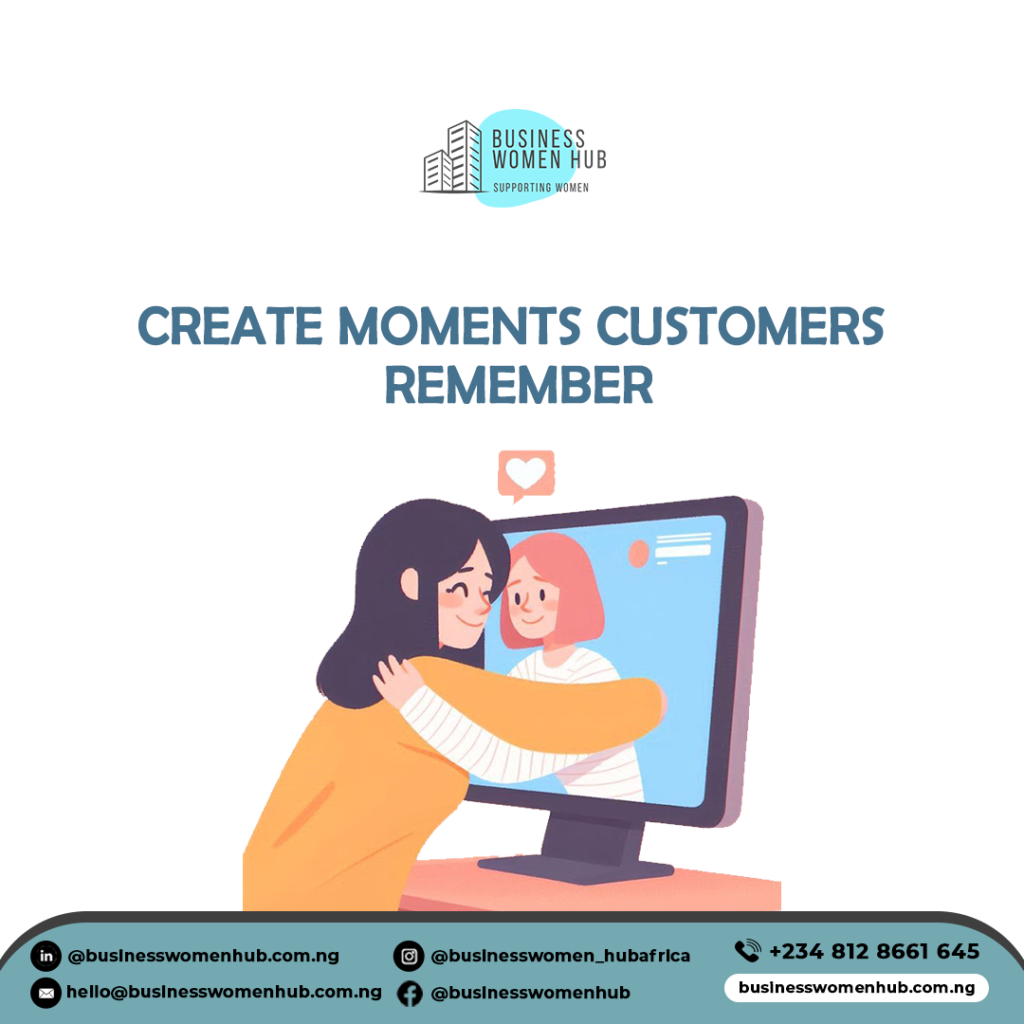
Create Moments Customers Remember

The businesses’ customers return to are often those that create memorable moments beyond the sale.

Simple gestures can leave lasting impressions and turn ordinary transactions into meaningful experiences. Your goal shouldn’t be to make a sale; it should be to create a story your customers are excited to share.

Here are a few ways to create memorable moments:

  • Personalize the customer experience whenever possible.
  • Follow up after purchases to express appreciation.
  • Encourage customers to share their experiences on social media.
  • Listen to customer feedback and continuously improve.
  • Make every interaction feel thoughtful, valuable, and intentional.

People remember how your brand made them feel long after they’ve forgotten the price they paid.

Remember

Exceptional packaging and presentation are not about being expensive; they’re about being intentional.

Every package, every delivery, every product display, and every customer interaction contributes to the story your brand tells. When you consistently deliver excellence through thoughtful presentation, you create experiences that customers remember, recommend, and return for.

Remember, your product may bring customers in the first time, but the experience you create is what keeps them coming back.

Because in business, memorable experiences create loyal customers, and loyal customers build lasting brands.

Posted on Leave a comment

Your Brand Is Speaking Online: What Is It Saying?

Building a Strong Online Presence That Attracts, Engages, and Converts

In today’s digital world, your online presence is often the first interaction people have with your business. Before a customer sends a message, visits your store, or makes a purchase, they have likely searched for you online. What they find in those few moments can determine whether they choose your brand or move on to another.

For women entrepreneurs, service providers, consultants, coaches, and product-based business owners, building a strong online presence is no longer optional; it is essential. Your digital presence serves as your storefront, your sales representative, and your brand ambassador, working for you around the clock.
Here are four essential pillars that can help you build a stronger, more visible, and more impactful brand online.

Your Online Presence Is Your Digital Storefront

Think of your social media pages, website, and online profiles as your digital storefront. They create first impressions and communicate the quality, professionalism, and credibility of your business.

To strengthen your digital presence:

  • Optimize your profiles with clear bios, updated contact information, and a compelling brand message.
  • Use consistent branding, including your logo, colors, fonts, and tone of voice across all platforms.
  • Make it easy for customers to reach you through your phone number, website, email address, or WhatsApp link.
  • Showcase your expertise by sharing valuable information and demonstrating your knowledge.
  • Keep your platforms active and up to date to build trust and credibility.

Your online presence continues working even when you are offline. Make sure it accurately reflects the value and excellence your brand represents.

Content Builds Visibility and Trust

People buy from brands they know, trust, and remember. Consistent content keeps your business visible while positioning you as an expert in your field. The goal is not to post constantly but to post intentionally.

Effective content strategies include:

  • Educating your audience through helpful tips, insights, and solutions.
  • Regularly showcasing your products or services so people understand what you offer.
  • Sharing customer testimonials and success stories to build credibility.
  • Telling your brand story to create emotional connections.
  • Prioritizing value over vanity metrics such as likes and followers.

Every piece of content you share is an opportunity to build trust. The more consistently you show up, the more memorable your brand becomes.

Build Engagement, Not Just Followers

Having thousands of followers means little if your audience is not engaging with your brand. Successful businesses focus on building communities rather than simply growing numbers.

Meaningful engagement can be created by:

  • Starting conversations through questions, polls, and discussions.
  • Responding promptly to comments, direct messages, and inquiries.
  • Celebrating customers by highlighting their experiences and successes.
  • Showing authenticity and allowing your audience to connect with the real people behind the brand.
  • Maintaining consistent interaction to strengthen trust over time.

Engagement transforms followers into customers and customers into loyal advocates. Strong relationships remain one of the most valuable assets any business can build.

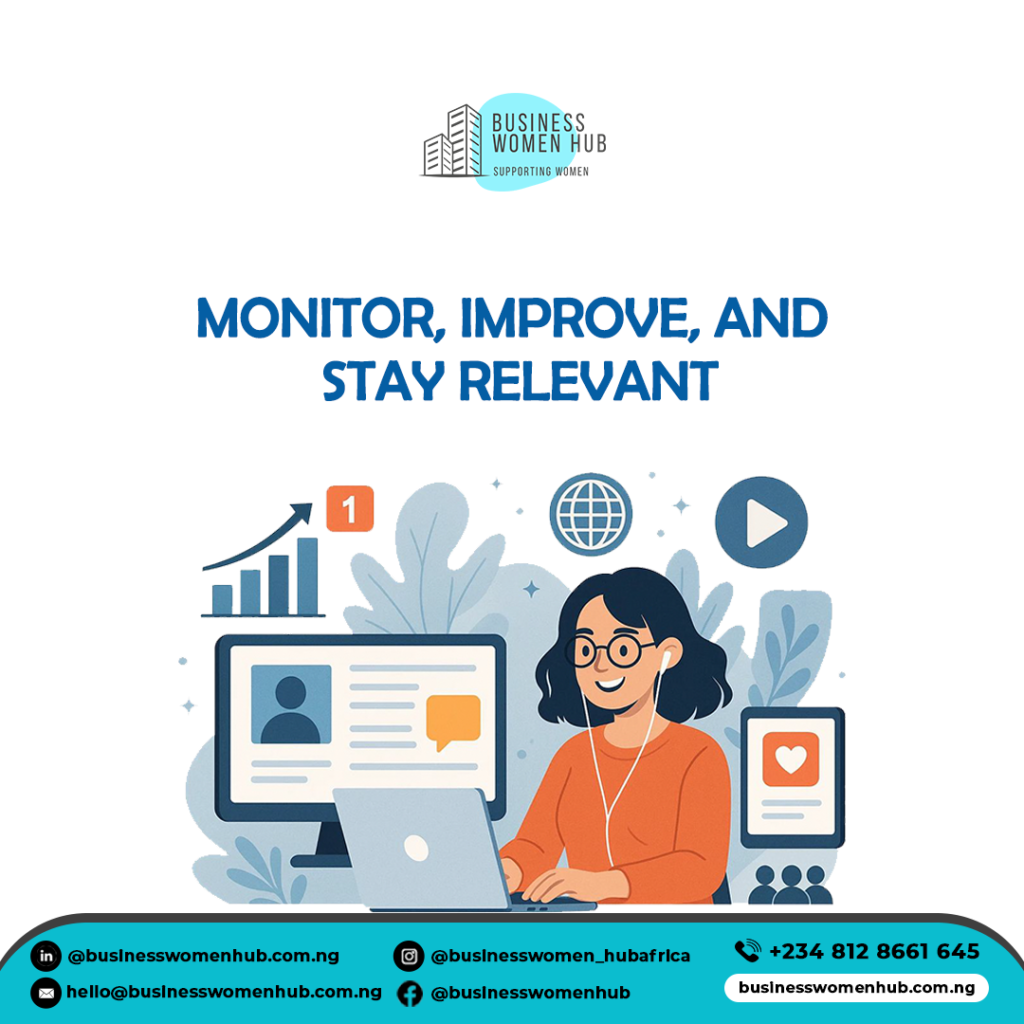
Monitor, Improve, and Stay Relevant

Building a strong online presence is an ongoing process. The digital landscape changes quickly, and successful brands adapt to those changes while remaining true to their values.

To stay relevant:

  • Review your performance to understand which platforms and content deliver the best results.
  • Listen to your audience and use their feedback to improve.
  • Update your profiles and business information regularly.
  • Learn and adopt new trends that align with your brand goals.
  • Commit to continuous improvement through small, consistent adjustments.

The strongest brands do not simply show up online; they remain visible, valuable, and relevant.

Final Thoughts

Your online presence is more than a collection of social media accounts. It is the digital representation of your brand, your values, and the experience customers can expect from your business.

By building a professional digital storefront, creating valuable content, engaging your audience, and continually improving your approach, you position your brand for sustainable growth and long-term success.

Remember: your brand is speaking online every day. Make sure it is telling the right story.

Posted on Leave a comment

Building a Simple Sales Page That Converts: Clarity Over Complexity

In a world where everyone is shouting for attention, simplicity is your competitive advantage. Many women overcomplicate their sales pages because they believe “more” means “more convincing.” More words. More design. More sections. More details.
But here’s the truth: A simple, clear sales page converts better than a complicated one.

Your sales page has one job: to move your reader from interest to decision. Not to impress. Not to overwhelm. Not to prove how much you know.
This week, we’re building with intention, not pressure. Let’s break it down step by step.

Simplicity Sells, Clarity Converts

When someone lands on your sales page, they should instantly understand: What this is, Who it’s for, and What result they’ll get. If they have to “figure it out,” you’ve already lost them.

Here’s where to start:

  • Start with One Clear Offer: one page. One goal. One transformation. Don’t stack multiple offers or try to solve five different problems at once.
  • Lead with the Result: What will your buyer walk away with?
    Lead with that, not your background story. Results create momentum.
  • Speak Directly to your Ideal Client: Use their language, not industry jargon. If they wouldn’t say it that way, don’t write it that way.
  • Remove Distractions: Too many links, images, pop-ups, or side offers weaken your message. Focus their attention on one decision.
  • Choose Clarity Over Creativity: If it’s clever but confusing, remove it. If it’s clear and simple, keep it.

Remember: Confused people don’t buy. Clear messaging creates confident buyers. Build simple. Build intentionally. Build to convert.

Structure Creates Confidence

A powerful sales page follows a structure, not chaos. When your reader lands on your page, they should feel guided, not overwhelmed. Structure builds trust. Trust builds sales.

Here’s a simple framework you can use:

  • Headline: Clearly state the transformation or promise. What will change after they buy?
  • The Problem: Show that you deeply understand their struggle. Name what frustrates them. Reflect their reality.
  • The Solution: Introduce your offer as the bridge between where they are and where they want to be.
  • The Benefits: What changes after they buy? Paint the picture. Help them see themselves on the other side.
  • What’s Included: Outline exactly what they’re getting. No guessing.
  • Proof: Testimonials, results, case studies, or credibility markers. Proof removes doubt.
  • Clear Call to Action: Tell them exactly what to do next.
    “Enroll Now.”
    “Book Your Spot.”
    “Get Instant Access.”

A simple structure removes confusion and increases confidence, for both you and your buyer.

Sell the Transformation, Not the Features

Your audience is not buying: Modules, worksheets, videos, templates. They are buying a result.
Instead of listing features like this:

  • 6 training videos
  • 3 templates
  • 2 live sessions

Shift it to this:

  • Build a sales system that works for you
  • Save hours of guesswork
  • Attract clients consistently
  • Gain clarity and confidence in your offer

See the difference?
Features describe.
Benefits persuade.
Transformation converts.

Here’s how to refine your messaging:

  • Turn every feature into a benefit
  • Show the “before and after” transformation
  • Use emotional triggers (relief, confidence, freedom, growth)
  • Address objections before they ask
  • Keep your tone conversational and relatable

People don’t buy information. They buy outcomes. When you sell the transformation, your page becomes persuasive, without pressure.

Refine for Results: Test, Tweak, Improve

Your first sales page does not have to be perfect. It needs to be live. Perfection delays growth. Data creates growth.

Once your page is published:

  • Review where people drop off
  • Simplify sections that feel heavy
  • Strengthen your call-to-action
  • Add testimonials as you receive them
  • Improve headlines based on engagement

Ask yourself:

  • Is this clear?
  • Is this compelling?
  • Is this necessary?

✨ A simple sales page that is refined consistently will outperform a “perfect” page that never launches.
Done builds data.
Data builds direction.
Direction builds sustainable success.

Final Thoughts: Build With Intention

You do not need a complicated funnel to start making sales. You need clarity. Structure. Confidence. A simple sales page built with intention can: Position you as an authority, build trust with your audience, convert consistently, and grow with your business.

Keep building.
Keep refining.
Keep selling with intention.

Because simplicity doesn’t weaken your message, it strengthens it.

Posted on Leave a comment

Sales Confidence for Women Entrepreneurs: Turning Belief into Bold Business Results

Sales is often one of the most uncomfortable parts of entrepreneurship for many women. Not because they lack talent or intelligence, but because selling can feel intimidating, awkward, or even pushy. The truth, however, is that sales confidence is not an inborn personality trait; it is a skill that can be learned, practiced, and mastered.

When women build confidence in sales, they unlock more than revenue; they unlock visibility, influence, and sustainable growth. Sales then stops feeling like pressure and starts feeling like purpose. Here’s how to intentionally grow sales confidence from the inside out.

Confidence Starts with Belief, Not Scripts

Sales confidence does not begin with memorizing the perfect pitch or copying someone else’s script. It begins with believing deeply in the value you bring to the table. Many women hesitate to sell not because they are unskilled, but because they question their worth, pricing, or expertise.
The shift begins internally. When you are convinced of your value, you no longer need to “convince” others; you simply communicate it.

Ways to strengthen your confidence from within:

  • Own your expertise: You are not “lucky” to be here; you are qualified.
  • Know your impact: Your product or service solves a real problem, and that matters.
  • Detach from rejection: A “no” is feedback, not a personal failure.
  • Speak with certainty: Stop apologizing for your offer.
  • Reaffirm your value daily: Self-belief is one of your most powerful sales tools.

People do not just buy products or services; they buy confidence, clarity, and conviction. When you trust what you sell, selling becomes an act of service, not a struggle.

Clarity Builds Confidence in Sales Conversations

Uncertainty is quickly felt in sales conversations. If you are unclear about what you offer, who it is for, or why it matters, potential clients will sense hesitation. Confidence thrives on clarity.
When you know exactly what you are selling and who you are selling to, conversations become calmer, more natural, and far more effective.

How to sell with clarity and ease:

  • Define your offer clearly: What specific problem do you solve, and how?
  • Know your ideal client: Speak directly to their needs instead of trying to appeal to everyone.
  • Articulate the outcome: What transformation should your client expect?
  • Simplify your message: Confusion kills sales; clarity builds trust.
  • Prepare talking points: Confidence increases when you are not guessing.

Clarity removes hesitation. The clearer you are about your offer, the more confidently you can invite others to say yes.

Practice Turns Confidence into Results

Confidence is not magic; it is repetition. The more you avoid selling, the more intimidating it becomes. The more you practice, the more natural it feels. Action is the bridge between fear and mastery.
Sales confidence grows when you show up consistently, even when it feels uncomfortable at first.

Ways to build confidence through action:

  • Start small: Practice selling in low-pressure environments.
  • Role-play conversations: Preparation reduces fear and uncertainty.
  • Follow up boldly: Silence does not always mean rejection; do not disappear.
  • Track your wins: Every inquiry, compliment, or sale counts.
  • Stay visible: Confidence compounds when you consistently show up.

Confidence is earned in motion. Every conversation strengthens your voice, courage, and business results.

Redefine Sales as Service, Not Pressure

Sales does not have to feel aggressive or manipulative. At its best, sales is simply an invitation, an opportunity for someone to accept a solution they genuinely need. The most confident women in business do not pressure; they guide.
When your mindset shifts from “I need to sell” to “I am here to serve,” selling becomes lighter and more authentic.

How to sell with integrity and ease:

  • Lead with empathy: Listen before you pitch.
  • Ask better questions: Understanding builds trust faster than talking.
  • Focus on helping, not convincing: Serve first, sell second.
  • Respect boundaries: Confidence never forces outcomes.
  • Stay authentic: You do not need to sound like anyone else to succeed.

Ethical, confident sales create long-term relationships, not one-time wins. When you approach sales as service, confidence flows naturally, and so do results.

Final Thought

Sales confidence is not about becoming louder, pushier, or someone you are not. It is about becoming clearer, more assured, and more aligned with the value you offer. When belief, clarity, practice, and service come together, selling stops being a hurdle and becomes a powerful pathway to growth.

Every woman entrepreneur deserves to sell with confidence, not just to increase revenue, but to fully own her voice, her value, and her vision.

Posted on 1 Comment

Preparing Your Business for Grants & Investors: How to Become Fundable, Not Just Hopeful

Securing grants or attracting investors isn’t just about having a brilliant idea; it’s about building a business that is ready for funding. Grants and investors don’t rescue weak structures; they amplify strong ones.

If funding is part of your growth plan, preparation is non-negotiable. From your systems to your story, every part of your business must signal clarity, credibility, and consistency.
Let’s break down what it truly takes to prepare your business for grants and investors.

Build a Business Worth Funding

Grants and investors don’t fund ideas in isolation; they fund viable, well-structured businesses. Before looking outward for capital, you must look inward and strengthen your foundation. Funding always follows clarity, credibility, and consistency.

Here’s how to start preparing your business for funding:

  • Clarify your business model: Be clear on how your business creates value and generates income.
  • Validate your solution: Funders back real problems with proven, working solutions.
  • Organize your operations: Serious businesses run on systems, not guesswork.
  • Separate business from personal finances: Financial discipline builds trust and transparency.
  • Document everything: Registrations, processes, and policies signal structure and readiness.

Remember: Funding doesn’t fix weak foundations, it amplifies strong ones. Before asking for money, ensure your business can handle growth and accountability.

Numbers Tell Your Business Story

Your passion may inspire, but your numbers convince. Grants and investors want clear, credible financials that show where your business is, where it’s going, and how funding will be used. When you understand your numbers, you speak the language of funding with confidence.

To strengthen your financial readiness:

  • Track income and expenses: Know your cash flow at all times.
  • Understand profitability: Revenue is important, but profit is powerful.
  • Prepare basic financial statements: Income statements, expense breakdowns, and projections matter.
  • Know your funding needs: Be specific about how much you need and why.
  • Show sustainability: Funders want businesses that can grow and survive long-term.

Remember: Unclear numbers create doubt. Clear numbers build confidence. When your finances make sense, your business becomes easier to trust and support.

Craft a Compelling Business Narrative

Funding decisions are both emotional and logical. Beyond the numbers, investors want to believe in your vision, your mission, and your leadership. Your story must connect purpose with profit. A strong pitch doesn’t just explain what you do, it explains why it matters.

Here’s how to shape a compelling business narrative:

  • Define the problem clearly: What gap are you solving, and for whom?
  • Highlight your solution: What makes your approach effective and unique?
  • Show impact: Share results, traction, or social and economic value.
  • Position yourself as the leader: Confidence, competence, and credibility matter.
  • Align with funder goals: Grants and investors support visions that match their priorities.

Remember: People invest in people before they invest in businesses. When your story is clear and authentic, your business becomes memorable and fundable.

Prepare for Due Diligence and Growth

Getting funding isn’t the finish line; it’s the beginning of a higher level of responsibility. Preparation shows that you’re ready to manage capital, scale wisely, and deliver results. Serious funders look for businesses that are growth-ready, not just opportunity-seeking.

To stay credible and investment-ready:

  • Organize your documents: Registrations, financials, and compliance records should be easily accessible.
  • Strengthen governance: Clear roles, accountability, and decision-making structures matter.
  • Plan for growth: Know how funding will help you scale sustainably.
  • Manage risk: Show awareness of challenges and how you’ll handle them.
  • Stay investment-ready: Preparation is ongoing, not seasonal.

Remember: Funding is a partnership built on trust, transparency, and preparedness. When your business is ready behind the scenes, opportunities meet you with ease.

Final Thought

Preparing your business for grants and investors isn’t about chasing money; it’s about building something worthy of investment. With the right structure, strong numbers, a compelling story, and consistent readiness, funding becomes a strategic next step, not a desperate hope. Build well. Prepare intentionally. Funding will follow.

Posted on Leave a comment

Understanding Taxes for Small Business Owners: How Tax Intelligence Can Power Your Growth

For many small business owners, the word tax often comes with stress, confusion, or fear. But here’s the truth: tax knowledge is not just about compliance, it’s about control, stability, and growth.

With the Nigeria Tax Act 2025/2026 reforms, the government has taken steps to simplify tax structures and offer significant relief to small businesses. However, these benefits only work for you if you understand the rules and act intentionally.

Let’s break it down into what truly matters for your business.

Tax Intelligence Is Business Power

Growing your business means understanding how tax laws apply to you, not avoiding them. Under the new tax reforms, many small businesses now enjoy exemptions and reliefs that can free up cash and reduce financial pressure.

Here’s what every small business owner should know:

  • Know your category: If your business has an annual turnover of ₦100 million or less, and fixed assets under ₦250 million, you may qualify as a small company under the law.
  • Enjoy tax reliefs: Eligible small companies may pay 0% Companies Income Tax, Capital Gains Tax, and Development Levy, a powerful advantage.
  • Formalization is key: To benefit, your business must be properly registered and have a Unified Taxpayer Identification Number (UTIN).
  • Compliance reduces risk: Knowing when and how taxes apply protects you from penalties and unexpected liabilities.

Intentional tax planning equals business stability and future growth.

Good Records Are Your Tax Superpower

The new tax law doesn’t only focus on rates; it emphasizes how businesses report and prove their numbers. Record-keeping is no longer “just admin,” it’s a strategic business tool.

To stay in control:

  • Organize daily: Keep records of revenue, expenses, receipts, invoices, and bank statements in one place.
  • Adopt digital tools: The reforms encourage digital tax filing and e-invoicing. Using accounting software early will save you stress later.
  • Separate finances: Always keep personal and business accounts separate for clarity and accuracy.
  • Understand VAT: Even if you’re exempt from Companies Income Tax, VAT may still apply to your invoices. Know when to charge VAT and when you can claim input VAT credits.
  • Review monthly: Regular check-ins help you catch issues early instead of scrambling during tax season.

Good records mean less stress and more opportunities to save.

Plan for Taxes, Don’t Just Pay Them

Taxes don’t have to be unpredictable. With the right planning, they become a manageable and expected part of your business journey.

Here’s how to stay ahead:

  • Forecast your obligations: Monitor your revenue trends to know whether you’ll remain under exemption thresholds or move into taxable territory.
  • Create a tax buffer: If growth is on the horizon, start setting aside a portion of profits now.
  • Know your deadlines: Even exempt businesses must file returns. Late filing can still attract penalties.
  • Track deductible expenses: Only properly documented business expenses reduce taxable profits.
  • Seek professional clarity: A single conversation with a tax professional can prevent costly mistakes.

Planning ahead transforms taxes from a burden into a business strength.

Compliance Builds Credibility and Growth

When your tax affairs are in order, your business becomes more credible and attractive to banks, partners, and investors. The Nigerian tax reforms reward consistency and formalization.

Here’s how compliance pays off:

  • File accurately and on time: Even when exempt, consistent filing shows reliability.
  • Grow smoothly: If your business outgrows the small business category, compliance ensures a seamless transition.
  • Access funding: Clean tax records are often required for loans, grants, and investments.
  • Stay informed: Tax laws evolve, and staying updated keeps your business protected.

Being tax-compliant is not a cost; it’s an investment in trust, growth, and opportunity.

Final Thought

Intentional tax knowledge is more than compliance; it’s part of your business success blueprint. When you understand the rules, keep good records, plan, and stay compliant, taxes stop being a fear and start becoming a strategic advantage.
Your business deserves that power. 💪

Posted on Leave a comment

Budgeting for Growth, Not Survival: A Smarter Way to Use Your Money

For many women in business, budgeting has become a means of coping rather than a tool for building. We budget to pay bills, cover emergencies, and “manage till next month.” While this approach keeps the lights on, it often keeps our businesses stuck in a state of survival mode.

Growth requires a different mindset. Budgeting for growth is not about restriction; it’s about direction. It’s about telling your money where to go so it can support the future you’re intentionally building.

Let’s break down how to shift from survival budgeting to growth-focused financial planning.

Shift Your Budgeting Mindset

Budgeting is not about restriction; it’s about direction.
Survival budgeting focuses on fear and short-term needs. Growth budgeting asks a more powerful question: What do I need to invest in to move my business forward this year? When you budget only to survive, your business stays reactive. When you budget for growth, your business becomes intentional.

To shift your mindset:

  • Stop budgeting only for bills and emergencies
  • Start budgeting with clear business goals
  • Define what growth looks like for you this year
  • Decide where your money should work harder

When you move from managing money to directing money, clarity follows.

Separate Survival Costs From Growth Investments

Not every expense contributes to growth. Survival costs keep your business running, while growth investments help it scale. Mixing the two often leads to spending without progress.
Survival costs include rent, basic tools, internet, and utilities.
Growth investments include marketing, training, branding, systems, and support.

To create clarity:

  • List your monthly survival costs
  • Identify areas of overspending
  • Create a separate category for growth investments
  • Be honest about what’s draining your business versus building it

Growth happens when progress is intentionally funded.

Budget With Your Business Goals in Mind

Your budget should support where you’re going, not just where you are.
If your goals include getting more customers, increasing visibility, improving systems, or earning more consistently, your budget must reflect those priorities. Big goals without financial backing remain wishes.

To align your budget with your vision:

  • Write down your top three business goals
  • Ask, “What will it cost to achieve this?”
  • Allocate money to income-generating activities
  • Cut back on expenses that don’t support your goals

When money follows vision, results follow too.

Create a Flexible, Realistic Growth Budget

Growth budgeting doesn’t require perfection; it requires consistency. You don’t need a large income to budget for growth. You need honesty, discipline, and flexibility. A good growth budget evolves as your business grows.

A healthy growth budget:

  • It is realistic and easy to maintain
  • Allows room for adjustment
  • Encourages intentional spending

Start by:

  • Budgeting with what you currently have
  • Setting aside a small monthly growth fund
  • Tracking spending regularly
  • Adjusting as your income changes

When you budget for growth, you stop reacting to money and start leading with it.

Final Thought

Budgeting for growth is a powerful act of leadership. It’s a decision to believe in where your business is going and to fund that belief with intention. Choose growth. Choose clarity. Choose to build beyond survival.