
Posted on Leave a comment

HOW TO IDENTIFY BUSINESS OPORTUNITIES

Many people who want to start a business have an idea in mind, but they need to ask themselves: Is the idea a business opportunity? does it meet a market need, address a customer issue or improve an existing product . 

You might have a business idea and want to check if it has a potential or you might be keen on entrepreneurship and looking for the right opportunity to join in, either way, you should familiarize yourself with business opportunities and how to spot them . Identifying business opportunities is all about being observant and staying ahead of the game. Here’s a breakdown of each step:

*Talk to your customers: Engage with your customers to understand their needs, pain points, and preferences. This will help you identify gaps in the market and potential opportunities to create products or services that meet their demands.

Research your competitors: Analyze your competitors’ offerings, pricing strategies, target audience, and marketing tactics. This will give you insights into areas where you can differentiate yourself and find untapped markets.

Spot the trends: Keep an eye on industry trends, technological advancements, and changing consumer behaviors. By staying updated, you can identify emerging opportunities and adapt your business accordingly.

Innovate and improve: Constantly seek ways to innovate and improve your products, services, or business processes. This can involve incorporating new technologies, streamlining operations, or finding unique ways to solve customer problems.

Expand your market: Explore opportunities to expand your market geographically or by targeting new customer segments. This could involve entering new markets, partnering with other businesses, or diversifying your offerings


Posted on Leave a comment

OVERCOMING CHALLENGES AS A FEMALE ENTREPRENEUR

To overcome challenges as a female entrepreneur means to face and conquer the obstacles that come your way while running your own business. It means breaking through gender biases, accessing resources and funding, balancing work and personal life, building a strong network, and believing in your abilities. It’s about persevering, staying determined, and proving that you can succeed in the business world. 

Here are some key points to consider:

*Gender bias: Unfortunately, there can still be biases and stereotypes that women face in the business world. However, it’s important to remember that your skills, knowledge, and determination are what truly matter. Surround yourself with a supportive network and focus on proving your capabilities.

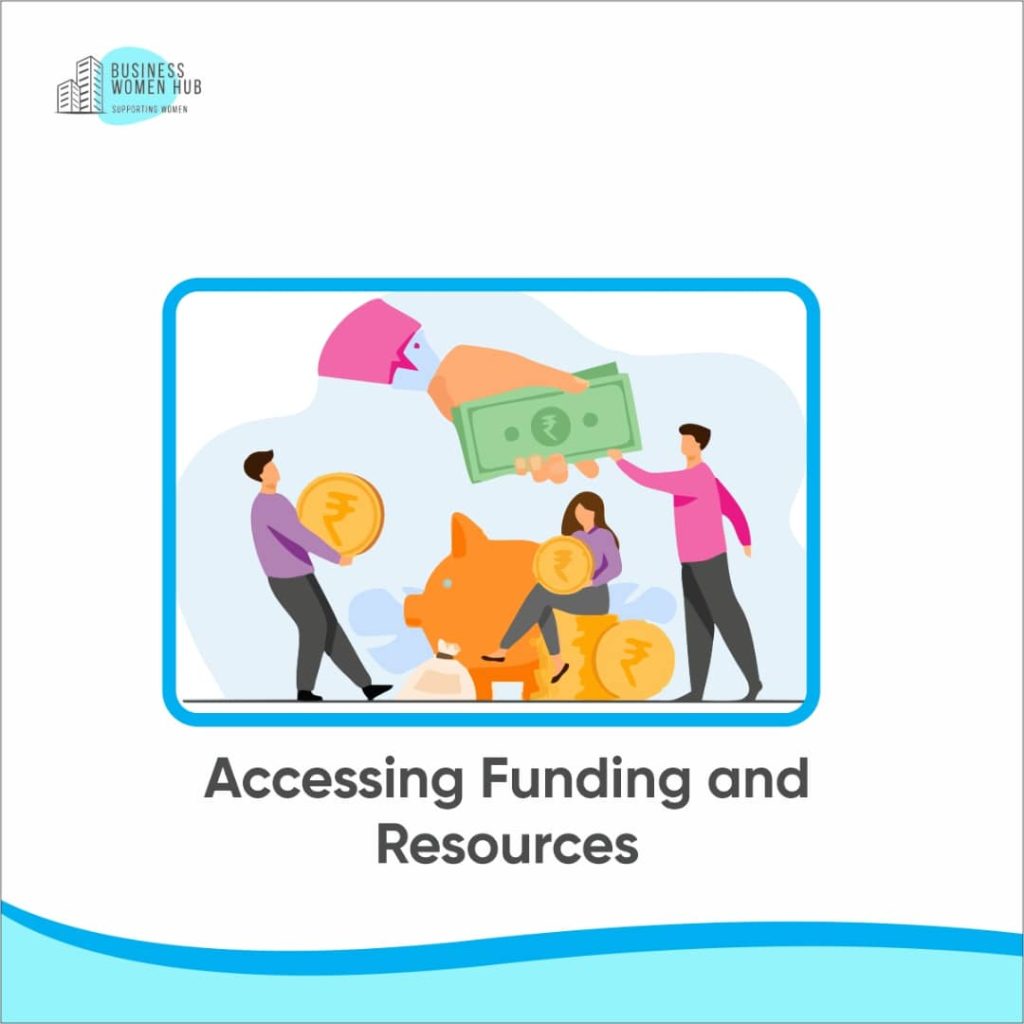
*Access to resources: Women entrepreneurs may sometimes face difficulties in accessing funding, mentorship, and other resources. But don’t let that discourage you! Seek out organizations, networks, and initiatives that specifically support women in business. They can provide valuable resources, guidance, and opportunities.

*Work-life balance: Balancing work and personal life is a challenge for all entrepreneurs, but it can be particularly demanding for women who often have additional responsibilities. Prioritize self-care, set boundaries, and delegate tasks when possible. Remember, taking care of yourself is crucial for long-term success.

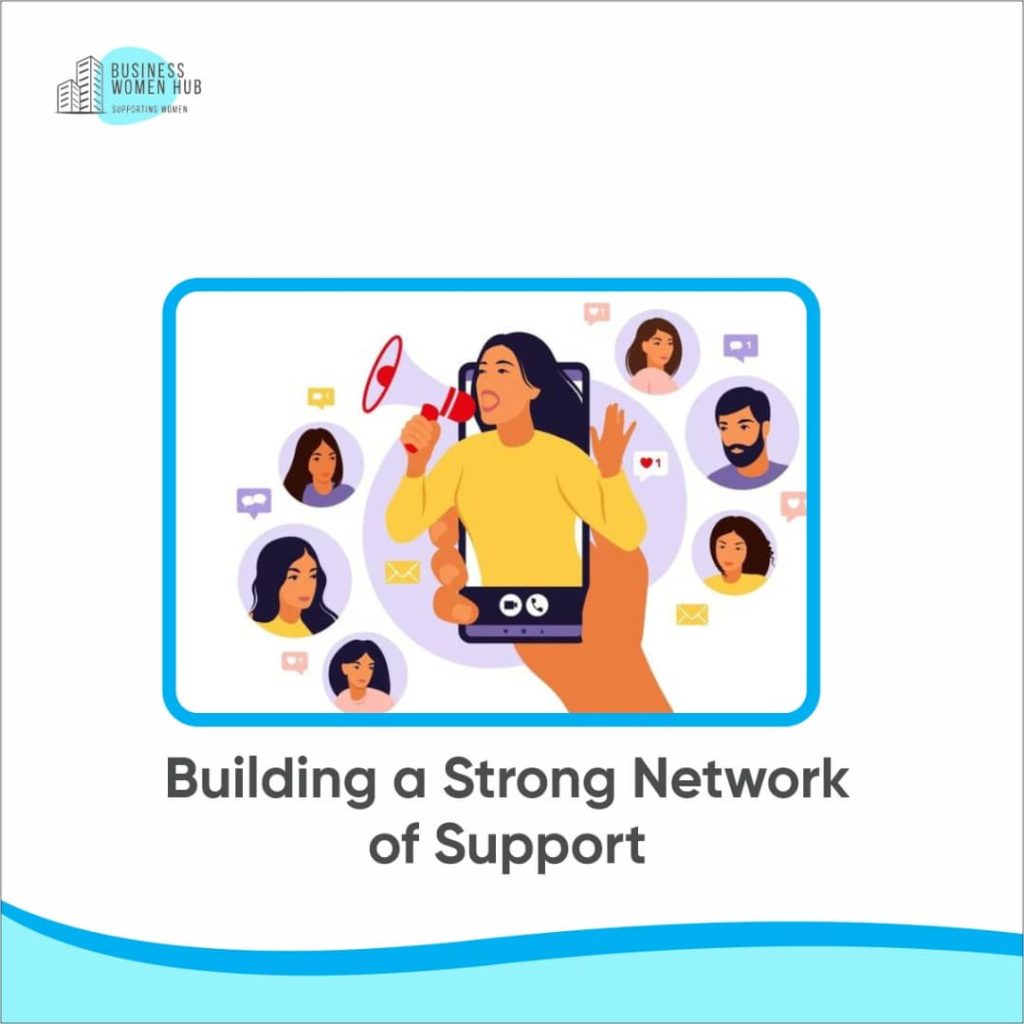
*Building a network: Networking is essential for any entrepreneur, and as a female entrepreneur, it’s important to connect with other women who have similar experiences. Attend industry events, join professional organizations, and engage in online communities to expand your network and gain support.

*Confidence and self-belief: Believe in yourself and your abilities. Surround yourself with positive influences and celebrate your achievements along the way. Remember, you have the power to create your own success!

I hope these insights help you navigate the challenges and empower you on your entrepreneurial journey. You have what it takes to overcome any obstacle that comes your way!

Posted on Leave a comment

BREAKING GENDER STEREOTYPES IN ENTREPRENEURSHIP

BREAKING GENDER STEREOTYPES IN ENTREPRENEURSHIP 

*Breaking gender stereotypes in entrepreneurship means challenging and changing the traditional expectations and assumptions about the roles and capabilities of men and women in the business world. It involves creating an environment where both men and women have equal opportunities, recognition, and support to pursue their entrepreneurial ambitions.

*Gender stereotypes are traditional beliefs about how people should behave or present themselves based on their gender. 

*Breaking stereotypes means challenging these expectations and promoting equality and inclusivity for all genders. It’s about letting people be themselves without being limited by societal norms.

Here are detailed explanations on breaking gender stereotypes in entrepreneurship:

1. Challenging Expectations: Breaking gender stereotypes means defying the traditional expectations and norms that society has placed on women in entrepreneurship. It’s about showing that women can be just as successful and innovative as men.

2. Encouraging Confidence: Breaking gender stereotypes involves empowering women to believe in themselves and their abilities. It’s about building confidence and self-assurance to overcome any doubts or limitations imposed by society.

3. Promoting Visibility: Breaking gender stereotypes means increasing the visibility of successful female entrepreneurs. By highlighting their achievements and sharing their stories, we inspire other women to pursue their entrepreneurial dreams.

4. Providing Support: Breaking gender stereotypes involves creating supportive networks and resources specifically tailored to the needs of female entrepreneurs. It’s about providing mentorship, funding opportunities, and guidance to help women thrive in their entrepreneurial endeavors.

5. Fostering Inclusivity: Breaking gender stereotypes means creating an inclusive and diverse entrepreneurial ecosystem. It’s about promoting equal opportunities for all entrepreneurs, regardless of their gender, and celebrating the unique perspectives and contributions that women bring to the table.

Posted on Leave a comment

NAVIGATING THE WORLD OF E-COMMERCE: TIPS AND TRICKS FOR SUCCESS

Navigating the world of e-commerce’ means understanding and successfully operating in the online business environment. 

Tips and tricks for success are helpful strategies and techniques to achieve positive outcomes in e-commerce.  

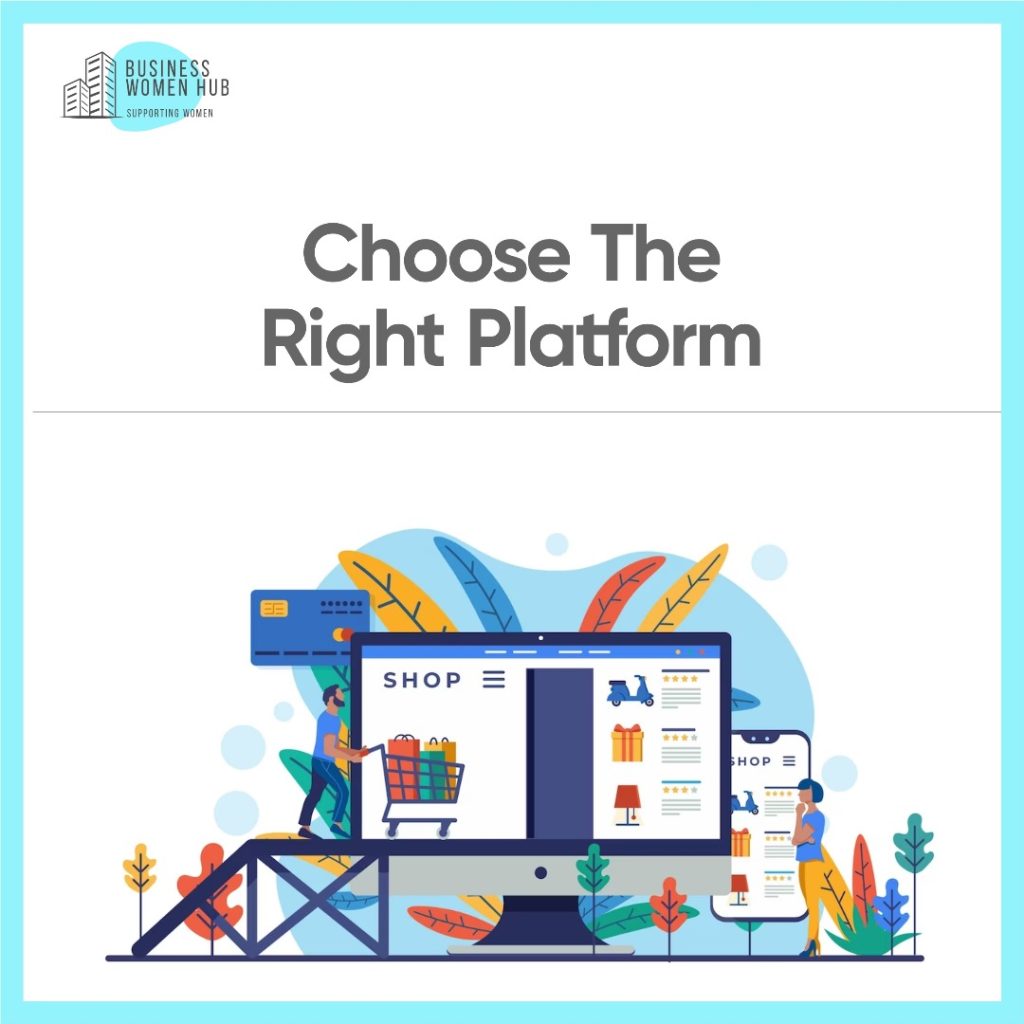
Choose the right platform: Find an e-commerce platform that suits your business needs and offers user-friendly features.

 Optimize your website: Ensure your website is visually appealing, easy to navigate, and mobile-friendly.

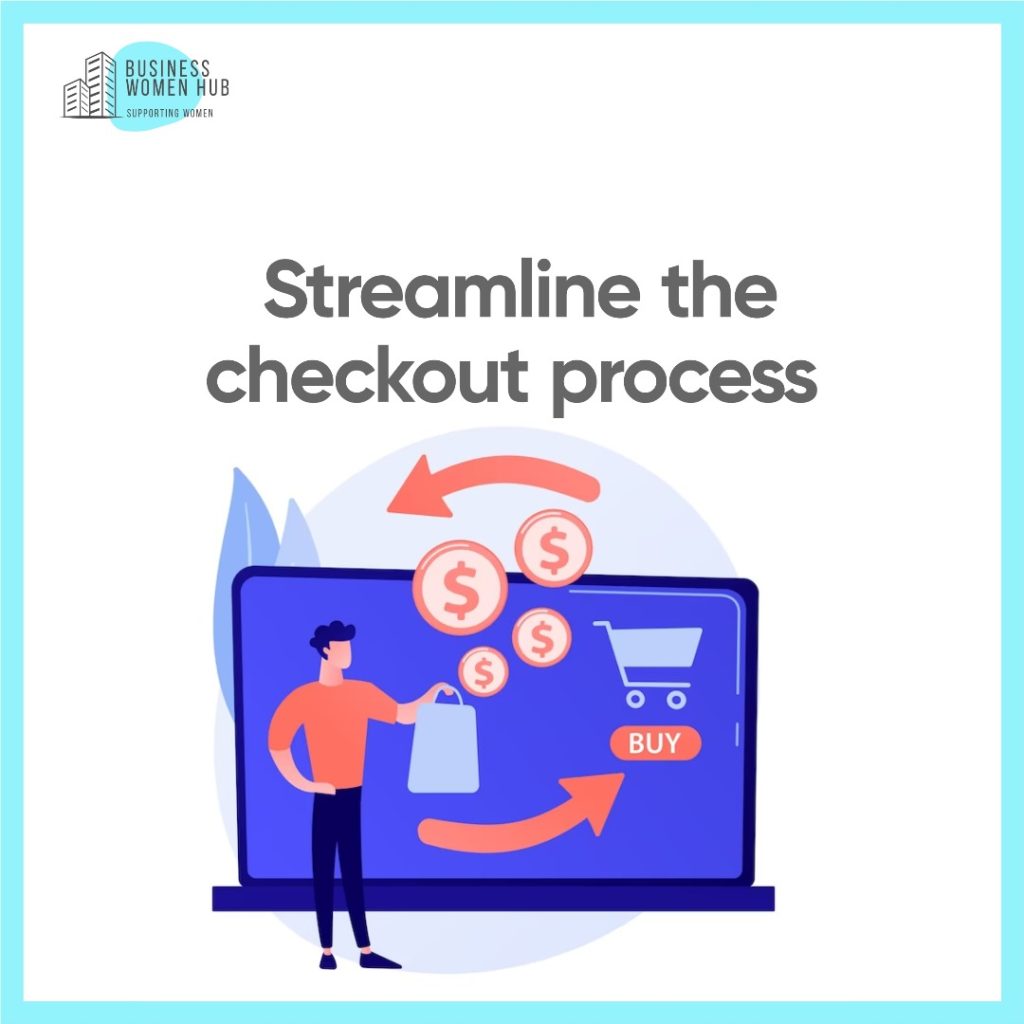
Streamline the checkout process: Make it simple for customers to complete their purchases with a smooth and secure checkout process.

Utilize social media: Leverage social media platforms to promote your products, engage with customers, and drive traffic to your online store.

Offer excellent customer service: Provide prompt responses to inquiries, offer hassle-free returns, and strive to exceed customer expectations.

Posted on Leave a comment

INNOVATIVE SOLUTIONS FOR BUSINESSES

Innovative solutions refer to creative and original ideas or approaches to solve problems or meet needs. They involve thinking outside the box and coming up with new and unique ways to address challenges.

Innovative solutions for businesses:

1. Adopting new technologies: Embracing emerging technologies like artificial intelligence, blockchain, or virtual reality can streamline operations, enhance customer experiences, and improve overall efficiency.

2. Implementing automation processes: Automating repetitive tasks and workflows can save time, reduce errors, and free up employees to focus on more strategic and value-added activities.

3. Utilizing data analytics: Leveraging data analytics tools and techniques can provide valuable insights into customer behavior, market trends, and operational performance, enabling data-driven decision-making and targeted strategies.

4. Embracing sustainable practices: Integrating environmentally friendly practices into your business operations, such as using renewable energy sources, reducing waste, or adopting eco-friendly packaging, can attract environmentally conscious customers and contribute to a greener future.

5. Fostering a culture of creativity and collaboration: Encouraging employees to think outside the box, fostering a collaborative work environment, and implementing innovation programs or brainstorming sessions can stimulate new ideas and drive continuous improvement within the business.

Posted on Leave a comment

NETWORKING AND BUILDING BUSINESS RELATIONSHIPS

Networking and building business relationships 

Networking for entrepreneurs is the process of building relationships with other professionals in order to grow your business. It involves attending events, meeting new people, and fostering connections with others who can offer support, advice, and opportunities. The goal of networking is to expand your circle of contacts and build a community of people who can help you achieve your business goals.

Here are some tips for entrepreneurs looking to network and build business relationships:

Attend networking events: Networking events are a great way to meet new people and expand your network. Look for events that are relevant to your industry or interests.

Be authentic: People can tell when you’re not being genuine. Be yourself and focus on building real relationships with people.

Listen actively: Listening is an important part of building relationships. Ask questions and show a genuine interest in what others have to say.

Offer value: Building relationships is a two-way street. Look for ways to offer value to the people you meet, whether it’s through sharing your expertise or making an introduction.

Follow up: After meeting someone, make sure to follow up with them. Send a personalized message and look for ways to stay in touch.

Leverage social media: Social media can be a great tool for networking. Connect with people on LinkedIn and Twitter, and look for opportunities to engage with them.

Join a community: Joining a community of like-minded entrepreneurs can be a great way to build relationships and get support. Look for groups on LinkedIn or Facebook, or join a local business association.

Posted on Leave a comment

INFORMATION AND IDEAS ABOUT PRODUCTS DEVELOPMENT AND INNOVATION

Information and ideas about product development and innovation

Product development involves researching, designing, testing, and launching a new product or improving an existing one. Innovation involves introducing new ideas, methods, or products that can lead to new markets, increase efficiency, or improve existing products. Some examples of innovation include creating a new product, improving an existing product, or developing a new process to produce products more efficiently.

We will be explaining in details the key points :

1. Focus on creating solutions to problems that people face in their daily lives:

By identifying a problem that people face in their daily lives, you can create a product that solves that problem and makes their lives easier. This can be a great way to differentiate yourself from the competition and create a product that has real value for your target audience.

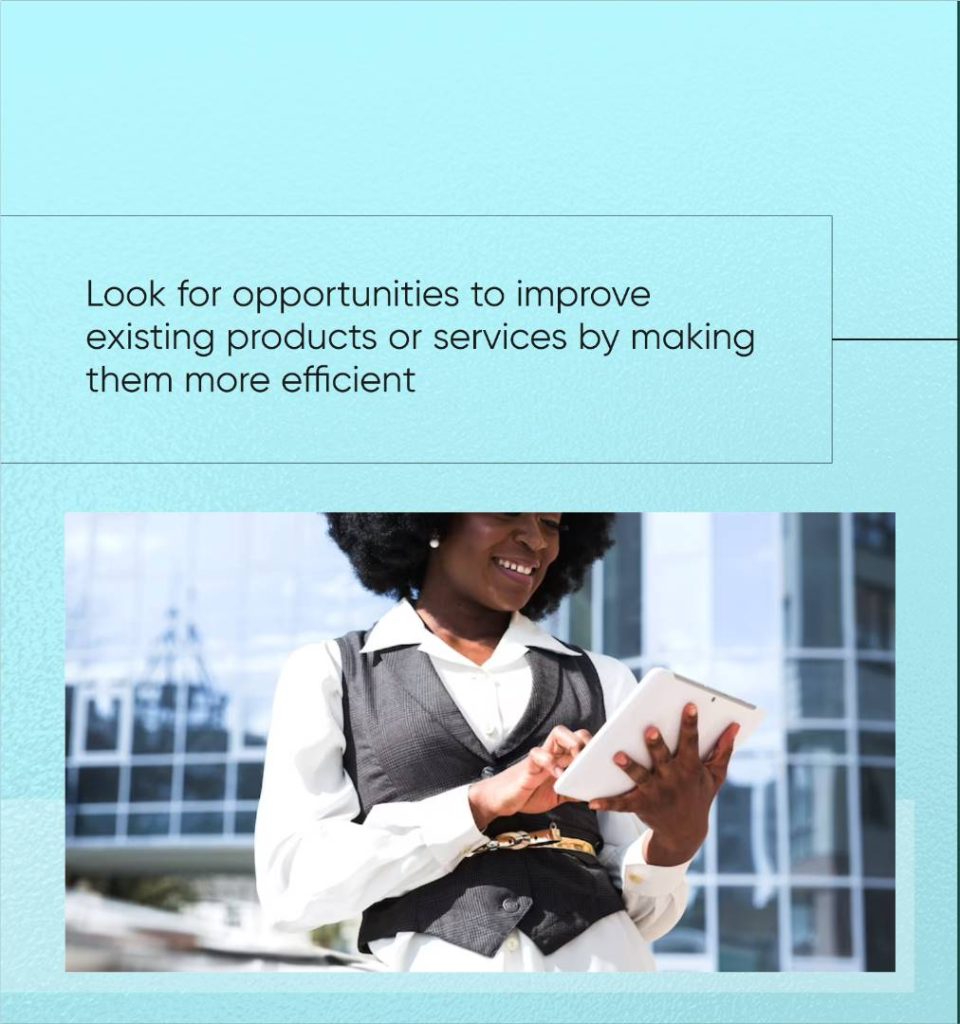
2 Look for opportunities to improve existing products or services by making them more efficient user-friendly, or cost-effective:

Sometimes, the best way to innovate is to take an existing product or service and find ways to make it better. This could involve streamlining the user experience, reducing costs, or adding new features that make the product more valuable to users.

3 Collaborate with others and seek feedback from potential customers to refine your ideas:

Collaboration and feedback are essential to the product development process. By working with others and seeking feedback from potential customers, you can refine your ideas and create a product that better meets the needs of your target audience.

4. Stay up-to-date with the latest trends and technologies in your industry:

Staying up-to-date with the latest trends and technologies in your industry . It can help you identify new opportunities and stay ahead of the competition. This could involve attending industry events, reading industry publications, or following thought leaders on social media.

5. Conduct thorough market research to understand your target audience and their needs:

Conducting thorough market research is essential to creating a product that meets the needs of your target audience. This could involve surveys, focus groups, or other research methods to gain insights into your target audience’s needs, preferences, and pain points.

6. Have a clear understanding of your business goals and objectives:

Having a clear understanding of your business goals and objectives is essential to creating a successful product. This could involve setting specific goals for revenue, customer acquisition, or other key metrics, and creating a plan to achieve those goals.

Posted on Leave a comment

HOW TO IMPROVE YOUR FINANCIAL PRFORMANCE AS A BUSINESS OWNER

How to improve your financial performance as a business owner 

Financial management is a critical aspect of running a successful business. Here are some ideas to help entrepreneurs improve their financial management skills:

1. Develop a budget and stick to it. A budget is a plan that outlines your income and expenses for a set period of time. By developing a budget, you can identify areas where you can cut costs and increase revenue.

2. Keep accurate financial records. Accurate financial records are essential for making informed business decisions. Make sure you are keeping track of all income and expenses, and that you are separating your personal and business finances.

3. Understand your cash flow. Cash flow is the amount of cash coming in and going out of your business. It’s important to understand your cash flow so that you can make informed decisions about when to invest in your business and when to cut costs.

4. Monitor your financial ratios. Financial ratios are a way to measure the financial health of your business. Some common ratios to monitor include the current ratio, debt-to-equity ratio, and profit margin.

5. Work with a financial advisor. A financial advisor can provide valuable advice and guidance on financial management and accounting. They can help you develop a financial plan, monitor your financial performance, and make informed decisions about your business.

6. Use accounting software. Accounting software can help you keep track of your finances, generate financial reports, and manage your cash flow. Popular accounting software options include QuickBooks, Xero, and Fresh Books.

By focusing on these areas of financial management, entrepreneurs can improve their financial performance and increase the likelihood of long-term success.

Posted on Leave a comment

social media marketing and ways to improve our social media content

Social media marketing is an ideal way to promote your business. It’s free, it’s easy, and often, it’s fun.

The problem with social media is that it’s also overwhelming and unwieldy, and can be difficult to track the results. To get started with this let’s have a recap of some basics that will enable us to achieve the expected results after this series.

Steps to pre-plan your social media strategy

  1. Upload an appropriate picture.
  2. Complete the major profile sections.
  3. Follow influencers in your industry.
  4. Integrate social media tools on your website and blog.
  5. Decide what results you want from social media.

In sharing your content, the major challenge with social media is maximizing your exposure. This is hard because each platform is different. Some limit the number of characters (Twitter) and others involves primarily graphics (Pinterest or Instagram). In this post and subsequently, we will discuss easy steps to planning your sharing strategy. The first being:

1) Decide what you’re sharing.

Are you sharing a blog post, email sign up list, giveaway, inspiration, etc. In your planning, you should have a variety of things to share. For example, you can share new blog posts, reshare old posts, promote your newsletter, and cross-promote across social media (i.e. share Twitter feed on Facebook).