Posted on Leave a comment

Attract More Online Traffic and Customers to your Small Retail Business with these 4 Innovative Techniques

Attract More Online Traffic and Customers to your Small Retail Business with these 4 Innovative Techniques

As a small retail business owner, you might not have funds or technical know-how to run expensive, complicated paid ads. That’s why it is essential to optimize your budget and implement tried-and-trusted strategies to get the best return on your ad spend.

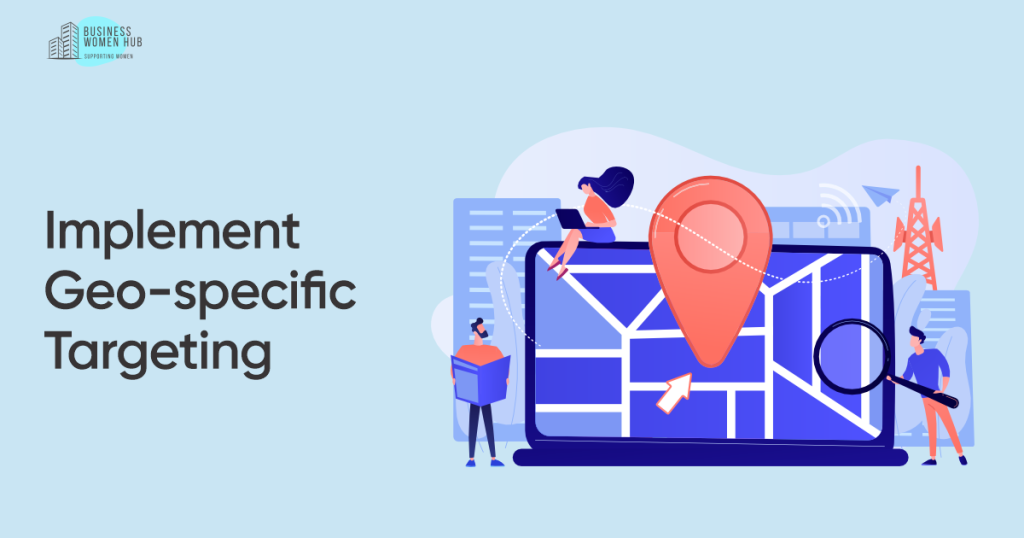
Implement geo-specific targeting

Implementing geo-specific targeting allows you to focus your advertising efforts on people who are most likely to convert into real customers.

  1. First, determine the locations you wish to target.
  2. Log into your ads account and select the campaign you want to target geographically.
  3. Use the targeted locations as keywords in your ad copy.
  4. Monitor your ad analytics to assess the number of clicks, calls, or conversions generated by your targeted ads, then refine your strategy accordingly.

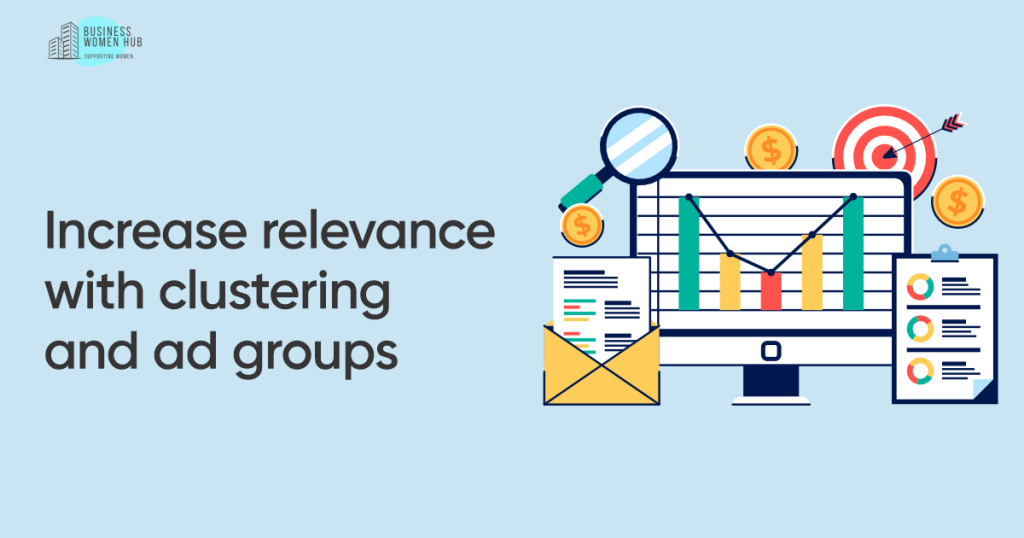
Increase Relevance with Clustering and Ad groups

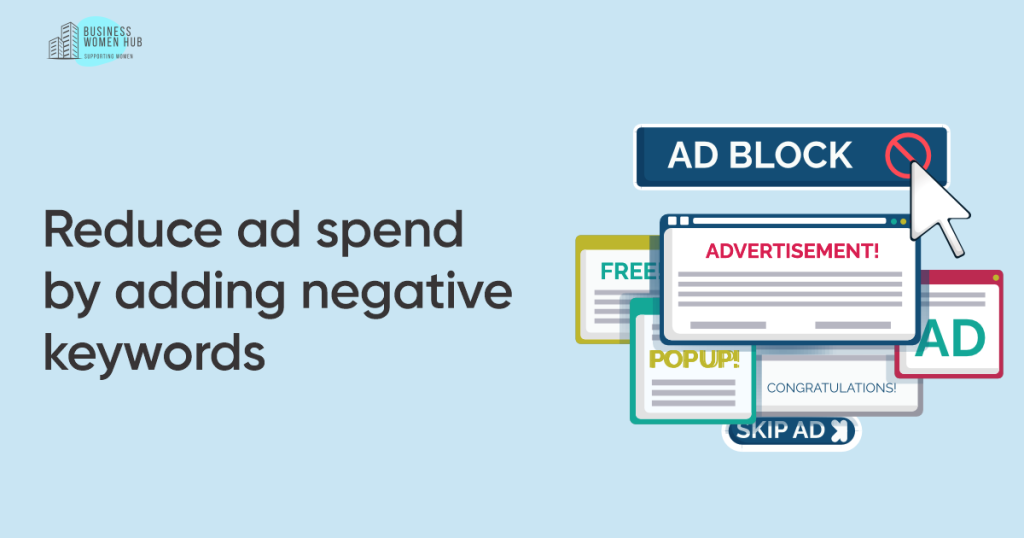
To identify negative keywords, review past campaigns to see if any irrelevant keywords triggered your ads. Further, brainstorm any common terms that don’t align with your products or business.

  1. Log in to your Google Ads account.
  2. Choose the campaign or ad group where you want to add negative keywords.
  3. In the left-hand menu, click “Keywords,” and then select “Negative Keywords.”
  4. Click the “+” button to add new negative keywords. You can enter individual keywords or upload a list.
  5. Once you’ve added the desired negative keywords, click “Save” to apply them to your campaign.

Reduce Ad Spend by Adding Negative Keywords

Ad groups can then be used to house clusters of related keywords and the ads that target them. Using the same example as above, you might create separate ad groups for RTW, Bespoke, respectively. For each ad group, you’ll write tailored ad copy that specifically addresses the keywords in that group. Clustering ensures that your ads are matched with the most relevant search queries and the right types of customers, based on their interests. Grouping increases ad relevance, which can reduce your cost-per-click (CPC) and increase your ROl.

Increase Online Sales with Google Shopping ads

You can increase traffic online for your small business through google ads. Google or search engine ads are unique ads that are created using the product data directly from your Google Merchant Center account.

  1. Create a Google Merchant Center account.
  2. Set up your product feed.
  3. Upload your product feed to Google Merchant Center.
  4. Link your Google Merchant Center and Google Ads accounts.
  5. In the Google Merchant Center, navigate to the “Account Linking” section.
  6. Sign in to your Google Ads account and create a new campaign. Click on the “+ New Campaign” button, select
  7. “Sales” or “Leads” as your campaign goal, and then choose
  8. “Shopping” as the campaign type.

Posted on 1 Comment

HOW TO OPTIMIZE BUSINESS CASHFLOW

Optimizing business cash flow is crucial for maintaining financial stability and growth.
Here are some ways to achieve that:

Monitor and forecast cash flow & Implement cash flow budgets:  Regularly track and analyze your cash flow, predicting incoming and outgoing funds. This helps identify potential shortfalls or excesses and allows for proactive management. Also, Create and follow a comprehensive cash flow budget that aligns with your business goals. This ensures better financial planning and allocation of resources.

Improve cash collection & Streamline accounts payable : Implement efficient and timely invoicing processes to ensure prompt payment from customers and negotiate favorable terms with suppliers and consider extending payment terms without incurring penalties. Automate payment processes wherever possible to ensure accuracy and timeliness.

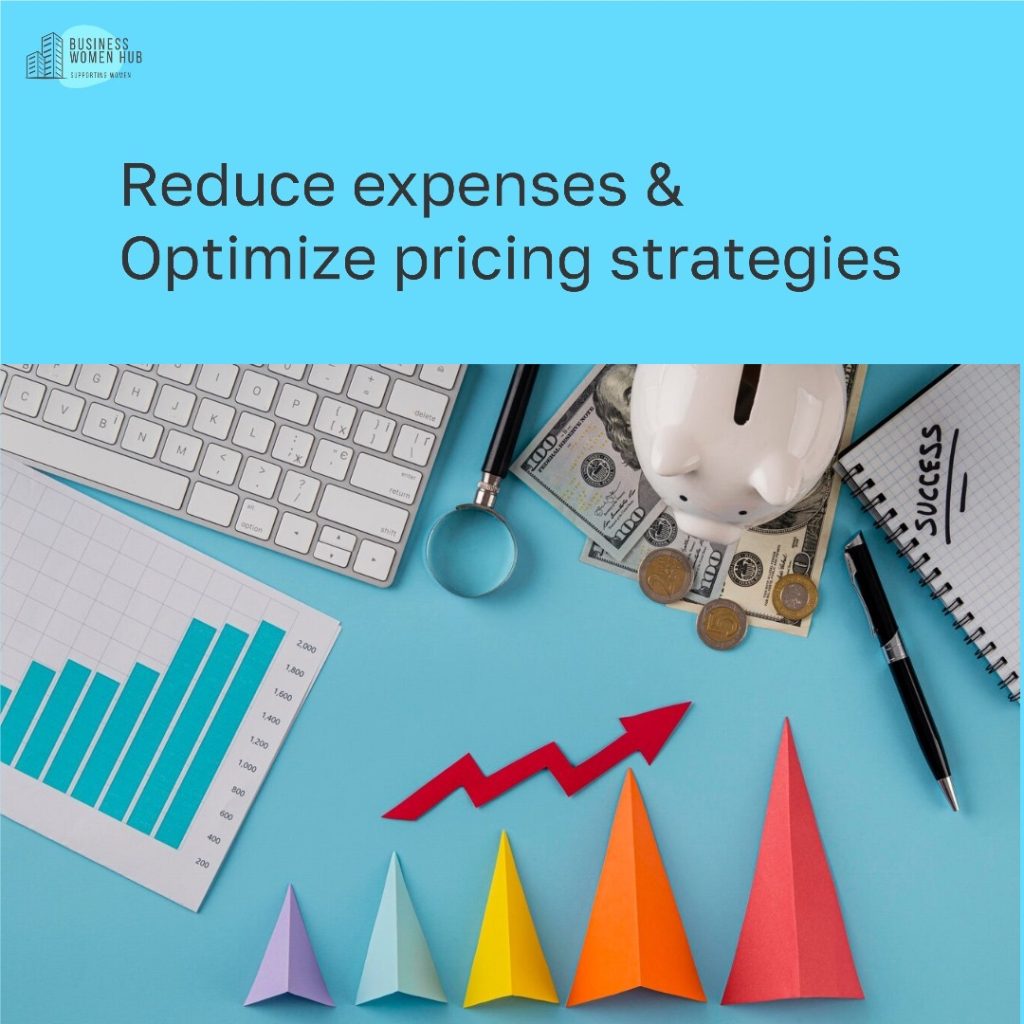
Reduce expenses & Optimize pricing strategies : Regularly review and identify areas where expenses can be minimized and evaluate your pricing structure to ensure it aligns with market trends and covers costs while maintaining competitiveness.

Manage debt effectively & Seek Professional Advise : Keep a manageable level of debt and prioritize debt payments based on interest rates and terms also, consult with financial advisors or accountants to gain expert insights into optimizing cash flow and implement strategic financial management techniques.


Posted on Leave a comment

ELEMENTS OF A SUCCESSFUL BUSINESS IDEA

An element of a business idea refers to a specific component or aspect that contributes to the overall concept and viability of a business venture.

Here are a few key elements commonly found in a business idea:

Clear Value Proposition: This is the most important element of a successful business idea. One need to identify the clear pain points, needs or problems of customers, and create a product or service that solves them. The value proposition should highlight how your product or service is unique and better than alternatives in the market. It should clearly define the benefits and the value that your customers can get, and how it is different from your competitors.

Market Validation: This is the process through which you validate the potential demand for your product or service. This can be done by conducting market research, studying the market trends, analyzing competitors, and gathering feedback from customers. Market validation helps to ensure that your business idea has a strong potential to succeed in the market.

Strong Business Model: A strong business model is crucial for success. It should be designed in a way that the company has multiple sources of revenue and is able to generate profits over time. The business model should be scalable, adaptable, and flexible enough to meet the changing needs of the market and customers.

Sustainability: This encompasses the social and environmental impact of the business. Ethical practices and long-term sustainability should be integrated into the core operations, ensuring responsible and conscientious business practices. By combining a well-defined business model with a strong focus on sustainability, businesses can strive for long-term success while positively impacting society and the environment.

These elements, when thoughtfully integrated and executed, contribute to the foundation and potential success of a business idea.

Posted on Leave a comment

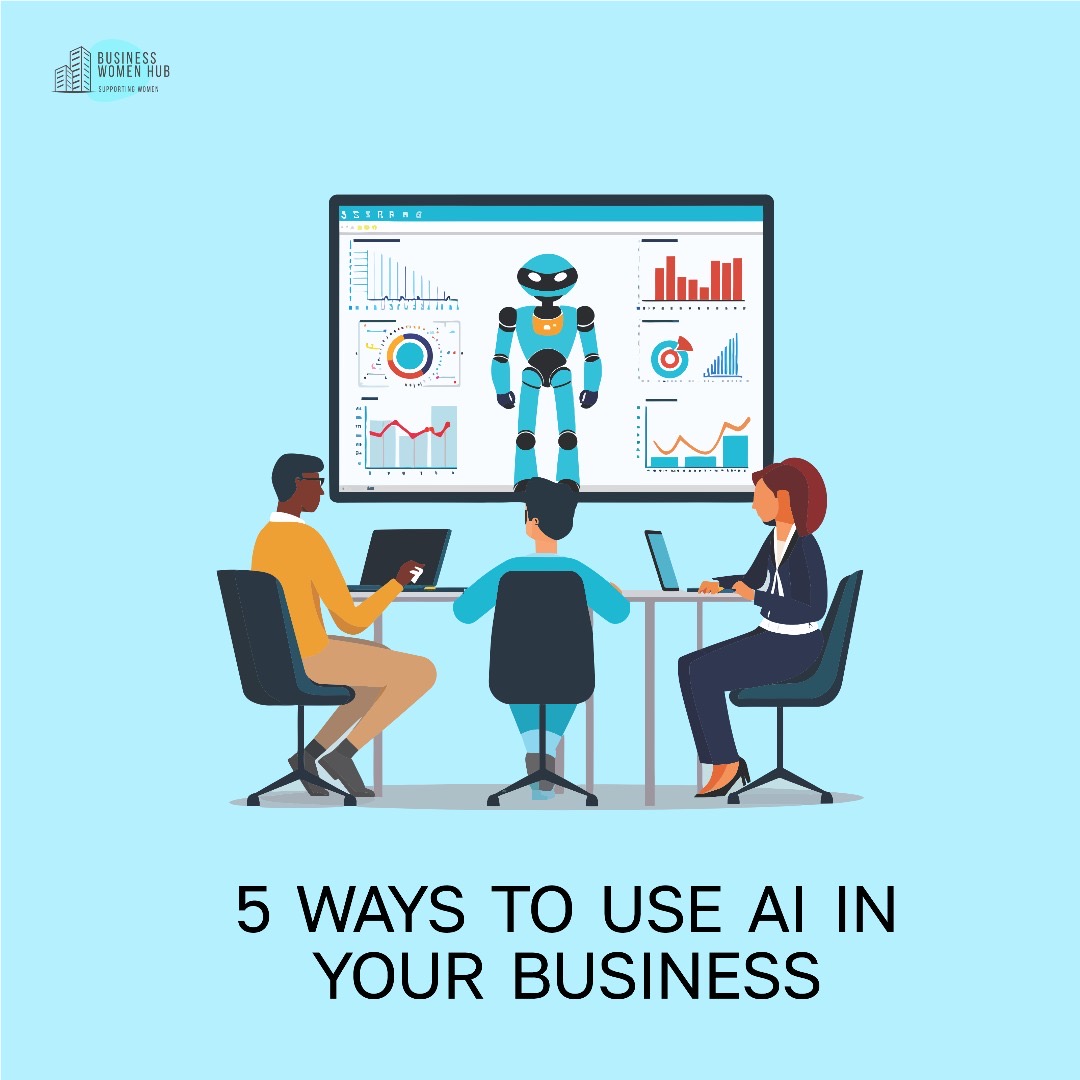
5 WAYS TO USE AI IN YOUR BUSINESS

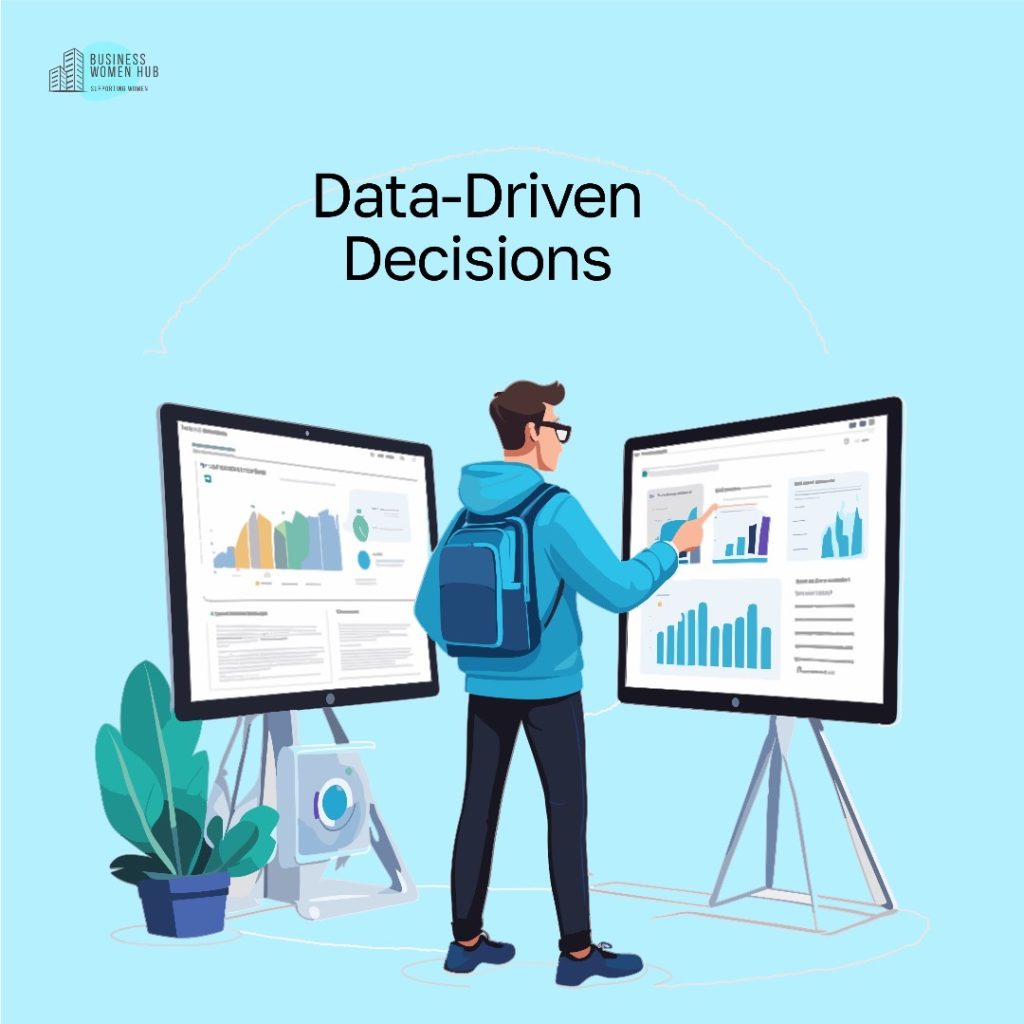
*Data-Driven Decisions: AI can help businesses make more informed decisions based on data analysis. AI models can be trained to make predictions and provide insights that can help businesses optimise their operations, improve their products or services, and identify new opportunities. By leveraging AI, businesses can quickly and accurately analyse large amounts of data and extract meaningful insights that can inform strategic decisions.

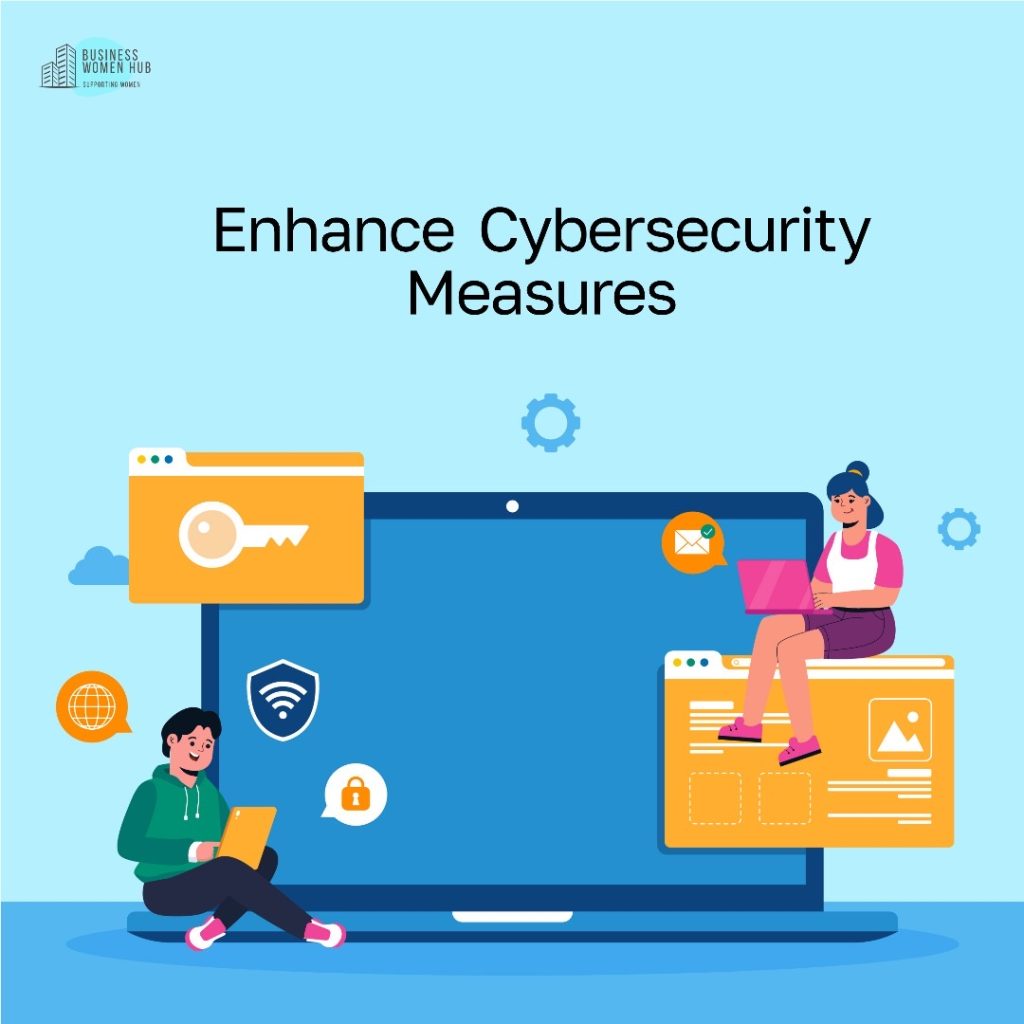
* Enhance Cybersecurity Measures: AI can be used to enhance cybersecurity measures by detecting and responding to potential threats in real-time. AI algorithms can learn to recognise patterns of suspicious user behaviour and identify threats that traditional rule-based systems might miss. By detecting and responding to cyber threats faster, AI can help businesses prevent breaches and protect sensitive data from loss or theft.

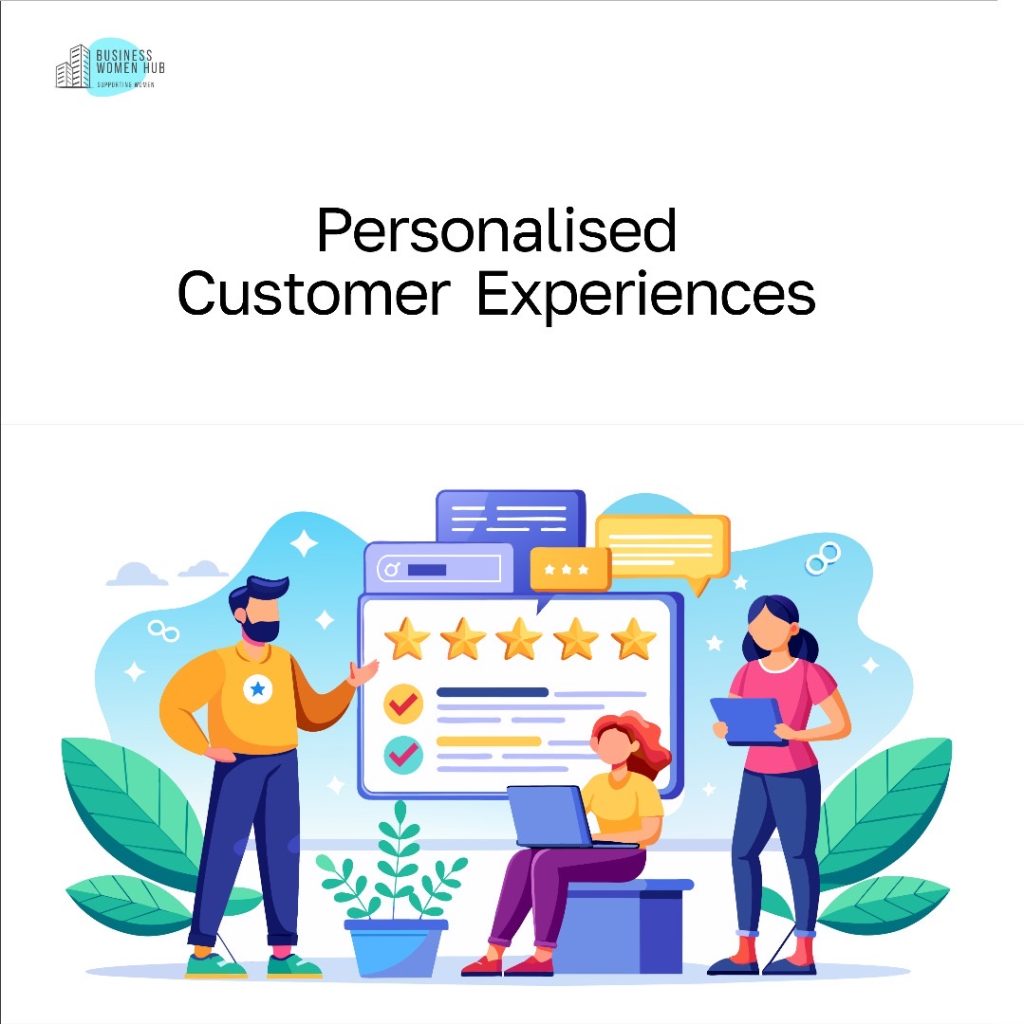
*Personalised Customer Experiences: With the help of AI, businesses can provide personalised customer experiences. AI algorithms can analyse large amounts of customer data to understand customer preferences and behaviour, and use that information to tailor recommendations, promotions, and product offerings. By providing truly personalised experiences, businesses can improve customer satisfaction and loyalty, ultimately leading to increased revenue.

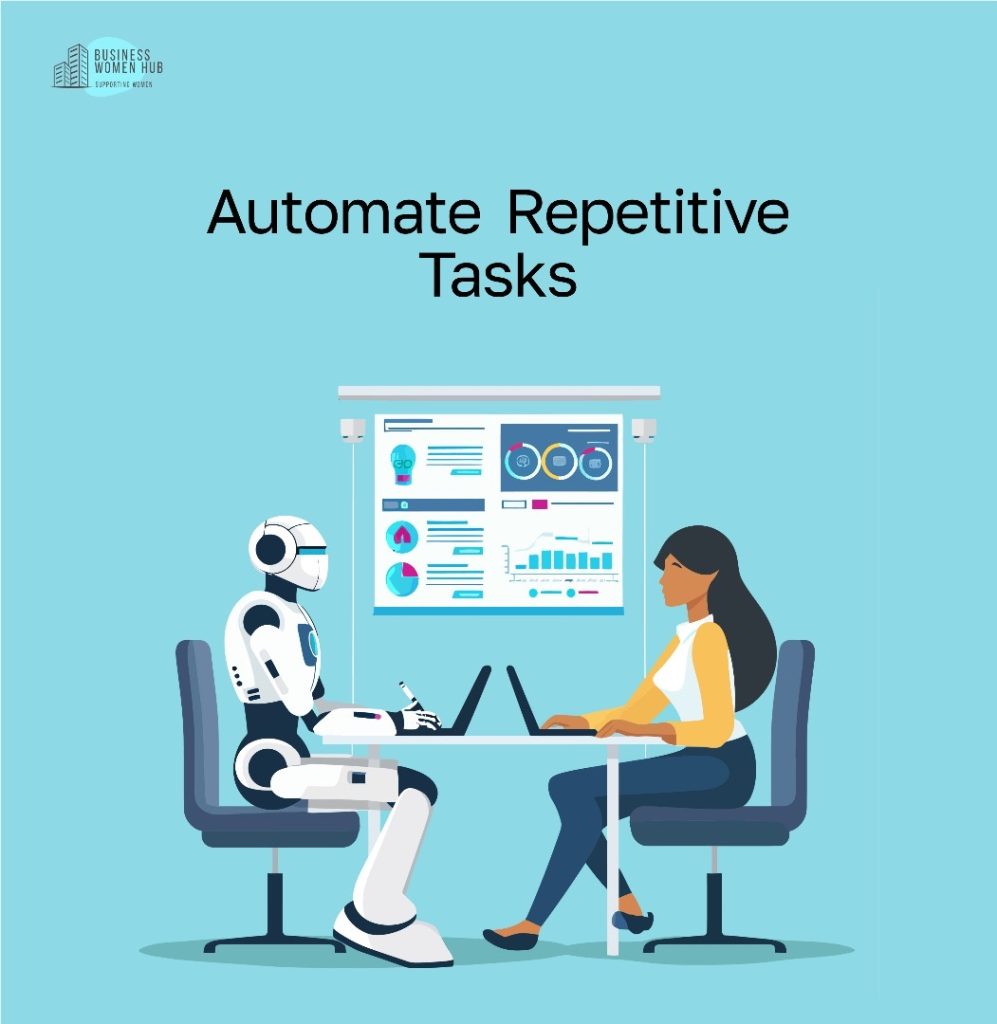
*Automate Repetitive Tasks: AI can be used to automate repetitive tasks that would otherwise require a significant amount of time and resources. By automating tasks such as data entry, report creation, or customer service, businesses can reduce costs and free up time for employees to focus on more value-added activities. This can ultimately improve productivity and help businesses stay competitive.

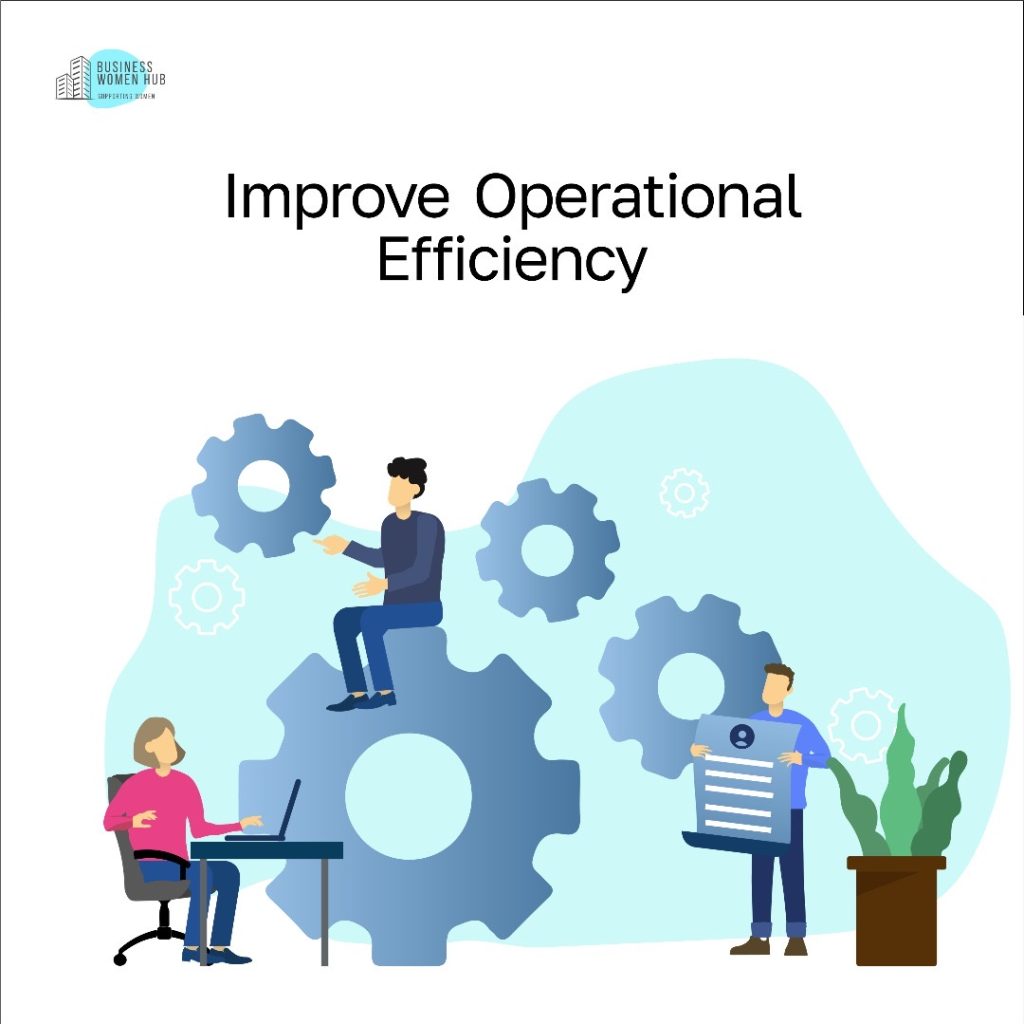
*Improve Operational Efficiency: Finally, AI can be used to improve operational efficiency across a range of business functions. AI-powered systems can optimise supply chain processes, schedule production runs, and monitor inventory levels, helping to reduce waste, avoid stockouts, and improve overall efficiency. By using AI to improve operational efficiency, businesses can reduce costs and improve their bottom line. These are just a few examples of how businesses can leverage AI to drive growth and success.

Posted on Leave a comment

THE IMPORTANCE OF BRANDING FOR YOUR BUSINESS

Branding is super important for your business, It plays a crucial role in unifying your business, boosting sales, shaping perception, creating customer preference, and enabling business extension. It’s all about crafting a strong and consistent brand identity that resonates with your target audience.  

*Unity: Branding brings unity to your business by establishing a consistent look, feel, and message across all your marketing materials. This helps create a cohesive and recognizable brand that customers can easily identify.

*Sales is indeed an important aspect of branding Sales: A strong brand can have a positive impact on your sales. When customers recognize and trust your brand, they’re more likely to choose your products or services over competitors. Branding helps build that trust and loyalty, leading to increased sales.

*Perception: Your brand influences how customers perceive your business. Through branding, you can shape the perception of your brand to align with your desired image. It’s all about creating a positive and memorable impression that resonates with your target audience.

*Preference: Branding helps create a preference for your business among customers. When your brand effectively communicates its unique value proposition and connects with customers on an emotional level, it can influence their buying decisions and make them choose your brand over others.

*Extension: Branding allows you to extend your business beyond its core offerings. By building a strong brand, you can expand into new product lines or services while leveraging the trust and reputation you’ve already established. This makes it easier to enter new markets or diversify your business.

Posted on Leave a comment

5 STRONG INDICATORS OF BRAND SUCCESS

A strong brand helps a business stand out, differentiate itself from competitors, builds trust, and creates customer loyalty which can lead to premium pricing, attract top talent, and drive business growth. These indicators are all interconnected and can contribute to the overall success of your brand. 

*Brand reputation: Your brand reputation is the perception that people have of your brand. It’s influenced by factors such as product quality, customer service, and brand values. A positive brand reputation helps build trust and credibility with customers.

*Customer loyalty: This refers to the level of commitment and repeat business from your customers. When customers are loyal to your brand, they keep coming back for more, which can lead to increased sales and positive word-of-mouth.

*Brand awareness: This is all about how well your target audience recognizes and remembers your brand. When people are aware of your brand, it increases the likelihood of them considering your products or services when making purchasing decisions.

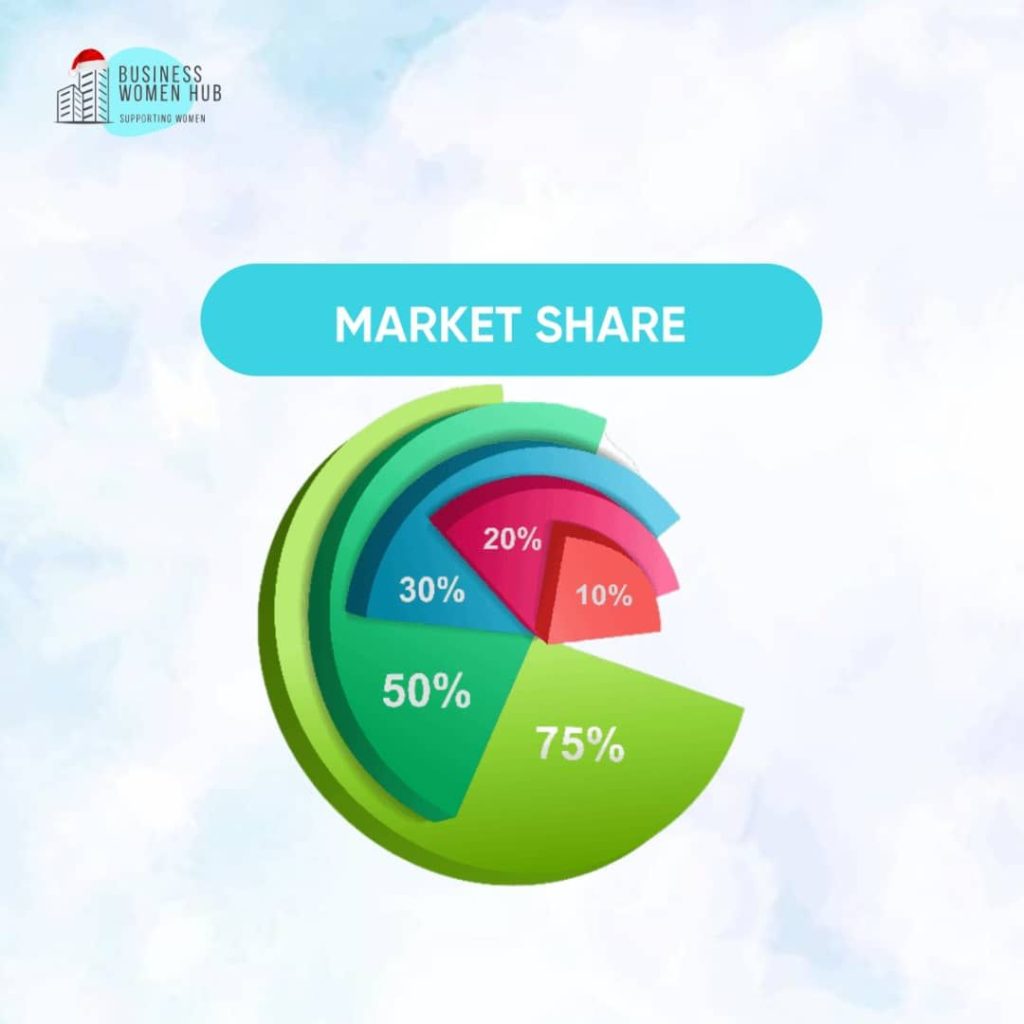
*Market share: Market share represents the portion of the market that your brand controls compared to your competitors. A higher market share indicates that your brand is performing well and gaining a larger share of customers compared to others in the industry.

*Financial performance: This indicator looks at the financial health of your brand, including factors like revenue, profitability, and return on investment. A brand that performs well financially is more likely to have the resources to invest in growth and innovation.

Posted on Leave a comment

BENEFITS OF BUILDING STRONG NETWORK

Building a strong network means creating and nurturing connections with other professionals in your industry or community. It involves actively engaging with people, building relationships, and maintaining regular communication. Building a strong network can bring numerous benefits. Here are some details about each benefit:

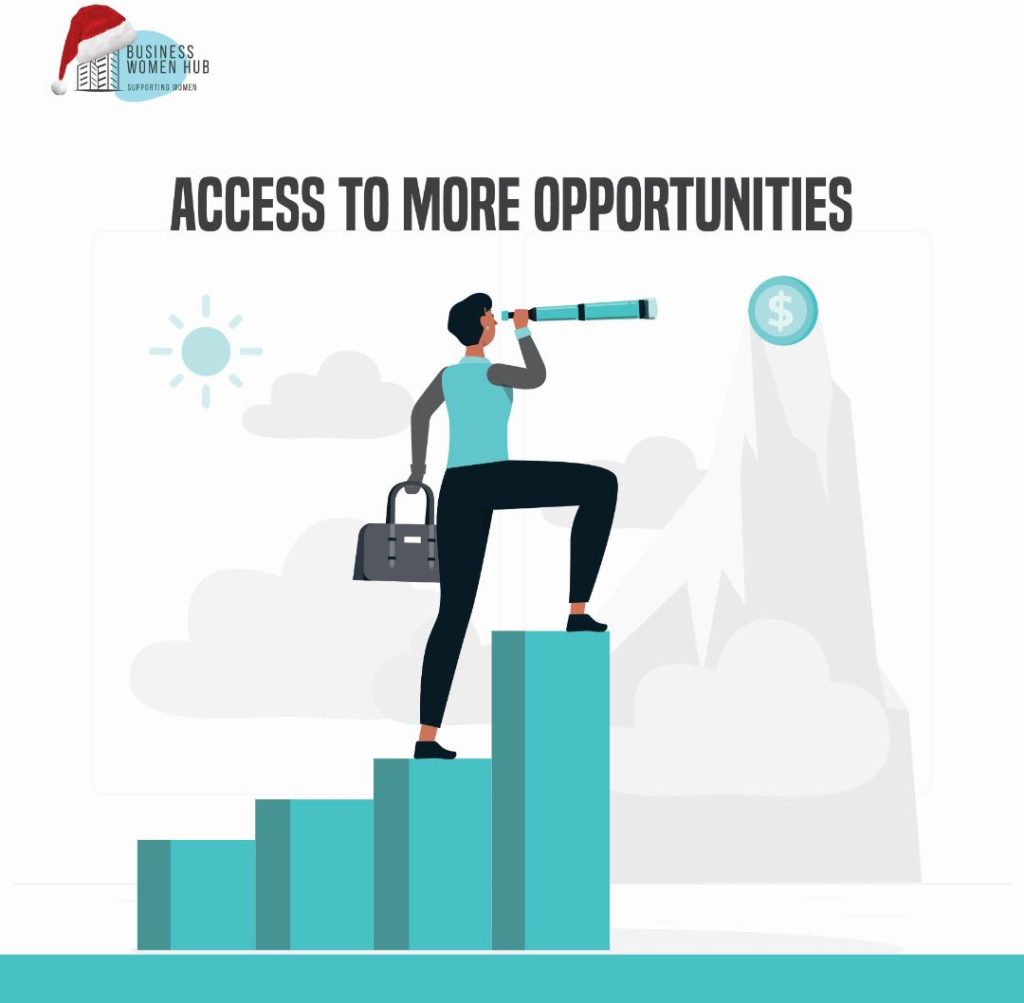
Access to opportunities: When you have a strong network, you have access to a wider range of opportunities. Your connections can provide you with job leads, business partnerships, or even mentorship opportunities that you may not have otherwise come across.

 Learning and development: A strong network allows you to learn from others who have different experiences and expertise. By connecting with professionals in your field or industry, you can gain valuable insights, knowledge, and advice that can help you grow both personally and professionally.

Increased visibility: Building a strong network can increase your visibility within your industry or community. When people know who you are and what you do, they are more likely to think of you when relevant opportunities arise. This visibility can lead to more recognition, collaborations, and career advancement.

Professional support: Your network can provide you with a support system of like-minded individuals who understand the challenges and triumphs of your profession. They can offer guidance, encouragement, and advice during difficult times and celebrate your successes with you.

 Personal growth: Building a strong network can also contribute to your personal growth. Interacting with diverse individuals can broaden your perspectives, challenge your assumptions, and help you develop new skills. Additionally, the relationships you build within your network can lead to lifelong friendships and a sense of belonging.

Posted on Leave a comment

BREAKING GENDER STEREOTYPES IN ENTREPRENEURSHIP

BREAKING GENDER STEREOTYPES IN ENTREPRENEURSHIP 

*Breaking gender stereotypes in entrepreneurship means challenging and changing the traditional expectations and assumptions about the roles and capabilities of men and women in the business world. It involves creating an environment where both men and women have equal opportunities, recognition, and support to pursue their entrepreneurial ambitions.

*Gender stereotypes are traditional beliefs about how people should behave or present themselves based on their gender. 

*Breaking stereotypes means challenging these expectations and promoting equality and inclusivity for all genders. It’s about letting people be themselves without being limited by societal norms.

Here are detailed explanations on breaking gender stereotypes in entrepreneurship:

1. Challenging Expectations: Breaking gender stereotypes means defying the traditional expectations and norms that society has placed on women in entrepreneurship. It’s about showing that women can be just as successful and innovative as men.

2. Encouraging Confidence: Breaking gender stereotypes involves empowering women to believe in themselves and their abilities. It’s about building confidence and self-assurance to overcome any doubts or limitations imposed by society.

3. Promoting Visibility: Breaking gender stereotypes means increasing the visibility of successful female entrepreneurs. By highlighting their achievements and sharing their stories, we inspire other women to pursue their entrepreneurial dreams.

4. Providing Support: Breaking gender stereotypes involves creating supportive networks and resources specifically tailored to the needs of female entrepreneurs. It’s about providing mentorship, funding opportunities, and guidance to help women thrive in their entrepreneurial endeavors.

5. Fostering Inclusivity: Breaking gender stereotypes means creating an inclusive and diverse entrepreneurial ecosystem. It’s about promoting equal opportunities for all entrepreneurs, regardless of their gender, and celebrating the unique perspectives and contributions that women bring to the table.

Posted on Leave a comment

INNOVATIVE SOLUTIONS FOR BUSINESSES

Innovative solutions refer to creative and original ideas or approaches to solve problems or meet needs. They involve thinking outside the box and coming up with new and unique ways to address challenges.

Innovative solutions for businesses:

1. Adopting new technologies: Embracing emerging technologies like artificial intelligence, blockchain, or virtual reality can streamline operations, enhance customer experiences, and improve overall efficiency.

2. Implementing automation processes: Automating repetitive tasks and workflows can save time, reduce errors, and free up employees to focus on more strategic and value-added activities.

3. Utilizing data analytics: Leveraging data analytics tools and techniques can provide valuable insights into customer behavior, market trends, and operational performance, enabling data-driven decision-making and targeted strategies.

4. Embracing sustainable practices: Integrating environmentally friendly practices into your business operations, such as using renewable energy sources, reducing waste, or adopting eco-friendly packaging, can attract environmentally conscious customers and contribute to a greener future.

5. Fostering a culture of creativity and collaboration: Encouraging employees to think outside the box, fostering a collaborative work environment, and implementing innovation programs or brainstorming sessions can stimulate new ideas and drive continuous improvement within the business.

Posted on Leave a comment

HOW TO BUILD A STRONG PERSONAL BRAND

HOW TO BUILD A STRONG PERSONAL BRAND 

Some tips for building a strong personal brand as a female entrepreneur includes: 

1. Clearly defining your brand values and mission: This means understanding what you stand for and what you want to achieve with your business. It’s important to have a clear idea of your values and mission so that you can communicate them effectively to your audience.

2. Developing a unique voice and style: This means finding your own voice and style that sets you apart from others. You can do this by being authentic, sharing your story, and finding creative ways to express yourself.

3. Consistently creating and sharing high-quality content: This means creating content that is valuable, informative, and engaging for your audience. You should aim to create content on a regular basis and share it across multiple platforms to increase your reach.

4. Networking and collaborating with other professionals: This means building relationships with other professionals in your industry and collaborating on projects. This can help you expand your reach and build your brand.
5. Staying authentic and true to yourself: This means being true to yourself and your values, and not trying to be someone you’re not. It’s important to stay authentic and true to yourself so that your audience can connect with you on a deeper level.