Posted on Leave a comment

Negotiation and Persuasion for Women in Business

Negotiation and persuasion aren’t just skills, they’re power moves. For women in business, these tools are especially critical in a world that doesn’t always offer seats at the table willingly.

The good news? You don’t need to wait for permission. You create your own space when you understand your value and advocate with clarity, confidence, and intention.
Here are four essential mindset and strategy shifts every woman in business needs to master:

  1. Own Your Value Before You Negotiate:
    You can’t convince anyone of your worth if you haven’t fully embraced it yourself. Negotiation begins with you, how you view your own experience, expertise, and impact.
  • Audit your wins; big and small. Write them down. Own them.
  • Remind yourself: confidence is built, not bestowed
  • Stop minimizing. Start magnifying.
    When you fully own your value, you negotiate from a place of power, not permission.

2. Ask with Boldness, Not Apology:
You’re not asking for a handout, you’re offering value. Yet, too often, women dilute their requests to stay “likeable.” But persuasion doesn’t require shrinking.

  • Replace “I just wanted to ask…” with clear, assertive language.
  • Be unapologetic in your proposals.
  • Reframe rejection as redirection, not a dead end.

Negotiation is not confrontation—it’s collaboration with purpose.
Say what you mean. Ask like you deserve it—because you do.

3. Listen to Lead, Not to React:
The most persuasive people aren’t always the loudest, they’re the most intentional listeners. Leadership through negotiation starts with understanding, not overpowering.

  • Get curious about the other side’s goals.
  • Use silence strategically, pause before reacting.
  • Let empathy guide your leverage.

When you listen with purpose, you speak with precision. That’s the real power play.
Influence begins with understanding.

4. Redefine “No” as the Start, Not the End:
A “no” isn’t a closed door, it’s a pivot point. The most resilient negotiators don’t walk away from rejection. They regroup, reframe, and re-engage.

  • Ask why they said no, it’s often a clue, not a conclusion.
  • Look for creative win-win solutions.
  • Detach emotionally, stay focused on the outcome, not the obstacle.

Every “no” is feedback. Every pause is potential. Every rejection is redirection.
Rejection isn’t the reason to stop—it’s part of the process.


Posted on Leave a comment

MINDSET SHIFTS THAT UNLOCK BUSINESS GROWTH Growth

In business, your strategy is important, but your mindset is everything. If you want to elevate your brand, increase your income, and step into real leadership, you must first shift how you think.

These four mindset shifts are the difference between staying stuck and stepping into the next level of your business success. Let’s dive in.

  1. Start Before You’re Ready

Perfection is a myth. Progress is real.
Too many women wait until everything looks perfect before launching that business, product, or idea. But guess what? The most successful women didn’t start perfectly, they just started. They figured it out as they went, made mistakes, made adjustments, and kept going.
If you wait for perfection, you’ll wait forever.

  • Take messy first steps
  • Use what you have
  • Learn by doing

Your breakthrough isn’t waiting at the finish line. It’s hiding in your first, imperfect steps.
Clarity comes through action.

2. Focus on Solving, Not Selling
Want to grow your business? Stop pushing products, start solving problems.

In a noisy market, the brands that stand out don’t just shout louder, they serve better. Your audience is not waiting for your pitch, they’re looking for someone who truly understands what they need.

  • Ask: “What problem does my business solve?”
  • Speak to pain points, not just product features
  • Show them you understand before you sell

When you lead with value, the sales will follow.
Serve first. Sell better.

3. Embrace Failure as Feedback
Failure isn’t final, it’s information.
Every “no,” delay, or detour you experience in business carries a lesson. The most powerful shift you can make is to stop seeing failure as an end, and start seeing it as a message.

  • Ask: What did this teach me?
  • Detach your identity from your outcomes
  • Celebrate lessons, not just wins

You don’t have to fear failure when you know how to flip it.
Grow through what you go through.

4. Protect Your Energy Like a CEO
Not everything requires your attention. Not everyone gets access.

To operate at your highest level, you must protect your energy. The most successful women entrepreneurs are strategic with their time, boundaries, and emotional bandwidth.

  • Say no without guilt
  • Schedule rest like you schedule meetings
  • Prioritize what aligns with your goals

You can’t pour into your business if you’re constantly drained.
Your energy is an investment. Spend it wisely.

Posted on 1 Comment

BUILDING CONFIDENCE AS A LEADER: 4 POWERFUL STEPS FOR WOMEN IN BUSINESS

Confidence is not just a personal asset, it’s a professional game-changer. For women in leadership, building confidence isn’t about becoming someone else; it’s about owning who you already are and leading with clarity, courage, and conviction.

These 4 steps are designed to help women strengthen their leadership voice and presence, one intentional step at a time.

  1. Understand What Confidence Really Is

Confidence doesn’t mean having all the answers or dominating every room. It’s the quiet, grounded belief that you can figure things out, take action, and grow, even when the outcome is uncertain. Identify your strengths, acknowledge your growth, not just your wins, remember: Fear and doubt don’t disqualify you, they prove that you care

True leaders feel fear and still show up. Confidence is built, not born.

2. Build Competence to Build Confidence

Confidence often follows competence. The more skilled and informed you are, the more secure you’ll feel in your decisions and leadership style. Learn consistently, read, take courses, ask questions, apply what you learn in real-world situations, focus on progress, not perfection

Confidence = Competence + Courage. Growth fuels belief.

3. Use Your Voice – Even When It Shakes

Leadership is about using your voice, even when it’s uncomfortable. Whether it’s sharing an idea in a meeting, challenging the status quo, or speaking up for others, confidence grows through expression. Speak up, even in small settings, share your insights online or in team discussions, and let go of “perfect”—be clear, be present

Every time you speak, you strengthen your voice. Lead out loud.

4. Surround Yourself with Confidence Builders

Your environment can either reinforce your self-belief or drain it. Surround yourself with people and communities that uplift, challenge, and support you. Join networks that reflect your values, find mentors and growth-minded peers, and distance yourself from spaces that make you shrink

Confidence grows in community. Stay close to people who remind you who you are.

Building confidence as a leader isn’t about becoming fearless, it’s about showing up anyway, learning consistently, using your voice, and staying rooted in a community that believes in you. Every step you take toward growth is a step toward greater leadership impact. The world needs more confident women leading boldly, and that includes you.

Posted on Leave a comment

HOW TO PITCH TO INVESTORS & ACCESS GRANTS

Whether you’re seeking your first seed investment or applying for a game-changing grant, one thing is certain: preparation is everything.

In today’s competitive funding landscape, it’s not just about having a great idea, it’s about communicating that idea clearly, confidently, and compellingly. Here’s a quick breakdown to help you pitch with clarity and confidence.

Before you pitch anything, pitch to yourself. Ask the tough questions:

  • How much does it cost to run your business monthly?
  • What’s your profit margin?
  • What are your revenue projections for the next year?

Investors and grant committees want more than passion, they want proof. They’re investing in systems that can deliver results. Be prepared to answer:

  • What problem are you solving?
  • Who are your customers?
  • What’s your revenue model and cost structure?
  • How much funding do you need, and what exactly will it be used for?

Financial literacy is your secret weapon. The clearer you are on your numbers, the more confident and convincing your pitch will be. Own your story.

Your pitch isn’t just about what you say, it’s how you say it, and what sticks after you’ve said it. Whether it’s a 2-minute elevator pitch or a full 10-slide deck, your message needs to flow like a compelling story. A Winning Pitch Should Include:

  • The Problem: What real-world issue are you solving?
  • Your Solution: Why is your product/service the best option?
  • Target Market: Who exactly needs what you offer?
  • Traction: Any proof of concept, customer testimonials, or early revenue?
  • Financials: Top-level numbers and what funding you’re asking for
  • The Ask: How much you’re raising and what it will be used for

Practice it out loud and in front of people who can offer real feedback. Passion will get attention, but clarity will get results.

Not all money is created equal, and not every investor or grant is a good fit for your business. As a woman entrepreneur, your goal is to secure aligned capital funding that matches your mission, industry, and vision for impact. Where to Look:

  • Angel investors or VCs (Venture Capitalists) that prioritize women-led businesses
  • Government-backed or private sector grants
  • Startup accelerators and pitch competitions
  • International NGOs and funds focused on gender inclusion

The money exists. Your job is to get in position for it.

Grants don’t go to the best ideas. They go with the best-presented ideas. Your application needs to be tight, well-structured, and compelling. Remember: funders are evaluating hundreds of entries; they want to see why you matter in minutes. Make sure you have:

  • A clear, focused problem statement
  • Evidence of potential or existing impact
  • A sustainable, scalable plan
  • A realistic, transparent budget

Application Tips:

  • Follow instructions exactly, format, word count, and attachments
  • Use numbers, stats, and results to back your story
  • Avoid vague language. Be clear, concise, and confident.

You’re not just asking for money, you’re presenting a business that deserves it. Funding exists. With preparation, the right pitch, and a smart strategy, you can get it.

Posted on Leave a comment

The Elements of a Strong Business Model The

A strong business model is more than just a business plan—it’s a strategic roadmap for long-term success. To build a model that creates lasting value, follow these key steps:

Identify Your Target Audience – Instead of appealing to a broad market, focus on well-defined buyer personas who truly need your product or service.

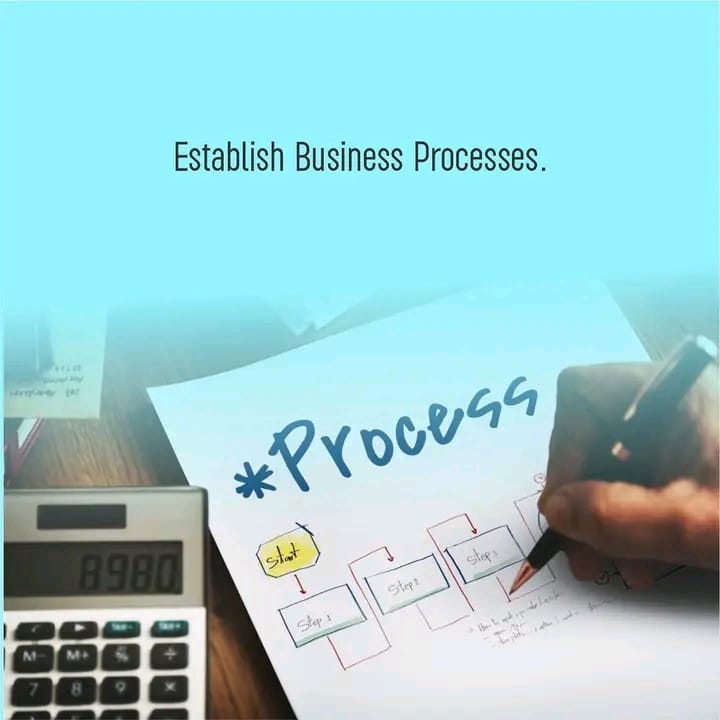
Establish Business Processes – Define the essential activities required to deliver your product or service efficiently.

Record Key Business Resources – Ensure your business has the necessary assets, such as capital, intellectual property, and digital tools, to sustain daily operations.

Develop a Strong Value Proposition – Differentiate your business by offering something unique and valuable to customers
By implementing these elements, businesses can enhance efficiency, improve customer satisfaction, and sustain long-term growth.

Posted on Leave a comment

The Power of Digital Innovation in Business

In today’s fast-paced digital era, businesses must embrace digital innovation to remain competitive. Digital innovation refers to the use of technology to solve business challenges, drive efficiency, and enhance customer experiences. It goes beyond just digitization; it involves transforming how businesses operate and deliver value.

From launching mobile apps and websites to integrating AI-driven tools, digital innovation is shaping industries worldwide. Companies that fail to innovate risk falling behind, as seen in numerous cases where reluctance to adopt new technologies led to business failures.

One crucial aspect of digital innovation is the digitization of operations. Businesses can streamline internal processes using tools like Slack, Trello, and Asana for team collaboration, or automate payroll and expense management. These advancements improve efficiency, communication, and overall productivity.

As technology continues to evolve, digital transformation is no longer optional—it is a necessity. By embracing digital innovation, businesses can enhance operations, improve customer engagement, and secure long-term growth

Posted on Leave a comment

Steps to Develop a Viable Business Plan

A well-structured business plan is essential for any entrepreneur, not just for securing funding but also for guiding business growth. Here are key steps to develop a viable business plan:

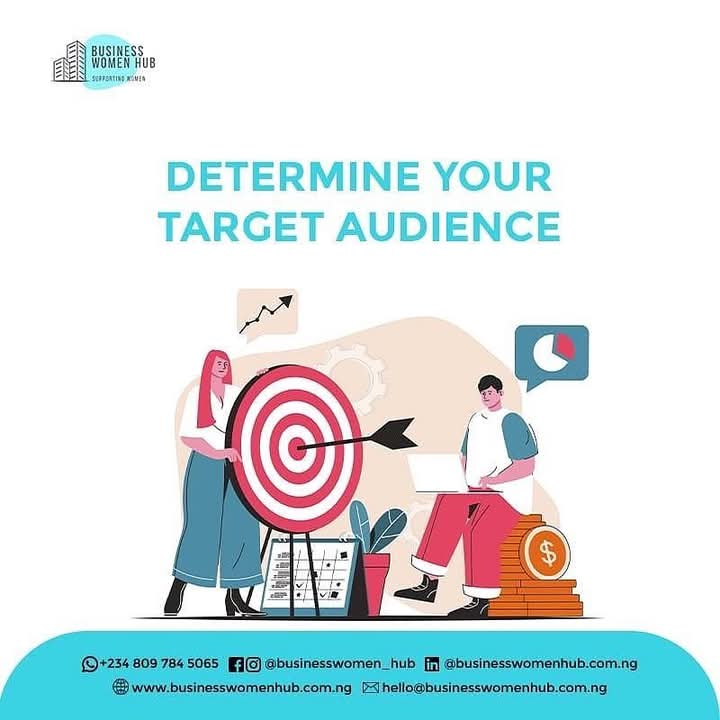
Determine Your Target Audience – Identify the ideal customers for your business based on demographics and psychographics. A focused target market leads to more effective marketing strategies.

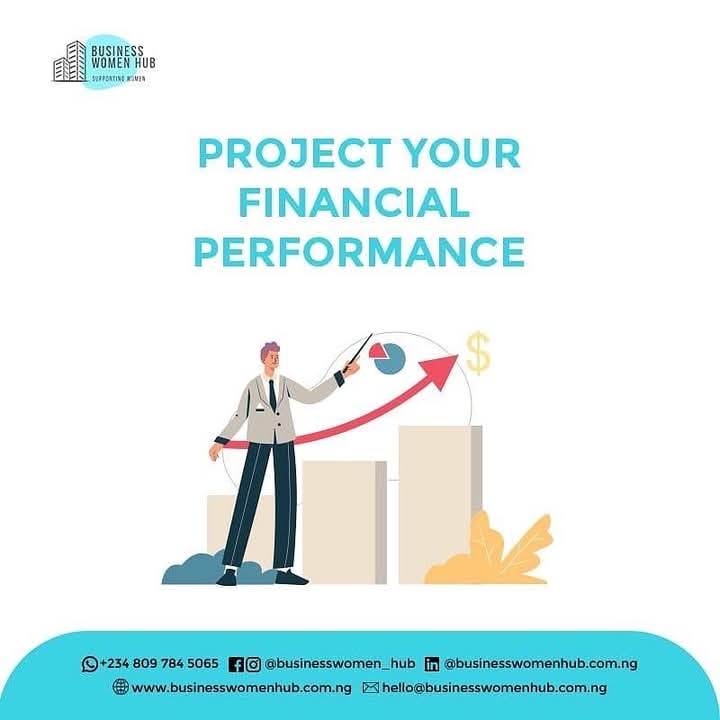
Project Your Financial Performance – Include revenue and expense projections to ensure financial sustainability. Focus on managing cash flow, estimating costs accurately, and preparing for unexpected expenses.

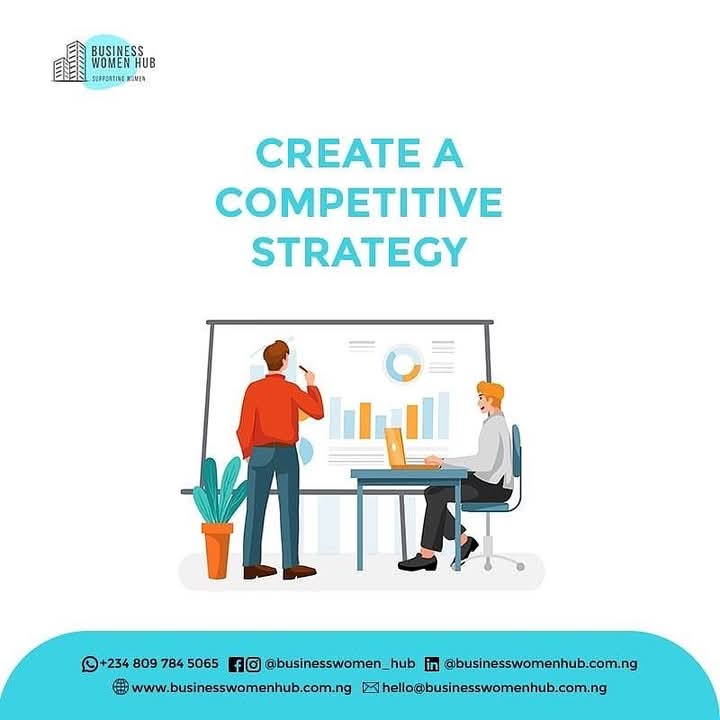
Create a Competitive Strategy – Establish how your business will maintain a competitive edge. Whether through cost leadership, differentiation, or a niche focus, your strategy should position you uniquely in the market

Define Your Business – Clearly outline your business objectives, mission, and unique selling proposition (USP). Your marketing position statement should highlight what makes your product or service stand out.

A business plan serves as a roadmap for success, helping you make informed decisions and stay on track with your business goals.

Posted on Leave a comment

Habits All Leaders Should Have to Grow Their Businesses

Success in business doesn’t happen by chance; it’s built on consistent habits that drive growth, foster innovation, and create lasting impact. For leaders looking to elevate their businesses, these habits are essential:

Commit to Learning
The most effective leaders are lifelong learners. Dedicating time to expanding your knowledge and staying informed about industry trends ensures you remain innovative and ahead of the curve.

Commit to Communication
Clear, respectful communication is the foundation of strong leadership. By providing constructive feedback and fostering open dialogue, leaders can build trust and motivate their teams to perform at their best.

Commit to Systems
Efficient systems are the backbone of any successful business. Leaders who streamline processes—from hiring to communication—gain a competitive edge. Continuously refining these systems ensures adaptability in an ever-changing market.

Commit to Listening
Active listening is a powerful leadership tool. By understanding your team’s unique needs and communication styles, you can inspire them to achieve their best work. Great leaders adapt their approach to empower individuals and build a cohesive team.

These habits aren’t just strategies—they’re commitments that help leaders drive sustainable growth, foster collaboration, and create meaningful change. Which of these habits will you prioritise in your leadership journey?

Posted on Leave a comment

Steps to Channel Sales Sucess

Channel sales involve partnering with third-party companies to resell your products or services. Instead of focusing on individual customers, this approach leverages the existing networks of partners, enabling a “one-to-many” strategy. These partners earn a share of the revenue while helping your business access a broader market.

For example, a financial management software company might collaborate with a consulting firm that works closely with CFOs. By demonstrating the software’s value, the consulting firm’s sales team promotes and sells it, earning a share of the revenue.

This method accelerates market entry, enhances scalability, and creates new revenue streams.

Create a Target Prospect List
Build a list of companies that meet your criteria. Once identified, find the right contact within the organization.

  • For high-scale partnerships, consider approaching C-level executives like the CEO or CFO.
  • For tactical offerings, target industry group leaders or business development managers.
    Accurate contact information and precise targeting are essential for effective outreach.

Sell the Partnership
Selling to channel partners is similar to selling to customers—but with a twist. Highlight the financial benefits of the partnership, such as revenue sharing (e.g., 20%). Present a detailed pitch deck and a partner agreement that outlines:

  • Revenue potential.
  • Support plans for partners and their customers.
  • Sales and marketing responsibilities.

Channel sales enable businesses to scale faster by leveraging partners’ networks and expertise. By identifying the right partners, creating a targeted prospect list, and presenting a compelling partnership proposition, you can unlock new growth opportunities and expand your market reach.

Posted on Leave a comment

4 Strategies to Enhance Startup Revenue and Profit

Startup founders often aspire to rapid and lasting success. However, attaining substantial revenue growth proves to be a hurdle for numerous entrepreneurs. The key lies in a continuous readiness to adjust, innovate, and perfect operational methods.

Finding the right mentors for the problem

The first step is connecting with mentors who had faced similar challenges. This investment was invaluable. Insights from experienced mentors can provide breakthrough solutions. Seeking guidance from experts in specific areas, like sales, can significantly impact business growth.

A simple 20-minute conversation with a mentor could provide the breakthrough needed to solve an issue you’ve been struggling with for months or even years. Finding mentors excelling in your specific issue, not just your business model, is crucial.

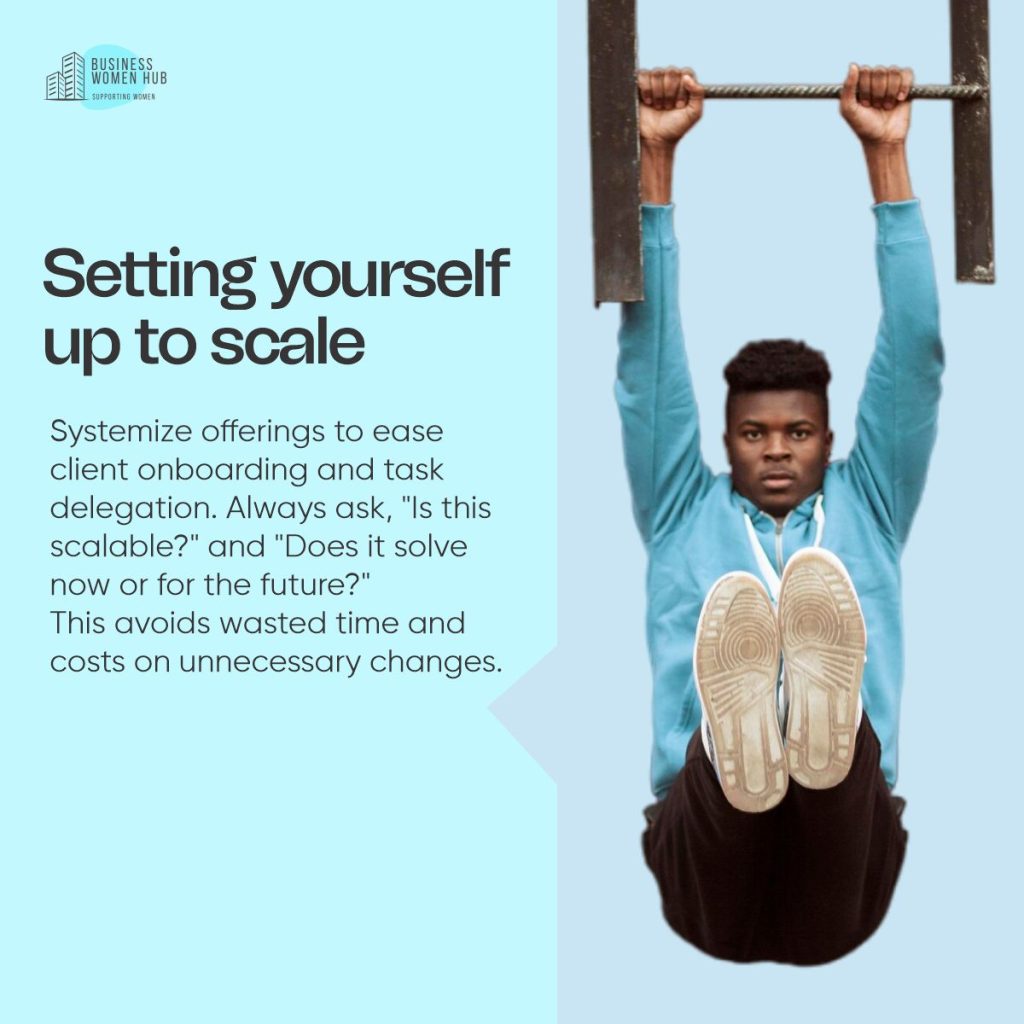
Setting yourself up to scale

Setting up for growth by systemizing the offerings and operations. Starting with custom services can cause issues in onboarding clients and managing accounts, making it hard to delegate tasks. Always questioning scalability and future relevance will save one from unnecessary expenses and time wasted on non-essential changes.

It’s always difficult onboarding new clients and finding emoloueedy who could manage accounts, preventing them from stepping back from the daily client fulfillment tasks. During this stage, it is advisable to ask these questions, “Is this solution scaleable?” and “Does this solution solve for right now, or does it solve for a future problem?”

Asking these questions would save you from spending countless hours and money on implementing change that wasn’t needed.

Understanding your teams’ true bandwidth capabilities

By using time-tracking software, you should be able to see how much work the team could actually do. It can help you see which clients were taking up too much time and which tasks were taking too long. Adjusting some clients’ payments based on their needs can help manage more accounts without overwhelming the team.

Additionally, you can streamline many procedures and tasks to boost efficiency, enabling the team to focus more on executing KPIs rather than on tedious administrative tasks that weren’t truly needed at the end of the day.

Over time, the data showed the true client-to-account executive ratio in ensuring you can keep growing as fast as you want to.

Diversify services to offer

A smart strategy for boosting revenue is to find complimentary items and services that complement your best-selling products and services.

It is possible to increase average customer lifetime value by identifying and addressing customers’ unmet wants and then delivering products that fill in the gaps and help sell the company’s primary income generators.