
Posted on 1 Comment

HOW TO OPTIMIZE BUSINESS CASHFLOW

Optimizing business cash flow is crucial for maintaining financial stability and growth.
Here are some ways to achieve that:

Monitor and forecast cash flow & Implement cash flow budgets:  Regularly track and analyze your cash flow, predicting incoming and outgoing funds. This helps identify potential shortfalls or excesses and allows for proactive management. Also, Create and follow a comprehensive cash flow budget that aligns with your business goals. This ensures better financial planning and allocation of resources.

Improve cash collection & Streamline accounts payable : Implement efficient and timely invoicing processes to ensure prompt payment from customers and negotiate favorable terms with suppliers and consider extending payment terms without incurring penalties. Automate payment processes wherever possible to ensure accuracy and timeliness.

Reduce expenses & Optimize pricing strategies : Regularly review and identify areas where expenses can be minimized and evaluate your pricing structure to ensure it aligns with market trends and covers costs while maintaining competitiveness.

Manage debt effectively & Seek Professional Advise : Keep a manageable level of debt and prioritize debt payments based on interest rates and terms also, consult with financial advisors or accountants to gain expert insights into optimizing cash flow and implement strategic financial management techniques.



Posted on Leave a comment

ELEMENTS OF A SUCCESSFUL BUSINESS IDEA

An element of a business idea refers to a specific component or aspect that contributes to the overall concept and viability of a business venture.

Here are a few key elements commonly found in a business idea:

Clear Value Proposition: This is the most important element of a successful business idea. One need to identify the clear pain points, needs or problems of customers, and create a product or service that solves them. The value proposition should highlight how your product or service is unique and better than alternatives in the market. It should clearly define the benefits and the value that your customers can get, and how it is different from your competitors.

Market Validation: This is the process through which you validate the potential demand for your product or service. This can be done by conducting market research, studying the market trends, analyzing competitors, and gathering feedback from customers. Market validation helps to ensure that your business idea has a strong potential to succeed in the market.

Strong Business Model: A strong business model is crucial for success. It should be designed in a way that the company has multiple sources of revenue and is able to generate profits over time. The business model should be scalable, adaptable, and flexible enough to meet the changing needs of the market and customers.

Sustainability: This encompasses the social and environmental impact of the business. Ethical practices and long-term sustainability should be integrated into the core operations, ensuring responsible and conscientious business practices. By combining a well-defined business model with a strong focus on sustainability, businesses can strive for long-term success while positively impacting society and the environment.

These elements, when thoughtfully integrated and executed, contribute to the foundation and potential success of a business idea.

Posted on Leave a comment

IMPORTANCE OF PROFESSIONAL DEVELOPMENT IN BUSINESS AND PERSONAL DEVELOPMENT

Professional development is crucial in various domains, including businesses, career, and personal growth. Here are some reasons why it holds immense importance:

*Customers Satisfaction and Trust: Customer satisfaction and trust are crucial for the success of any business. Satisfied customers are more likely to become repeat customers and recommend the business to others, leading to increased sales and referrals. Building trust and loyalty among customers also establishes a positive brand reputation, attracting new customers and creating a competitive edge. 


*Adaptability to Change: Industries and markets are constantly evolving, and professional development equips individuals with the ability to adapt and thrive in these changing environments. It helps them stay ahead of the curve, embrace innovation, and remain competitive.

*Increased Job Satisfaction: Pursuing professional development aligns individual goals with organizational objectives. It allows individuals to explore their interests, follow their passions, and excel in areas that bring them fulfillment. This, in turn, enhances job satisfaction and overall well-being.

*Continuous Learning Culture: Embracing professional development promotes a culture of continuous learning within organizations. This fosters innovation, adaptability, and growth mindset, ultimately leading to improved performance and organizational success.

*Seeking Professional Development from recognized and accredited institutions: Seeking professional development from recognized and accredited institutions ensures that the training and education received meet high standards of quality and reliability. When individuals pursue professional development from recognized and accredited institutions, they can have confidence in the credibility and validity of the programs

Posted on Leave a comment

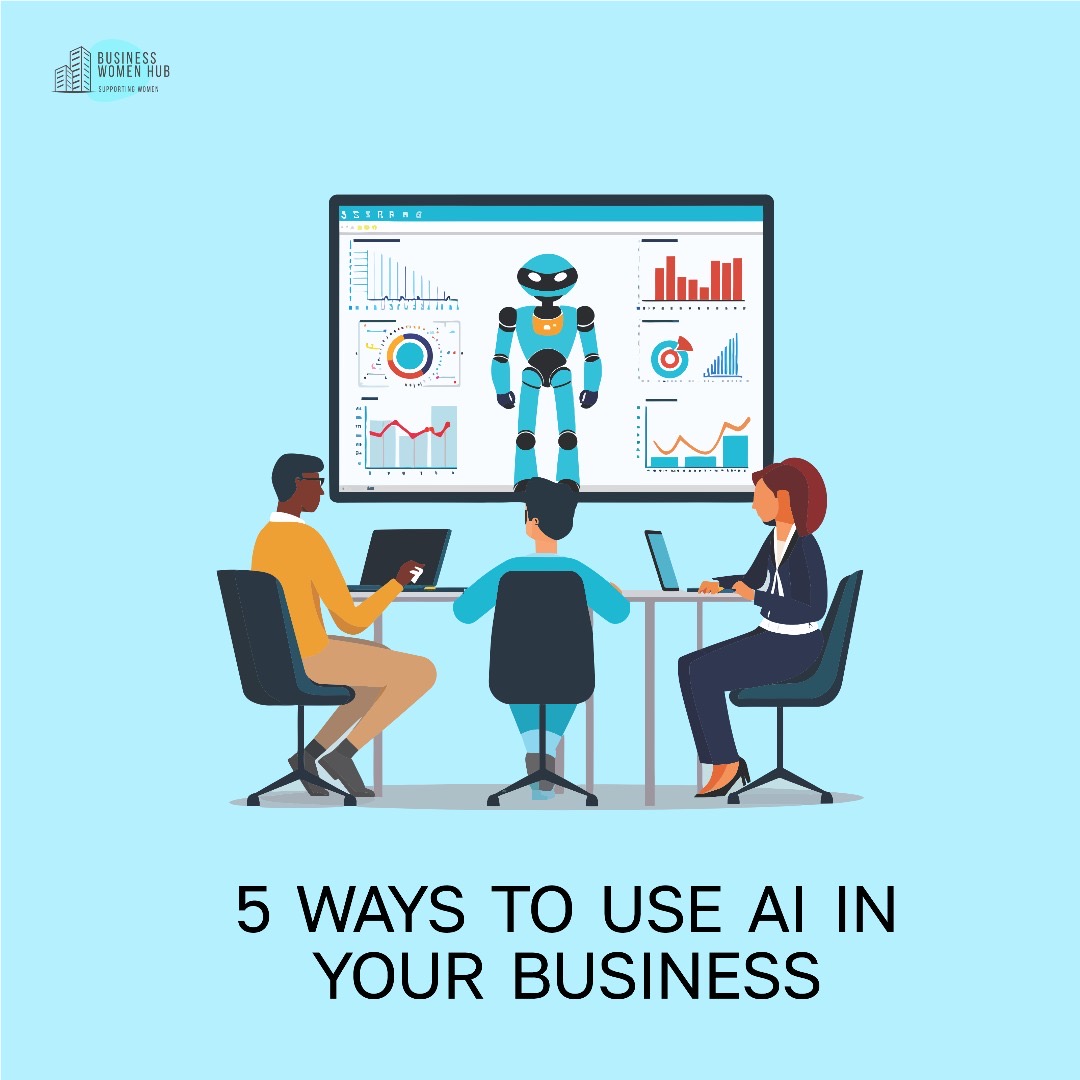
5 WAYS TO USE AI IN YOUR BUSINESS

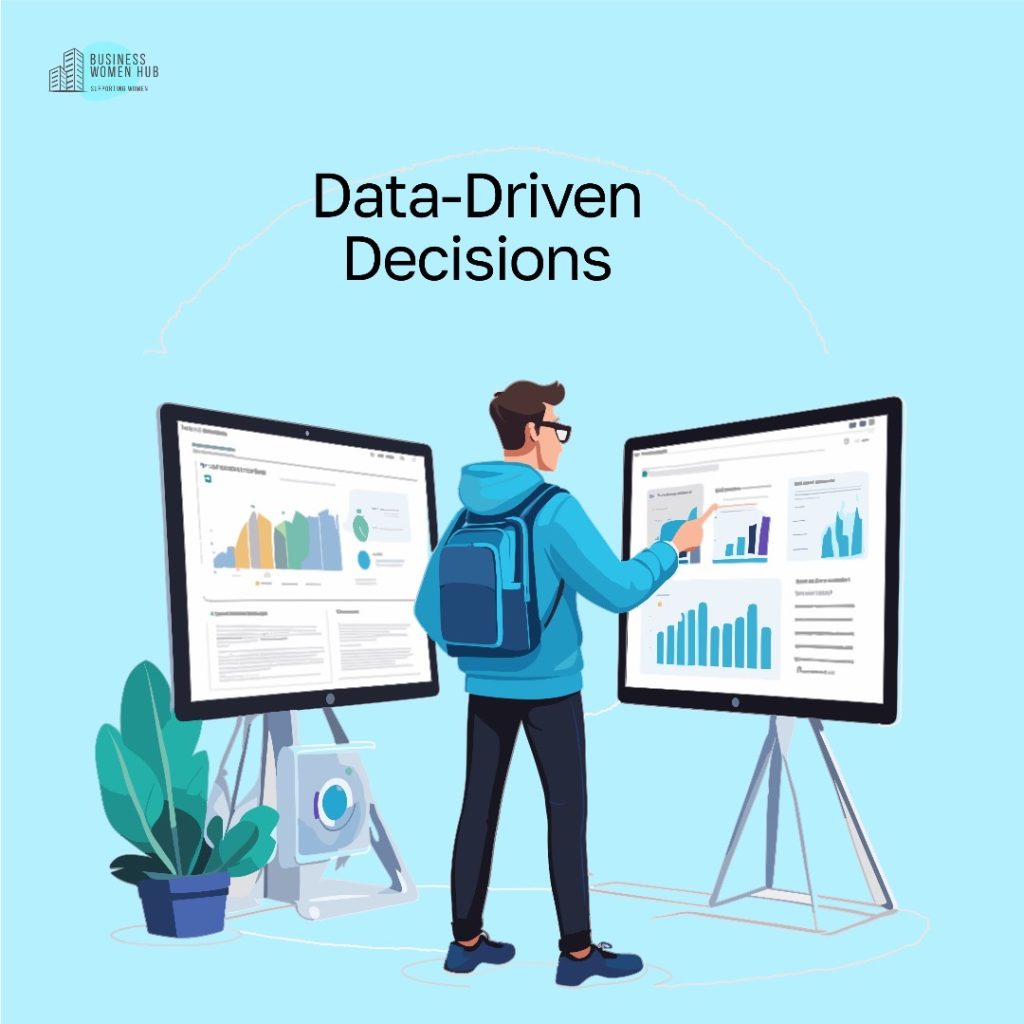
*Data-Driven Decisions: AI can help businesses make more informed decisions based on data analysis. AI models can be trained to make predictions and provide insights that can help businesses optimise their operations, improve their products or services, and identify new opportunities. By leveraging AI, businesses can quickly and accurately analyse large amounts of data and extract meaningful insights that can inform strategic decisions.

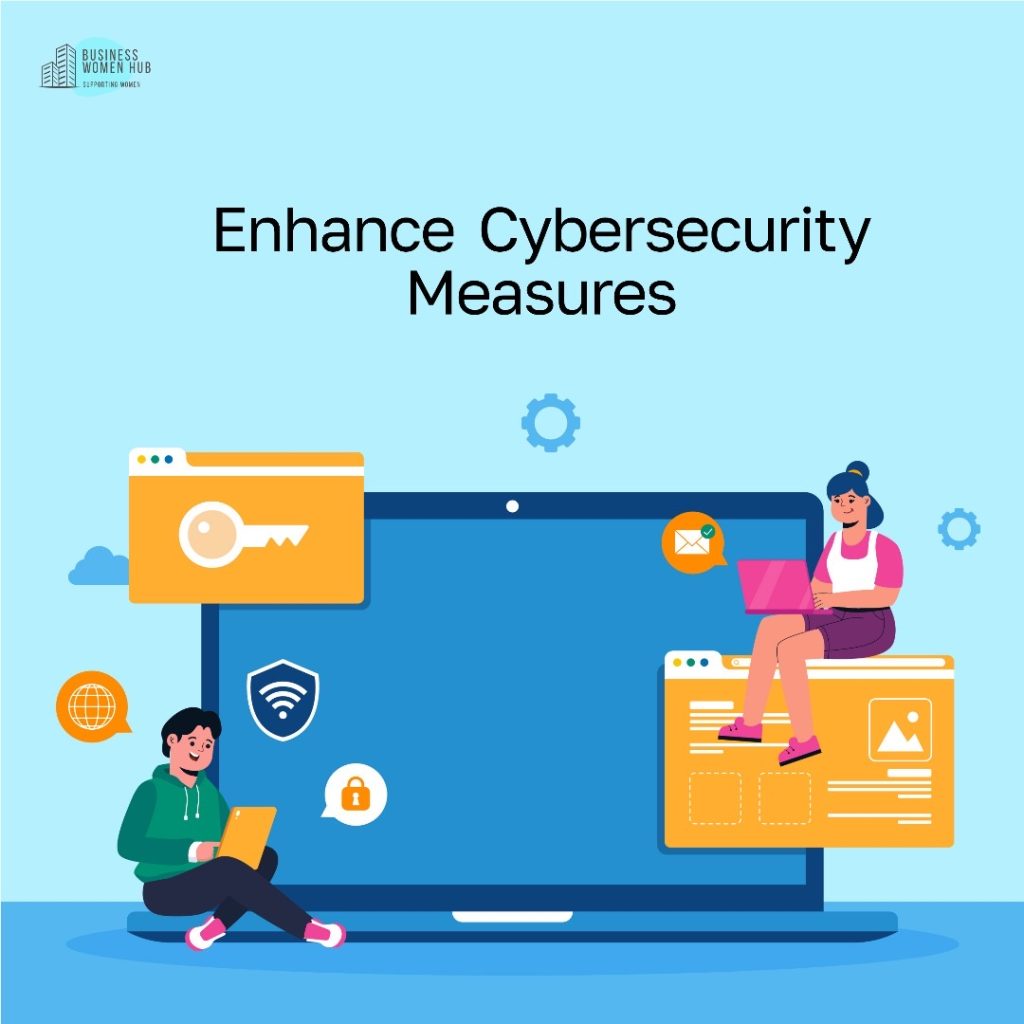
* Enhance Cybersecurity Measures: AI can be used to enhance cybersecurity measures by detecting and responding to potential threats in real-time. AI algorithms can learn to recognise patterns of suspicious user behaviour and identify threats that traditional rule-based systems might miss. By detecting and responding to cyber threats faster, AI can help businesses prevent breaches and protect sensitive data from loss or theft.

*Personalised Customer Experiences: With the help of AI, businesses can provide personalised customer experiences. AI algorithms can analyse large amounts of customer data to understand customer preferences and behaviour, and use that information to tailor recommendations, promotions, and product offerings. By providing truly personalised experiences, businesses can improve customer satisfaction and loyalty, ultimately leading to increased revenue.

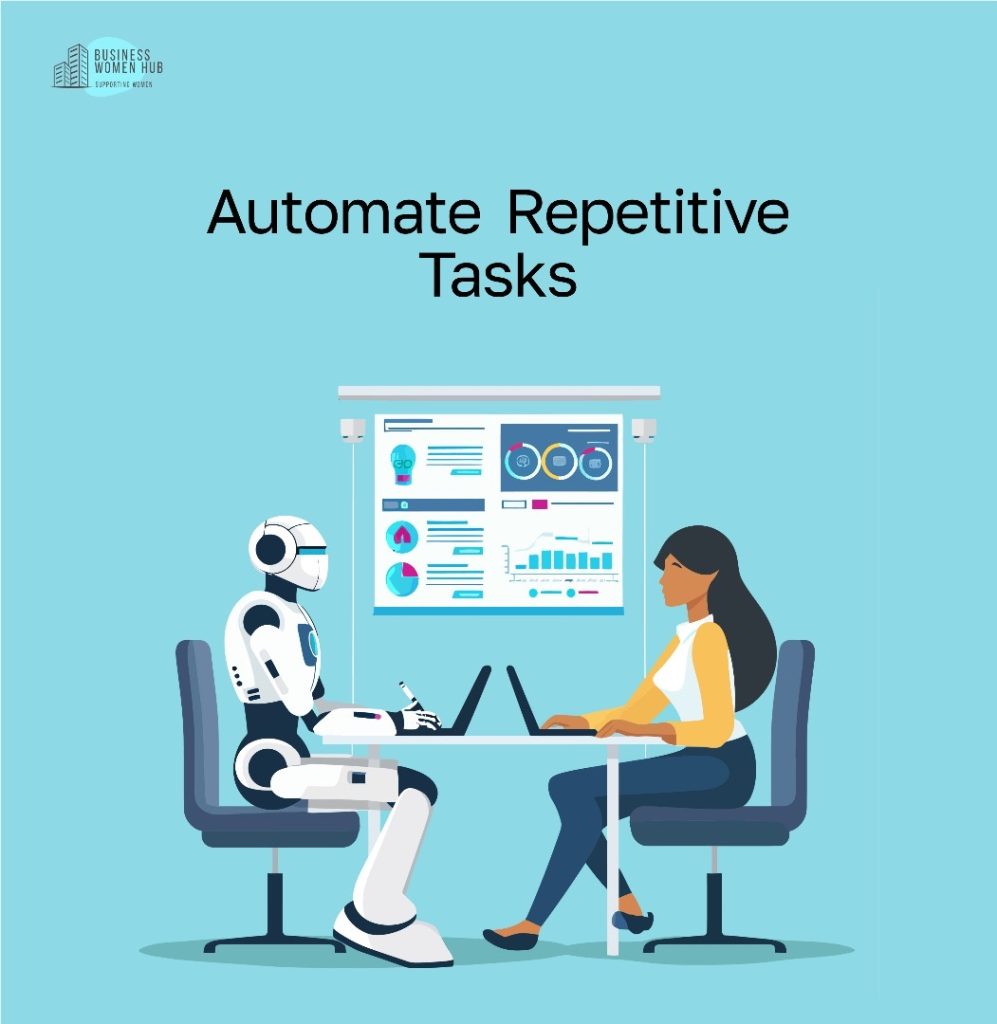
*Automate Repetitive Tasks: AI can be used to automate repetitive tasks that would otherwise require a significant amount of time and resources. By automating tasks such as data entry, report creation, or customer service, businesses can reduce costs and free up time for employees to focus on more value-added activities. This can ultimately improve productivity and help businesses stay competitive.

*Improve Operational Efficiency: Finally, AI can be used to improve operational efficiency across a range of business functions. AI-powered systems can optimise supply chain processes, schedule production runs, and monitor inventory levels, helping to reduce waste, avoid stockouts, and improve overall efficiency. By using AI to improve operational efficiency, businesses can reduce costs and improve their bottom line. These are just a few examples of how businesses can leverage AI to drive growth and success.

Posted on Leave a comment

MERITS OF AN E-COMMERCE STORE

An online store, also known as an e-commerce store, is a virtual platform where businesses can showcase and sell their products or services over the internet. It allows customers to browse through a variety of products, make purchases, and complete transactions online.

Having an online store offers several significant advantages: One of the advantages is:

*Global Reach: With an online store, businesses can reach customers beyond their local geographical boundaries. It enables access to a worldwide audience, expanding potential customer base and revenue opportunities.

*Convenience: Online stores provide convenience to both businesses and customers. Customers can browse and shop at any time, from anywhere, without the limitations of physical store hours. Businesses can operate 24/7, catering to a diverse range of customers.

*Increased Sales Potential: Online stores allowm businesses to tap into a larger customer base and increase sales potential. The ability to showcase a wide range of products and offer personalized recommendations drives customer engagement and leads to higher conversion rates.

*Cost-Effectiveness: Maintaining an online store is often more cost-effective than running a physical retail store. It eliminates the need for expenses related to rent, utilities, and maintaining a large inventory.

*Data Insights: Online stores provide valuable data insights about customer behavior, preferences, and purchase patterns. Businesses can leverage this information to optimize marketing strategies, enhance product offerings, and improve overall customer experience.

*Competitive Edge: In today’s digital age, having an online store is crucial to stay competitive. Businesses that embrace e-commerce gain a competitive edge by meeting the evolving needs and preferences of customers who prefer online shopping.

Posted on Leave a comment

TIPS TO SURVIVE AND THRIVE IN BUSINESS TODAY

Being an entrepreneur can be stressful and challenging, especially if you don’t know what you’re doing. But it doesn’t have to be that way! You can succeed at starting your own business and navigating the ins and outs of running your own company if you pay attention to these simple pieces of advice.

*Always do your research: Before starting a business, it’s essential to do your research and ensure that you clearly understand your industry, target market and competition.
You don’t want to invest money into something without knowing if there is an audience for it or if there are other similar businesses out there.
The research will save you time and money in the long run!

*Get involved in your local business community * Get to know other local business owners and entrepreneurs. Joining a networking group can help you meet people in similar situations as you and who can offer advice and support. * Attend local business events. These are great opportunities to network and learn about what’s going on in the business community. * Get involved in local politics. Knowing what’s happening at the city and county levels can help you make informed decisions about your business.

*Embrace change Change is one of the few constants in business. The ability to embrace change and adapt to new situations is critical for any entrepreneur who wants to survive and thrive. If you’re in a rut, try looking at your problem from a different perspective. Sometimes all it takes is a fresh look at things to find an answer or solution. When faced with challenges, try not to think about the past because there’s nothing you can do about it now. Instead, focus on what you need to do now to get out of your current situation.

*Save, save, save…and save : One of the best pieces of advice for entrepreneurs is to save as much money as possible. This may seem complicated, especially when you’re just starting, but it’s important to live below your means and put away as much money as possible. This will help you weather any tough times that come your way and give you a cushion to fall back on when things get tough.

Posted on Leave a comment

5 SMART BUDGETING TIPS FOR SMALL BUSINESS OWNERS

Budgeting tips are important for business owners as they provide financial control, help manage costs, facilitate informed decision making, and enable effective financial planning. By implementing these strategies, business owners can achieve greater financial stability, growth, and long-term success.

Certainly! Here are the details for each smart budgeting tip for small business owners:

TRACK EVERY EXPENSE: To effectively manage your finances, it’s crucial to track every expense incurred by your small business. This includes keeping a record of both major and minor expenditures. By diligently tracking your expenses, you gain insights into where your money is going and can identify areas where you might need to cut back or find more cost-effective alternatives.

SET CLEAR FINANCIAL GOALS: Establishing clear financial goals provides a roadmap for your business’s financial success. It could include objectives like increasing revenue, reducing costs, improving cash flow, or investing in expansion. By defining these goals, you can align your budgeting efforts towards achieving them.

UTILIZE BUDGETING TOOLS: Take advantage of budgeting tools that are designed to simplify the process and help you stay on top of your finances. There are several online platforms and software available that can assist in budget creation, expense tracking, and financial analysis. These tools can provide visual representations of your financial data, making it easier to identify trends and make informed decisions.

REGULARLY MONITOR AND ADJUST: Budgeting is not a one-time task; it’s an ongoing process. Regularly monitor your budget and compare it to your actual financial performance. Identify any discrepancies or areas where you may need to make adjustments. This allows you to stay proactive in managing your finances and make necessary changes to keep your business on track.

BUILD AN EMERGENCY FUND: Small businesses can face unexpected challenges or downturns. Building an emergency fund is essential for financial resilience. Allocate a portion of your budget towards creating a contingency fund that can be used to cover unexpected expenses or sustain your business during difficult times. Having this safety net can provide peace of mind and help mitigate potential financial risks.

Implementing these smart budgeting tips can contribute to the financial stability and growth of your small business. Remember, consistently reviewing and adapting your budgeting strategies based on your business’s evolving needs is key to long-term financial success.

Posted on Leave a comment

COMMON WAYS TO RAISE CAPITAL FOR YOUR BUSINESS

What is capital? 
Capital means the money and assets that are used to start, run, or grow a business.

One of the ways to raise capital for your business is through Investors 

Investors: You can pitch your business idea to potential investors who may provide funding in exchange for equity or a share of your company.

Business Loans: You can apply for loans from banks or financial institutions. These loans usually require a solid business plan and collateral.

Crowdfunding: Platforms like Kickstarter or GoFundMe allow you to raise funds from a large number of people who believe in your business idea.

Grants: Look for grants offered by government organizations or private foundations that support businesses in your industry or location.

Posted on Leave a comment

THE IMPORTANCE OF BRANDING FOR YOUR BUSINESS

Branding is super important for your business, It plays a crucial role in unifying your business, boosting sales, shaping perception, creating customer preference, and enabling business extension. It’s all about crafting a strong and consistent brand identity that resonates with your target audience.  

*Unity: Branding brings unity to your business by establishing a consistent look, feel, and message across all your marketing materials. This helps create a cohesive and recognizable brand that customers can easily identify.

*Sales is indeed an important aspect of branding Sales: A strong brand can have a positive impact on your sales. When customers recognize and trust your brand, they’re more likely to choose your products or services over competitors. Branding helps build that trust and loyalty, leading to increased sales.

*Perception: Your brand influences how customers perceive your business. Through branding, you can shape the perception of your brand to align with your desired image. It’s all about creating a positive and memorable impression that resonates with your target audience.

*Preference: Branding helps create a preference for your business among customers. When your brand effectively communicates its unique value proposition and connects with customers on an emotional level, it can influence their buying decisions and make them choose your brand over others.

*Extension: Branding allows you to extend your business beyond its core offerings. By building a strong brand, you can expand into new product lines or services while leveraging the trust and reputation you’ve already established. This makes it easier to enter new markets or diversify your business.

Posted on Leave a comment

5 THINGS YOUR BUSINESS IDEA MUST HAVE TO SUCCEED

*Clear value proposition: This means you need to clearly communicate what problem your product or service solves and why customers should choose you over competitors. It’s all about showing the unique value you bring to the table.

*Market validation: Before diving in, it’s important to validate your idea in the market. This involves conducting market research, gathering feedback from potential customers, and ensuring there is demand for your offering.

*Strong business model: A solid business model outlines how your company will generate revenue and sustain profitability. It should consider factors like pricing, cost structure, distribution channels, and customer acquisition strategies.

*Buying customers: It’s not just about having a great product or service; you need customers who are willing to pay for it. Focus on identifying your target audience, understanding their needs, and creating effective marketing and sales strategies to attract and retain customers.

*Adaptability and innovation: The business landscape is ever-changing, so it’s crucial to be adaptable and innovative. Stay open to feedback, continuously improve your offering, and be willing to pivot if necessary to meet evolving customer demands.