Before the profits, before the fancy branding, and long before the marketing campaigns… There is one thing that every successful business stands on: structure.
Most entrepreneurs don’t fail because they lack skill, passion, or ideas. They fail because the business lacks a clear identity, a solid legal foundation, and a framework for growth. Structure is not a luxury; it is the backbone of every sustainable brand.
Below is a breakdown on how to build a business that is not just running… but built to last.
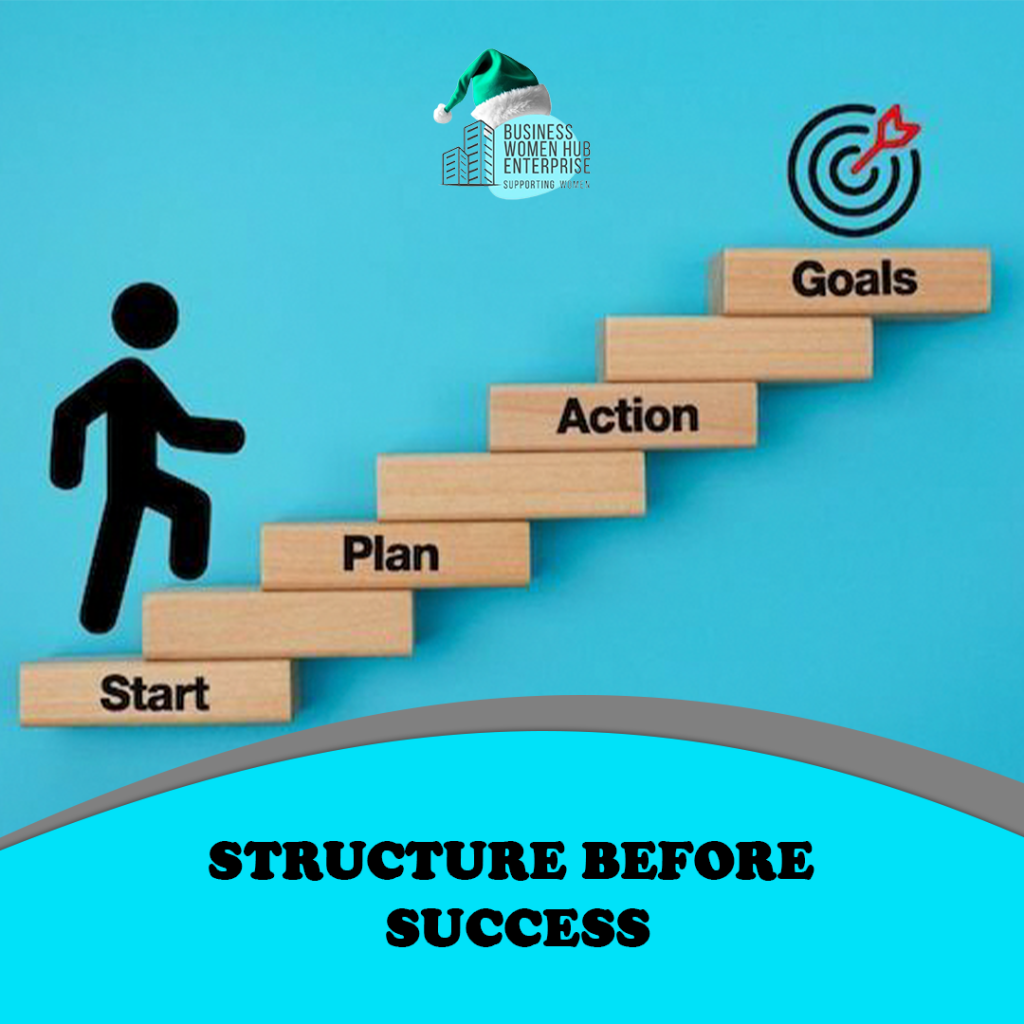
Structure Before Success
Before anything else, build structure. A business without registration is like a house without a foundation, one storm and it all collapses.
Registering your business is more than paperwork; it is the foundation that protects you, strengthens your brand, and creates opportunities you would never access otherwise.
Here’s what proper structure does for you:
- Gives your business a legal identity
- Protects your name from being claimed by someone else
- Builds customer trust (registered brands are taken more seriously)
- Opens doors to grants, loans, partnerships, and corporate contracts
- Helps you separate your personal finances from your business finances
Reflection for the week: Is my business built to grow… or just built to survive?
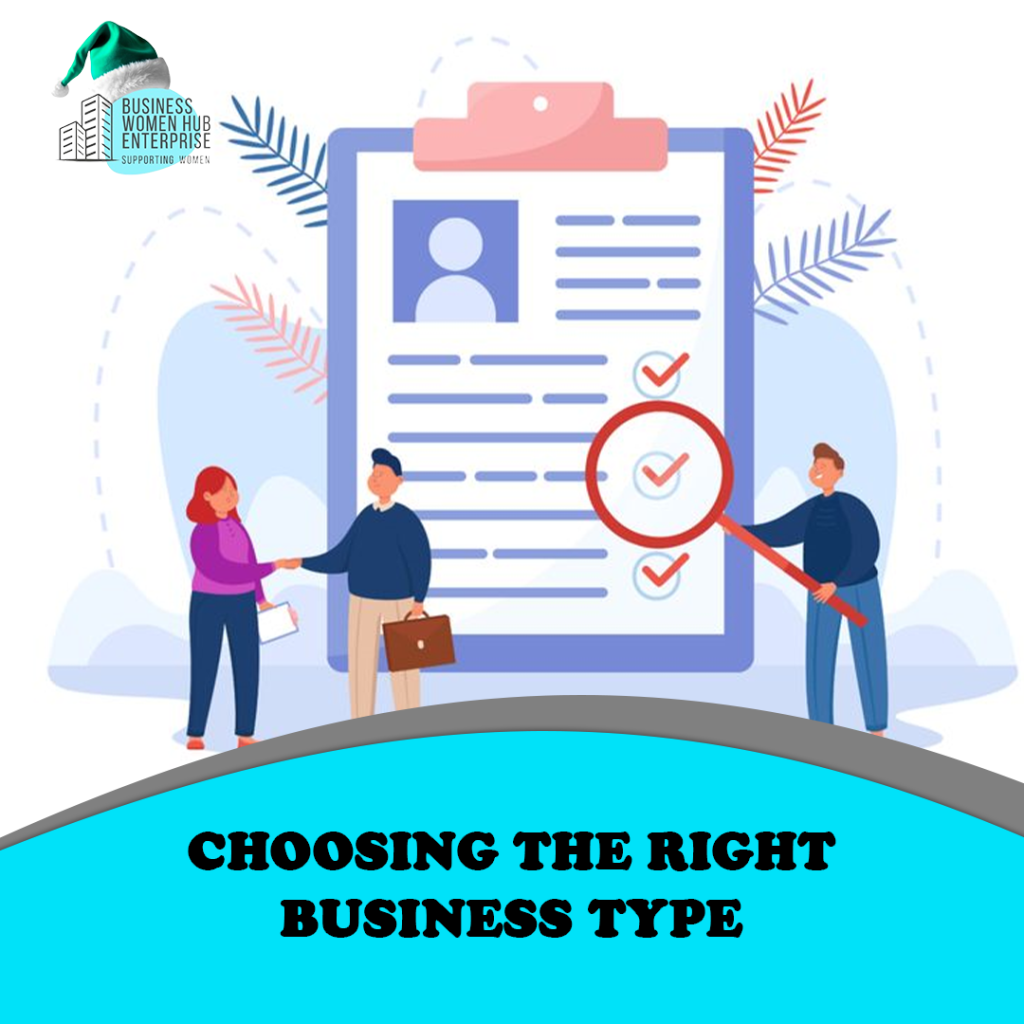
Choosing the Right Business Type (It Matters!)
Not every business should be registered the same way. Your structure affects your tax, ownership, liability, and long-term possibilities.
Here are the main options every entrepreneur should understand:
- Business Name (BN): Best for solo or small operators. Easy to register and manage, but offers limited protection. Great for makeup artists, food vendors, freelancers, and small retail brands.
- Limited Liability Company (LTD): A separate legal entity that protects your personal assets. It carries stronger credibility and unlocks bigger opportunities. Perfect for tech startups, fashion brands, service companies, and growing businesses.
- NGO / Incorporated Trustee: Ideal for non-profits, social impact initiatives, and community projects.
Key takeaway: Don’t register a business “because someone else used it.” Register for the future you’re building, not the present you’re in.
Why Business Registration Protects You
A registered business isn’t just a certificate; it’s a shield.
Here’s how it protects you:
- Name protection: Once registered with CAC, no one else can use your name.
- Legal protection: LTDs safeguard your personal assets if something goes wrong.
- Financial clarity: Investors, banks, and partners trust structured businesses.
- Ownership security: Your business becomes transferable and inheritable.
Registration is not an expense; it’s peace of mind. When your business is structured, you can grow without fear.
Documentation Every Business Should Have
Even with registration, your business is not fully protected without the right documents.
Every serious business needs:
- CAC Certificate: Your official legal recognition
- TIN (Tax Identification Number): Required for compliance and business banking
- Business Bank Account: Essential for proper financial separation
- Founders’ or Partnership Agreement: To avoid misunderstandings and future conflict
- Operating Policies & Basic Contracts: Terms for payments, delivery, refunds, and services
A structured business does not operate on “verbal agreements.” Documentation protects your money, your time, and your peace of mind.