Some tips for building a strong personal brand as a female entrepreneur includes:
1. Clearly defining your brand values and mission: This means understanding what you stand for and what you want to achieve with your business. It’s important to have a clear idea of your values and mission so that you can communicate them effectively to your audience.
2. Developing a unique voice and style: This means finding your own voice and style that sets you apart from others. You can do this by being authentic, sharing your story, and finding creative ways to express yourself.
3. Consistently creating and sharing high-quality content: This means creating content that is valuable, informative, and engaging for your audience. You should aim to create content on a regular basis and share it across multiple platforms to increase your reach.
4. Networking and collaborating with other professionals: This means building relationships with other professionals in your industry and collaborating on projects. This can help you expand your reach and build your brand.
5. Staying authentic and true to yourself: This means being true to yourself and your values, and not trying to be someone you’re not. It’s important to stay authentic and true to yourself so that your audience can connect with you on a deeper level.
A business plan is a written document that describes in detail how a business, usually a new one, is going to achieve its goals. It lays out a written roadmap for the business’ future, including what the business does, how it operates, and what its goals are.
Steps on how to create a business plan that works;
1. Executive Summary: The executive summary is a brief overview of your business and its goals. It should be clear and concise, and provide an introduction to your business plan.
2. Market Research: Market research involves gathering information about your target audience and competition. This includes identifying your target audience, understanding their needs and preferences, and analyzing your competitors to identify areas of opportunity.
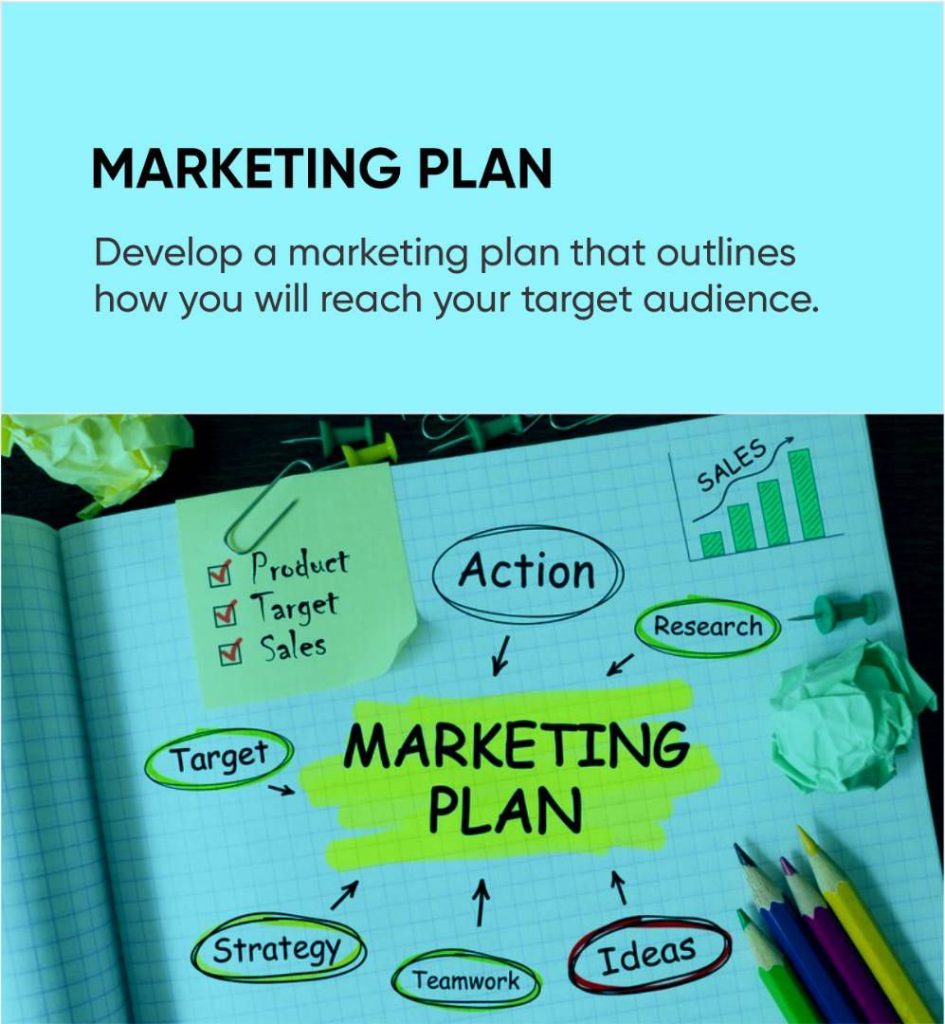
3. Marketing Plan: The marketing plan outlines how you will reach your target audience and promote your business. It should include a description of your target audience, the channels you will use to reach them, and your marketing budget.
4. Financial Plan: The financial plan includes your startup costs, projected income, and expenses. It should include a budget for your startup costs, as well as projections for your income and expenses over the next several years.
5. Legal Structure: The legal structure of your business will depend on your goals, industry, and other factors. You may need to obtain licenses and permits, register your business, and comply with other legal requirements.
6. Management Plan: The management plan outlines the roles and responsibilities of your team. It should include an organizational chart, job descriptions, and an overview of your management team.
7. Timeline: The timeline outlines your goals and milestones. It should include a timeline for your startup, as well as projections for your growth and expansion over the next several years.
Networking for entrepreneurs is the process of building relationships with other professionals in order to grow your business. It involves attending events, meeting new people, and fostering connections with others who can offer support, advice, and opportunities. The goal of networking is to expand your circle of contacts and build a community of people who can help you achieve your business goals.
Here are some tips for entrepreneurs looking to network and build business relationships:
Attend networking events: Networking events are a great way to meet new people and expand your network. Look for events that are relevant to your industry or interests.
Be authentic: People can tell when you’re not being genuine. Be yourself and focus on building real relationships with people.
Listen actively: Listening is an important part of building relationships. Ask questions and show a genuine interest in what others have to say.
Offer value: Building relationships is a two-way street. Look for ways to offer value to the people you meet, whether it’s through sharing your expertise or making an introduction.
Follow up: After meeting someone, make sure to follow up with them. Send a personalized message and look for ways to stay in touch.
Leverage social media: Social media can be a great tool for networking. Connect with people on LinkedIn and Twitter, and look for opportunities to engage with them.
Join a community: Joining a community of like-minded entrepreneurs can be a great way to build relationships and get support. Look for groups on LinkedIn or Facebook, or join a local business association.
Information and ideas about product development and innovation
Product development involves researching, designing, testing, and launching a new product or improving an existing one. Innovation involves introducing new ideas, methods, or products that can lead to new markets, increase efficiency, or improve existing products. Some examples of innovation include creating a new product, improving an existing product, or developing a new process to produce products more efficiently.
We will be explaining in details the key points :
1. Focus on creating solutions to problems that people face in their daily lives:
By identifying a problem that people face in their daily lives, you can create a product that solves that problem and makes their lives easier. This can be a great way to differentiate yourself from the competition and create a product that has real value for your target audience.
2 Look for opportunities to improve existing products or services by making them more efficient user-friendly, or cost-effective:
Sometimes, the best way to innovate is to take an existing product or service and find ways to make it better. This could involve streamlining the user experience, reducing costs, or adding new features that make the product more valuable to users.
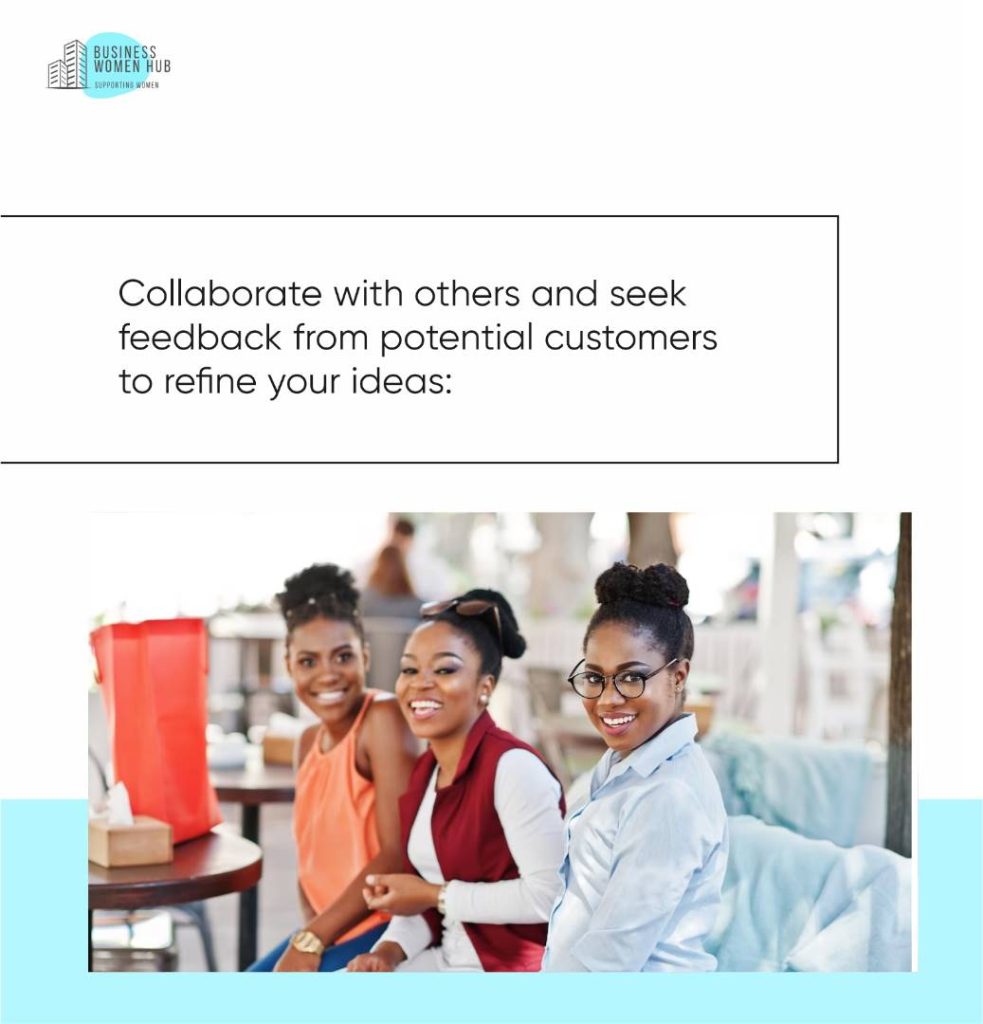
3 Collaborate with others and seek feedback from potential customers to refine your ideas:
Collaboration and feedback are essential to the product development process. By working with others and seeking feedback from potential customers, you can refine your ideas and create a product that better meets the needs of your target audience.
4. Stay up-to-date with the latest trends and technologies in your industry:
Staying up-to-date with the latest trends and technologies in your industry . It can help you identify new opportunities and stay ahead of the competition. This could involve attending industry events, reading industry publications, or following thought leaders on social media.
5. Conduct thorough market research to understand your target audience and their needs:
Conducting thorough market research is essential to creating a product that meets the needs of your target audience. This could involve surveys, focus groups, or other research methods to gain insights into your target audience’s needs, preferences, and pain points.
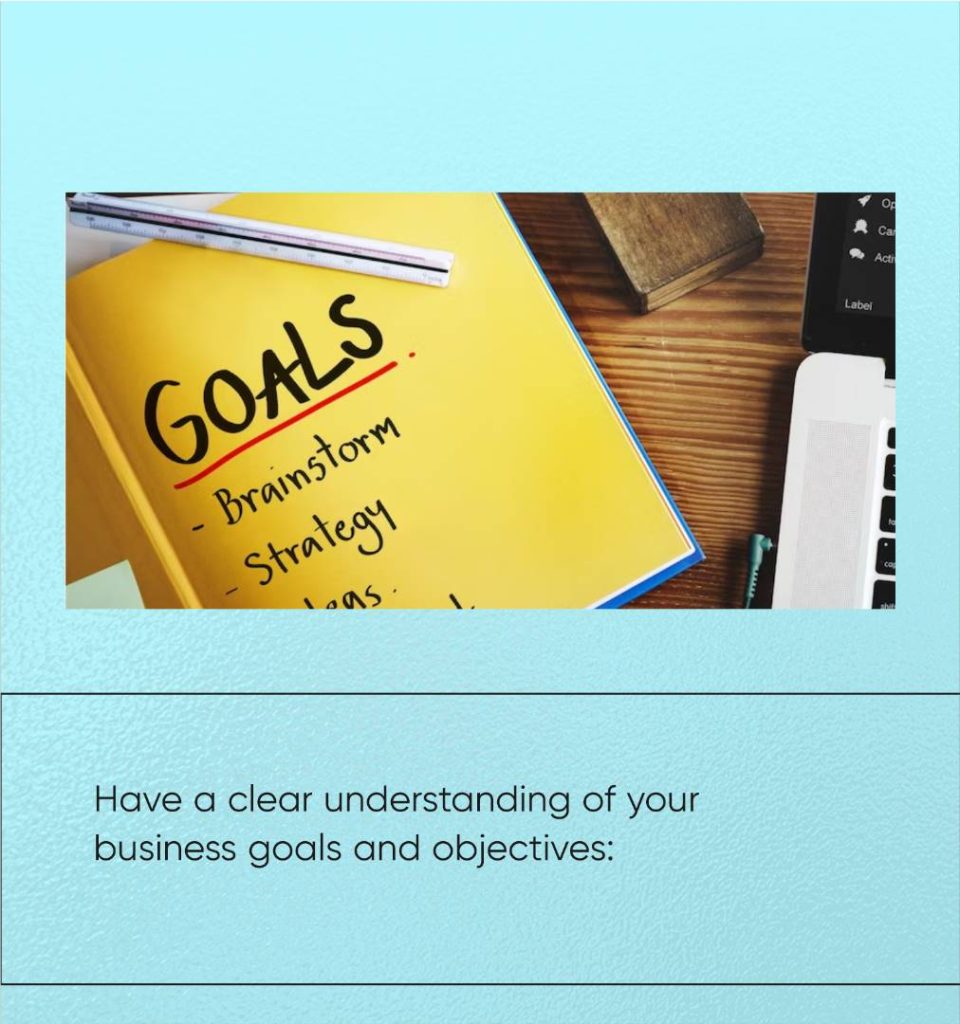
6. Have a clear understanding of your business goals and objectives:
Having a clear understanding of your business goals and objectives is essential to creating a successful product. This could involve setting specific goals for revenue, customer acquisition, or other key metrics, and creating a plan to achieve those goals.
How to improve your financial performance as a business owner
Financial management is a critical aspect of running a successful business. Here are some ideas to help entrepreneurs improve their financial management skills:
1. Develop a budget and stick to it. A budget is a plan that outlines your income and expenses for a set period of time. By developing a budget, you can identify areas where you can cut costs and increase revenue.
2. Keep accurate financial records. Accurate financial records are essential for making informed business decisions. Make sure you are keeping track of all income and expenses, and that you are separating your personal and business finances.
3. Understand your cash flow. Cash flow is the amount of cash coming in and going out of your business. It’s important to understand your cash flow so that you can make informed decisions about when to invest in your business and when to cut costs.
4. Monitor your financial ratios. Financial ratios are a way to measure the financial health of your business. Some common ratios to monitor include the current ratio, debt-to-equity ratio, and profit margin.
5. Work with a financial advisor. A financial advisor can provide valuable advice and guidance on financial management and accounting. They can help you develop a financial plan, monitor your financial performance, and make informed decisions about your business.
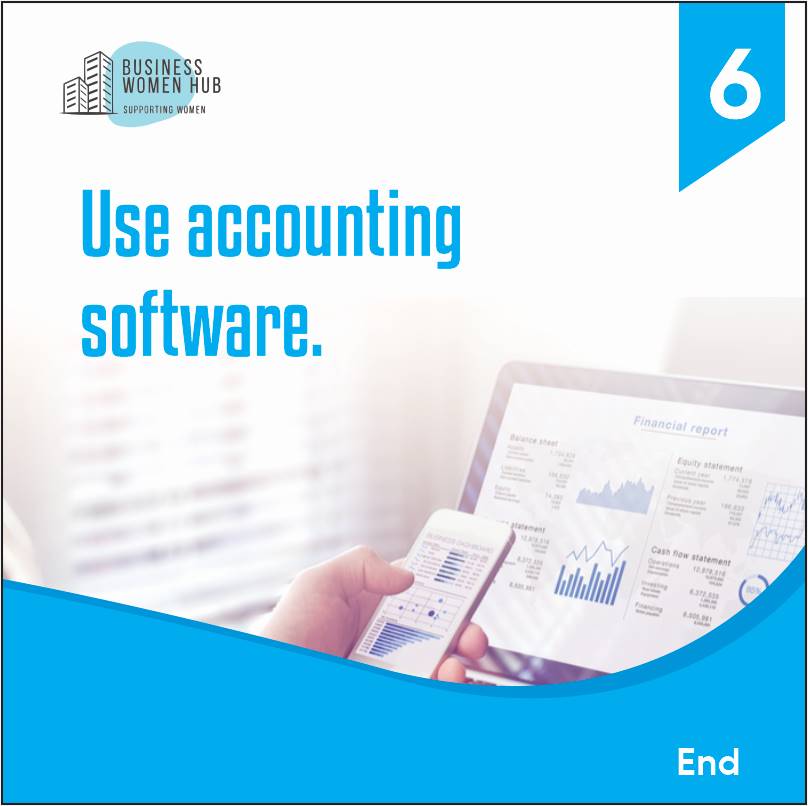
6. Use accounting software. Accounting software can help you keep track of your finances, generate financial reports, and manage your cash flow. Popular accounting software options include QuickBooks, Xero, and Fresh Books.
By focusing on these areas of financial management, entrepreneurs can improve their financial performance and increase the likelihood of long-term success.
Google’s proprietary tools that can help you boost your results for free .
Use Google’s tools for business
These days, businesses working towards improving their professional online image and visibility in search results have a lot of Google My Business tools to choose from. A wealth of free and paid software is already available, and new solutions are being created every day. But sometimes simple is best – that’s why we will start with Google’s proprietary tools that can help you boost your results for free.
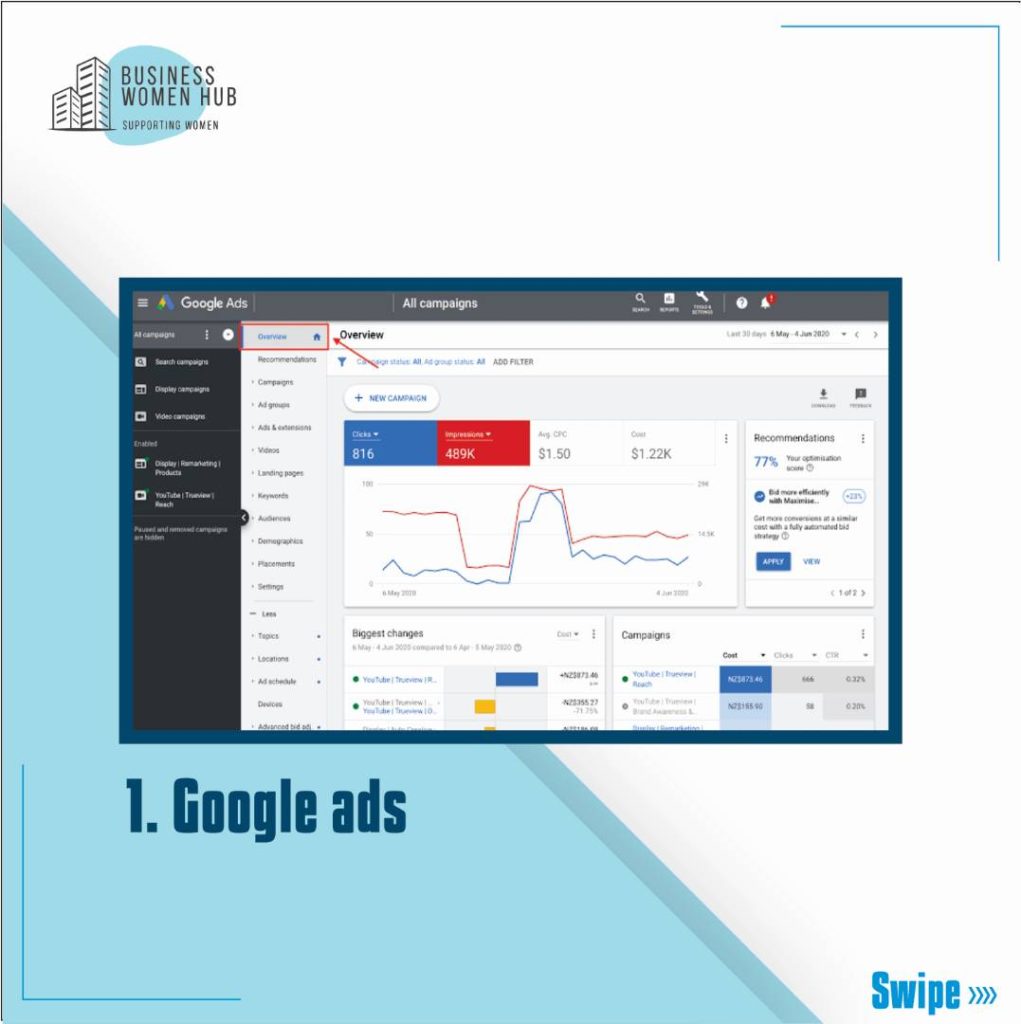
1.Google Ads
Google offers one of the most powerful online marketing tools on the market: Google Ads. This complex advertising system with advanced targeting options will help you reach customers all around the web including Google partners’ websites, YouTube, and, perhaps most importantly, Google ’search results.
2.Google Reviews
Regardless of what you’re selling, customers and prospects will eventually try to contact you about your products or services. And, in the name of great customer service, the best thing you can do is to make it easier for them to reach you.
The first good practice here is to stay connected to your customers by keeping your GMB reviews section alive. Interact with them by replying to their reviews no matter if they’re positive or not. This way you’ll show that you care about what people say about your business and that you acknowledge and act on your customers’ feedback.
Remember that people rely on ratings when deciding on where and how they will spend their money. That’s why it’s crucial to list your products on Google Shopping and encourage users to leave Google shopping reviews.
3. Keyword Planner
Whether you advertise your business through a website, blog, or other forms of content, search engine optimization is definitely one of the most important components of a successful online marketing strategy. You don’t need to become an expert right away as SEO is a complex field of digital marketing. Luckily, Google provides some great tools to make your life easier here. Use them while preparing content for your website to make it more discoverable.
To do so effectively, you’ll need to optimize the copy of your website, publish meaningful blog posts, and so on. Weaving in keywords relevant to your niche and to the search phrases your target audience uses to find businesses similar to yours is a great practice.
4. Google Analytics
Google Analytics is yet another powerful tool among Google’s numerous products. If you want to grow your business, it is essential that you measure your results and draw conclusions. This process enables you to come up with countermeasures whenever something’s not going as planned and make improvements.
Google Analytics is able to measure the results of your website, mobile app, online store, social media channels, and more. The best thing here is that when you get comfortable using it, you can set up pretty advanced measurements, including cross-platform, user-centric analytics. Proficiency in Google Analytics comes with access to a world of insights that, when skillfully used, can lead to serious improvements to your digital ROI.
5. Google Trends
Getting attention for your business on the internet is about being where your audience is. To achieve that, you don’t need to spend hours digging through online forums and relevant threads on social media. Meet Google Trends, your new assistant for researching trending topics.
Google Trends analyzes all of the searches Google users perform and displays summaries in easy-to-read forms like diagrams and heat maps. Thanks to that you can not only see what is trending on the internet in a certain period of time but also check how frequently phrases connected to your business are searched.
How to Find the Right Balance in Business Partnerships
Compromising vs. Standing Your Ground
Business partnerships can be a key driver of success, but navigating the delicate balance between compromising and standing your ground can be challenging.
In today’s competitive business landscape, finding the right equilibrium is crucial for sustainable and profitable partnerships.
Here are some insights on how to strike the right balance between compromising and standing your ground in business partnerships.
The value of compromising in collaboration
Compromise is an essential element of successful partnerships. It fosters collaboration and teamwork, allowing partners to work together towards a common goal.
When partners are willing to compromise, they can find creative solutions to challenges and make decisions that benefit the partnership as a whole. However, compromise does not mean sacrificing your core values or principles.
It’s important to establish clear boundaries and understand what you are willing to compromise on without compromising your integrity or the long-term success of the partnership. Here’s how:
Effective communication: Effective compromising
Clear and open communication is vital in business partnerships. It enables partners to express their concerns, ideas and perspectives openly and honestly. Effective communication helps partners understand each other’s viewpoints and find common ground for compromise.
It’s important to establish regular channels of communication, set expectations and create a safe space for open and honest discussions. Active listening and empathy are also crucial skills for effective communication, as they build trust and mutual understanding.
Embrace flexibility and adaptability
Flexibility and adaptability are essential traits for successful business partnerships. Markets and industries evolve rapidly, and partners need to be open to change and willing to adapt their strategies and plans accordingly.
Being flexible and adaptable allows partners to respond to new opportunities and challenges proactively. It’s important to be open to feedback, learn from mistakes and be willing to adjust plans and strategies as needed.
Flexibility and adaptability foster a collaborative environment where partners can work together to navigate changing business landscapes.
Standing your ground and upholding convictions for the long-term
While compromise is essential in partnerships, it’s also important to know when to stand your ground.
Upholding your convictions and staying true to your core values are crucial for the long-term success of the partnership. It’s important to have a clear understanding of your non-negotiables and communicate them to your partners. Be firm and assertive in defending your convictions, but also be open to constructive feedback and differing perspectives.
Finding a balance between standing your ground and compromising requires discernment and strategic thinking.
Make strategic decisions by balancing conviction and flexibility
Strategic decision-making is a delicate balance between conviction and flexibility. It’s important to stay true to your convictions while being open to feedback and new ideas.
Avoid making impulsive decisions based solely on emotions or personal biases. Instead, base your decisions on data, market trends and strategic planning.
Be willing to reconsider your stance if new information emerges, but also hold firm to your convictions when they align with the long-term success of the partnership.
Establish boundaries and know your non-negotiables
Setting clear boundaries is critical in business partnerships. Identify your non-negotiables, which are the principles or values that you are unwilling to compromise on.
It could be ethical standards, financial goals or long-term vision for the partnership. Clearly communicate these boundaries to your partners, and ensure they are respected.
Boundaries help partners understand each other’s limits and foster mutual respect, which is essential for a healthy and sustainable partnership.
Strategies for Generating High-Quality Leads Through Social Media
Select the right social media channel(s).
Before you get started with the specific tactics and strategies that can lead to getting tons of new leads into your sales funnel, make sure that the social media channel you are pursuing is ideal for your business.
Generate leads with LinkedIn.
Since LinkedIn is the platform that generates the most leads, it’s a natural place to start. Given the company’s recent acquisition by Microsoft, even more professionals will be networking and connecting on this platform.
And that makes sense.
Directly connect with potential leads, and offer free samples.
One of the hardest parts of Business to business marketing is that you often have to go through gatekeepers whose job is to keep people like you (translation: anyone trying to sell anything ever) away from the boss.
LinkedIn can help with this issue. It lets you walk right past the gatekeepers and into the lion’s den. Just make sure that you have a high-quality sample or presentation ready to show when you get there.
Use Slideshare.
Since Slideshare was recently purchased by LinkedIn, you now have the opportunity to use it to your advantage.
With Slideshare, you can create high-quality slide decks that offer industry insights and other relevant data to your consumers, to drive leads to your sales funnel. Just be sure to link your account with LinkedIn, and always include a call to action at the end of the slide.
Run contests and giveaways. People love competitions and free stuff, so these are absolutely some of the best ways to generate leads with Facebook. Depending on your industry, you could run a book or coaching give-away, an advertising or copywriting contest or any number of other things. Anything you can think of that will get people to willingly and happily put their name and email into the Call to action box will only serve you well
Generate leads with Twitter.
Twitter is still a relatively new player in the game, and depending on how its business fares in the next couple of years, this social media company may end up experiencing some massive changes.
However, it is still one of the most used social platforms available, and if you really want to crush it with lead generation, then learn how to use Twitter with strategies like the following:
Use Twitter cards. Twitter cards are lead-generation tools quite similar to the Facebook ads that have become quite infamous over the past three years. As you do with Facebook ads, be sure to take full advantage of Twitter cards by using images that stimulate the human brain and spark emotion; pair them with copy that is short and sweet.
Run live events. Hosting a regular AMA (ask me anything) on Twitter Chat is a great way to connect with your audience, and if you end your chat with a plug for your company or a CTA, this option will help you offer tremendous value without directly advertising your company.
With all these challenges, it’s important to put systems in place to help you manage your workload and stay on track. Running a business is challenging in the long term, but there are particular stresses associated with starting up that may level out over time. So, when you are getting started, consider the following strategies to help you maintain motivation amid hurdles.
1. Set goals:
Make sure you use the SMART method when setting goals so that you make specific and achievable targets. SMART stands for Specific, Measurable, Achievable, Relevant and Time-Bound. This structure can help you stay focused and on track.
2. Track your progress:
Check in at various milestones to measure how far you’ve come beyond just income and earnings. Have you acquired more clients this month than last, sold more items, or increased your average order value? Tracking various metrics will help you see your strengths and accomplishments.
3. Get inspired:
Consume media and content that excites you and find leaders who inspire you. Listen to podcasts, read books and watch videos that can teach you how to look at your challenges in a new way and expand your understanding of your business and yourself.
4. Upskill:
Keep improving your skills and learning new ones to add additional value to your business operations. If you still need to hire a whole team to cover tasks that need to be done, you will need to learn to do them yourself. Brush up on your marketing, Excel, accounting, or sales skills to elevate the part of your currently lagging business.
5. Visualize success:
It’s vital to create a strong mental picture of what success looks like for you. Make a vision board, keep a journal and return to these things when you’re feeling unmotivated.
6. Create a motivating workspace:
Surround yourself with an atmosphere that promotes inspiration. Motivational quotes, pictures, or just things that make you happy can help you achieve this. Keep your workplace clean and free of clutter that could contribute to stress.
Often, SMBs create email marketing campaigns with (at best) poorly defined goals, like “increase the awareness of a new product.”
While you may be able to track things like impressions, does that really determine the awareness you have created around the product?
Email marketing campaigns must be directed toward a specific, measurable outcome, like generating new leads, improving conversion rates and growing a subscriber list.
Failure to properly define and track email campaign goals can lead to missed opportunities and uninformed decision-making down the line.
While each email campaign will require teams to track certain goal-specific metrics, there are important metrics that should be tracked in pretty much every marketing campaign.
. 1. CLICK–THROUGHRATE
This is the percentage of recipients who click on one or more links in your email. Many email marketers obsess over email open rate, but the open rate can be a misleading statistic. It is hardly a success if recipients simply open your email without clicking through to the website, white papers or other call-to-actions (CTAs) you provided. CTR gives teams a much better understanding of how compelling their content was to the recipient.
2. CONVERSION RATE
The conversion rate of your email campaign takes the analysis a step further, indicating how many recipients both clicked on an email link and completed the desired action (trialing a product, completing a survey, filling out a form). Conversion rate is one of the most important metrics to track because it directly relates to the campaign goal.
Whether you want recipients to sign up for a mailing list or watch a product video, conversion rate effectively measures how engaging and persuasive your email marketing content is.
SIMPLIFYING EMAIL MARKETING MERTICS
One way to organize email marketing metrics and streamline analysis is by integrating email marketing tools with CRM software.
Utilizing CRM with email marketing allows teams to easily access contact information, leave notes or update customer history directly in their contact information and, most importantly, to build targeted email lists.
By integrating email marketing with CRM, teams can optimize an end-to-end email marketing campaign, from building the audiences to gathering and analysis of key metrics, all from a single platform.
This eliminates the need to transfer data from one solution to another — which increases the chances of lost or overlooked data — and creates a centralized view of the entire email marketing campaign.
Keep winning!
Activity
Activity
Share & Earn with
Welcome to Business Women Hub Rewards!
You're now part of our rewards program! Start earning points and rewards with every purchase.