Posted on Leave a comment

Building a Simple Sales Page That Converts: Clarity Over Complexity

In a world where everyone is shouting for attention, simplicity is your competitive advantage. Many women overcomplicate their sales pages because they believe “more” means “more convincing.” More words. More design. More sections. More details.
But here’s the truth: A simple, clear sales page converts better than a complicated one.

Your sales page has one job: to move your reader from interest to decision. Not to impress. Not to overwhelm. Not to prove how much you know.
This week, we’re building with intention, not pressure. Let’s break it down step by step.

Simplicity Sells, Clarity Converts

When someone lands on your sales page, they should instantly understand: What this is, Who it’s for, and What result they’ll get. If they have to “figure it out,” you’ve already lost them.

Here’s where to start:

  • Start with One Clear Offer: one page. One goal. One transformation. Don’t stack multiple offers or try to solve five different problems at once.
  • Lead with the Result: What will your buyer walk away with?
    Lead with that, not your background story. Results create momentum.
  • Speak Directly to your Ideal Client: Use their language, not industry jargon. If they wouldn’t say it that way, don’t write it that way.
  • Remove Distractions: Too many links, images, pop-ups, or side offers weaken your message. Focus their attention on one decision.
  • Choose Clarity Over Creativity: If it’s clever but confusing, remove it. If it’s clear and simple, keep it.

Remember: Confused people don’t buy. Clear messaging creates confident buyers. Build simple. Build intentionally. Build to convert.

Structure Creates Confidence

A powerful sales page follows a structure, not chaos. When your reader lands on your page, they should feel guided, not overwhelmed. Structure builds trust. Trust builds sales.

Here’s a simple framework you can use:

  • Headline: Clearly state the transformation or promise. What will change after they buy?
  • The Problem: Show that you deeply understand their struggle. Name what frustrates them. Reflect their reality.
  • The Solution: Introduce your offer as the bridge between where they are and where they want to be.
  • The Benefits: What changes after they buy? Paint the picture. Help them see themselves on the other side.
  • What’s Included: Outline exactly what they’re getting. No guessing.
  • Proof: Testimonials, results, case studies, or credibility markers. Proof removes doubt.
  • Clear Call to Action: Tell them exactly what to do next.
    “Enroll Now.”
    “Book Your Spot.”
    “Get Instant Access.”

A simple structure removes confusion and increases confidence, for both you and your buyer.

Sell the Transformation, Not the Features

Your audience is not buying: Modules, worksheets, videos, templates. They are buying a result.
Instead of listing features like this:

  • 6 training videos
  • 3 templates
  • 2 live sessions

Shift it to this:

  • Build a sales system that works for you
  • Save hours of guesswork
  • Attract clients consistently
  • Gain clarity and confidence in your offer

See the difference?
Features describe.
Benefits persuade.
Transformation converts.

Here’s how to refine your messaging:

  • Turn every feature into a benefit
  • Show the “before and after” transformation
  • Use emotional triggers (relief, confidence, freedom, growth)
  • Address objections before they ask
  • Keep your tone conversational and relatable

People don’t buy information. They buy outcomes. When you sell the transformation, your page becomes persuasive, without pressure.

Refine for Results: Test, Tweak, Improve

Your first sales page does not have to be perfect. It needs to be live. Perfection delays growth. Data creates growth.

Once your page is published:

  • Review where people drop off
  • Simplify sections that feel heavy
  • Strengthen your call-to-action
  • Add testimonials as you receive them
  • Improve headlines based on engagement

Ask yourself:

  • Is this clear?
  • Is this compelling?
  • Is this necessary?

✨ A simple sales page that is refined consistently will outperform a “perfect” page that never launches.
Done builds data.
Data builds direction.
Direction builds sustainable success.

Final Thoughts: Build With Intention

You do not need a complicated funnel to start making sales. You need clarity. Structure. Confidence. A simple sales page built with intention can: Position you as an authority, build trust with your audience, convert consistently, and grow with your business.

Keep building.
Keep refining.
Keep selling with intention.

Because simplicity doesn’t weaken your message, it strengthens it.

Posted on Leave a comment

Delegation: The Power of Letting Go Without Losing Control

In business, especially for women building and nurturing their own brands, the instinct to “do it all” can feel natural. You answer every message, approve every design, manage every payment, and oversee every process. While this level of involvement may come from passion and dedication, it can quietly turn into exhaustion and limitation.

Delegation is not about stepping back from your business; it is about stepping up as a leader. It is the intentional decision to release certain responsibilities so you can focus on the vision, growth, and sustainability of what you are building. True success is not measured by how much you personally handle, but by how effectively you build systems and people around you.

Below is a practical four-part guide to knowing when and how to delegate without losing your authority or direction.

You Don’t Have to Do Everything

Many women in business carry the full weight of their brand on their shoulders. From client communication to content creation, finances, and operations, it can feel like you must be everywhere at once. But leadership is not about constant activity; it is about intentional focus.
Delegation is not a weakness. It is wisdom.

Reminders to embrace this shift:

  • Identify your high-value tasks: Focus on what truly requires your expertise, creativity, and decision-making power.
  • Accept your limits: You are capable, but you are also human.
  • Shift from operator to leader: Your responsibility is to guide the direction, not grind through every detail.
  • Release control gradually: Start with smaller tasks and build trust over time.
  • Redefine productivity: Being busy is not the same as being effective.

You did not build a business to become trapped inside it. Letting go of the pressure to do everything allows you to fully step into your role as a visionary and leader.

When to Delegate

Timing is crucial. Delegating too late leads to burnout, while delegating too early without structure can create confusion. The key is recognizing the signs that it is time to share responsibility.

Clear signals it’s time to delegate:

  • Tasks are repetitive and draining your energy.
  • Growth feels overwhelming instead of exciting.
  • The quality of your work begins to drop due to overextension.
  • Opportunities are missed because you lack time.
  • Your focus shifts from long-term strategy to daily survival.

If your business depends entirely on your personal energy, its growth will always have a ceiling. Delegation creates room for expansion, innovation, and sustainability.

How to Delegate Effectively

Delegation is not dumping tasks; it is transferring responsibility with clarity and confidence. The goal is not just to get help, but to build capability around you so your business becomes stronger and more resilient.

Ways to delegate with impact:

  • Choose the right person: Match skills to tasks, not convenience.
  • Communicate expectations clearly: Define outcomes, deadlines, and quality standards.
  • Provide resources: Tools, information, and access empower people to perform well.
  • Trust the process: Avoid micromanaging; guide rather than hover.
  • Give feedback: Both recognition and correction help teams grow.

When delegation is done well, assistance turns into partnership. People stop merely completing tasks and start contributing meaningfully to growth.

Let Go Without Losing Control

Letting go does not mean disappearing. It means leading differently. Strong leaders stay informed without being entangled in every minor detail. Oversight is necessary, but overcontrol slows progress and discourages initiative.

Maintaining balance while delegating:

  • Set clear systems: Structure reduces dependency on you alone.
  • Schedule check-ins instead of constant monitoring.
  • Measure results, not just effort.
  • Empower decision-making within defined boundaries.
  • Celebrate shared wins: Success is a collective achievement.

Delegation is not about losing control; it is about multiplying your impact. When you release tasks strategically, you gain time, clarity, and the freedom to focus on the bigger picture, the very reason you started your business in the first place.

In the end, the most successful leaders are not those who do everything themselves, but those who build environments where many capable hands and minds move the vision forward together.

Posted on Leave a comment

Turning Connections Into Clients: A 4-Day Guide to Growing Your Business Through Relationships

In business, success isn’t just about selling, it’s about connecting. Every client you gain starts as a connection, a relationship built on trust, value, and genuine care. This week, we’re exploring how to turn connections into clients, guiding you through practical steps to grow your business authentically and sustainably.

Relationships Before Revenue

People don’t just buy products or services; they buy trust, confidence, and connection. Many entrepreneurs rush straight to selling, but lasting client growth begins with nurturing real relationships. Shift your mindset from “Who can I sell to?” to “Who can I serve and connect with?”

Here’s how to build relationships that naturally lead to clients:

  • Be genuinely interested: Ask questions, listen actively, and remember the details.
  • Offer value first: Share insights, resources, or support without expecting immediate returns.
  • Show consistency: Regular visibility builds familiarity, and familiarity builds trust.
  • Personalize interactions: People remember how you make them feel, not just what you say.
  • Follow up thoughtfully: A simple check-in can open unexpected doors.

Remember: Strong businesses are built on strong relationships. When connection comes first, conversion follows naturally.

Communicate Your Value with Confidence

Connection alone is powerful, but clarity turns conversations into opportunities. People need to understand what you do, who you help, and the results you deliver.

Here’s how to communicate your value effectively:

  • Refine your introduction: Clearly state who you are and what you offer in simple, compelling terms.
  • Highlight transformation: Focus on the results clients gain, not just the service you provide.
  • Use relatable language: Avoid jargon; speak in a way your audience understands.
  • Share proof: Testimonials, case studies, or past successes build credibility.
  • Practice confidence: When you believe in your value, others will too.

Remember: People don’t buy confusion, they buy clarity and confidence. The clearer your message, the easier it is for connections to become clients.

Create Opportunities for Engagement

Connections rarely convert by accident; they turn into clients through intentional engagement. You need to create spaces and moments where people can experience your expertise firsthand.

Here’s how to turn passive contacts into active prospects:

  • Host conversations: Webinars, live sessions, or small group discussions build trust quickly.
  • Invite interaction: Ask questions, run polls, or request opinions on your platforms.
  • Provide mini-experiences: Free consultations, samples, or demos showcase your quality.
  • Be accessible: Make it easy for people to reach you and ask questions.
  • Stay visible: Regular content keeps you top-of-mind.

Remember: Visibility creates familiarity, but engagement creates commitment. The more people interact with your brand, the more comfortable they become saying “yes.”

Convert with Care, Not Pressure

Turning connections into clients isn’t about aggressive selling; it’s about guiding people toward solutions they already need. When trust is established, conversion should feel natural, respectful, and mutually beneficial.

Here’s how to close with confidence and authenticity:

  • Listen for readiness: Pay attention to signals that show interest or urgency.
  • Present solutions, not sales pitches: Focus on how you can help, not just what you offer.
  • Address concerns calmly: Questions are opportunities to reassure, not obstacles.
  • Make the next step clear: Tell them exactly how to proceed.
  • Maintain the relationship: Continue nurturing the connection even after conversion.

Remember: The goal isn’t just to gain a client, it’s to build a lasting partnership. When you lead with empathy, clarity, and value, your network becomes your strongest source of growth.

Your Takeaway:

Turning connections into clients is a relationship-first approach. By prioritizing trust, communicating your value, creating engagement opportunities, and converting with care, you transform your network into a thriving client base, without ever feeling pushy.

Posted on Leave a comment

Sales Confidence for Women Entrepreneurs: Turning Belief into Bold Business Results

Sales is often one of the most uncomfortable parts of entrepreneurship for many women. Not because they lack talent or intelligence, but because selling can feel intimidating, awkward, or even pushy. The truth, however, is that sales confidence is not an inborn personality trait; it is a skill that can be learned, practiced, and mastered.

When women build confidence in sales, they unlock more than revenue; they unlock visibility, influence, and sustainable growth. Sales then stops feeling like pressure and starts feeling like purpose. Here’s how to intentionally grow sales confidence from the inside out.

Confidence Starts with Belief, Not Scripts

Sales confidence does not begin with memorizing the perfect pitch or copying someone else’s script. It begins with believing deeply in the value you bring to the table. Many women hesitate to sell not because they are unskilled, but because they question their worth, pricing, or expertise.
The shift begins internally. When you are convinced of your value, you no longer need to “convince” others; you simply communicate it.

Ways to strengthen your confidence from within:

  • Own your expertise: You are not “lucky” to be here; you are qualified.
  • Know your impact: Your product or service solves a real problem, and that matters.
  • Detach from rejection: A “no” is feedback, not a personal failure.
  • Speak with certainty: Stop apologizing for your offer.
  • Reaffirm your value daily: Self-belief is one of your most powerful sales tools.

People do not just buy products or services; they buy confidence, clarity, and conviction. When you trust what you sell, selling becomes an act of service, not a struggle.

Clarity Builds Confidence in Sales Conversations

Uncertainty is quickly felt in sales conversations. If you are unclear about what you offer, who it is for, or why it matters, potential clients will sense hesitation. Confidence thrives on clarity.
When you know exactly what you are selling and who you are selling to, conversations become calmer, more natural, and far more effective.

How to sell with clarity and ease:

  • Define your offer clearly: What specific problem do you solve, and how?
  • Know your ideal client: Speak directly to their needs instead of trying to appeal to everyone.
  • Articulate the outcome: What transformation should your client expect?
  • Simplify your message: Confusion kills sales; clarity builds trust.

  • Prepare talking points: Confidence increases when you are not guessing.

Clarity removes hesitation. The clearer you are about your offer, the more confidently you can invite others to say yes.

Practice Turns Confidence into Results

Confidence is not magic; it is repetition. The more you avoid selling, the more intimidating it becomes. The more you practice, the more natural it feels. Action is the bridge between fear and mastery.
Sales confidence grows when you show up consistently, even when it feels uncomfortable at first.

Ways to build confidence through action:

  • Start small: Practice selling in low-pressure environments.
  • Role-play conversations: Preparation reduces fear and uncertainty.
  • Follow up boldly: Silence does not always mean rejection; do not disappear.
  • Track your wins: Every inquiry, compliment, or sale counts.
  • Stay visible: Confidence compounds when you consistently show up.

Confidence is earned in motion. Every conversation strengthens your voice, courage, and business results.

Redefine Sales as Service, Not Pressure

Sales does not have to feel aggressive or manipulative. At its best, sales is simply an invitation, an opportunity for someone to accept a solution they genuinely need. The most confident women in business do not pressure; they guide.
When your mindset shifts from “I need to sell” to “I am here to serve,” selling becomes lighter and more authentic.

How to sell with integrity and ease:

  • Lead with empathy: Listen before you pitch.
  • Ask better questions: Understanding builds trust faster than talking.
  • Focus on helping, not convincing: Serve first, sell second.
  • Respect boundaries: Confidence never forces outcomes.
  • Stay authentic: You do not need to sound like anyone else to succeed.

Ethical, confident sales create long-term relationships, not one-time wins. When you approach sales as service, confidence flows naturally, and so do results.

Final Thought

Sales confidence is not about becoming louder, pushier, or someone you are not. It is about becoming clearer, more assured, and more aligned with the value you offer. When belief, clarity, practice, and service come together, selling stops being a hurdle and becomes a powerful pathway to growth.

Every woman entrepreneur deserves to sell with confidence, not just to increase revenue, but to fully own her voice, her value, and her vision.

Posted on 1 Comment

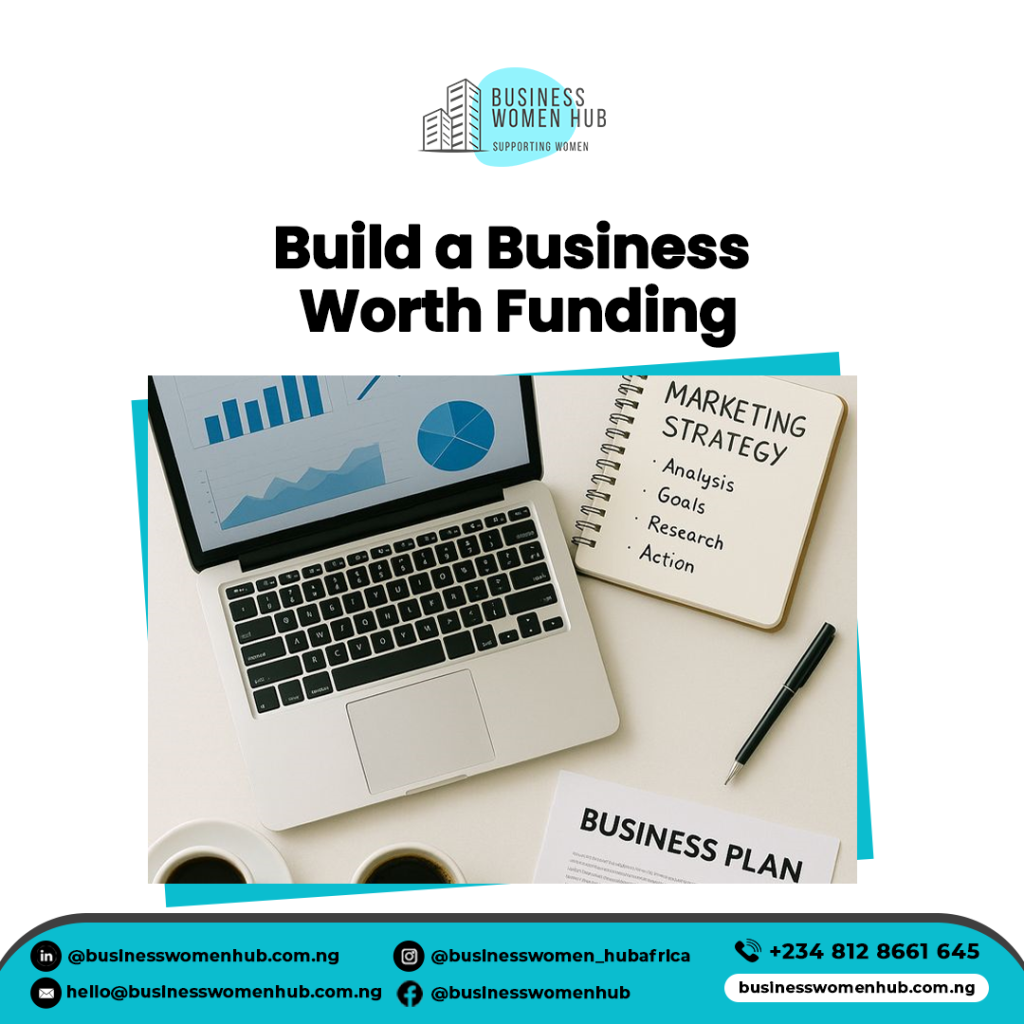
Preparing Your Business for Grants & Investors: How to Become Fundable, Not Just Hopeful

Securing grants or attracting investors isn’t just about having a brilliant idea; it’s about building a business that is ready for funding. Grants and investors don’t rescue weak structures; they amplify strong ones.

If funding is part of your growth plan, preparation is non-negotiable. From your systems to your story, every part of your business must signal clarity, credibility, and consistency.
Let’s break down what it truly takes to prepare your business for grants and investors.

Build a Business Worth Funding

Grants and investors don’t fund ideas in isolation; they fund viable, well-structured businesses. Before looking outward for capital, you must look inward and strengthen your foundation. Funding always follows clarity, credibility, and consistency.

Here’s how to start preparing your business for funding:

  • Clarify your business model: Be clear on how your business creates value and generates income.
  • Validate your solution: Funders back real problems with proven, working solutions.
  • Organize your operations: Serious businesses run on systems, not guesswork.
  • Separate business from personal finances: Financial discipline builds trust and transparency.
  • Document everything: Registrations, processes, and policies signal structure and readiness.

Remember: Funding doesn’t fix weak foundations, it amplifies strong ones. Before asking for money, ensure your business can handle growth and accountability.

Numbers Tell Your Business Story

Your passion may inspire, but your numbers convince. Grants and investors want clear, credible financials that show where your business is, where it’s going, and how funding will be used. When you understand your numbers, you speak the language of funding with confidence.

To strengthen your financial readiness:

  • Track income and expenses: Know your cash flow at all times.
  • Understand profitability: Revenue is important, but profit is powerful.
  • Prepare basic financial statements: Income statements, expense breakdowns, and projections matter.
  • Know your funding needs: Be specific about how much you need and why.
  • Show sustainability: Funders want businesses that can grow and survive long-term.

Remember: Unclear numbers create doubt. Clear numbers build confidence. When your finances make sense, your business becomes easier to trust and support.

Craft a Compelling Business Narrative

Funding decisions are both emotional and logical. Beyond the numbers, investors want to believe in your vision, your mission, and your leadership. Your story must connect purpose with profit. A strong pitch doesn’t just explain what you do, it explains why it matters.

Here’s how to shape a compelling business narrative:

  • Define the problem clearly: What gap are you solving, and for whom?
  • Highlight your solution: What makes your approach effective and unique?
  • Show impact: Share results, traction, or social and economic value.
  • Position yourself as the leader: Confidence, competence, and credibility matter.
  • Align with funder goals: Grants and investors support visions that match their priorities.

Remember: People invest in people before they invest in businesses. When your story is clear and authentic, your business becomes memorable and fundable.

Prepare for Due Diligence and Growth

Getting funding isn’t the finish line; it’s the beginning of a higher level of responsibility. Preparation shows that you’re ready to manage capital, scale wisely, and deliver results. Serious funders look for businesses that are growth-ready, not just opportunity-seeking.

To stay credible and investment-ready:

  • Organize your documents: Registrations, financials, and compliance records should be easily accessible.
  • Strengthen governance: Clear roles, accountability, and decision-making structures matter.
  • Plan for growth: Know how funding will help you scale sustainably.
  • Manage risk: Show awareness of challenges and how you’ll handle them.
  • Stay investment-ready: Preparation is ongoing, not seasonal.

Remember: Funding is a partnership built on trust, transparency, and preparedness. When your business is ready behind the scenes, opportunities meet you with ease.

Final Thought

Preparing your business for grants and investors isn’t about chasing money; it’s about building something worthy of investment. With the right structure, strong numbers, a compelling story, and consistent readiness, funding becomes a strategic next step, not a desperate hope. Build well. Prepare intentionally. Funding will follow.

Posted on Leave a comment

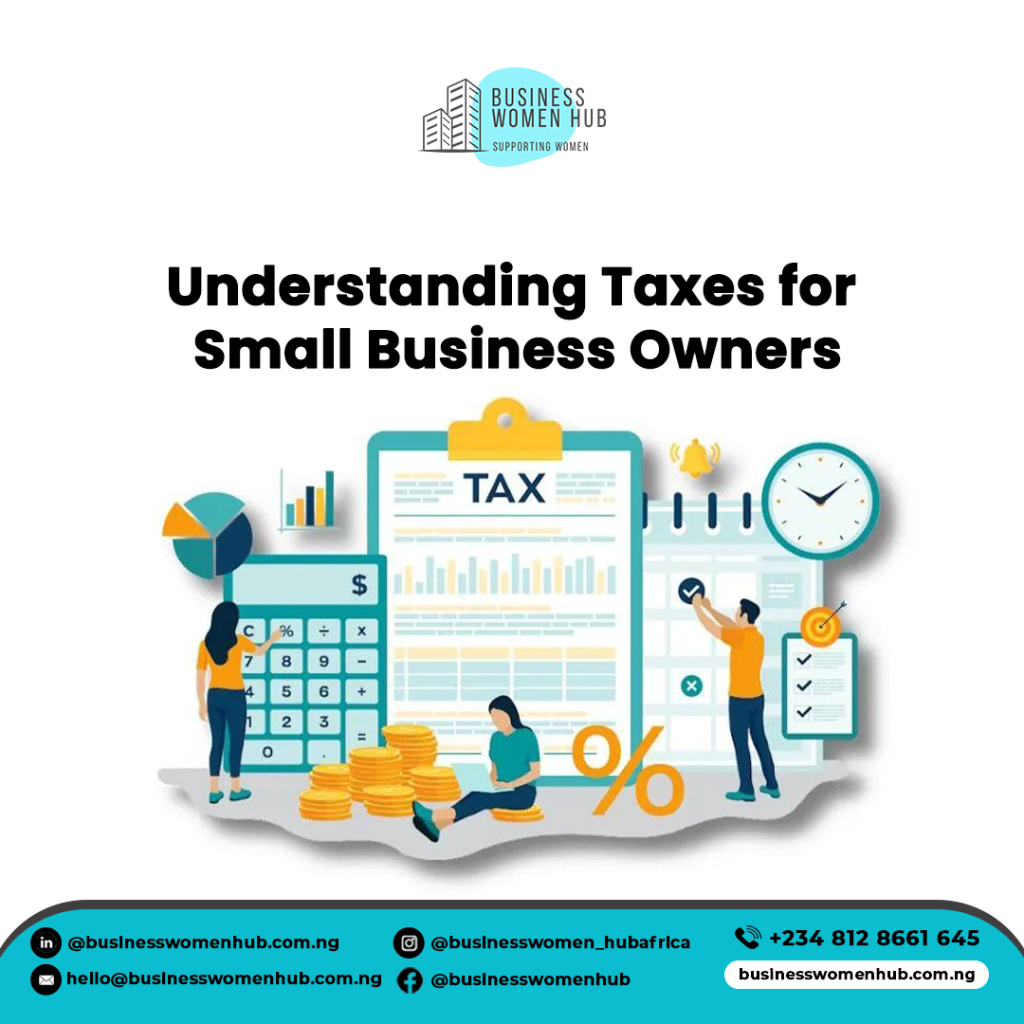
Understanding Taxes for Small Business Owners: How Tax Intelligence Can Power Your Growth

For many small business owners, the word tax often comes with stress, confusion, or fear. But here’s the truth: tax knowledge is not just about compliance, it’s about control, stability, and growth.

With the Nigeria Tax Act 2025/2026 reforms, the government has taken steps to simplify tax structures and offer significant relief to small businesses. However, these benefits only work for you if you understand the rules and act intentionally.

Let’s break it down into what truly matters for your business.

Tax Intelligence Is Business Power

Growing your business means understanding how tax laws apply to you, not avoiding them. Under the new tax reforms, many small businesses now enjoy exemptions and reliefs that can free up cash and reduce financial pressure.

Here’s what every small business owner should know:

  • Know your category: If your business has an annual turnover of ₦100 million or less, and fixed assets under ₦250 million, you may qualify as a small company under the law.
  • Enjoy tax reliefs: Eligible small companies may pay 0% Companies Income Tax, Capital Gains Tax, and Development Levy, a powerful advantage.
  • Formalization is key: To benefit, your business must be properly registered and have a Unified Taxpayer Identification Number (UTIN).
  • Compliance reduces risk: Knowing when and how taxes apply protects you from penalties and unexpected liabilities.

Intentional tax planning equals business stability and future growth.

Good Records Are Your Tax Superpower

The new tax law doesn’t only focus on rates; it emphasizes how businesses report and prove their numbers. Record-keeping is no longer “just admin,” it’s a strategic business tool.

To stay in control:

  • Organize daily: Keep records of revenue, expenses, receipts, invoices, and bank statements in one place.
  • Adopt digital tools: The reforms encourage digital tax filing and e-invoicing. Using accounting software early will save you stress later.
  • Separate finances: Always keep personal and business accounts separate for clarity and accuracy.
  • Understand VAT: Even if you’re exempt from Companies Income Tax, VAT may still apply to your invoices. Know when to charge VAT and when you can claim input VAT credits.
  • Review monthly: Regular check-ins help you catch issues early instead of scrambling during tax season.

Good records mean less stress and more opportunities to save.

Plan for Taxes, Don’t Just Pay Them

Taxes don’t have to be unpredictable. With the right planning, they become a manageable and expected part of your business journey.

Here’s how to stay ahead:

  • Forecast your obligations: Monitor your revenue trends to know whether you’ll remain under exemption thresholds or move into taxable territory.
  • Create a tax buffer: If growth is on the horizon, start setting aside a portion of profits now.
  • Know your deadlines: Even exempt businesses must file returns. Late filing can still attract penalties.
  • Track deductible expenses: Only properly documented business expenses reduce taxable profits.
  • Seek professional clarity: A single conversation with a tax professional can prevent costly mistakes.

Planning ahead transforms taxes from a burden into a business strength.

Compliance Builds Credibility and Growth

When your tax affairs are in order, your business becomes more credible and attractive to banks, partners, and investors. The Nigerian tax reforms reward consistency and formalization.

Here’s how compliance pays off:

  • File accurately and on time: Even when exempt, consistent filing shows reliability.
  • Grow smoothly: If your business outgrows the small business category, compliance ensures a seamless transition.
  • Access funding: Clean tax records are often required for loans, grants, and investments.
  • Stay informed: Tax laws evolve, and staying updated keeps your business protected.

Being tax-compliant is not a cost; it’s an investment in trust, growth, and opportunity.

Final Thought

Intentional tax knowledge is more than compliance; it’s part of your business success blueprint. When you understand the rules, keep good records, plan, and stay compliant, taxes stop being a fear and start becoming a strategic advantage.
Your business deserves that power. 💪

Posted on Leave a comment

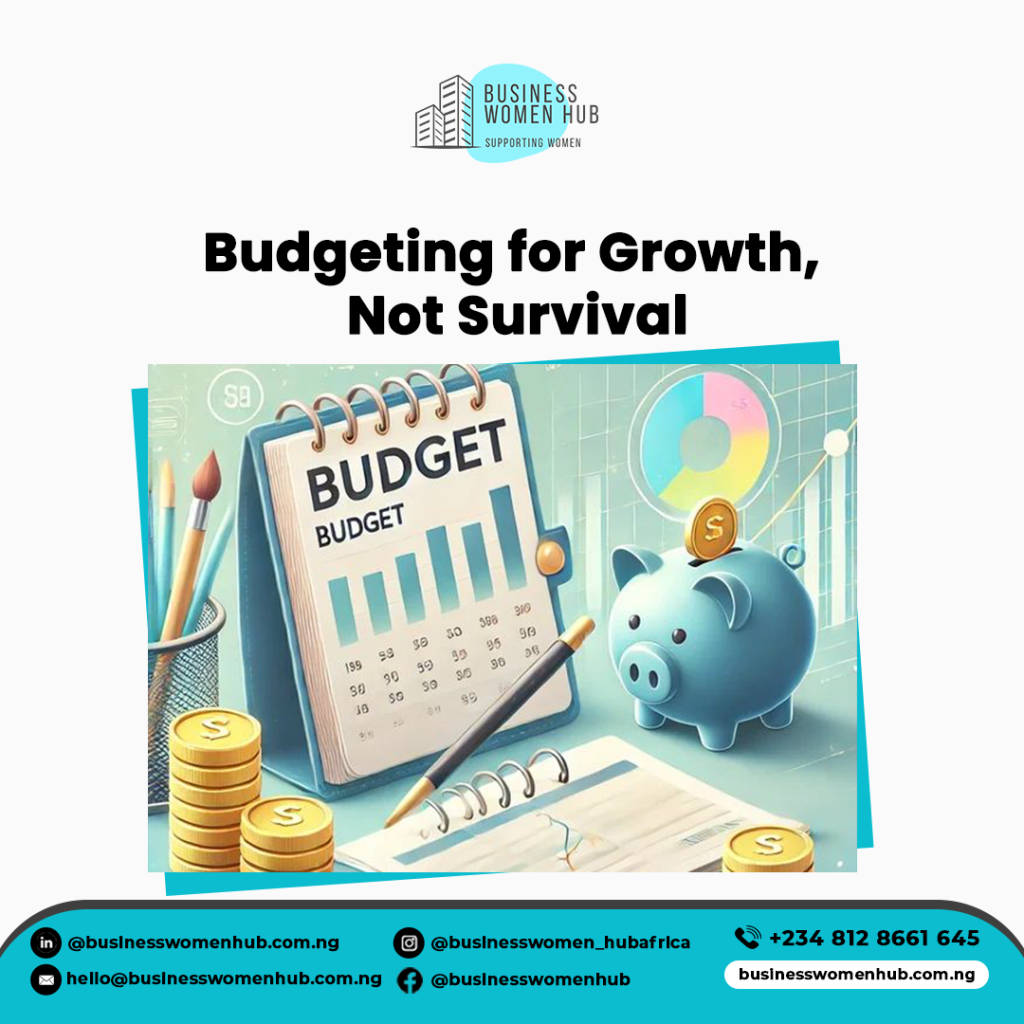
Budgeting for Growth, Not Survival: A Smarter Way to Use Your Money

For many women in business, budgeting has become a means of coping rather than a tool for building. We budget to pay bills, cover emergencies, and “manage till next month.” While this approach keeps the lights on, it often keeps our businesses stuck in a state of survival mode.

Growth requires a different mindset. Budgeting for growth is not about restriction; it’s about direction. It’s about telling your money where to go so it can support the future you’re intentionally building.

Let’s break down how to shift from survival budgeting to growth-focused financial planning.

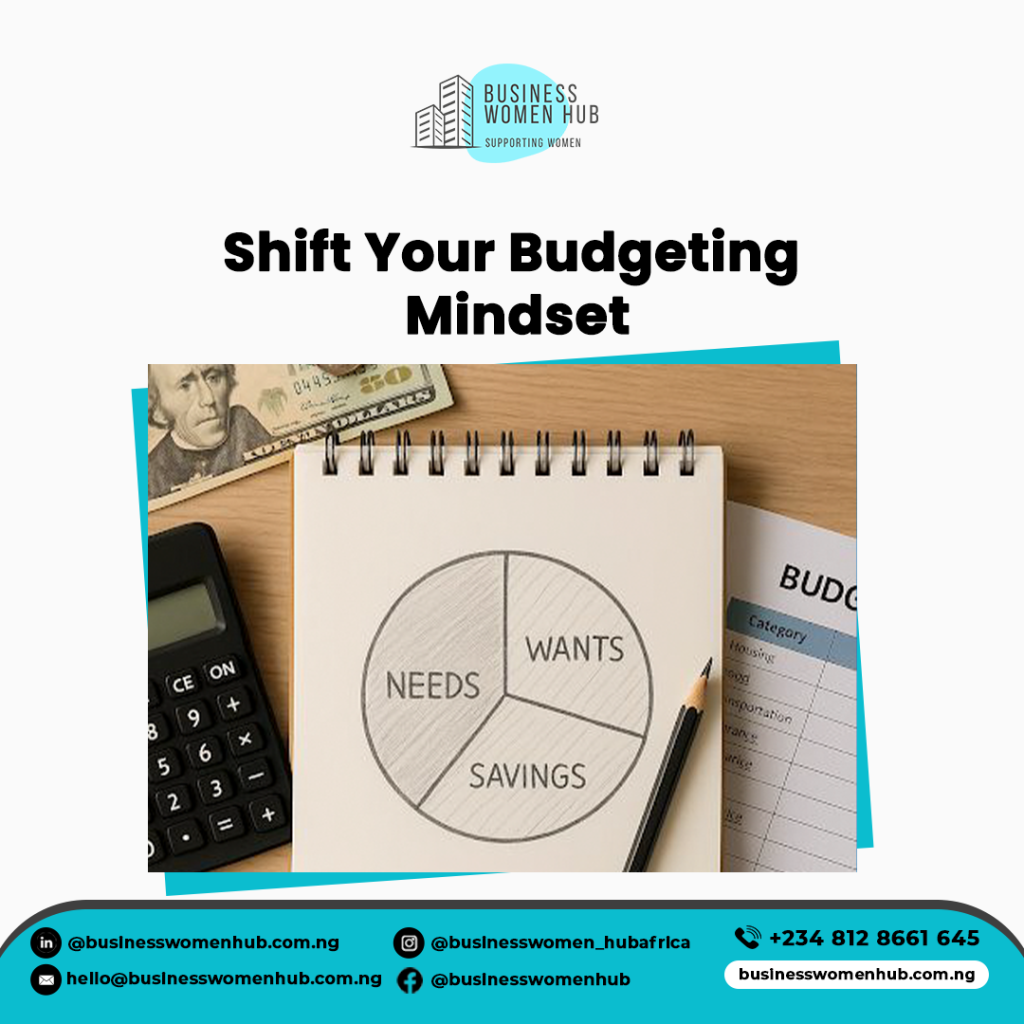
Shift Your Budgeting Mindset

Budgeting is not about restriction; it’s about direction.
Survival budgeting focuses on fear and short-term needs. Growth budgeting asks a more powerful question: What do I need to invest in to move my business forward this year? When you budget only to survive, your business stays reactive. When you budget for growth, your business becomes intentional.

To shift your mindset:

  • Stop budgeting only for bills and emergencies
  • Start budgeting with clear business goals
  • Define what growth looks like for you this year
  • Decide where your money should work harder

When you move from managing money to directing money, clarity follows.

Separate Survival Costs From Growth Investments

Not every expense contributes to growth. Survival costs keep your business running, while growth investments help it scale. Mixing the two often leads to spending without progress.
Survival costs include rent, basic tools, internet, and utilities.
Growth investments include marketing, training, branding, systems, and support.

To create clarity:

  • List your monthly survival costs
  • Identify areas of overspending
  • Create a separate category for growth investments
  • Be honest about what’s draining your business versus building it

Growth happens when progress is intentionally funded.

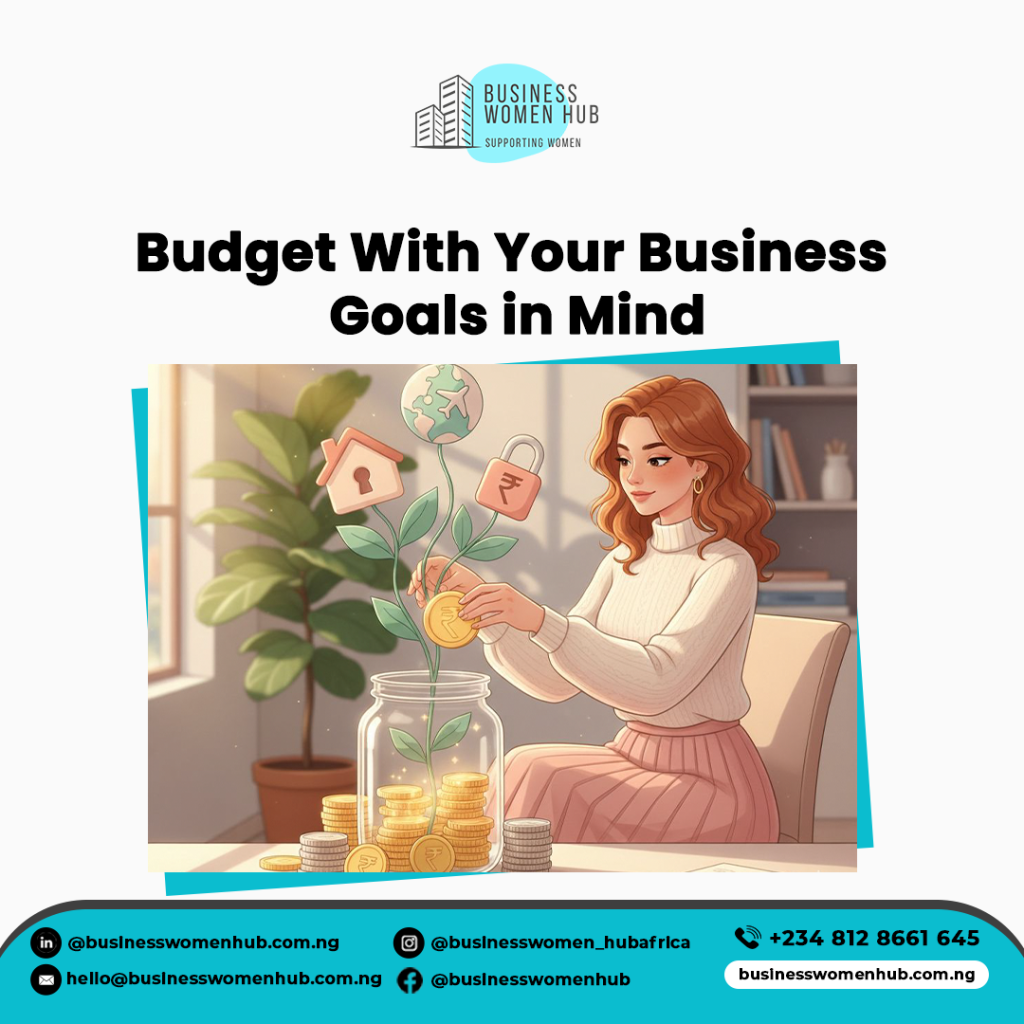
Budget With Your Business Goals in Mind

Your budget should support where you’re going, not just where you are.
If your goals include getting more customers, increasing visibility, improving systems, or earning more consistently, your budget must reflect those priorities. Big goals without financial backing remain wishes.

To align your budget with your vision:

  • Write down your top three business goals
  • Ask, “What will it cost to achieve this?”
  • Allocate money to income-generating activities
  • Cut back on expenses that don’t support your goals

When money follows vision, results follow too.

Create a Flexible, Realistic Growth Budget

Growth budgeting doesn’t require perfection; it requires consistency. You don’t need a large income to budget for growth. You need honesty, discipline, and flexibility. A good growth budget evolves as your business grows.

A healthy growth budget:

  • It is realistic and easy to maintain
  • Allows room for adjustment
  • Encourages intentional spending

Start by:

  • Budgeting with what you currently have
  • Setting aside a small monthly growth fund
  • Tracking spending regularly
  • Adjusting as your income changes

When you budget for growth, you stop reacting to money and start leading with it.

Final Thought

Budgeting for growth is a powerful act of leadership. It’s a decision to believe in where your business is going and to fund that belief with intention. Choose growth. Choose clarity. Choose to build beyond survival.

Posted on Leave a comment

From Busy to Profitable: How to Set Business Goals That Actually Make You Money This Year

As a new year begins, many women entrepreneurs sit down to set goals with excitement and high hopes. “Post more.” “Get more followers.” “Be more consistent.”
While these goals sound productive, they often lead to one thing: busyness without profit.

This year, it’s time to shift the conversation. Profitable growth doesn’t come from doing more; it comes from doing what matters. Here’s how to set business goals that are intentional, sustainable, and directly connected to revenue.

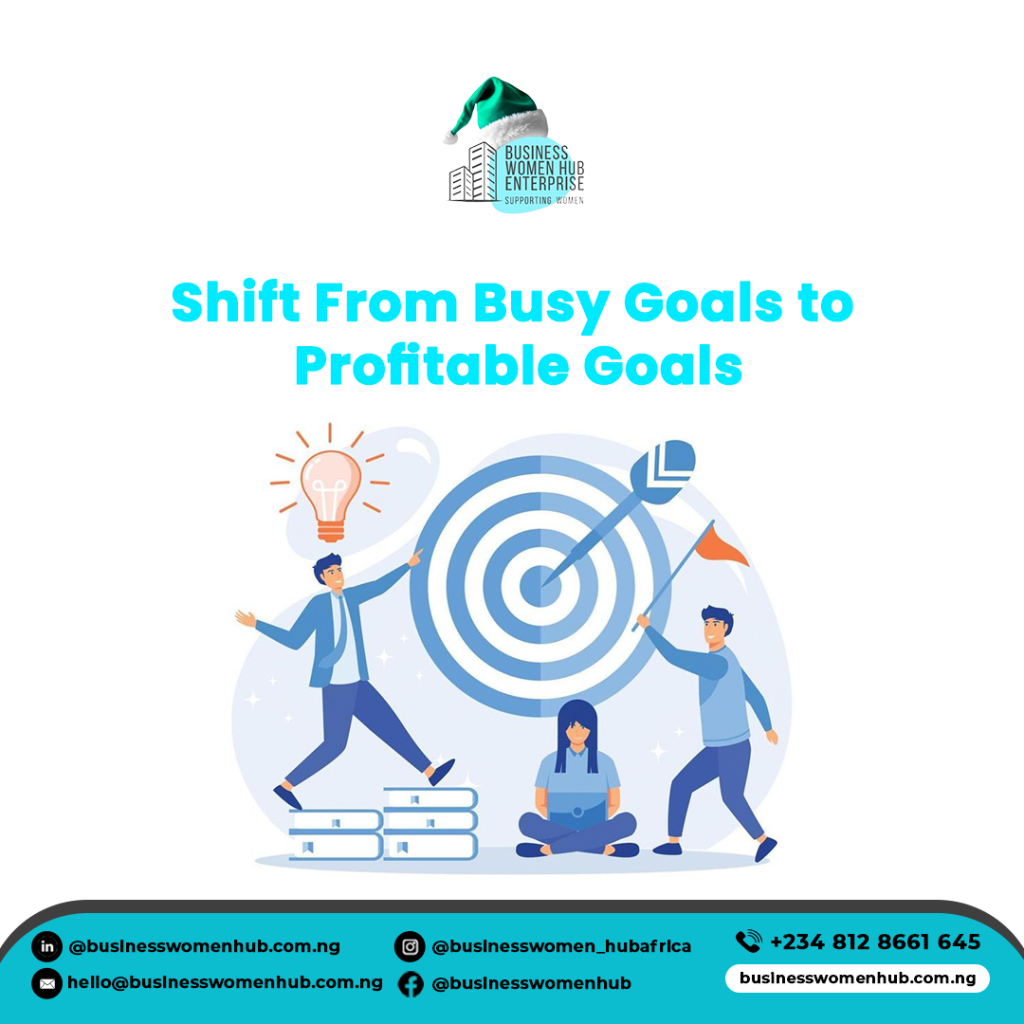
Shift From Busy Goals to Profitable Goals

Not all goals grow your business. Some only keep you occupied. Activity alone does not guarantee income. Profitable goals focus on outcomes, not just effort. Instead of asking, “How can I do more?”, profitable women ask, “What actually moves my business forward?”

Profitable goals help you:

  • Align your time with revenue
  • Stop doing what looks good but pays little
  • Focus on activities that drive real growth
  • Measure success beyond likes, views, and followers

To get started:

  • Identify the activities that brought in money last year
  • Separate revenue-generating tasks from support tasks
  • Ask, “Does this goal directly or indirectly lead to income?”
  • Prioritize clarity over volume
  • Choose fewer goals with clearer impact

A profitable year begins when you stop chasing busy and start choosing intentionally.

Set Goals That Match Your Capacity

Big goals are inspiring. Burnout is not. One common mistake many women make is setting goals based on pressure, comparison, or excitement, without considering their capacity. Profit doesn’t come from exhaustion; it comes from sustainability.

Your goals must respect:

  • Your time
  • Your energy
  • Your resources
  • Your current season of life

Before committing to your goals:

  • Review your current workload honestly
  • Decide how much time you can realistically give your business
  • Set goals that fit your life, not just your ambition
  • Build margin for rest and learning
  • Focus on consistency, not overwhelm

Growth that lasts is built on realistic plans. Sustainable goals protect both your profit and your peace.

Tie Every Goal to a Clear Revenue Path

A goal without a revenue path is just a wish. If you want more income this year, every major goal must answer one critical question: How does this make money, or support making money?

Profitable goals are connected to:

  • Offers
  • Pricing
  • Clients
  • Systems
  • Visibility that converts

To create revenue-driven goals:

  • Link each goal to a specific offer or service
  • Decide how the goal supports sales or client growth
  • Clarify your primary income streams
  • Set numbers, not vague intentions
  • Break annual goals into clear monthly actions

When your goals are connected to revenue, progress becomes measurable and motivating. Clarity turns effort into earnings.

Review, Refine, and Commit With Confidence

Goal setting is not a one-time activity; it’s an ongoing process. Profitable women don’t just set goals; they review them, refine them, and recommit with intention. Flexibility is part of the strategy, not a failure.

To stay aligned:

  • Review your goals weekly or monthly
  • Track what’s working and what’s not
  • Adjust your approach without guilt
  • Celebrate small wins along the way
  • Stay committed, even when progress feels slow

Profitable goals grow with you. When you consistently review and refine, success becomes intentional, not accidental.

Final Thought

This year, don’t just set goals that keep you busy. Set goals that pay you, protect your energy, and move your business forward with purpose.
Profit is not about doing more.
It’s about choosing better.

Posted on Leave a comment

The Power of a Soft Launch: How to Strategically Introduce Your Offer in the New Year Without the Pressure

The new year often comes with a rush of noise, new goals, new offers, and endless promotions competing for attention. Many women wait until January 1st to announce what they’re launching, only to find their message lost in the crowd. That’s where a soft launch changes everything.

A soft launch isn’t about being loud. It’s about being intentional, strategic, and confident, warming up your audience before you ever ask them to make a purchase. If you want to enter the new year with momentum (not burnout), here’s how to create a soft launch strategy that works.

Warm Up Before You Launch

A soft launch starts long before the official announcement. Instead of disappearing and reappearing with a sales post in January, a soft launch allows you to prepare your audience mentally and emotionally. By the time you launch, they already understand the problem, trust your voice, and are curious about what’s coming.

A soft launch helps you:

  • Test your offer with less pressure
  • Build interest quietly and strategically
  • Gather feedback and early testimonials
  • Create familiarity before asking for the sale

What to do during this phase:

  • Start talking about the problem your offer solves
  • Share behind-the-scenes preparation and planning
  • Drop subtle hints like “Something new is coming.”
  • Reintroduce yourself and clearly state what you do
  • Focus on starting conversations, not campaigns

Launching works best when people already trust you. Soft launches are not silent; they are steady, intentional, and strategic.

Build Anticipation With Value

A successful soft launch doesn’t begin with selling; it starts with serving. Before you say “buy from me,” show your audience that you understand their struggles and that you have real solutions. Value builds trust. Trust builds authority. And authority leads to sales. This is where your content does the heavy lifting.

Ways to lead with value:

  • Educate around the core problem your offer solves
  • Share quick tips, mini-lessons, or FAQs
  • Address common mistakes your audience makes
  • Share personal experiences or client stories
  • Use captions, posts, and stories to teach consistently

People buy from those who help them before they need help. When you give value freely, your audience starts asking, “How can I work with you?”

Activate Your Warm Audience

Not everyone who follows you is ready to buy, and that’s perfectly fine. A soft launch focuses on the women who are already paying attention.

Your warm audience includes those who:

  • Watch your stories regularly
  • Reply to your broadcasts
  • Comment on your posts
  • Ask questions in your DMs

They don’t need convincing. They need clarity.
How to activate them:

  • Speak directly to your warm audience
  • Use phrases like “If you’ve been following me…”
  • Invite conversations through DMs, polls, and Q&As
  • Offer early access or first dibs
  • Pay close attention to feedback and objections

A warm audience converts faster than a cold one. Soft launches succeed when you nurture instead of rushing your people.

Make a Gentle, Confident Offer

Yes, soft launches still involve selling. The difference is how you sell. You don’t need hype or pressure. You need clarity, honesty, and confidence.

Tell your audience:

  • What the offer is
  • Who it’s for
  • The problem it solves
  • How it helps
  • How to get started

How to present your offer:

  • Introduce it naturally within your content
  • Use simple, clear language
  • Invite rather than pressure
  • Share why you created it
  • Make the next step easy and obvious

The right people don’t need convincing; they need direction. A soft launch allows you to sell without stress, pressure, or burnout, while building momentum for the new year.

In Summary

A soft launch gives you room to breathe, test, refine, and connect, before the big push. As you prepare for the new year, remember this: you don’t need to shout to be seen. You need strategy, consistency, and trust. And that’s exactly what a soft launch helps you build. 💙