Posted on Leave a comment

Mastering Your Time: A Powerful Guide for the Busy Woman in Business

In today’s fast-paced world, being a woman in business often means wearing multiple hats, managing clients, leading teams, nurturing relationships, and still finding time for personal growth. It can feel like there’s never enough time in the day.

But here’s the truth: success isn’t about having more time, it’s about managing the time you already have with intention. This guide will help you take control of your schedule, focus on what truly matters, and build a business that thrives without burning you out.

Own Your Time Before It Owns You

Your time is constantly in demand, but effective time management starts with one key decision: taking ownership. If you don’t control your time, everything else will. Productivity isn’t about doing more; it’s about doing what matters most.

Here’s how to take charge:

  • Start with priorities: Identify the top three tasks that truly move your business forward each day.
  • Plan your day early: Create a clear structure the night before or first thing in the morning.
  • Set boundaries: Not every call, request, or message deserves immediate attention.
  • Work in focus blocks: Give your full attention to one task at a time.
  • Eliminate time leaks: Reduce distractions that quietly steal your productivity.

Remember: Time is your most valuable business asset. When you manage it well, you don’t just get more done, you build with purpose and clarity.

Prioritize What Truly Matters

Being busy is not the same as being productive. Many women spend their days reacting instead of leading. Real progress comes from focusing on what truly deserves your time. Shift from activity to impact.

Here’s how:

  • Identify high-impact tasks: Focus on actions that drive revenue, growth, and visibility.
  • Use the 80/20 rule: A small portion of your efforts often produces the majority of your results.
  • Separate urgent from important: Not everything urgent is worth your energy.
  • Learn to delegate: You don’t have to do everything yourself to succeed.
  • Say no with confidence: Protect your time like the valuable asset it is.

Remember: Every “yes” to the wrong thing is a “no” to your growth. When you prioritize wisely, your business moves forward faster with less stress.

Create Systems That Save You Time

If you’re constantly repeating the same tasks, the issue isn’t time; it’s structure. Sustainable success doesn’t come from constant hustle; it comes from smart systems. Systems create space for growth.

Here’s how to work smarter:

  • Automate where possible: Use tools for scheduling, payments, and communication.
  • Create routines: Consistency reduces decision fatigue.
  • Batch similar tasks: Group activities like content creation, emails, or calls.
  • Document processes: Make it easier to delegate and maintain quality.
  • Streamline operations: Simplify workflows and remove unnecessary steps.

Remember: Systems create freedom. The more structure you build into your business, the more time you gain to lead and grow.

Protect Your Energy, Not Just Your Schedule

Time management is not only about hours, but it’s also about energy. You can have a full calendar and still feel unproductive if your energy is depleted. Your effectiveness depends on how well you manage both.

Here’s how to protect your energy:

  • Schedule breaks: Rest is part of productivity, not a reward after burnout.
  • Know your peak hours: Do your most important work when your energy is highest.
  • Avoid overloading your day: Leave room for flexibility and unexpected tasks.
  • Take care of yourself: Your health directly impacts your performance.
  • Reflect daily: Review what worked and adjust for a better flow tomorrow.

Remember: A well-managed life fuels a well-managed business. When you protect your energy, you show up stronger, think more clearly, and execute better.
Final Thoughts

Time is not just something you spend, it’s something you invest. When you learn to manage it intentionally, prioritize what matters, build supportive systems, and protect your energy, you don’t just grow your business, you elevate your entire life.
You don’t need more hours in the day.
You need better control of the hours you already have.

Start today. Your future self will thank you.

Posted on 1 Comment

From First Impression to Lifelong Loyalty: A Practical Guide to Customer Experience & Retention

In today’s business landscape, what truly sets you apart isn’t just what you sell, it’s how you make your customers feel at every stage of their journey with you. Great customer experience isn’t accidental; it’s intentional, consistent, and deeply rooted in how you engage, serve, and respond.

This guide walks you through four powerful pillars to help you attract, retain, and turn your customers into loyal advocates.

First Impressions Set the Tone

In business, your first interaction with a customer can either open the door to a lasting relationship or quietly close it. From the moment someone encounters your brand, they are forming an opinion, so make it count.
Creating a strong first impression means being deliberate about how you show up.

  • Be responsive: Timely replies signal respect and professionalism.
  • Communicate clearly: Your offers, pricing, and processes should be easy to understand.
  • Be welcoming: A warm, friendly tone builds instant trust.
  • Deliver on expectations: Say what you mean, and follow through.
  • Stay consistent: Every touchpoint should reflect your brand standard.

People may forget what you sell, but they’ll never forget how you made them feel.
Start strong, and you’ll lay the foundation for relationships that go far beyond a single transaction.

Build Trust Through Consistency

Customers don’t come back just because your product is good; they return because they trust you. And trust is earned through consistency over time.
Your goal is simple: become the brand your customers never have to second-guess.

  • Keep your promises: Deliver the same quality every time.
  • Show up consistently: Whether online or offline, be reliable.
  • Be transparent: Honesty builds credibility and long-term loyalty.
  • Maintain quality standards: Never let inconsistency damage your reputation.
  • Stay professional: Even in difficult situations, how you respond matters.

Consistency builds confidence, and confidence builds loyalty. When customers trust you, they don’t just return, they recommend you.

Turn Customers into Loyal Advocates

A satisfied customer is great, but a loyal customer is transformative. These are the people who not only come back but also bring others with them. Retention goes beyond keeping customers; it’s about deepening the relationship.

  • Personalize the experience: Make customers feel known, not just served.
  • Show appreciation: A simple “thank you” or a thoughtful gesture goes a long way.
  • Reward loyalty: Offer incentives that make returning worthwhile.
  • Stay connected: Follow up even after the sale is complete.
  • Create community: Give your customers a sense of belonging.

People stay where they feel valued. When you invest in your customers, they naturally invest back into your business.

Handle Feedback Like a Pro

Feedback, whether positive or negative, is one of your most valuable growth tools. It’s not about avoiding complaints, but about how you respond when they arise. Handled well, even criticism can strengthen your brand.

  • Listen actively: Let your customers feel heard and understood.
  • Respond promptly: Delays can worsen dissatisfaction.
  • Take responsibility: Own mistakes and offer clear solutions.
  • Learn from it: Use feedback to improve your systems and service.
  • Stay calm and respectful: Your tone can shift the entire outcome.

Every piece of feedback is an opportunity to grow. When customers see that you listen and improve, even unhappy ones can become loyal supporters.

Final Thoughts

Customer experience isn’t a one-time effort; it’s a continuous commitment. From the first impression to ongoing engagement, every interaction shapes how customers perceive and connect with your brand.
When you get it right, you don’t just gain customers, you build relationships, trust, and a community that sustains your business for the long term.

Posted on Leave a comment

From Ideas to Income: Turning What You Learned Into a Profitable Business

You attended the conference, you felt the spark, and you left inspired. But inspiration alone doesn’t build a business; action does.

This is your moment to take everything you’ve learned and turn it into something tangible, something profitable, something impactful. Because the truth is simple: what you know can make you money, if you use it right. Let’s walk through how to move from ideas to income, step by step.

Spot the Opportunity in What You Learned

The conference didn’t just inspire you, it equipped you. Now the real question is: what can you do with what you now know? Every successful business begins with identifying an opportunity others may overlook. That one insight that stayed with you, that moment that made you pause, could be exactly what your market needs.

To uncover your opportunity, start here:

  • Reflect deeply: What session, lesson, or conversation resonated most with you?
  • Identify problems: What challenges were highlighted that you can help solve?
  • Match your strengths: Where do your skills align with a real need?
  • Think demand: Is this something people are willing to pay for?
  • Start simple: Your idea doesn’t have to be perfect; it just has to be useful.

The truth is, not every idea becomes profitable, but every profitable business starts with the right idea. What you learned holds value; now it’s time to turn that insight into opportunity.

Package Your Knowledge into Value

An idea only becomes income when it is packaged in a way people can understand, access, and pay for. This is where many people get stuck. They have great ideas, but they don’t know how to present them. But here’s the good news: clarity and simplicity will always win.

Here’s how to turn your idea into a compelling offer:

  • Choose a format: Will it be a service, product, training, or digital resource?
  • Define the outcome: What transformation will your customer experience?
  • Keep it clear: Simplicity sells better than complexity.
  • Add structure: Break your idea into steps, modules, or deliverables.
  • Price with confidence: Charge based on value, not fear.

Remember, people don’t just buy products, they buy solutions. Your knowledge is powerful, but your packaging is what makes it profitable.

Test, Validate, and Start Selling

You don’t need to have everything perfectly figured out before you begin. In fact, the most successful businesses don’t wait for perfect conditions. They test, learn, and improve as they go. What matters now is proving that your idea can actually generate income.

Here’s how to validate your idea:

  • Start small: Launch a pilot offer or minimum viable product.
  • Talk to your audience: Ask questions and truly listen.
  • Pre-sell if possible: Let demand confirm your idea before full execution.
  • Observe behavior: Interest is good, but payment is proof.
  • Adjust quickly: Use feedback to refine your offer in real time.

Clarity doesn’t come from overthinking; it comes from action. The faster you test your idea, the faster you move from guessing to earning.

Build Systems That Turn Income into Growth

Making money from your idea is exciting, but sustaining it is where real success lives. You don’t just want income; you want consistent, repeatable income. That requires systems that allow your business to grow without exhausting you.

Here’s how to build for sustainability:

  • Create a simple sales process: How will people discover, trust, and buy from you?
  • Leverage visibility: Show up consistently where your audience already is.
  • Automate where possible: Use tools and workflows to save time.
  • Deliver excellence: Happy customers become repeat buyers and ambassadors.
  • Reinvest wisely: Use your earnings to strengthen and scale your business.

A one-time sale is good, but a system that keeps generating income is powerful. Don’t just monetize your idea, build a business that sustains it.

Final Thoughts: Your Knowledge is Your Currency

Everything you need to start is already within your reach. The insights, the lessons, the exposure, they were not given to you for nothing. The difference between those who attend and those who earn is simple: execution.

So take that idea, refine it, test it, and build something from it. Because your knowledge isn’t just valuable, it’s profitable when you choose to act on it. 💙

Posted on Leave a comment

Reset. Rise. Reinvent: The Confidence & Mindset Shift You Need for Your Next Level

There comes a point in every woman’s journey where growth is no longer optional; it becomes necessary. The truth is, your next level in business and life will not respond to who you used to be. It responds to who you decide to become.

At the 2026 Business Women Hub Africa Conference, one message rang loud and clear: transformation starts from within. Confidence is chosen. Mindset is cultivated. Growth is intentional. This is your invitation to reset, realign, and rise.

Own Your Worth Without Apology

Confidence is not something you wait for; it’s something you decide. Your next level will require a different version of you: bolder, clearer, and unapologetic about her value.

Here’s your reset:

  • Acknowledge your growth: You are not the same woman you were last year, act like it.
  • Silence self-doubt: You’ve done hard things before; this next level is no different.
  • Speak with authority: Your voice carries value; use it confidently.
  • Stop shrinking: The world can only respond to the version of you that you present.
  • Affirm your capacity: You are capable of more than you’ve allowed yourself to believe.

Confidence isn’t arrogance; it’s alignment with who you’ve become. Step into this season knowing you belong in every room your vision takes you to.

Rewire Your Mindset for Growth

Growth isn’t just about better strategies; it starts with a better mindset. Your business will only expand to the level your mind allows. If you’re thinking small, playing safe, or fearing failure, you may be limiting your own results without realizing it.

Here’s how to reset your thinking:

  • Challenge limiting beliefs: Replace “I can’t” with “How can I?”
  • Embrace discomfort: Growth will stretch you, don’t resist it.
  • Think long-term: Build with vision, not just quick wins.
  • Normalize learning: Every mistake is data, not defeat.
  • Surround yourself wisely: Proximity to growth-minded women matters.

The real upgrade starts in your mind. Shift your thinking, and your actions, decisions, and results will follow.

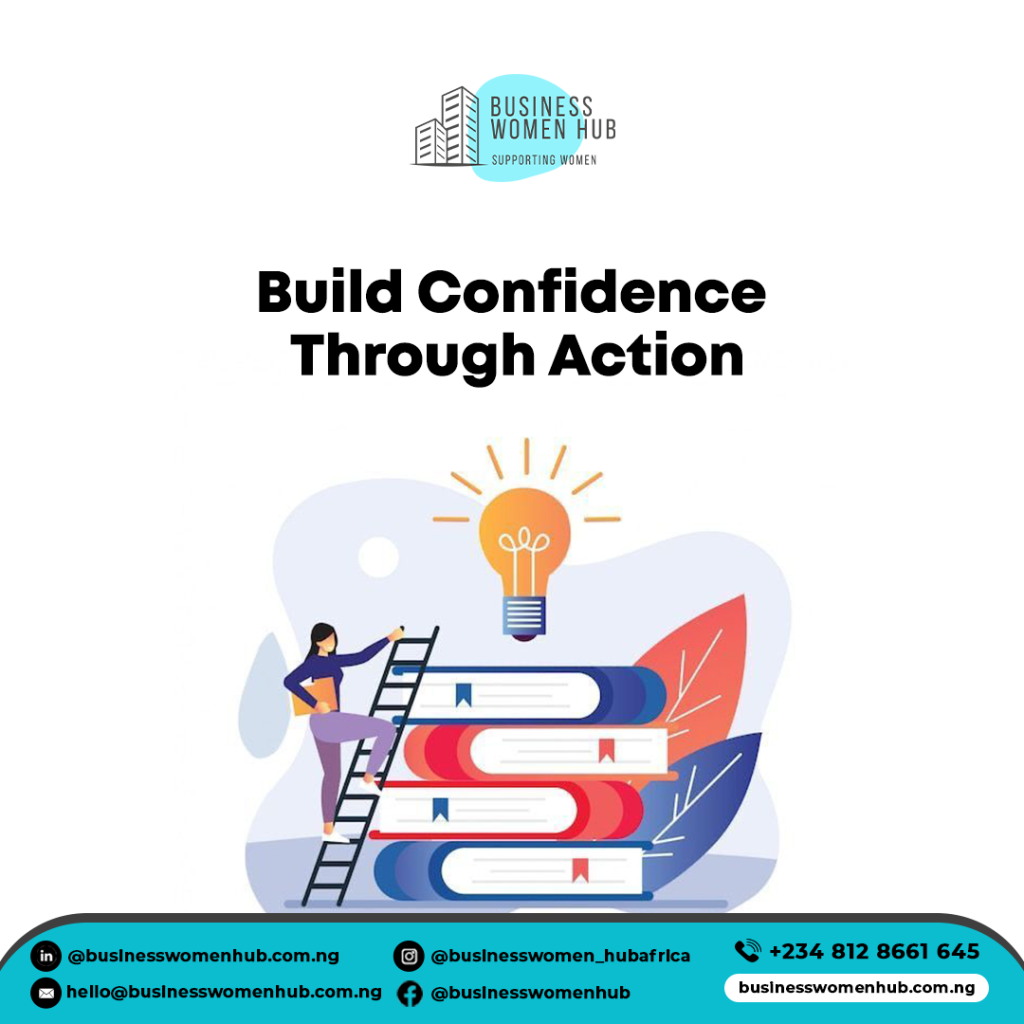
Build Confidence Through Action

Confidence doesn’t come before action; it grows because of it. One of the biggest takeaways from the conference was simple: the women who rise are the ones who move, even when they feel unsure.

Here’s how to build confidence daily:

  • Take one bold step: Send that email, make that call, post that offer.
  • Keep promises to yourself: Discipline builds self-trust.
  • Celebrate small wins: Progress fuels confidence.
  • Show up consistently: Visibility builds authority.
  • Let go of perfection: Growth happens in motion, not hesitation.

Action creates evidence. Every time you show up, you prove to yourself that you can.

Become the Woman Your Next Level Requires

Your next level isn’t just about new opportunities, it’s about a new identity. To sustain growth, your habits, mindset, and standards must evolve.

Here’s how to align with the woman you’re becoming:

  • Upgrade your habits: Success is built daily, not occasionally.
  • Raise your standards: You are not called to average.
  • Protect your energy: Focus on what truly fuels your growth.
  • Stay committed: Consistency will take you further than motivation ever will.
  • Visualize your future: See her clearly, then show up as her daily.

You don’t wait to become her; you decide to be her now.

Final Thoughts: Your Reset Starts Now

This is more than a mindset shift; it’s a personal decision.
A decision to stop shrinking.
A decision to think bigger.
A decision to act boldly.
Your next level is not out of reach; it’s waiting for your alignment.
So take the step.
Show up differently.
And become the woman your vision requires. ✨

Posted on 1 Comment

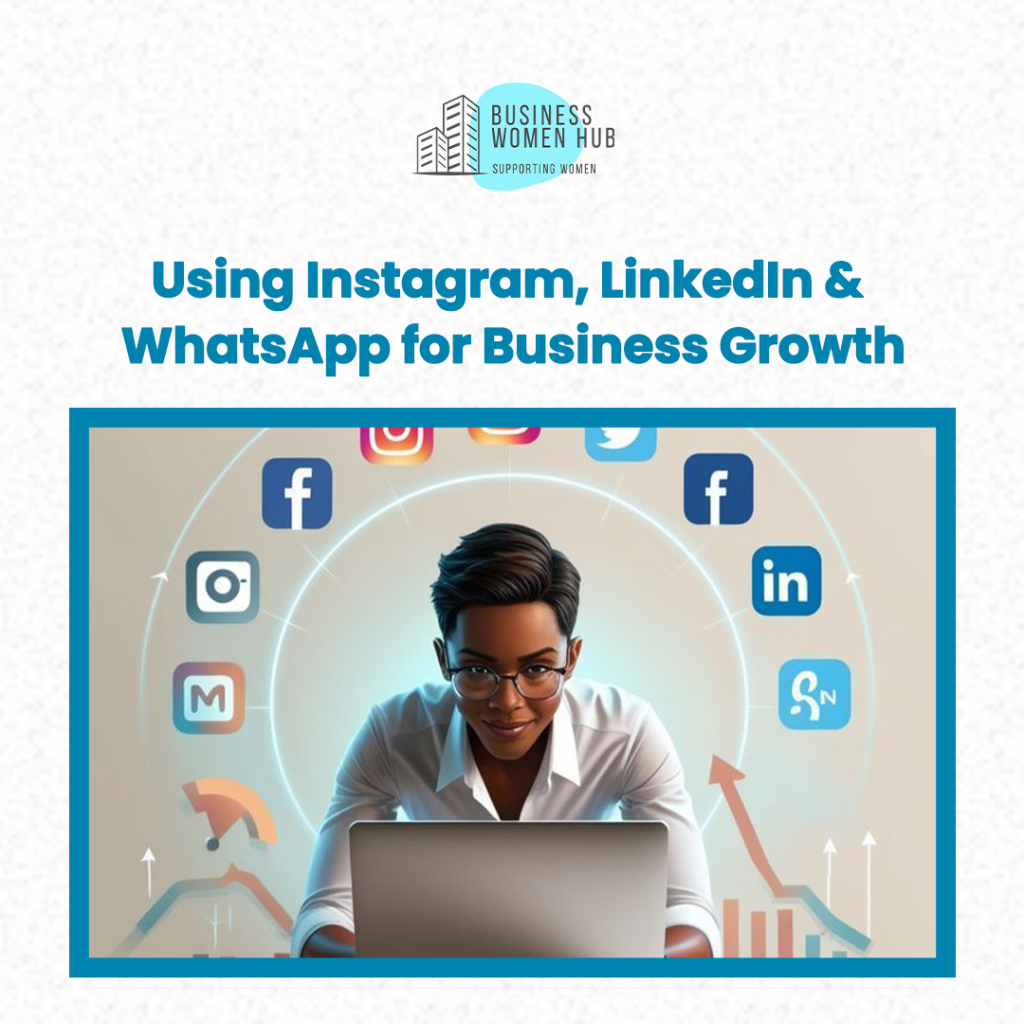
From Posting to Profit: How to Use Instagram, LinkedIn & WhatsApp for Real Business Growth

In today’s digital world, being on social media is no longer enough. The real question is: are you using it intentionally to grow your business?

Platforms like Instagram, LinkedIn, and WhatsApp are more than places to share updates; they are powerful ecosystems for visibility, connection, and conversion. When used strategically, they can help you attract the right audience, build trust, and turn conversations into paying clients.

This guide walks you through a simple but effective 4-step approach to transform your social media presence into a true business asset.

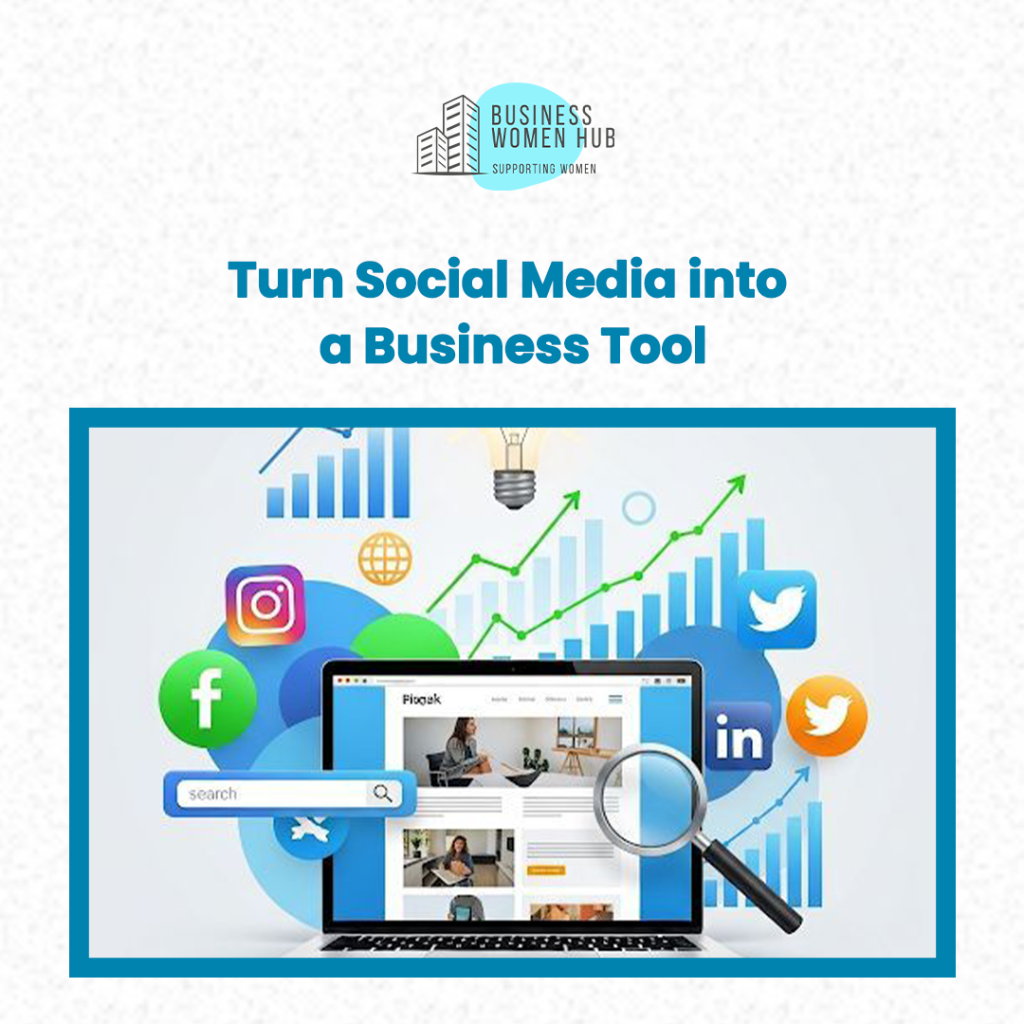
Turn Social Media into a Business Tool

Many entrepreneurs show up online daily, but without a clear strategy, their efforts often lead to little or no results. To see real growth, you need to shift from casual posting to intentional positioning.

Start by asking yourself: Why am I here?

  • Define your goal: Are you aiming for visibility, leads, partnerships, or direct sales? Your content should align with this.
  • Show your expertise: Share tips, lessons, and insights that position you as knowledgeable and reliable.
  • Be consistent: Familiarity builds trust. Your audience should see and hear from you regularly.
  • Engage actively: Don’t just post, reply to comments, respond to messages, and join conversations.
  • Stay authentic: People connect with real people. Let your personality and voice shine through.

Social media works best when it’s used to build relationships, not just promote products.

Build Visibility that Attracts Opportunities

If people don’t know you exist, they can’t work with you. Visibility is one of the most powerful drivers of growth, and the good news is, you don’t need to be everywhere, just intentional where you are.

Here’s how to stand out:

  • Optimize your profile: Clearly state what you do and who you help.
  • Share valuable content: Focus on solving real problems your audience faces.
  • Use storytelling: Stories are memorable and relatable, far more than sales pitches.
  • Leverage LinkedIn for authority: Share professional insights, join conversations, and connect with industry peers.
  • Stay consistent: The more people see you, the more they trust you.

Visibility builds credibility. And credibility attracts opportunities.

Convert Conversations into Clients

Growth isn’t just about gaining followers; it’s about building meaningful relationships that lead to real business outcomes. This is where many businesses miss it: they stop at engagement instead of moving into conversion.

Here’s how to bridge that gap:

  • Move conversations forward: When someone shows interest, guide them to the next step.
  • Use WhatsApp strategically: It’s perfect for personalized communication, answering questions, and sharing details.
  • Be responsive: Quick replies signal professionalism and build trust.
  • Communicate value clearly: Help people understand how your offer solves their problem.
  • Simplify your process: Make it easy to inquire, book, or buy.

Every conversation is an opportunity. Relationships are what drive revenue.

Create a System for Sustainable Growth

Random posting might bring occasional wins, but consistent growth requires a system. When Instagram, LinkedIn, and WhatsApp work together, they create a seamless journey for your audience, from discovery to decision.

Think of it as a connected flow:

  • Instagram for visibility: Capture attention through posts, reels, and stories.
  • LinkedIn for credibility: Establish authority with professional insights and thought leadership.
  • WhatsApp for conversion: Build trust and close sales through direct conversations.
  • Plan your content weekly: Decide what to post and when, to stay consistent.
  • Track your performance: Identify what works and do more of it.

Success on social media isn’t accidental, it’s strategic.

Final Thoughts

Social media can either be a time-consuming activity or a powerful growth engine; the difference lies in how you use it. When you show up with clarity, consistency, and intention, you don’t just gain followers, you build a brand, a community, and a business that grows sustainably.

So instead of just being online, start being strategic. Your audience is already out there. Now it’s time to show up in a way that truly connects and converts. 💙

Posted on 1 Comment

Leveraging Communities to Grow Your Brand: How the Right Connections Can Transform Your Business

In today’s fast-paced business world, building a successful brand is no longer a solo journey. The most impactful entrepreneurs understand that growth accelerates when you surround yourself with the right people.

Communities have become powerful ecosystems where ideas are exchanged, opportunities are created, and brands are amplified. When women intentionally support, collaborate with, and learn from one another, businesses don’t just grow, they thrive.

If you want to expand your reach, strengthen your influence, and unlock new opportunities for your brand, learning how to leverage communities effectively is essential. Here’s how to do it.

Community Is More Powerful Than Competition

For many entrepreneurs, the instinct is to view others in the same industry as competition. But the truth is that collaboration often creates bigger opportunities than rivalry ever could.

Communities provide a platform where entrepreneurs can share knowledge, exchange support, and open doors for one another. The relationships built within these spaces can lead to partnerships, referrals, and business growth that would be difficult to achieve alone.

To start leveraging communities intentionally, focus on being an active participant.

  • Show up consistently: Visibility builds familiarity, and familiarity builds trust.
  • Engage in conversations rather than simply observing: Comment on posts, contribute ideas, and participate in discussions.
  • Share value freely: Offering helpful insights, tips, and encouragement positions you as someone people want to listen to.
  • Look for collaboration opportunities instead of competing for attention.
  • Most importantly, focus on building genuine relationships.

The right community does more than expand your network; it multiplies your impact.

Position Yourself as a Valuable Voice

Being a member of a community is one thing; becoming a respected voice within it is another. Communities grow brands when people begin to associate your name with value, insight, and expertise.

Your goal should not just be to participate, but to be remembered.

One of the most effective ways to build influence is by consistently sharing knowledge. When you teach what you know, someone in that space benefits from your experience.

  • Answer questions generously when others seek help. This builds credibility and trust over time.
  • Offer encouragement and support. A positive voice stands out in any community.
  • Demonstrate your expertise through practical examples such as case studies, tips, and real experiences.
  • Above all, remain authentic. People connect with genuine stories far more than they do with polished perfection.

Influence grows when your presence consistently adds value. The more helpful and visible you become, the more naturally people begin to see your brand as a trusted solution.

Turn Community Connections into Opportunities

Communities are not just spaces for conversation; they are ecosystems of collaboration and shared growth.

The relationships you nurture today can lead to speaking engagements, partnerships, referrals, and new clients tomorrow. However, these opportunities rarely come from silent membership. They grow from meaningful engagement.

  • Start by initiating genuine conversations. Networking begins with showing interest in others and their journeys.
  • Look for collaboration opportunities such as joint events, shared content, or product partnerships that expand both audiences.
  • Offer support first. The quickest way to receive help is often to give it.
  • Ask thoughtful questions that help you understand others better.

  • And always follow up intentionally. Relationships grow stronger when they are maintained beyond a single interaction.

Community connections are like seeds. When nurtured consistently, they grow into powerful opportunities for your brand.

Build Your Own Community Around Your Brand

While participating in existing communities is valuable, creating your own community can transform the trajectory of your brand.

When people gather around a shared mission, your message spreads faster, and your influence grows deeper. A strong community turns customers into advocates and followers into believers.

  • Start by defining a shared purpose. People connect to a mission, not just a product or service.
  • Create safe spaces for engagement through online groups, forums, or events where conversations can flourish.
  • Encourage participation by inviting members to contribute ideas and insights.
  • Celebrate wins together by highlighting the successes of people within your community.
  • And remain consistent with your brand’s message and vision so that the right people are naturally drawn to your space.

Brands grow faster when people feel like they belong. When you build a thriving community around your brand, you’re not just gaining customers, you’re creating a movement.

Final Thoughts

Communities are one of the most powerful growth tools available to modern entrepreneurs. They amplify your voice, expand your reach, and create opportunities that individual effort alone may never unlock.

Whether you are joining existing communities or building one of your own, the key is simple: show up, add value, and build genuine relationships.
Because when women grow together, their brands — and their impact — grow even faster. ✨
Posted on Leave a comment

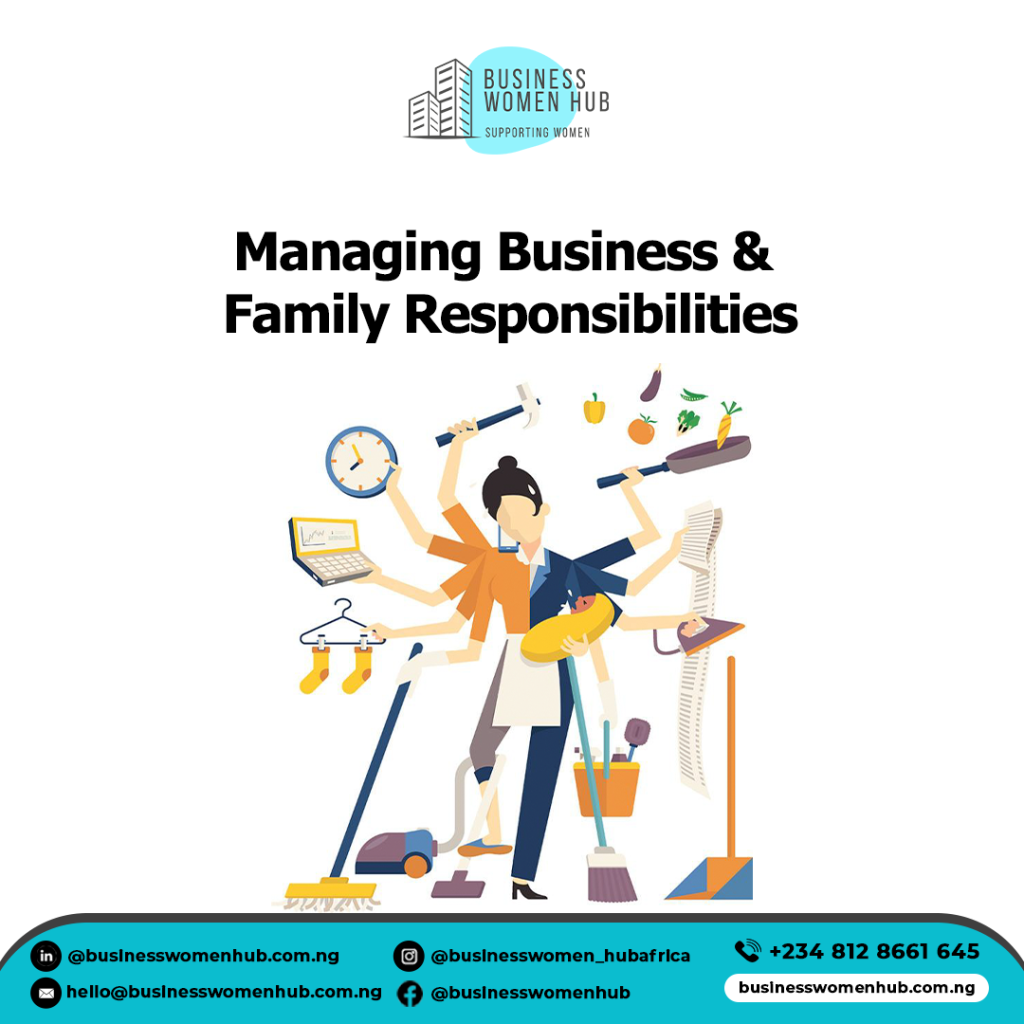
Managing Business and Family Responsibilities: How Women Can Build Balance Without Burning Out

For many women, managing a business while nurturing a family can feel like an endless juggling act. Society often tells women to “find balance,” as if it’s something waiting to be discovered. But the reality is different.
Balance isn’t something you stumble upon; it’s something you intentionally create.
Building a fulfilling life that supports both your professional ambitions and family responsibilities requires clarity, structure, and self-compassion. The good news is that it is possible to thrive in both areas when you design your life around what truly matters.

Here are four powerful principles to help women successfully manage business and family responsibilities without feeling overwhelmed.

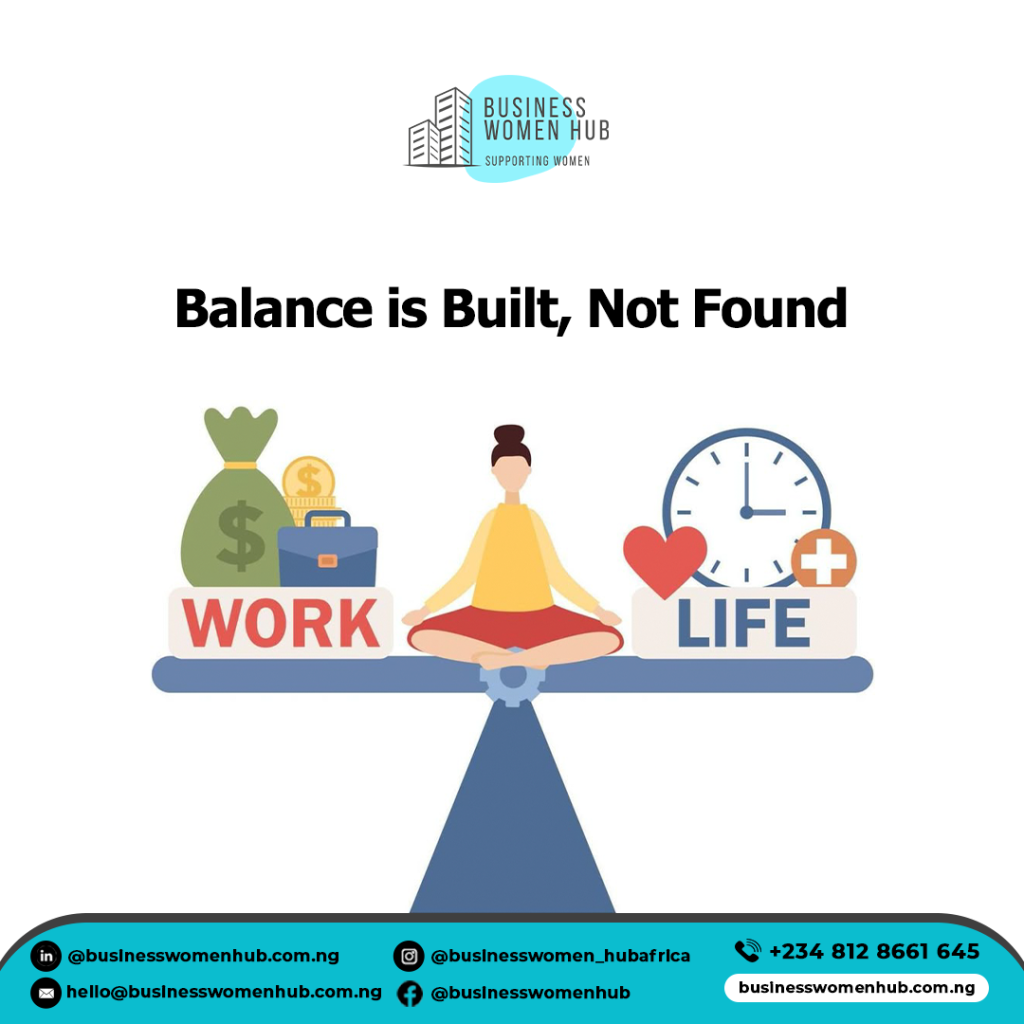
Balance Is Built, Not Found

Many women believe balance means giving equal time and energy to everything in their lives. In reality, balance is about aligning your priorities with the season of life you are in. Managing business and family responsibilities doesn’t mean splitting yourself in half. Instead, it requires intentional decisions about what deserves your time and energy at any given moment.
You can be present at home and powerful in business, but it requires structure and boundaries.

Here are practical ways to start building balance:

  • Define your non-negotiables: Identify what matters most in your family life and your business, and protect those priorities first.
  • Plan your week in advance: Schedule family time the same way you schedule meetings and business commitments.
  • Communicate expectations: Let your team, clients, and family know when you are available and when you are not.
  • Stop glorifying overwhelm: Being constantly busy does not always mean being productive.
  • Give yourself grace: Some days your business will require more attention; other days your family will.

Balance isn’t perfection. It’s alignment. You do not have to choose between being a successful businesswoman and being present for your family. With intention, you can design a life that supports both.

Boundaries Protect What Matters

Without clear boundaries, everything will compete for your time: client calls, emails, family needs, school activities, social commitments, and endless expectations. Successful women understand an important truth: boundaries are not selfish; they are strategic.
They protect your energy and help you remain effective both at home and in business.

Here are ways to create healthier boundaries:

  • Create defined work hours: Even if you work from home, decide when work begins and when it ends.
  • Designate family time: When you are with your family, be fully present without emails or distractions.
  • Delegate without guilt: Whether at home or in your business, you don’t have to carry every responsibility alone.
  • Learn to say no: Not every opportunity deserves your attention or energy.
  • Protect your mental space: Rest, reflection, and quiet moments are essential parts of productivity.

When your family understands your schedule and your clients respect your structure, everything flows more smoothly. You are not required to be constantly available in order to be successful.

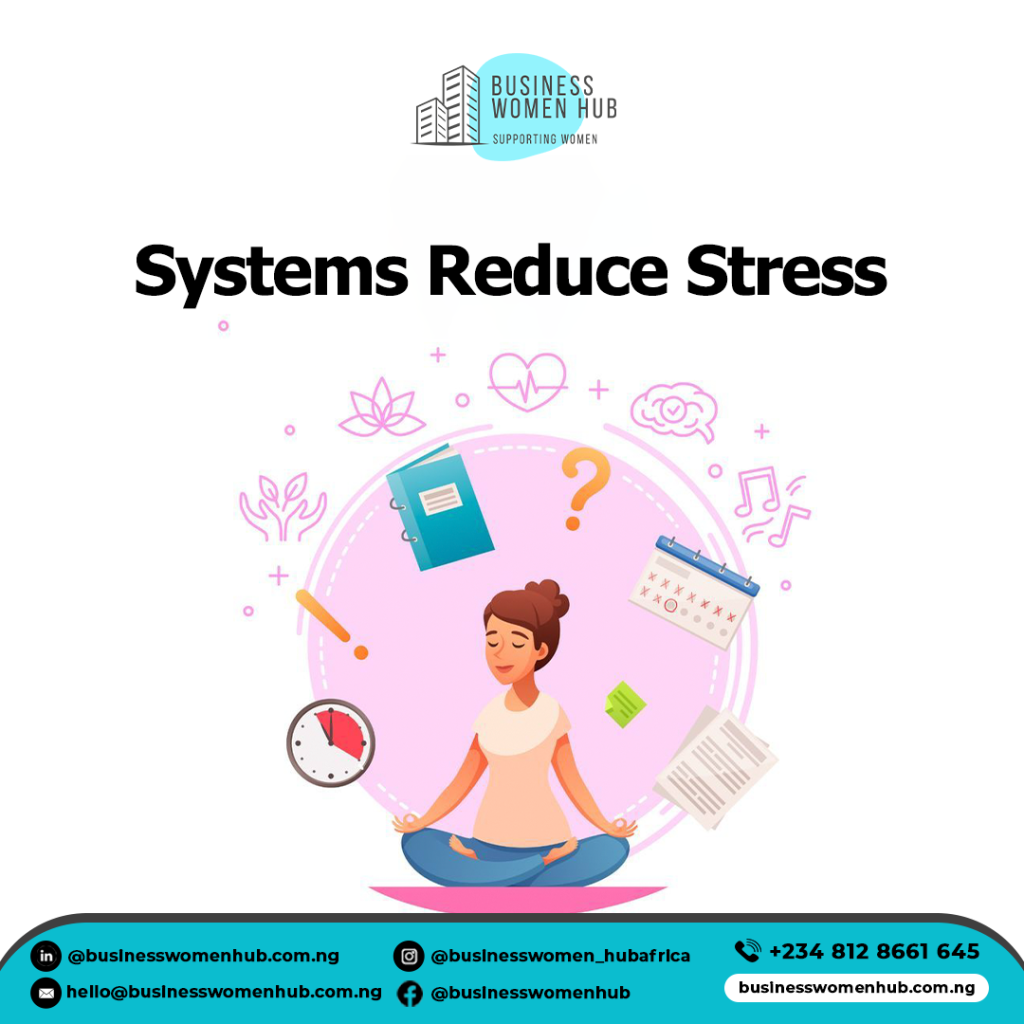
Systems Reduce Stress

Trying to manage a business and family life entirely from memory is a fast track to exhaustion. The secret to reducing stress is building systems that simplify your life. Structure doesn’t limit you; it actually gives you more freedom.
When routines and processes are in place, you spend less time reacting to chaos and more time focusing on what truly matters.

Here are simple systems that can make a big difference:

  • Use a shared calendar: Track meetings, school activities, and family events in one place.
  • Batch similar tasks: Dedicate specific days for meetings, errands, or content creation.
  • Plan meals and home activities weekly: This reduces daily decision fatigue.
  • Automate where possible: Use tools for reminders, payments, and scheduling.
  • Build a support system: Whether it’s staff, family members, or childcare support, you don’t have to do everything alone.

As structure increases, stress decreases. The more organized your systems are, the more present and effective you can be in every role you play.

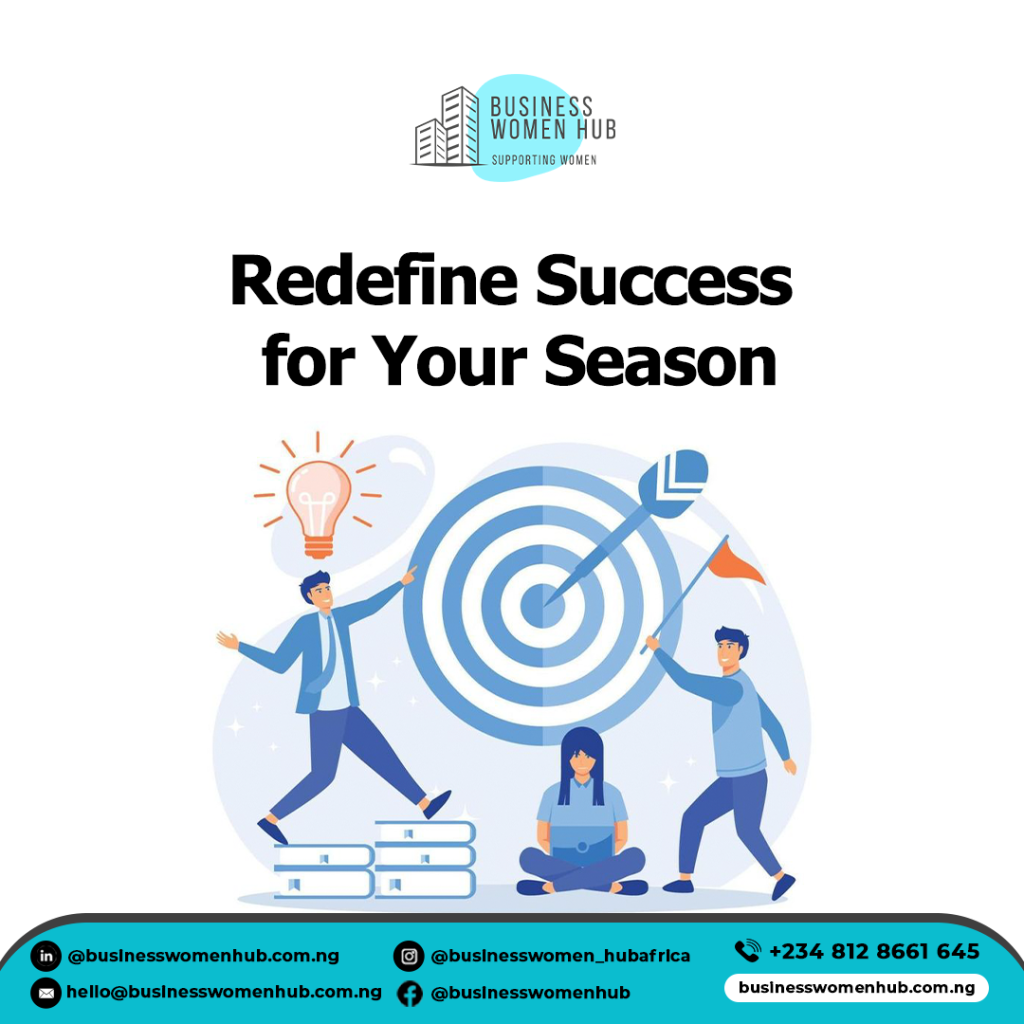
Redefine Success for Your Season

Success does not look the same for everyone, and it certainly doesn’t look the same in every season of life. A woman raising young children will operate differently from one with grown children. An early-stage entrepreneur will move at a different pace from an established CEO.
Comparing your journey to someone else’s can create unnecessary pressure and unrealistic expectations. Instead, focus on building success in a way that fits your current season.

Here’s how to do that:

  • Accept the season you are in: Adjust your goals and expectations accordingly.
  • Set realistic goals: Growth does not need to be aggressive to be meaningful.
  • Celebrate small wins: Every completed task and milestone matters.
  • Release comparison: Social media rarely shows the full story behind someone’s success.
  • Protect your well-being: You are the engine of both your business and your home.

You are allowed to grow steadily. You are allowed to build gently. Most importantly, you are allowed to succeed in business while nurturing your family in a way that works for you.

Final Thoughts

Managing business and family responsibilities is not about doing everything perfectly. It’s about making intentional choices, building supportive systems, and permitting yourself to grow at your own pace.
When women design their lives with clarity and purpose, they discover something powerful: You don’t have to sacrifice one important part of your life for another. You can build a thriving business and a meaningful family life; both can exist, and both can flourish.

Posted on Leave a comment

Building a Simple Sales Page That Converts: Clarity Over Complexity

In a world where everyone is shouting for attention, simplicity is your competitive advantage. Many women overcomplicate their sales pages because they believe “more” means “more convincing.” More words. More design. More sections. More details.
But here’s the truth: A simple, clear sales page converts better than a complicated one.

Your sales page has one job: to move your reader from interest to decision. Not to impress. Not to overwhelm. Not to prove how much you know.
This week, we’re building with intention, not pressure. Let’s break it down step by step.

Simplicity Sells, Clarity Converts

When someone lands on your sales page, they should instantly understand: What this is, Who it’s for, and What result they’ll get. If they have to “figure it out,” you’ve already lost them.

Here’s where to start:

  • Start with One Clear Offer: one page. One goal. One transformation. Don’t stack multiple offers or try to solve five different problems at once.
  • Lead with the Result: What will your buyer walk away with?
    Lead with that, not your background story. Results create momentum.
  • Speak Directly to your Ideal Client: Use their language, not industry jargon. If they wouldn’t say it that way, don’t write it that way.
  • Remove Distractions: Too many links, images, pop-ups, or side offers weaken your message. Focus their attention on one decision.
  • Choose Clarity Over Creativity: If it’s clever but confusing, remove it. If it’s clear and simple, keep it.

Remember: Confused people don’t buy. Clear messaging creates confident buyers. Build simple. Build intentionally. Build to convert.

Structure Creates Confidence

A powerful sales page follows a structure, not chaos. When your reader lands on your page, they should feel guided, not overwhelmed. Structure builds trust. Trust builds sales.

Here’s a simple framework you can use:

  • Headline: Clearly state the transformation or promise. What will change after they buy?
  • The Problem: Show that you deeply understand their struggle. Name what frustrates them. Reflect their reality.
  • The Solution: Introduce your offer as the bridge between where they are and where they want to be.
  • The Benefits: What changes after they buy? Paint the picture. Help them see themselves on the other side.
  • What’s Included: Outline exactly what they’re getting. No guessing.
  • Proof: Testimonials, results, case studies, or credibility markers. Proof removes doubt.
  • Clear Call to Action: Tell them exactly what to do next.
    “Enroll Now.”
    “Book Your Spot.”
    “Get Instant Access.”

A simple structure removes confusion and increases confidence, for both you and your buyer.

Sell the Transformation, Not the Features

Your audience is not buying: Modules, worksheets, videos, templates. They are buying a result.
Instead of listing features like this:

  • 6 training videos
  • 3 templates
  • 2 live sessions

Shift it to this:

  • Build a sales system that works for you
  • Save hours of guesswork
  • Attract clients consistently
  • Gain clarity and confidence in your offer

See the difference?
Features describe.
Benefits persuade.
Transformation converts.

Here’s how to refine your messaging:

  • Turn every feature into a benefit
  • Show the “before and after” transformation
  • Use emotional triggers (relief, confidence, freedom, growth)
  • Address objections before they ask
  • Keep your tone conversational and relatable

People don’t buy information. They buy outcomes. When you sell the transformation, your page becomes persuasive, without pressure.

Refine for Results: Test, Tweak, Improve

Your first sales page does not have to be perfect. It needs to be live. Perfection delays growth. Data creates growth.

Once your page is published:

  • Review where people drop off
  • Simplify sections that feel heavy
  • Strengthen your call-to-action
  • Add testimonials as you receive them
  • Improve headlines based on engagement

Ask yourself:

  • Is this clear?
  • Is this compelling?
  • Is this necessary?

✨ A simple sales page that is refined consistently will outperform a “perfect” page that never launches.
Done builds data.
Data builds direction.
Direction builds sustainable success.

Final Thoughts: Build With Intention

You do not need a complicated funnel to start making sales. You need clarity. Structure. Confidence. A simple sales page built with intention can: Position you as an authority, build trust with your audience, convert consistently, and grow with your business.

Keep building.
Keep refining.
Keep selling with intention.

Because simplicity doesn’t weaken your message, it strengthens it.

Posted on Leave a comment

Delegation: The Power of Letting Go Without Losing Control

In business, especially for women building and nurturing their own brands, the instinct to “do it all” can feel natural. You answer every message, approve every design, manage every payment, and oversee every process. While this level of involvement may come from passion and dedication, it can quietly turn into exhaustion and limitation.

Delegation is not about stepping back from your business; it is about stepping up as a leader. It is the intentional decision to release certain responsibilities so you can focus on the vision, growth, and sustainability of what you are building. True success is not measured by how much you personally handle, but by how effectively you build systems and people around you.

Below is a practical four-part guide to knowing when and how to delegate without losing your authority or direction.

You Don’t Have to Do Everything

Many women in business carry the full weight of their brand on their shoulders. From client communication to content creation, finances, and operations, it can feel like you must be everywhere at once. But leadership is not about constant activity; it is about intentional focus.
Delegation is not a weakness. It is wisdom.

Reminders to embrace this shift:

  • Identify your high-value tasks: Focus on what truly requires your expertise, creativity, and decision-making power.
  • Accept your limits: You are capable, but you are also human.
  • Shift from operator to leader: Your responsibility is to guide the direction, not grind through every detail.
  • Release control gradually: Start with smaller tasks and build trust over time.
  • Redefine productivity: Being busy is not the same as being effective.

You did not build a business to become trapped inside it. Letting go of the pressure to do everything allows you to fully step into your role as a visionary and leader.

When to Delegate

Timing is crucial. Delegating too late leads to burnout, while delegating too early without structure can create confusion. The key is recognizing the signs that it is time to share responsibility.

Clear signals it’s time to delegate:

  • Tasks are repetitive and draining your energy.
  • Growth feels overwhelming instead of exciting.
  • The quality of your work begins to drop due to overextension.
  • Opportunities are missed because you lack time.
  • Your focus shifts from long-term strategy to daily survival.

If your business depends entirely on your personal energy, its growth will always have a ceiling. Delegation creates room for expansion, innovation, and sustainability.

How to Delegate Effectively

Delegation is not dumping tasks; it is transferring responsibility with clarity and confidence. The goal is not just to get help, but to build capability around you so your business becomes stronger and more resilient.

Ways to delegate with impact:

  • Choose the right person: Match skills to tasks, not convenience.
  • Communicate expectations clearly: Define outcomes, deadlines, and quality standards.
  • Provide resources: Tools, information, and access empower people to perform well.
  • Trust the process: Avoid micromanaging; guide rather than hover.
  • Give feedback: Both recognition and correction help teams grow.

When delegation is done well, assistance turns into partnership. People stop merely completing tasks and start contributing meaningfully to growth.

Let Go Without Losing Control

Letting go does not mean disappearing. It means leading differently. Strong leaders stay informed without being entangled in every minor detail. Oversight is necessary, but overcontrol slows progress and discourages initiative.

Maintaining balance while delegating:

  • Set clear systems: Structure reduces dependency on you alone.
  • Schedule check-ins instead of constant monitoring.
  • Measure results, not just effort.
  • Empower decision-making within defined boundaries.
  • Celebrate shared wins: Success is a collective achievement.

Delegation is not about losing control; it is about multiplying your impact. When you release tasks strategically, you gain time, clarity, and the freedom to focus on the bigger picture, the very reason you started your business in the first place.

In the end, the most successful leaders are not those who do everything themselves, but those who build environments where many capable hands and minds move the vision forward together.

Posted on Leave a comment

Turning Connections Into Clients: A 4-Day Guide to Growing Your Business Through Relationships

In business, success isn’t just about selling, it’s about connecting. Every client you gain starts as a connection, a relationship built on trust, value, and genuine care. This week, we’re exploring how to turn connections into clients, guiding you through practical steps to grow your business authentically and sustainably.

Relationships Before Revenue

People don’t just buy products or services; they buy trust, confidence, and connection. Many entrepreneurs rush straight to selling, but lasting client growth begins with nurturing real relationships. Shift your mindset from “Who can I sell to?” to “Who can I serve and connect with?”

Here’s how to build relationships that naturally lead to clients:

  • Be genuinely interested: Ask questions, listen actively, and remember the details.
  • Offer value first: Share insights, resources, or support without expecting immediate returns.
  • Show consistency: Regular visibility builds familiarity, and familiarity builds trust.
  • Personalize interactions: People remember how you make them feel, not just what you say.
  • Follow up thoughtfully: A simple check-in can open unexpected doors.

Remember: Strong businesses are built on strong relationships. When connection comes first, conversion follows naturally.

Communicate Your Value with Confidence

Connection alone is powerful, but clarity turns conversations into opportunities. People need to understand what you do, who you help, and the results you deliver.

Here’s how to communicate your value effectively:

  • Refine your introduction: Clearly state who you are and what you offer in simple, compelling terms.
  • Highlight transformation: Focus on the results clients gain, not just the service you provide.
  • Use relatable language: Avoid jargon; speak in a way your audience understands.
  • Share proof: Testimonials, case studies, or past successes build credibility.
  • Practice confidence: When you believe in your value, others will too.

Remember: People don’t buy confusion, they buy clarity and confidence. The clearer your message, the easier it is for connections to become clients.

Create Opportunities for Engagement

Connections rarely convert by accident; they turn into clients through intentional engagement. You need to create spaces and moments where people can experience your expertise firsthand.

Here’s how to turn passive contacts into active prospects:

  • Host conversations: Webinars, live sessions, or small group discussions build trust quickly.
  • Invite interaction: Ask questions, run polls, or request opinions on your platforms.
  • Provide mini-experiences: Free consultations, samples, or demos showcase your quality.
  • Be accessible: Make it easy for people to reach you and ask questions.
  • Stay visible: Regular content keeps you top-of-mind.

Remember: Visibility creates familiarity, but engagement creates commitment. The more people interact with your brand, the more comfortable they become saying “yes.”

Convert with Care, Not Pressure

Turning connections into clients isn’t about aggressive selling; it’s about guiding people toward solutions they already need. When trust is established, conversion should feel natural, respectful, and mutually beneficial.

Here’s how to close with confidence and authenticity:

  • Listen for readiness: Pay attention to signals that show interest or urgency.
  • Present solutions, not sales pitches: Focus on how you can help, not just what you offer.
  • Address concerns calmly: Questions are opportunities to reassure, not obstacles.
  • Make the next step clear: Tell them exactly how to proceed.
  • Maintain the relationship: Continue nurturing the connection even after conversion.

Remember: The goal isn’t just to gain a client, it’s to build a lasting partnership. When you lead with empathy, clarity, and value, your network becomes your strongest source of growth.

Your Takeaway:

Turning connections into clients is a relationship-first approach. By prioritizing trust, communicating your value, creating engagement opportunities, and converting with care, you transform your network into a thriving client base, without ever feeling pushy.