
Posted on Leave a comment

4 Strategies to Enhance Startup Revenue and Profit

Startup founders often aspire to rapid and lasting success. However, attaining substantial revenue growth proves to be a hurdle for numerous entrepreneurs. The key lies in a continuous readiness to adjust, innovate, and perfect operational methods.

Finding the right mentors for the problem

The first step is connecting with mentors who had faced similar challenges. This investment was invaluable. Insights from experienced mentors can provide breakthrough solutions. Seeking guidance from experts in specific areas, like sales, can significantly impact business growth.

A simple 20-minute conversation with a mentor could provide the breakthrough needed to solve an issue you’ve been struggling with for months or even years. Finding mentors excelling in your specific issue, not just your business model, is crucial.
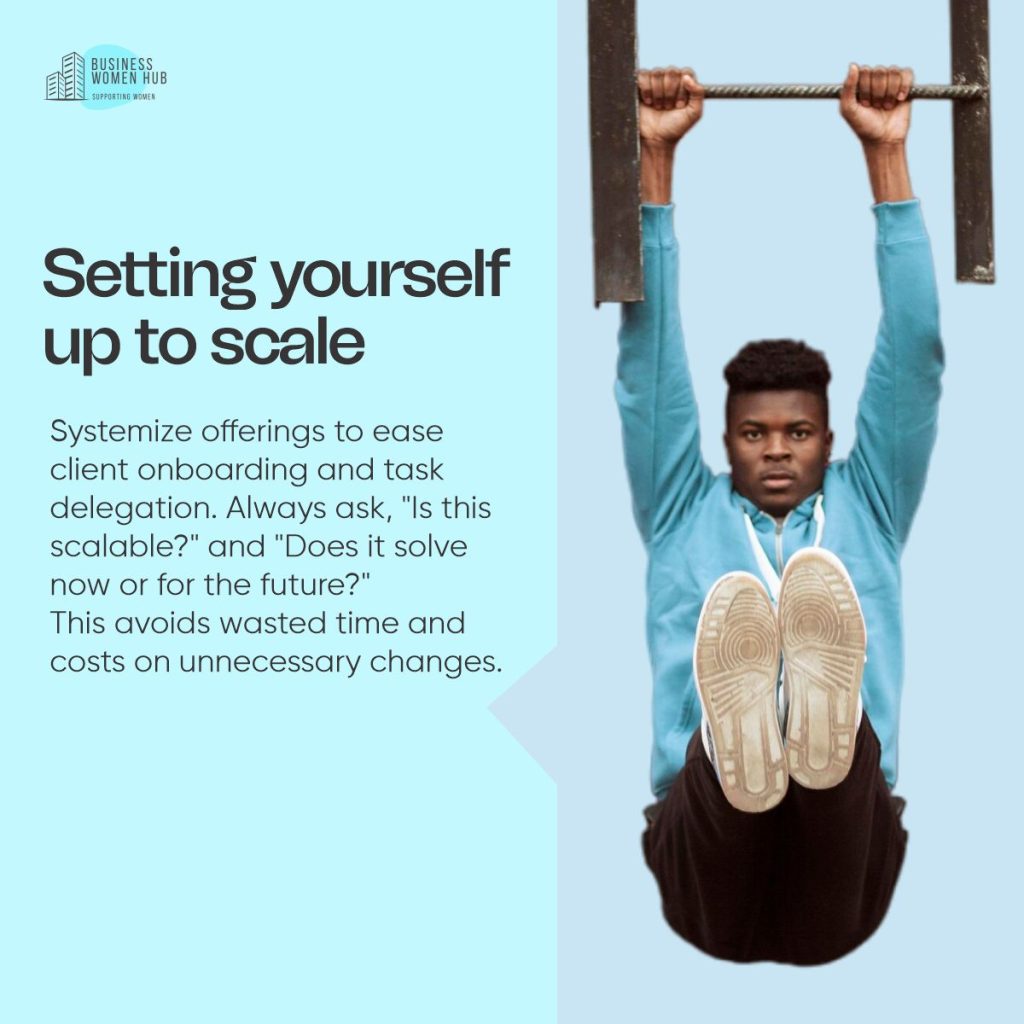
Setting yourself up to scale

Setting up for growth by systemizing the offerings and operations. Starting with custom services can cause issues in onboarding clients and managing accounts, making it hard to delegate tasks. Always questioning scalability and future relevance will save one from unnecessary expenses and time wasted on non-essential changes.

It’s always difficult onboarding new clients and finding emoloueedy who could manage accounts, preventing them from stepping back from the daily client fulfillment tasks. During this stage, it is advisable to ask these questions, “Is this solution scaleable?” and “Does this solution solve for right now, or does it solve for a future problem?”

Asking these questions would save you from spending countless hours and money on implementing change that wasn’t needed.

Understanding your teams’ true bandwidth capabilities

By using time-tracking software, you should be able to see how much work the team could actually do. It can help you see which clients were taking up too much time and which tasks were taking too long. Adjusting some clients’ payments based on their needs can help manage more accounts without overwhelming the team.

Additionally, you can streamline many procedures and tasks to boost efficiency, enabling the team to focus more on executing KPIs rather than on tedious administrative tasks that weren’t truly needed at the end of the day.

Over time, the data showed the true client-to-account executive ratio in ensuring you can keep growing as fast as you want to.

Diversify services to offer

A smart strategy for boosting revenue is to find complimentary items and services that complement your best-selling products and services.

It is possible to increase average customer lifetime value by identifying and addressing customers’ unmet wants and then delivering products that fill in the gaps and help sell the company’s primary income generators.
Posted on Leave a comment

Attract More Online Traffic and Customers to your Small Retail Business with these 4 Innovative Techniques

Attract More Online Traffic and Customers to your Small Retail Business with these 4 Innovative Techniques

As a small retail business owner, you might not have funds or technical know-how to run expensive, complicated paid ads. That’s why it is essential to optimize your budget and implement tried-and-trusted strategies to get the best return on your ad spend.

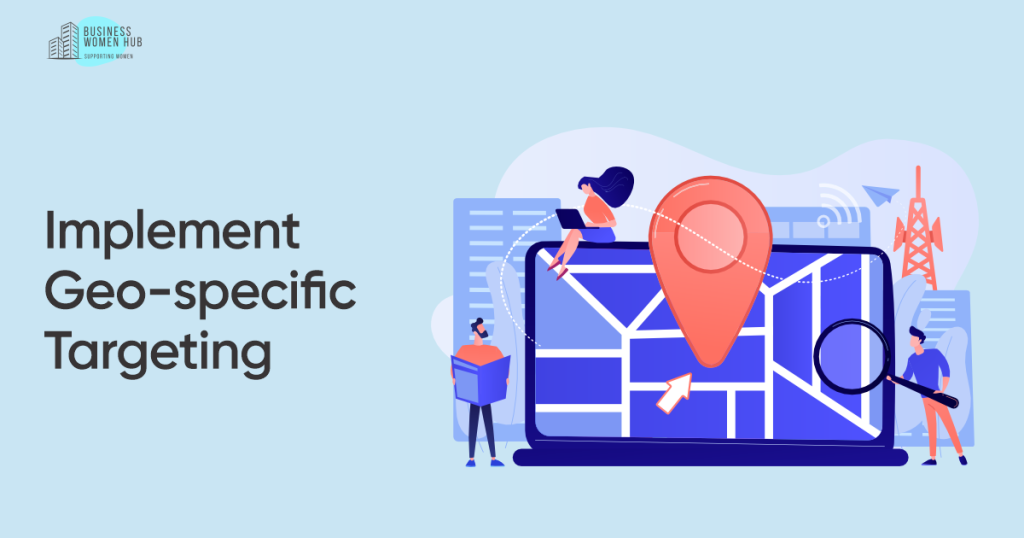
Implement geo-specific targeting

Implementing geo-specific targeting allows you to focus your advertising efforts on people who are most likely to convert into real customers.

  1. First, determine the locations you wish to target.
  2. Log into your ads account and select the campaign you want to target geographically.
  3. Use the targeted locations as keywords in your ad copy.
  4. Monitor your ad analytics to assess the number of clicks, calls, or conversions generated by your targeted ads, then refine your strategy accordingly.

Increase Relevance with Clustering and Ad groups

To identify negative keywords, review past campaigns to see if any irrelevant keywords triggered your ads. Further, brainstorm any common terms that don’t align with your products or business.

  1. Log in to your Google Ads account.
  2. Choose the campaign or ad group where you want to add negative keywords.
  3. In the left-hand menu, click “Keywords,” and then select “Negative Keywords.”
  4. Click the “+” button to add new negative keywords. You can enter individual keywords or upload a list.
  5. Once you’ve added the desired negative keywords, click “Save” to apply them to your campaign.

Reduce Ad Spend by Adding Negative Keywords

Ad groups can then be used to house clusters of related keywords and the ads that target them. Using the same example as above, you might create separate ad groups for RTW, Bespoke, respectively. For each ad group, you’ll write tailored ad copy that specifically addresses the keywords in that group. Clustering ensures that your ads are matched with the most relevant search queries and the right types of customers, based on their interests. Grouping increases ad relevance, which can reduce your cost-per-click (CPC) and increase your ROl.

Increase Online Sales with Google Shopping ads

You can increase traffic online for your small business through google ads. Google or search engine ads are unique ads that are created using the product data directly from your Google Merchant Center account.

  1. Create a Google Merchant Center account.
  2. Set up your product feed.
  3. Upload your product feed to Google Merchant Center.
  4. Link your Google Merchant Center and Google Ads accounts.
  5. In the Google Merchant Center, navigate to the “Account Linking” section.
  6. Sign in to your Google Ads account and create a new campaign. Click on the “+ New Campaign” button, select
  7. “Sales” or “Leads” as your campaign goal, and then choose
  8. “Shopping” as the campaign type.