
Running a small business can sometimes feel like having ten different jobs at once.
You’re responding to customers, processing orders, creating social media content, following up with leads, tracking sales, managing finances, and still trying to find time to actually grow the business.
And because you’re used to doing everything yourself, it can be difficult to imagine another way. But here’s the good news: your business doesn’t have to depend on you manually handling every single task.

This is where automation comes in.
Automation allows simple systems and digital tools to take care of repetitive tasks for you. It doesn’t mean removing the human side of your business. Instead, it helps you spend less time on routine work and more time on the things that truly need your attention – such as strategy, sales, relationships, and growth.
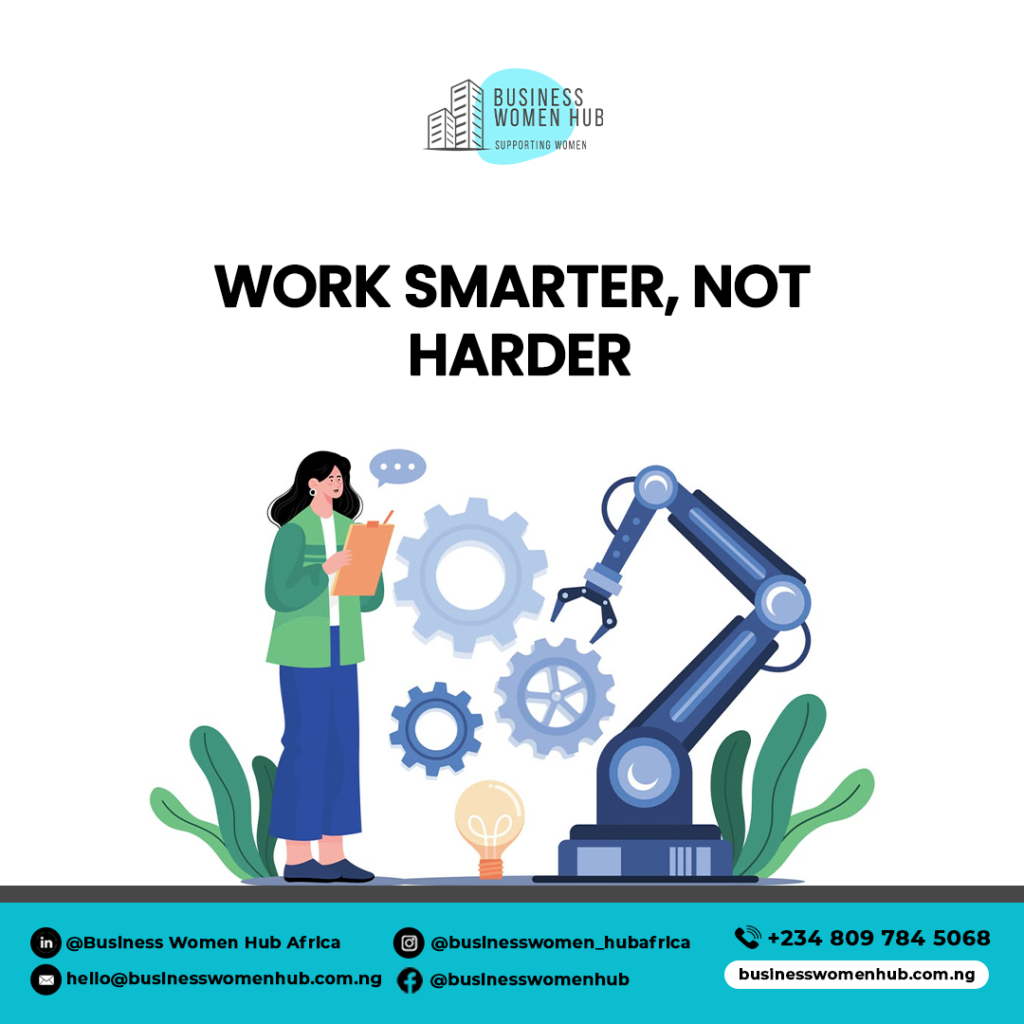
Work Smarter, Not Harder
One of the biggest advantages of automation is the time it can save.
Start by paying attention to the tasks you repeat every day or every week. Do you send the same welcome message to every new customer? Answer the same questions repeatedly? Send similar reminders? Schedule social media posts manually? These are the kinds of tasks that could potentially be automated.
Here’s how to get started:
- Identify repetitive tasks: Look for activities you perform repeatedly.
- Start small: Choose one task to automate instead of trying to automate your entire business at once.
- Use the right tools: Select simple, affordable tools that suit your business and your level of technical experience.
- Use your saved time intentionally: Put the extra time into sales, business strategy, customer relationships, and growth.
Remember, automation is not about replacing you. It’s about reducing unnecessary workload.
You didn’t start your business just to spend your entire day doing repetitive administrative tasks. Build systems that help your business work better, even when you’re busy.

Automate Your Customer Experience
Customers value speed and convenience. When someone sends you a message, they want a response. When they place an order, they want to know what is happening. When they show interest in your product, a timely follow-up can make the difference between a lost sale and a completed purchase.
But as your business grows, manually keeping up with every customer can become overwhelming. Automation can help you remain responsive without having to be online every minute of the day.
Some customer tasks you can automate include:
- Welcome messages: Give new customers a warm first impression as soon as they reach out.
- Frequently asked questions: Prepare quick responses to common questions about prices, products, delivery, payment, opening hours, and more.
- Order updates: Keep customers informed about their orders without having to send every update manually.
- Follow-ups: Remind potential customers about products they showed interest in and check in with existing customers after a purchase.
- Customer reminders: Schedule reminders for appointments, promotions, important announcements, or upcoming events.
However, there’s one important rule: automation should still feel human.
Customers should not feel like they are talking to a machine at every stage of their buying journey. Use automation to make communication easier and faster while keeping your brand’s personality and warmth.

Put Your Marketing on Autopilot
Marketing is essential for business growth, but constantly trying to remember what to post, when to send an email, or when to follow up with a potential customer can become exhausting.
Automation can help you remain visible and consistent without having to start from scratch every morning.
For example, instead of waking up every day wondering what to post, you can plan your content in advance and schedule it to go out automatically.
Here are a few ways to automate your marketing:
- Schedule your content: Plan your social media posts ahead of time.
- Create email sequences: Automatically welcome new subscribers and nurture potential customers.
- Set reminders: Schedule reminders for promotions, campaigns, events, and important marketing activities.
- Reuse successful content: Turn a popular post into a video, carousel, email, blog post, or another piece of content.
- Track your results: Use simple analytics tools to understand what content and campaigns are generating results.
The goal isn’t to be online 24/7. The goal is to build a system that keeps your business visible even when you’re busy working on other things.
Consistency becomes much easier when you have systems supporting you.

Build a Business That Doesn’t Depend on You for Everything
Imagine taking a day off without worrying that everything will come to a standstill.
That’s one of the bigger goals of building systems in your business.
A business that depends on the owner for every single decision, response, process, and task can quickly become exhausting. But when you document processes and create clear workflows, you make it easier for tasks to be completed consistently.
Start building better systems by:
- Documenting your processes: Write down how important tasks are done so they don’t exist only in your head.
- Automating repetitive work: If a task follows the same pattern every time, consider whether a tool can handle part or all of it.
- Creating clear workflows: Make it easy to understand what happens first, what comes next, and who is responsible.
- Reviewing your systems regularly: Automation is only useful if it actually saves time and improves your results.
- Continuously improving: As your business grows, your systems should grow with it.
The more structure you build into your business, the less chaos you have to manage.
You Don’t Need a Big Business to Start Automating
Automation isn’t only for large corporations with huge teams and expensive technology. Small businesses can start with simple systems too.
You might begin with something as straightforward as scheduling your social media posts, setting up automated customer responses, creating email reminders, or documenting a process you repeat regularly.
The important thing is to start somewhere.
Don’t wait until your business becomes so busy that you’re completely overwhelmed. Start building systems now that can support the business you want to have in the future.