For many women in business, budgeting has become a means of coping rather than a tool for building. We budget to pay bills, cover emergencies, and “manage till next month.” While this approach keeps the lights on, it often keeps our businesses stuck in a state of survival mode.
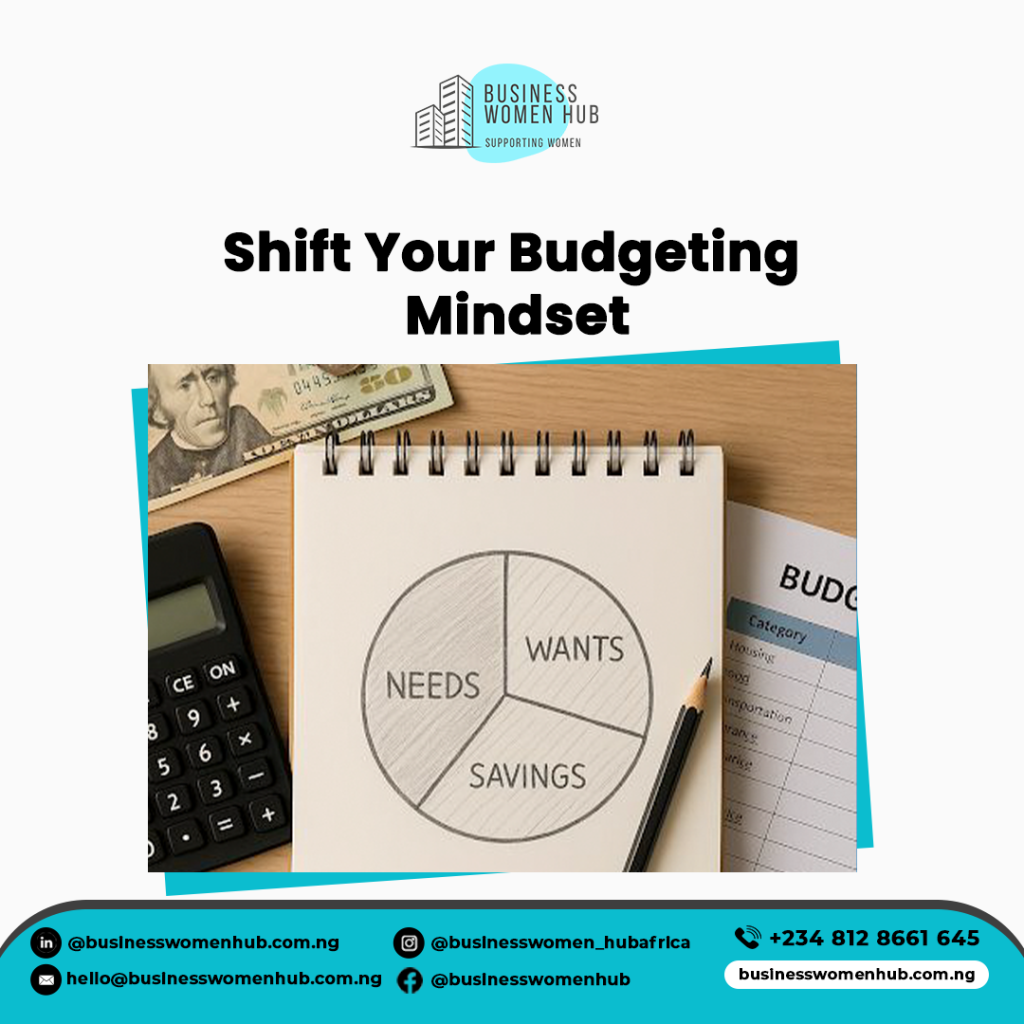
Growth requires a different mindset. Budgeting for growth is not about restriction; it’s about direction. It’s about telling your money where to go so it can support the future you’re intentionally building.
Let’s break down how to shift from survival budgeting to growth-focused financial planning.
Shift Your Budgeting Mindset
Budgeting is not about restriction; it’s about direction.
Survival budgeting focuses on fear and short-term needs. Growth budgeting asks a more powerful question: What do I need to invest in to move my business forward this year? When you budget only to survive, your business stays reactive. When you budget for growth, your business becomes intentional.
To shift your mindset:
- Stop budgeting only for bills and emergencies
- Start budgeting with clear business goals
- Define what growth looks like for you this year
- Decide where your money should work harder
✨ When you move from managing money to directing money, clarity follows.
Separate Survival Costs From Growth Investments
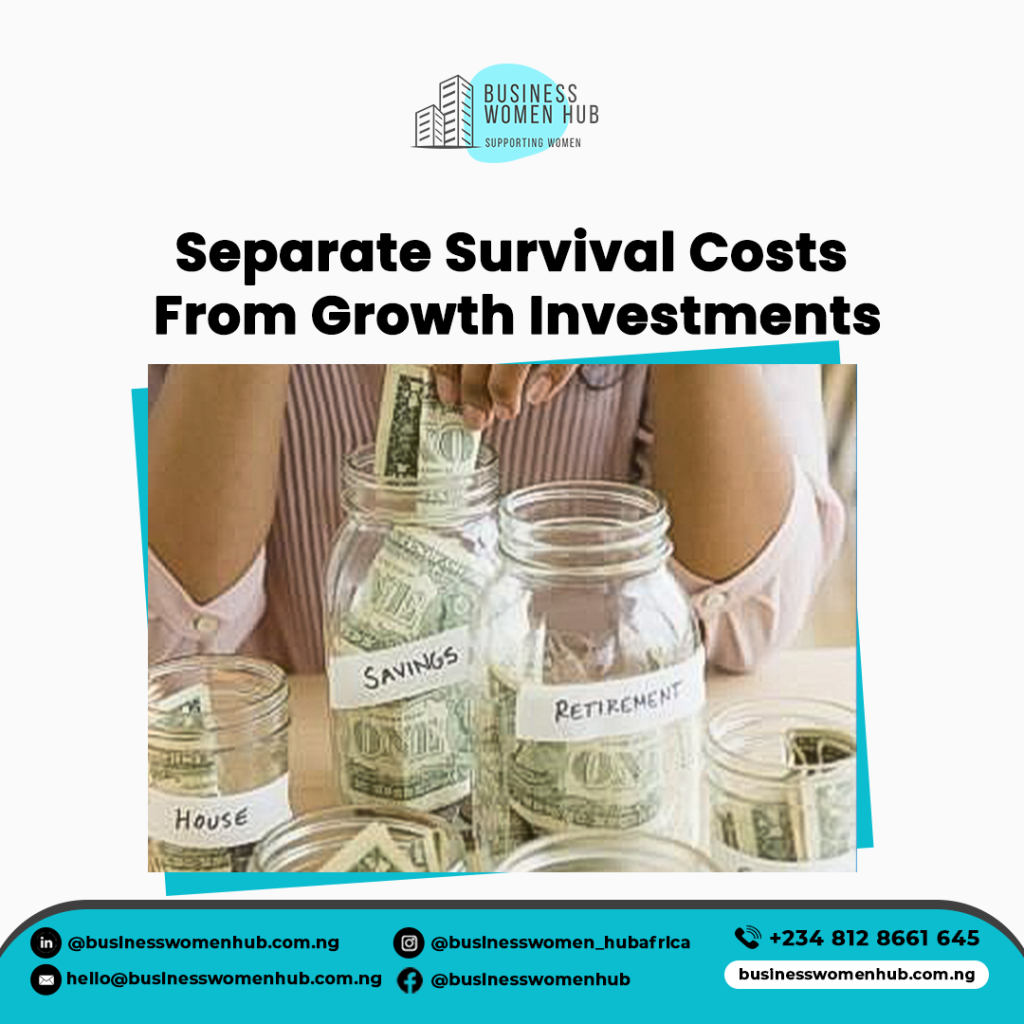
Not every expense contributes to growth. Survival costs keep your business running, while growth investments help it scale. Mixing the two often leads to spending without progress.
Survival costs include rent, basic tools, internet, and utilities.
Growth investments include marketing, training, branding, systems, and support.
To create clarity:
- List your monthly survival costs
- Identify areas of overspending
- Create a separate category for growth investments
- Be honest about what’s draining your business versus building it
✨ Growth happens when progress is intentionally funded.
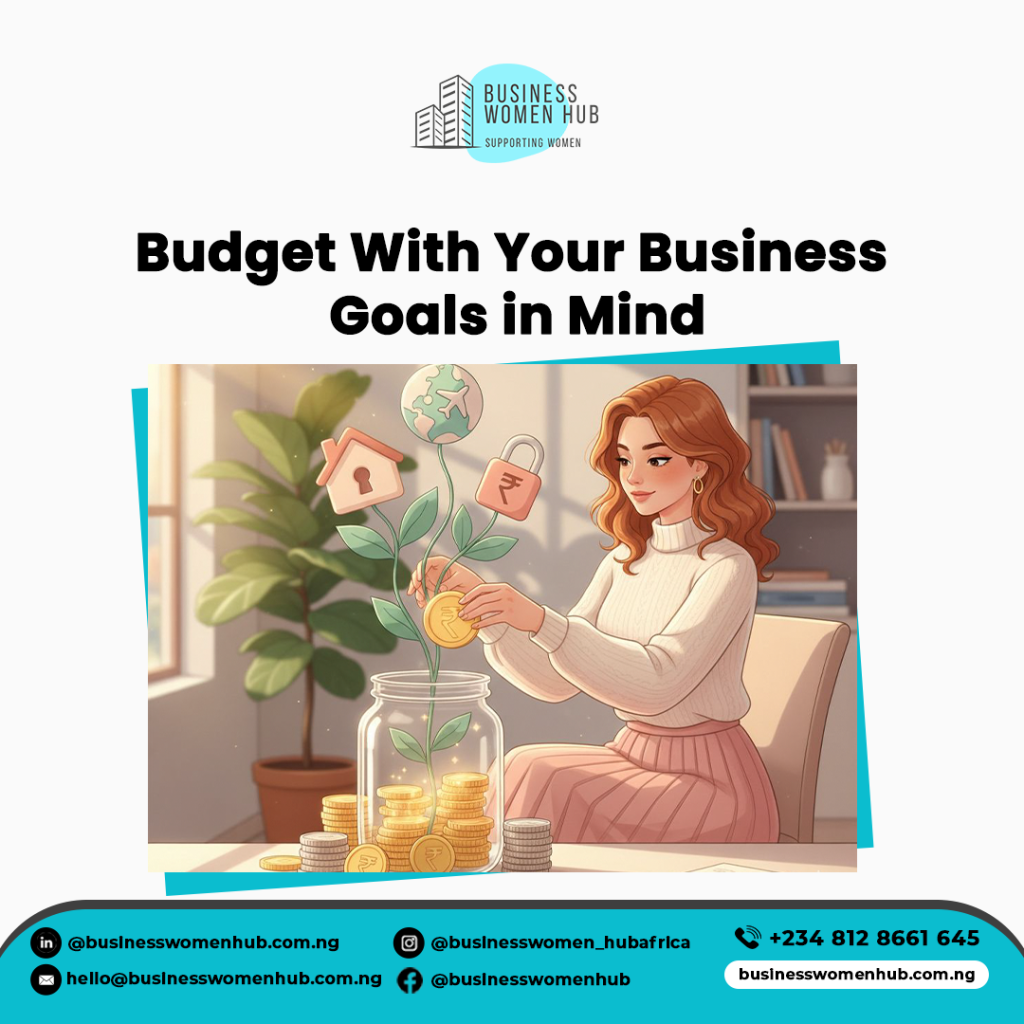
Budget With Your Business Goals in Mind
Your budget should support where you’re going, not just where you are.
If your goals include getting more customers, increasing visibility, improving systems, or earning more consistently, your budget must reflect those priorities. Big goals without financial backing remain wishes.
To align your budget with your vision:
- Write down your top three business goals
- Ask, “What will it cost to achieve this?”
- Allocate money to income-generating activities
- Cut back on expenses that don’t support your goals
✨ When money follows vision, results follow too.
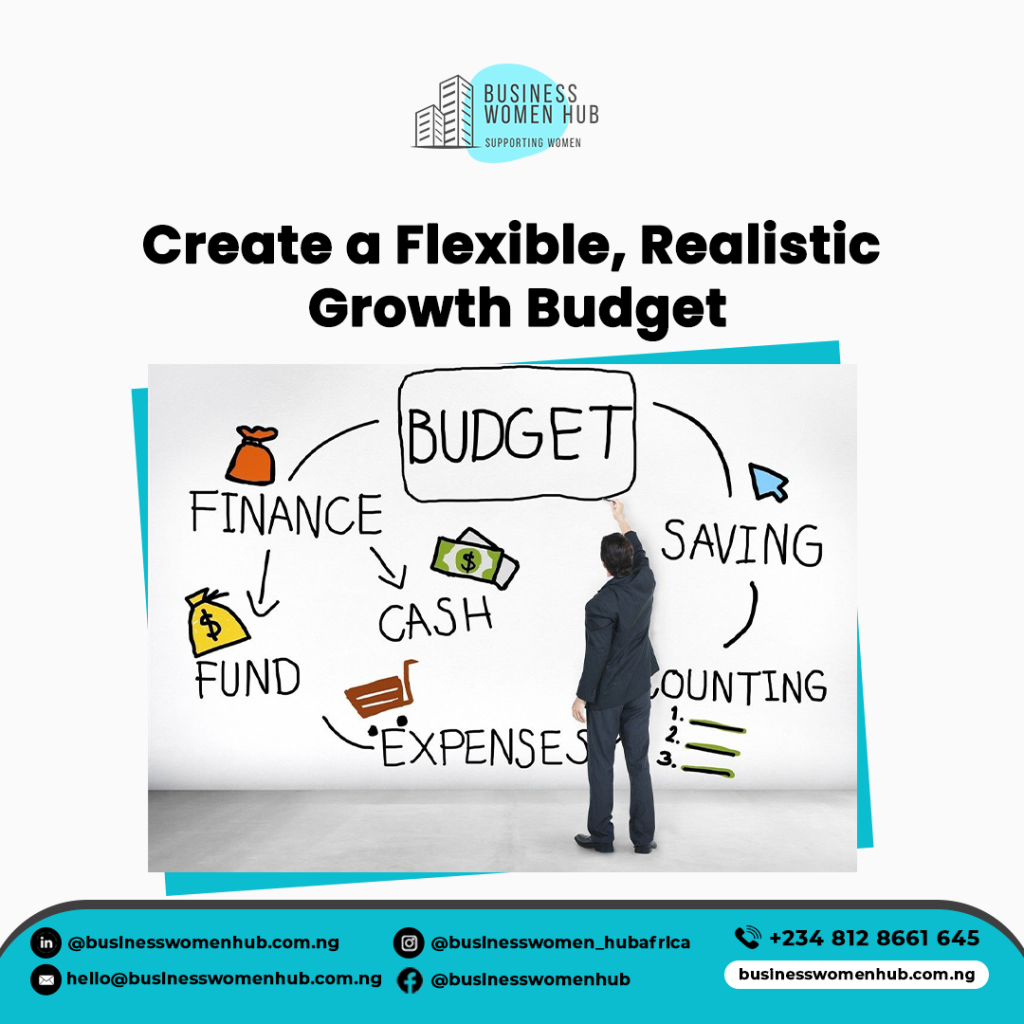
Create a Flexible, Realistic Growth Budget
Growth budgeting doesn’t require perfection; it requires consistency. You don’t need a large income to budget for growth. You need honesty, discipline, and flexibility. A good growth budget evolves as your business grows.
A healthy growth budget:
- It is realistic and easy to maintain
- Allows room for adjustment
- Encourages intentional spending
Start by:
- Budgeting with what you currently have
- Setting aside a small monthly growth fund
- Tracking spending regularly
- Adjusting as your income changes
✨ When you budget for growth, you stop reacting to money and start leading with it.
Final Thought
Budgeting for growth is a powerful act of leadership. It’s a decision to believe in where your business is going and to fund that belief with intention. Choose growth. Choose clarity. Choose to build beyond survival.